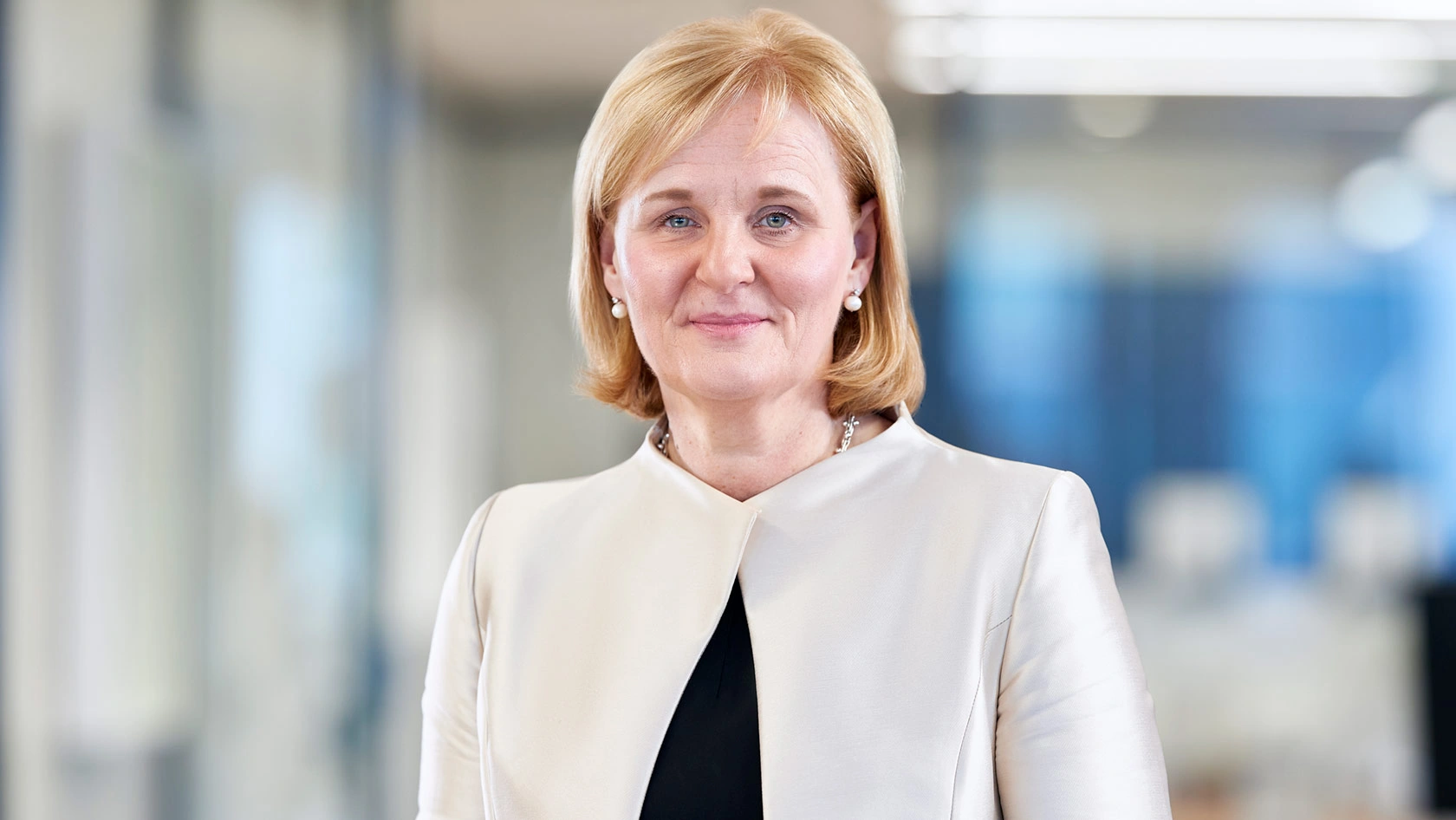
Ma Mingzhe
The Implacable Visionary Who Forged China's Financial Colossus From the Furnace of Reform
By Michelle Clark

Stygian transformations often produce figures of extraordinary consequence, particularly during periods when nations reinvent themselves with ferocious speed. In the vast theatre of modern Chinese commerce, few individuals embody that metamorphosis more completely than Ma Mingzhe. Disciplined, enigmatic and strategically relentless, Ma emerged from the turbulence of China’s economic awakening to build one of the most formidable financial institutions on Earth. His ascent reflects not merely personal ambition but the broader story of a nation vaulting from rigid state control into the volatile dynamism of global capitalism.
As founder and chairman of Ping An Insurance, Ma presides over an enterprise whose influence extends far beyond conventional insurance. Ping An evolved under his stewardship into a sprawling ecosystem encompassing banking, healthcare, investment management and advanced technology. What began as a relatively modest insurer in Shenzhen transformed into a corporate leviathan capable of shaping the direction of Chinese finance itself. Such an achievement required more than entrepreneurial instinct. It demanded extraordinary patience, political intelligence and an almost relentless appetite for structural reinvention.
Born in Guangdong Province during an era when China remained economically constrained and socially austere, Ma’s formative years unfolded against the backdrop of immense national upheaval. Unlike many Western corporate leaders groomed within elite institutions from adolescence, his early life possessed a harsher and more uncertain texture. China during his youth was not yet the industrial titan recognised today. Opportunity remained limited, resources scarce and economic mobility uncertain. Yet these conditions arguably forged the resilience and strategic caution that later defined his leadership philosophy.

Before establishing Ping An in 1988, Ma worked within sectors connected to labour and finance, gradually developing insight into the immense possibilities emerging from China’s reform era. Deng Xiaoping’s economic liberalisation had begun reshaping the nation, creating opportunities for private enterprise and market driven growth unimaginable only decades earlier. Ma recognised earlier than many contemporaries that financial services would become indispensable to China’s transformation into a modern economic superpower.
The founding of Ping An itself represented a bold and highly unconventional move within the context of late twentieth century China. Insurance remained underdeveloped, public familiarity with modern financial products was limited and regulatory structures were still evolving rapidly. Yet Ma possessed an unusually expansive vision. He understood that China’s accelerating urbanisation, industrialisation and growing middle class would eventually require sophisticated financial infrastructure on a colossal scale.
From the outset, his leadership style revealed remarkable strategic discipline. Ma seldom cultivated the flamboyant public persona associated with certain global billionaires and technology magnates. Instead, he projected restraint, seriousness and institutional focus. There was an almost military precision to his approach, rooted in long term planning rather than impulsive expansion. This steadiness became one of Ping An’s defining strengths as the company navigated the often volatile landscape of Chinese economic development.
Under Ma’s stewardship, Ping An expanded far beyond traditional insurance operations. Banking, asset management and healthcare services became central pillars of the corporation’s growth strategy. Yet perhaps his most consequential insight concerned technology. Long before many established financial institutions fully appreciated the scale of digital transformation approaching the industry, Ma aggressively pursued technological integration across Ping An’s operations.
Artificial intelligence, digital healthcare platforms, financial technology and data analytics became increasingly intertwined with the company’s identity. Ma understood that the future of finance would belong not merely to institutions controlling capital but to those mastering information infrastructure and technological ecosystems. This vision transformed Ping An into something far more complex than a conventional insurer. It became a hybrid financial and technological empire uniquely positioned within China’s rapidly digitising economy.
Observers frequently describe Ma as possessing extraordinary strategic patience. Unlike executives obsessed with quarterly theatrics or personal celebrity, he focused upon building systems capable of enduring across decades. This long horizon thinking aligned closely with broader Chinese institutional culture, where continuity and gradual consolidation often carry greater value than dramatic short term disruption.
Yet beneath his composed exterior lies undeniable competitiveness. China’s financial sector is intensely contested, shaped by state influence, regulatory complexity and immense market ambition. Ma navigated these realities with exceptional dexterity. Ping An expanded while maintaining relationships essential within the Chinese political and economic framework. Such balance requires considerable sophistication in a nation where corporate success remains deeply intertwined with governmental priorities and regulatory evolution.
The rise of Ping An also mirrors China’s broader emergence as a global economic force. During Ma’s leadership, the country transformed from a developing manufacturing economy into one of the world’s dominant financial and technological powers. Ping An became emblematic of that transformation, demonstrating that Chinese corporations could compete internationally not merely through scale but through innovation and operational sophistication.
Healthcare in particular emerged as a significant focus under Ma’s direction. He recognised that demographic change, urbanisation and rising consumer expectations would create enormous demand for integrated healthcare solutions. Ping An therefore expanded aggressively into digital medical platforms and health related services, seeking to position itself at the intersection of finance, technology and human wellbeing. This strategy reflected Ma’s broader understanding that modern corporations must operate as interconnected ecosystems rather than isolated commercial entities.
Critics occasionally questioned the immense concentration of corporate power represented by conglomerates such as Ping An. Concerns regarding data privacy, market influence and the broader relationship between major corporations and the Chinese state remain persistent subjects of international debate. Ma himself, however, rarely engaged publicly in ideological confrontation. His communication style remained measured and intensely pragmatic, focused upon operational progress rather than philosophical grandstanding.
There is also a distinctly Chinese quality to his conception of leadership. Western executives often cultivate highly personalised brands centred upon individual charisma or disruption narratives. Ma instead appears fundamentally oriented towards institutional strength and strategic continuity. His authority derives less from performative visibility and more from the extraordinary scale and durability of the systems he constructed.
Financially, Ping An achieved remarkable success during his tenure. The corporation grew into one of the largest insurers and financial institutions in the world, serving hundreds of millions of customers across multiple sectors. Investors frequently praised the company’s technological sophistication and diversified business structure. Such achievements elevated Ma into the ranks of the most influential figures in Asian business history.
Yet his leadership unfolded amid growing uncertainty as well. Economic slowdown, geopolitical tension and regulatory tightening within China created new challenges for major corporations. The Chinese government increasingly emphasised financial stability and social responsibility, requiring large enterprises to adapt carefully to evolving political expectations. Ma’s enduring success has depended heavily upon his capacity to navigate these shifting currents without destabilising the institution he spent decades constructing.
There is an unmistakable austerity to his public image. Ma rarely appears driven by vanity or extravagant self projection. Instead, he projects the demeanour of a strategist perpetually focused upon structural resilience and long term positioning. This restraint perhaps explains why his influence often appears understated outside financial circles despite the enormous scale of his achievements.
As global finance enters an era defined increasingly by technological disruption, demographic strain and geopolitical fragmentation, Ma’s legacy will remain deeply significant. Admirers will portray him as a visionary architect who helped modernise Chinese finance and built one of the world’s most advanced financial ecosystems. Critics will continue debating the implications of immense corporate concentration within tightly managed political systems. Both perspectives reflect the immense complexity surrounding his career and influence.
What remains beyond dispute is the extraordinary scale of Ma Mingzhe’s accomplishment. He transformed Ping An from a fledgling insurer into a sprawling financial empire at the heart of China’s economic ascent. Through strategic discipline, technological foresight and relentless institutional focus, he helped redefine what a modern financial corporation could become.
Beneath his measured exterior resides a leader of immense determination, one who understood earlier than most that the future of finance would belong not merely to those controlling wealth but to those capable of integrating technology, healthcare and financial infrastructure into a single commanding ecosystem. Ma Mingzhe stands as one of the defining architects of contemporary Chinese capitalism, a figure whose influence extends across industries, borders and the evolving structure of global finance itself.