Andrew Witty
The Flint Edged Steward Who Recast the Tempest of American Healthcare
By Sidra Asif
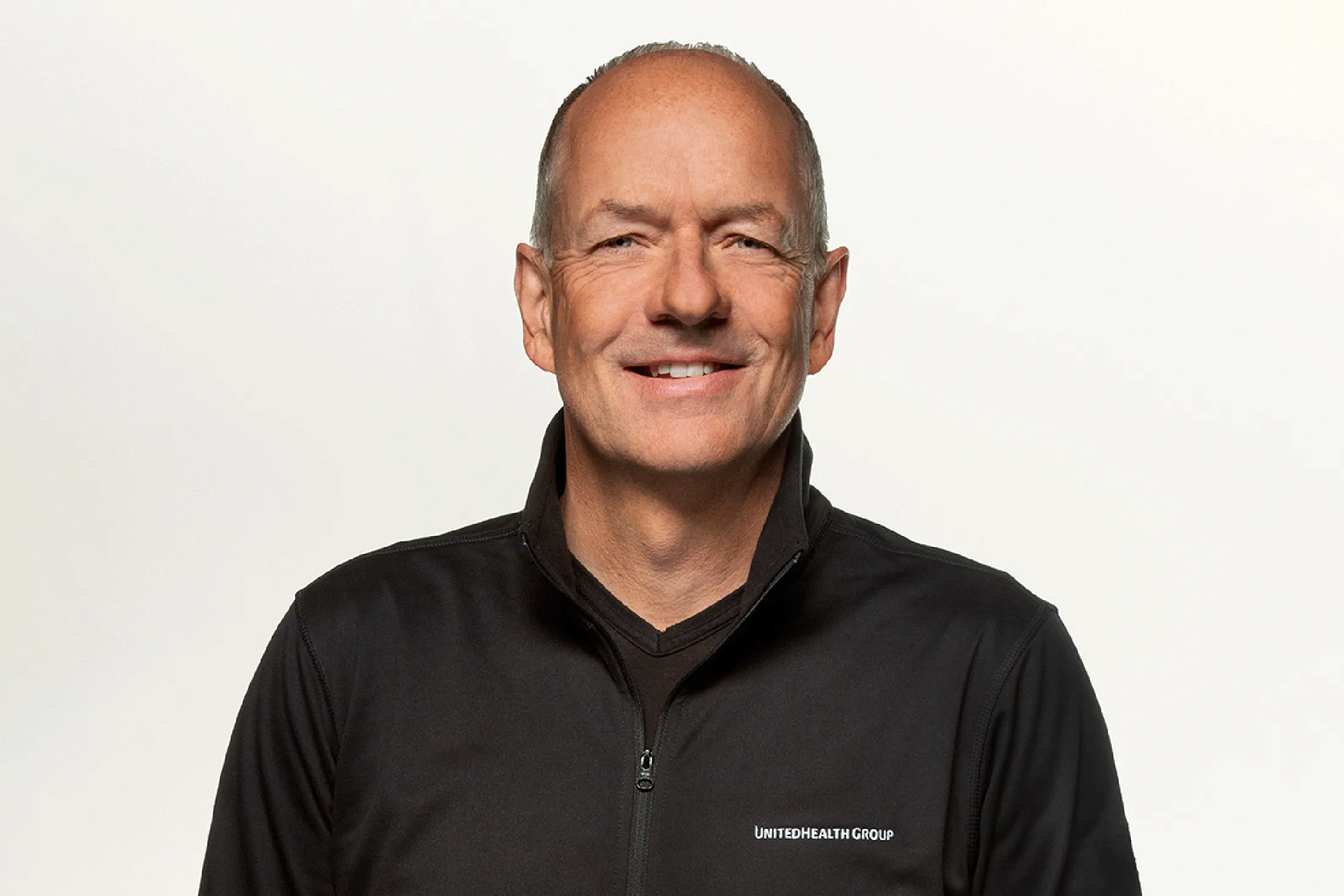
Crepuscular forces often shape the fortunes of modern commerce long before the public discerns the scale of their influence. In the labyrinthine corridors of global healthcare, where colossal sums collide with fragile human need, few figures have carried the burden of leadership with the same measured austerity as Andrew Witty. Reserved yet commanding, diplomatic yet unyielding, Witty emerged as one of the defining corporate statesmen of his generation, steering UnitedHealth Group through periods of upheaval that might have shattered a less disciplined executive. His rise was never fashioned through flamboyance or theatrical charisma. Instead, it was forged through a distinctly British temperament rooted in restraint, calculation and a formidable grasp of institutional power.
Born in Nottingham in England, Witty’s formative years reflected neither aristocratic privilege nor the polished route often associated with corporate royalty. His ascent possessed a more industrious texture, shaped by patience and practical intelligence rather than spectacle. Educated within the state system before attending the University of Nottingham, he entered the pharmaceutical world with a grounded understanding of commerce and science. Early colleagues frequently remarked upon his ability to remain composed under pressure, an attribute that would later become indispensable as he navigated the ruthless complexity of American healthcare capitalism.
Witty first secured international prominence during his tenure at GlaxoSmithKline, where he became chief executive in 2008. The timing could scarcely have been more unforgiving. The global financial crisis was convulsing markets, public trust in pharmaceutical giants was deteriorating and political scrutiny over drug pricing was intensifying across continents. Yet Witty distinguished himself by pursuing a leadership style that diverged from the abrasive orthodoxy of many corporate titans. Rather than relying solely upon aggressive expansion or financial engineering, he cultivated an image of ethical seriousness and long term responsibility.
His stewardship at GlaxoSmithKline revealed a man acutely aware that healthcare corporations occupied a precarious moral terrain. Medicines generated extraordinary profits, yet they also touched the most vulnerable dimensions of human existence. Witty therefore sought to widen access to drugs in poorer nations and invested heavily in research concerning neglected tropical diseases. Critics occasionally accused him of idealism, though supporters argued that he understood a deeper truth about public legitimacy. A healthcare empire without trust eventually corrodes from within.
That instinct for balancing profit with public expectation became even more significant when he assumed leadership at UnitedHealth Group. The American healthcare system remains one of the most contentious and bewildering structures in the industrialised world, burdened by soaring costs, political antagonism and relentless legal scrutiny. To govern such an institution requires more than managerial competence. It demands strategic endurance and an almost preternatural tolerance for controversy.
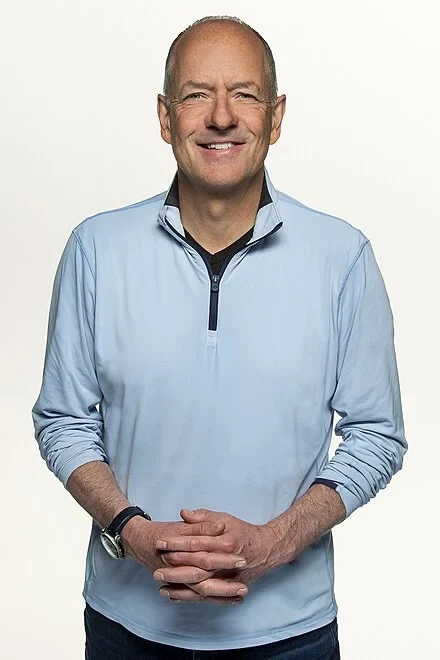
When Witty became chief executive of UnitedHealth Group in 2021, the company already occupied an immense position within the American economy. Through its insurance operations and its rapidly expanding Optum division, the organisation wielded influence across clinical services, pharmacy benefits and healthcare technology. Witty inherited not merely a corporation but a sprawling ecosystem intertwined with the lives of millions of Americans. Every decision carried financial and political reverberations.
The shadow of the coronavirus pandemic loomed heavily over his arrival. Healthcare systems worldwide had been battered by exhaustion, labour shortages and public distrust. In the United States, ideological division had transformed medicine into a battlefield of cultural warfare. Witty approached this volatile atmosphere with characteristic composure. He rarely indulged in rhetorical grandstanding. Instead, he projected an image of calm institutional authority, emphasising operational resilience and long term adaptation.
Observers within the industry quickly recognised his broader ambition. Witty was not content merely to preserve UnitedHealth Group’s dominance. He sought to reshape the architecture of healthcare delivery itself. Under his leadership, Optum expanded aggressively into physician practices, data analytics and direct patient care. The strategy reflected a profound shift in healthcare economics. Rather than functioning solely as an insurer paying medical bills, UnitedHealth increasingly positioned itself as an integrated healthcare powerhouse controlling multiple layers of the system.
Supporters regarded this transformation as pragmatic modernisation. They argued that fragmented healthcare breeds inefficiency, inflated costs and patient frustration. By consolidating services under one organisational framework, UnitedHealth could potentially improve coordination and outcomes. Critics, however, saw something more ominous. They feared the emergence of a healthcare colossus possessing unprecedented leverage over doctors, pharmacies and consumers alike.
Witty seldom responded emotionally to such criticism. His public persona remained disciplined and cerebral. Unlike certain American executives who cultivate celebrity through provocation, he maintained a measured distance from spectacle. There was an unmistakably British quality to his communication style, understated yet firm, almost bureaucratic in its precision. Nevertheless, beneath that restraint lay considerable strategic ruthlessness. Expansion under his leadership was neither accidental nor timid.
Financially, UnitedHealth Group continued to demonstrate formidable strength during his tenure. Revenues surged into the hundreds of billions, while investor confidence remained robust despite regulatory anxieties. Witty proved particularly adept at reassuring markets that the company could withstand political turbulence. Healthcare reform debates have haunted American corporate life for decades, yet UnitedHealth repeatedly adapted to changing regulatory climates with remarkable agility.
His experience in Britain arguably furnished him with an unusually international perspective on healthcare systems. Unlike executives shaped exclusively by American private insurance culture, Witty had observed the workings of the National Health Service and the broader European pharmaceutical environment. This exposure granted him a more nuanced understanding of the tension between public welfare and commercial incentive. He recognised that healthcare enterprises cannot flourish indefinitely through extraction alone. They must preserve at least a semblance of social legitimacy.
Yet Witty’s career has never been free from contention. UnitedHealth Group faced criticism over insurance claim denials, rising costs and accusations concerning corporate consolidation. Progressive campaigners frequently portrayed giant healthcare conglomerates as symbols of systemic dysfunction. In this hostile climate, Witty often found himself cast as the public face of an industry many Americans distrust deeply.
His response was typically restrained rather than combative. He rarely descended into ideological trench warfare. Instead, he framed healthcare challenges as problems demanding technical solutions and institutional cooperation. Whether discussing digital transformation, preventative care or pharmaceutical access, his language consistently emphasised practicality over dogma. Some interpreted this as admirable seriousness. Others regarded it as corporate opacity designed to soften public scrutiny.
Nevertheless, even critics acknowledged his exceptional steadiness during periods of disruption. Modern corporations increasingly operate within a climate of perpetual volatility, where social media outrage, political intervention and investor panic can erupt simultaneously. Witty’s temperament appeared uniquely suited to such an environment. He projected the demeanour of a man largely unmoved by noise, focused instead upon structural advantage and long horizon planning.
There is also a distinctly old world quality to his leadership philosophy. In an era obsessed with disruption and personal branding, Witty represents a more institutional conception of executive authority. He seldom behaves like a technological evangelist or cultural provocateur. Instead, he resembles the archetypal steward of a powerful establishment, careful with language, disciplined in conduct and intensely protective of organisational continuity.
That approach has earned him respect across political and commercial circles. Governments, investors and healthcare stakeholders often prefer leaders who radiate predictability rather than ideological fervour. Witty’s calm bearing therefore became a strategic asset in itself. He understood that confidence within healthcare markets depends heavily upon perceptions of stability.
Beyond the boardroom, his influence extends into broader debates concerning the future of medicine. The convergence of artificial intelligence, data analytics and integrated care models is transforming healthcare at extraordinary speed. Witty has consistently argued that technology can improve efficiency and patient outcomes if deployed responsibly. Under his oversight, UnitedHealth invested heavily in digital infrastructure and predictive analytics, seeking to position itself at the forefront of healthcare modernisation.
Yet the ethical dilemmas surrounding such transformation remain profound. As corporations accumulate vast quantities of medical data and expand their reach across clinical ecosystems, questions concerning privacy, competition and accountability intensify. Witty’s legacy may ultimately depend upon whether this new integrated healthcare paradigm delivers genuine public benefit or merely entrenches corporate power further.
What cannot be disputed is his significance within contemporary business history. Few executives have presided over institutions as politically sensitive, economically immense and socially consequential as UnitedHealth Group. Fewer still have done so while maintaining such conspicuous composure amid relentless scrutiny.
Andrew Witty embodies a curious fusion of pragmatism and restraint, ambition and institutional caution. He is not the sort of leader who dominates headlines through flamboyant declarations or cult like personal mythology. His authority stems from something colder and more enduring, namely competence sustained over time. In many respects, he represents a vanishing tradition of executive leadership, one grounded less in performance and more in stewardship.
As the healthcare landscape continues its convulsive evolution, Witty’s imprint upon the industry will remain unmistakable. Whether celebrated as a reforming strategist or criticised as the custodian of an overpowerful corporate machine, he has undeniably shaped the trajectory of modern healthcare capitalism. Beneath the polished reserve and measured diction lies a figure of formidable influence, a man who understood that in healthcare, power is never merely commercial. It is profoundly human.