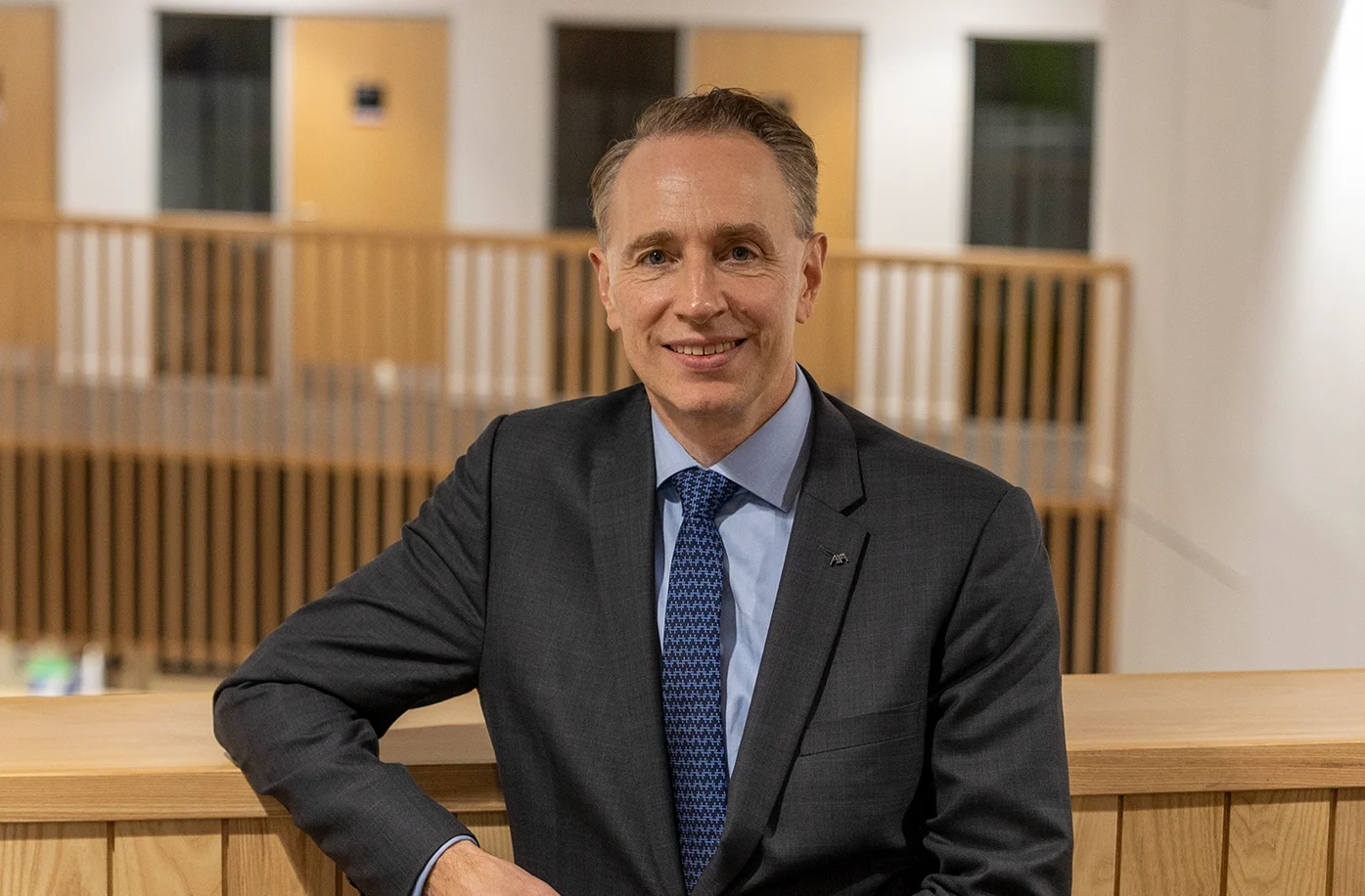
Anil Wadhwani
The Far Sighted Strategist Orchestrating Prudence and Power Across Asia's Financial Awakening
By Rizwan Zulfiqar Bhutta
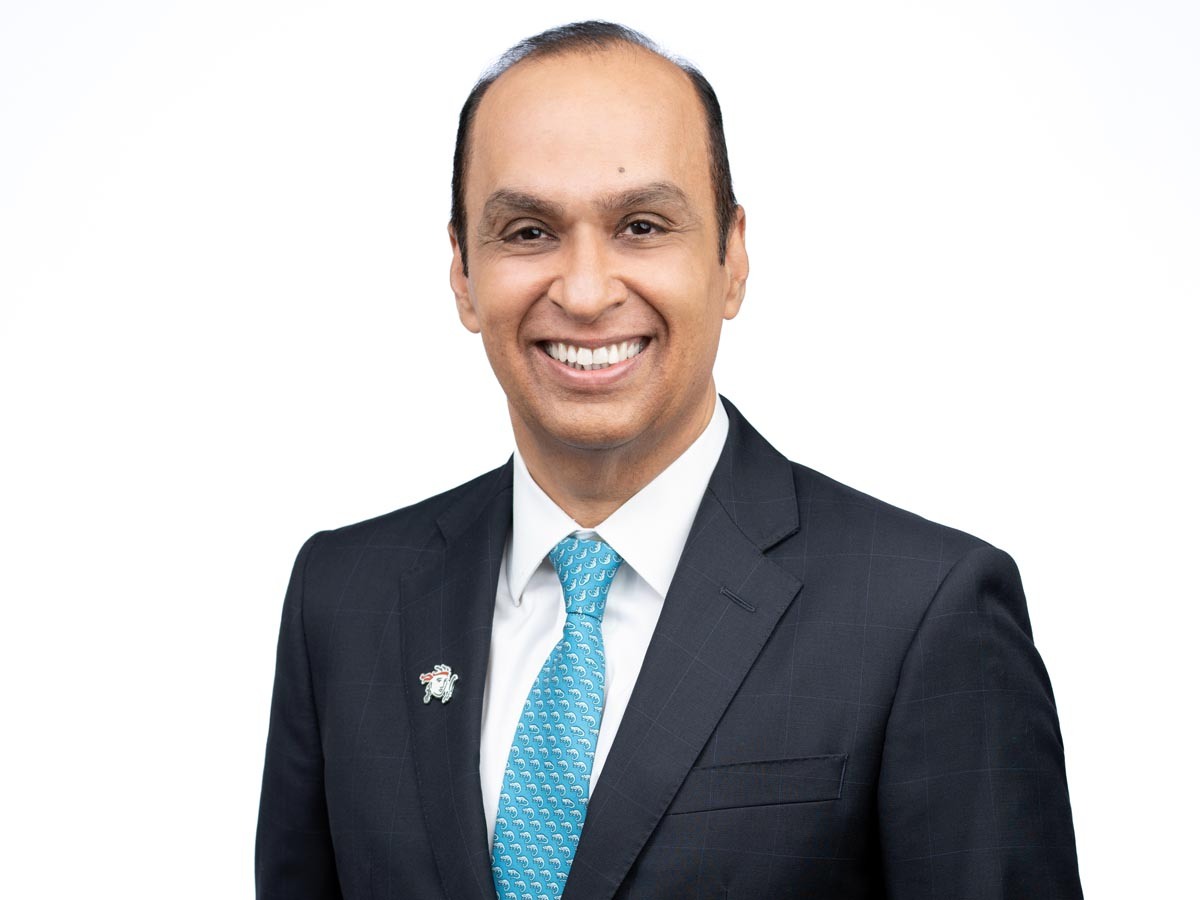
Noctivagant forces frequently shape the destinies of global finance long before markets fully comprehend their magnitude. Across the shifting terrain of international insurance and wealth management, where demographic upheaval, economic volatility and technological transformation converge with relentless speed, Anil Wadhwani has emerged as a leader of uncommon composure and strategic acuity. Measured yet ambitious, intellectually disciplined yet commercially agile, Wadhwani embodies a distinctly modern form of executive authority shaped by global experience, cultural fluency and a deep understanding of emerging financial ecosystems. His stewardship of Prudential plc reflects not merely institutional management but a broader vision concerning the future of wealth, protection and financial resilience across Asia and beyond.
Unlike the bombastic corporate personalities who often dominate contemporary business culture, Wadhwani cultivated influence through steadiness rather than spectacle. There is a deliberate calmness to his leadership style, one rooted in operational discipline and strategic patience. He seldom relies upon theatrical rhetoric or exaggerated promises. Instead, he projects the demeanour of a strategist acutely aware that enduring institutions are built through sustained execution rather than fleeting corporate theatre.
Born in India and educated within a highly competitive academic environment before embarking upon an international corporate career, Wadhwani developed a worldview shaped by both emerging market dynamism and global financial sophistication. His professional journey traversed multiple continents and sectors, including senior leadership roles within insurance and financial services organisations of immense scale. Such breadth granted him an unusually nuanced understanding of how economic aspiration, demographic change and cultural variation influence consumer behaviour across vastly different societies.
Before becoming chief executive of Prudential plc in 2023, Wadhwani accumulated extensive experience at companies including Manulife and Citibank, where he earned a reputation for operational sharpness and strategic adaptability. Colleagues frequently described him as analytical yet approachable, disciplined yet highly collaborative. These qualities later became central to his leadership identity at Prudential, particularly as the company intensified its focus upon Asian growth markets.
When Wadhwani assumed leadership, Prudential was already undergoing profound transformation. Once deeply associated with British and European financial traditions, the company had increasingly repositioned itself towards Asia and Africa, regions where rising middle classes, demographic expansion and underdeveloped insurance penetration created immense long term opportunity. Wadhwani inherited not merely a financial institution but a strategic pivot of considerable historical significance.
His arrival coincided with a period of mounting uncertainty across global markets. Inflationary pressure, geopolitical tension and slowing economic growth had unsettled investors and intensified scrutiny surrounding financial institutions. Simultaneously, Asian economies were experiencing rapid structural change driven by urbanisation, digitalisation and rising consumer expectations. Wadhwani recognised immediately that Prudential’s future depended upon understanding these transitions with exceptional precision.
Under his stewardship, the company continued strengthening its focus upon health protection, long term savings and wealth management across rapidly developing Asian markets. Wadhwani appears acutely aware that demographic transformation represents one of the defining economic forces of the century. Millions of families across Asia are entering the middle class, accumulating wealth and seeking financial security for the first time. This shift creates extraordinary opportunity for insurers and asset managers capable of building trust across diverse cultural and economic landscapes.
Trust itself occupies a central place within Wadhwani’s broader leadership philosophy. Financial services ultimately depend upon confidence, particularly within societies where insurance and wealth planning remain comparatively underdeveloped. His communication style therefore emphasises stability, responsibility and long term partnership rather than aggressive commercial triumphalism. This restraint distinguishes him within an era often dominated by executive self promotion and inflated technological evangelism.
Technology nevertheless remains deeply important to his strategic outlook. Wadhwani understands that digital infrastructure is transforming how financial services are distributed and experienced across emerging markets. Mobile platforms, artificial intelligence and data analytics increasingly shape customer engagement, risk assessment and healthcare integration. Under his leadership, Prudential accelerated efforts to strengthen digital capabilities and expand access to financial and health related services through technological channels.
Yet unlike executives seduced by fashionable narratives surrounding disruption, Wadhwani approaches innovation with notable pragmatism. Technology within his framework functions not as spectacle but as infrastructure enabling accessibility, efficiency and broader inclusion. This measured approach reflects an understanding that financial transformation in emerging markets requires trust and usability as much as technological sophistication.
Healthcare and wellness have also become increasingly prominent within Prudential’s strategic identity under his stewardship. Wadhwani recognises that insurance companies can no longer operate solely as passive financial backstops activated after crisis occurs. Consumers increasingly expect proactive support concerning health management, preventative care and long term wellbeing. Prudential therefore expanded initiatives linking insurance protection with healthcare services and wellness ecosystems across key markets.
Such priorities reveal a broader evolution within global finance itself. Institutions once focused narrowly upon financial transactions now seek deeper integration into the everyday lives of consumers. Wadhwani appears particularly attuned to this transformation. He understands that future growth depends not merely upon selling policies but upon constructing enduring relationships rooted in trust, accessibility and sustained engagement.
There is also a distinctly international quality to his leadership perspective. Having worked extensively across Asia, North America and global financial systems, Wadhwani appears highly conscious of geopolitical complexity and economic interdependence. He leads Prudential during a period when multinational corporations must navigate increasingly fragmented global conditions shaped by trade tensions, regulatory divergence and strategic competition between major powers.
His response to such uncertainty has generally reflected disciplined caution rather than ideological grandstanding. Wadhwani seldom engages publicly in political theatrics or fashionable corporate activism. Instead, he emphasises operational resilience, customer focus and strategic flexibility. This calm and measured posture has proven reassuring to investors seeking continuity amid global instability.
Financial markets have generally responded positively to his leadership style, particularly his focus upon sustainable long term growth across structurally attractive markets. Investors frequently value executives capable of balancing ambition with discipline, and Wadhwani cultivated precisely that reputation. Prudential under his guidance continued reinforcing its identity as a distinctly Asia focused financial powerhouse positioned to benefit from demographic and economic expansion across the region.
Yet his leadership also unfolds amid considerable challenge. Insurance and asset management industries face mounting pressure from regulatory scrutiny, technological disruption and changing consumer expectations. Competition within Asian financial markets has intensified dramatically as both domestic and international firms pursue growth opportunities aggressively. Wadhwani therefore operates within an environment where strategic missteps could prove highly consequential.
What distinguishes him particularly is his ability to combine global strategic thinking with local sensitivity. Asia is not a monolithic market but a vast mosaic of cultures, regulatory systems and consumer behaviours. Wadhwani appears acutely aware that sustainable growth requires adaptation to local realities rather than rigid corporate uniformity. This cultural intelligence may ultimately become one of his most significant leadership strengths.
There is also an understated resilience to his executive persona. Wadhwani projects neither excessive bravado nor defensive caution. Instead, he conveys the impression of a leader comfortable with complexity and patient with long term transformation. Such steadiness has become increasingly valuable within financial industries often unsettled by rapid change and market volatility.
As global demographics, healthcare demands and financial expectations continue evolving, Wadhwani’s influence will likely expand further. Admirers will portray him as a strategically disciplined moderniser who strengthened Prudential’s position within the world’s fastest growing financial markets. Critics may question whether multinational financial corporations can fully reconcile commercial ambition with broader social responsibility. Both perspectives reflect the immense complexity surrounding contemporary global finance.
What remains beyond dispute is the significance of his role within the evolving architecture of international insurance and wealth management. Anil Wadhwani now stands among the executives shaping how financial security, healthcare protection and long term savings are delivered across some of the most dynamic regions on Earth. Through strategic patience, operational discipline and a deeply international understanding of economic transformation, he has begun guiding Prudential towards a future increasingly defined by Asian growth and global interconnectedness.
Beneath his composed demeanour resides a leader acutely aware that finance is ultimately about human aspiration and uncertainty alike. In a world fractured by instability yet driven by rising ambition, Anil Wadhwani represents a distinctly modern steward of global financial resilience, one determined to position Prudential at the heart of a rapidly changing economic age.