Amin H. Nasser
The Quiet Strategist at the Centre of the World’s Energy System
By Jane Stevens
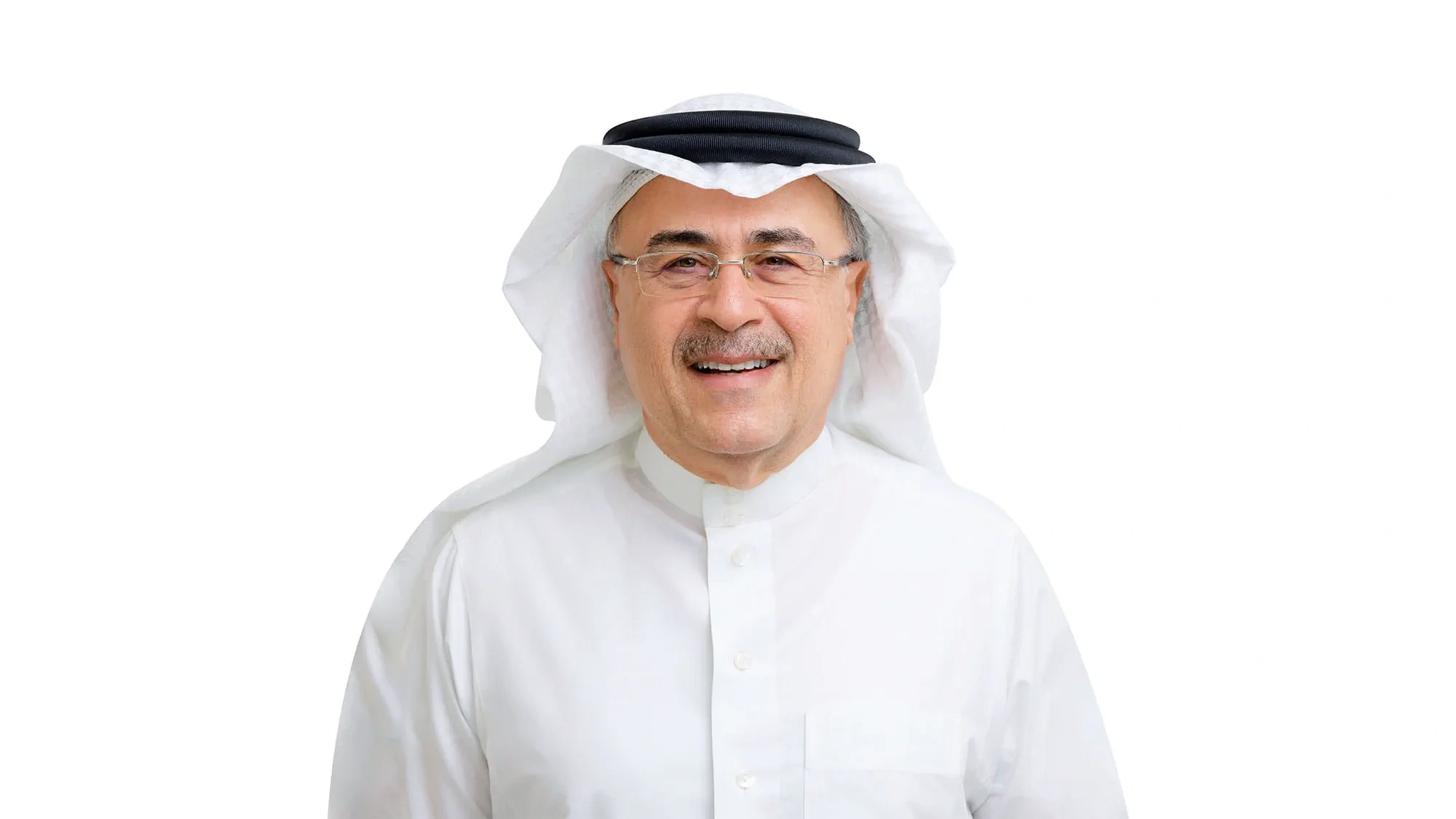
There are executives who run companies, and then there are those who quietly shape entire global systems. Amin H. Nasser belongs firmly to the latter category. As President and Chief Executive of Saudi Aramco, he occupies a position that extends far beyond corporate leadership. In practical terms, he sits at the nerve centre of the global oil market, overseeing an enterprise whose production capacity and financial strength give it a role often compared to a central bank for energy.
Nasser’s rise is not the story of an outsider parachuted into power, but of a deeply embedded insider who climbed steadily through the technical ranks. Born in 1958 in eastern Saudi Arabia, he trained as a petroleum engineer at King Fahd University of Petroleum and Minerals, a path that placed him directly inside the Kingdom’s most important industry. From his first role in 1982 within Aramco’s oil production division, he developed a reputation for methodical expertise, moving through drilling, reservoir management, and production engineering with a quiet persistence that would later define his leadership style.
Unlike many global executives, Nasser did not build his career through high profile deal making or public visibility. Instead, his authority grew from operational mastery. By the late 1990s, he was managing major producing departments, including Ras Tanura and Safaniya, some of the most critical assets in the global oil supply chain. His appointment as Senior Vice President of upstream operations in 2008 placed him in charge of exploration and production, effectively making him responsible for the core engine of the company’s output.
When he assumed the role of chief executive in 2015, Saudi Aramco was already a giant. What Nasser inherited, however, was not stability but a shifting landscape. Oil prices had become more volatile, geopolitical tensions were intensifying, and the long term future of fossil fuels was increasingly questioned. His response was neither defensive nor reactive. Instead, he pursued a dual strategy that has come to define his tenure: reinforce Aramco’s dominance in traditional energy while gradually engineering its evolution.
The most visible demonstration of his leadership came during the company’s historic initial public offering in 2019. Under Nasser, Aramco became the world’s most valuable listed company, a milestone that was as much about signalling as it was about finance. The IPO confirmed Aramco’s central role in global markets and reinforced the idea that, despite the rise of renewables, oil remained deeply embedded in the world economy.
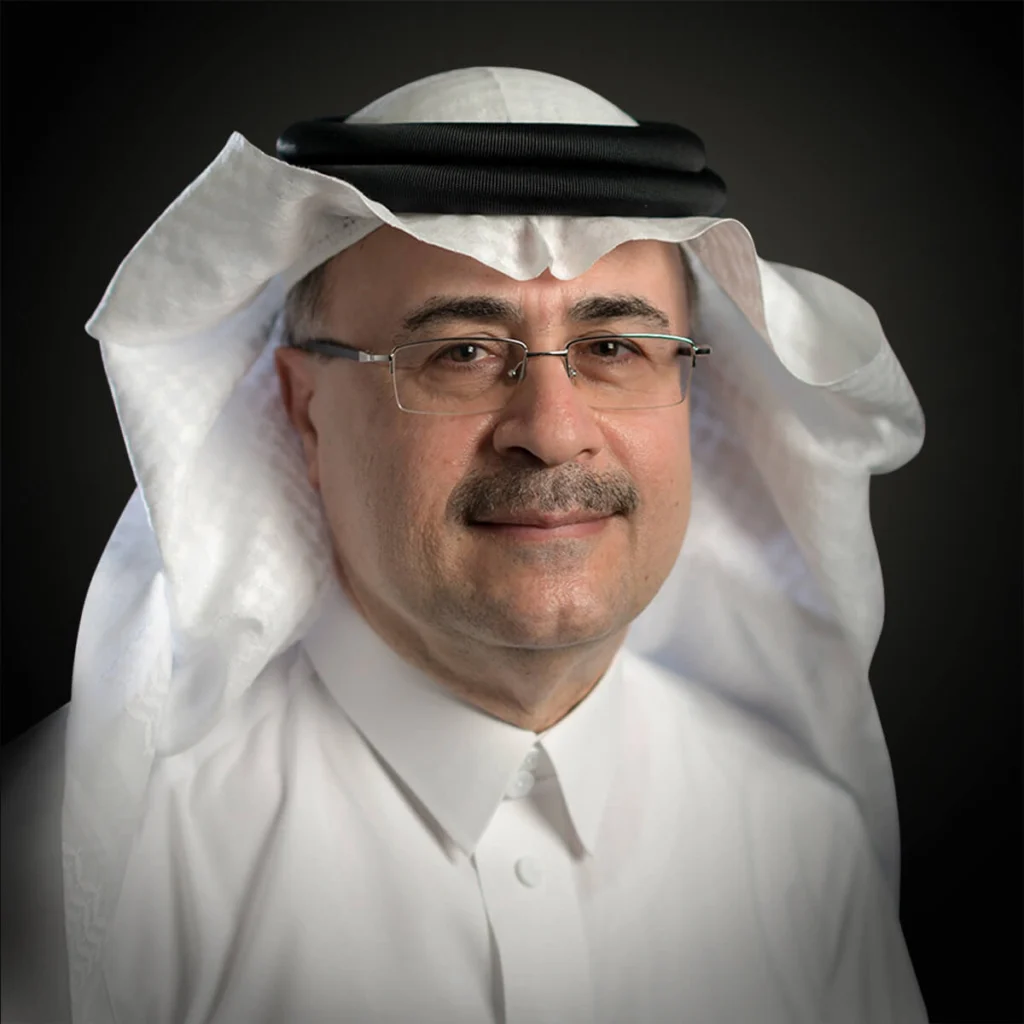
Yet Nasser’s influence is not limited to capital markets. His stewardship during crises has arguably been even more consequential. When attacks on Aramco facilities in 2019 disrupted a significant portion of Saudi oil production, the company restored operations in remarkably short order, reinforcing its reputation for resilience and operational discipline. This capacity to maintain stability under pressure is one reason Aramco is often described as the balancing force of the oil market.
In recent years, Nasser has become more vocal, though still measured, in his assessment of the global energy transition. He has consistently argued that the world cannot simply abandon hydrocarbons without risking economic disruption, warning that underinvestment in oil and gas could lead to severe supply shocks. His stance is not rooted in denial of change but in a pragmatic reading of demand. As global consumption continues to grow, he has positioned Aramco as both a supplier of last resort and a driver of technological adaptation.
This is where his current strategy becomes particularly significant. Under Nasser’s leadership, Aramco is investing heavily in what might be described as transitional energy technologies. Among these, blue hydrogen has emerged as a central pillar. By leveraging existing hydrocarbon resources while capturing carbon emissions, Aramco aims to produce cleaner fuels without abandoning its core strengths. This approach reflects Nasser’s broader philosophy: evolution rather than rupture.
Equally important is the company’s work on carbon neutral extraction technologies. These initiatives focus on reducing the emissions intensity of oil production itself, allowing Aramco to maintain output while addressing environmental concerns. In doing so, Nasser is attempting to reconcile two competing realities, the ongoing dependence of the global economy on oil and the growing imperative to reduce its environmental impact.
His leadership style plays a crucial role in this balancing act. Colleagues and observers frequently describe him as disciplined, detail oriented, and deeply committed to the organisation. He is known for maintaining close contact with operational teams, often visiting facilities and engaging directly with engineers and workers. This hands on approach, unusual for a chief executive of such a vast enterprise, reinforces a culture that prioritises execution over rhetoric.
At the same time, Nasser operates within a unique corporate and national context. Saudi Aramco is not merely a company; it is the financial backbone of Saudi Arabia. Its revenues underpin the Kingdom’s economic ambitions and long term development plans. This places Nasser in a position that blends corporate leadership with national stewardship. His role extends beyond producing and selling oil to ensuring the steady flow of revenue that sustains the state itself.
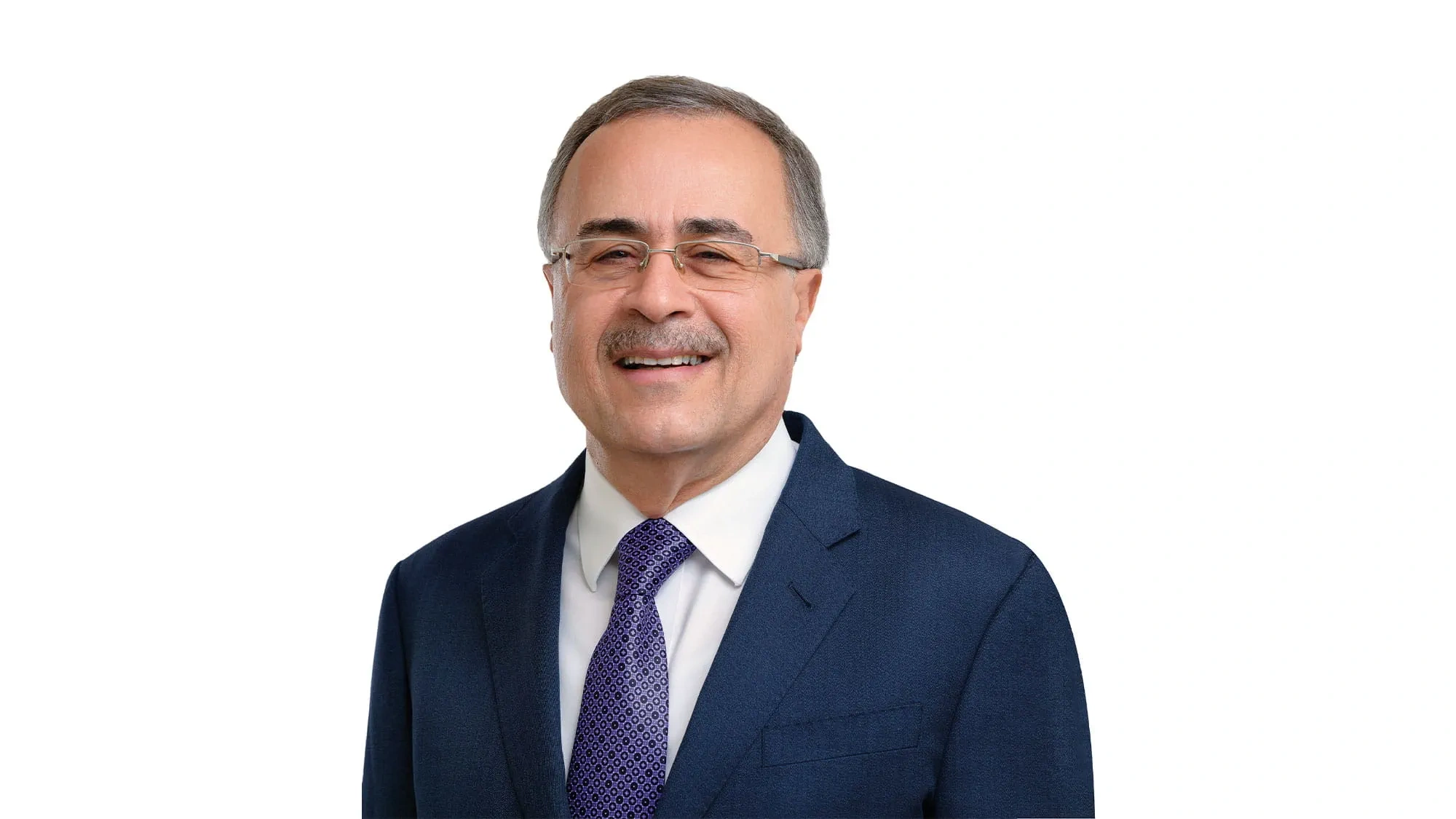
Despite this weight of responsibility, Nasser has maintained a relatively low personal profile. Unlike many global business leaders, he does not cultivate celebrity status. His influence is exercised through systems, infrastructure, and long term planning rather than public persona. This understated presence is, in many ways, part of his effectiveness. In an industry where volatility is constant, consistency becomes a form of power.
His reach also extends beyond Aramco. Nasser serves on international advisory boards and corporate boards, including roles that connect him to global finance and policy networks. These positions amplify his influence, allowing him to shape conversations about energy, investment, and economic stability at the highest levels.
What makes Nasser particularly significant in 2026 is the convergence of pressures he must navigate. The global energy system is undergoing a slow but undeniable transformation, driven by technological innovation, environmental concerns, and shifting geopolitical dynamics. At the same time, demand for oil remains robust, particularly in emerging economies. Managing this tension requires not only technical expertise but strategic patience.
Nasser’s approach suggests that he views the future of energy as plural rather than singular. Oil, gas, hydrogen, and renewables are not competing in a zero sum game but coexisting within a complex system. By investing in both traditional production and emerging technologies, he is positioning Aramco to remain central regardless of how that system evolves.
This perspective has led some to describe him as the most powerful individual in oil, not because of personal charisma or political influence, but because of the structural importance of the organisation he leads. Aramco’s scale, efficiency, and financial strength give it a unique ability to stabilise markets, influence prices, and shape investment patterns across the industry. In this context, Nasser’s decisions ripple far beyond the company itself, affecting economies and societies worldwide.
Ultimately, Amin Nasser represents a particular kind of leadership, one that is grounded in engineering discipline, shaped by institutional loyalty, and oriented towards long term continuity. He is not a revolutionary figure seeking to dismantle the existing energy order. Rather, he is a strategist working to adapt it, ensuring that it remains functional in a world that is changing faster than ever.
In an era defined by disruption, his steady hand offers a different model of power. It is quieter, less visible, but no less consequential. At the centre of the world’s energy system, Amin Nasser continues to guide one of its most critical institutions, balancing the demands of today with the uncertainties of tomorrow.