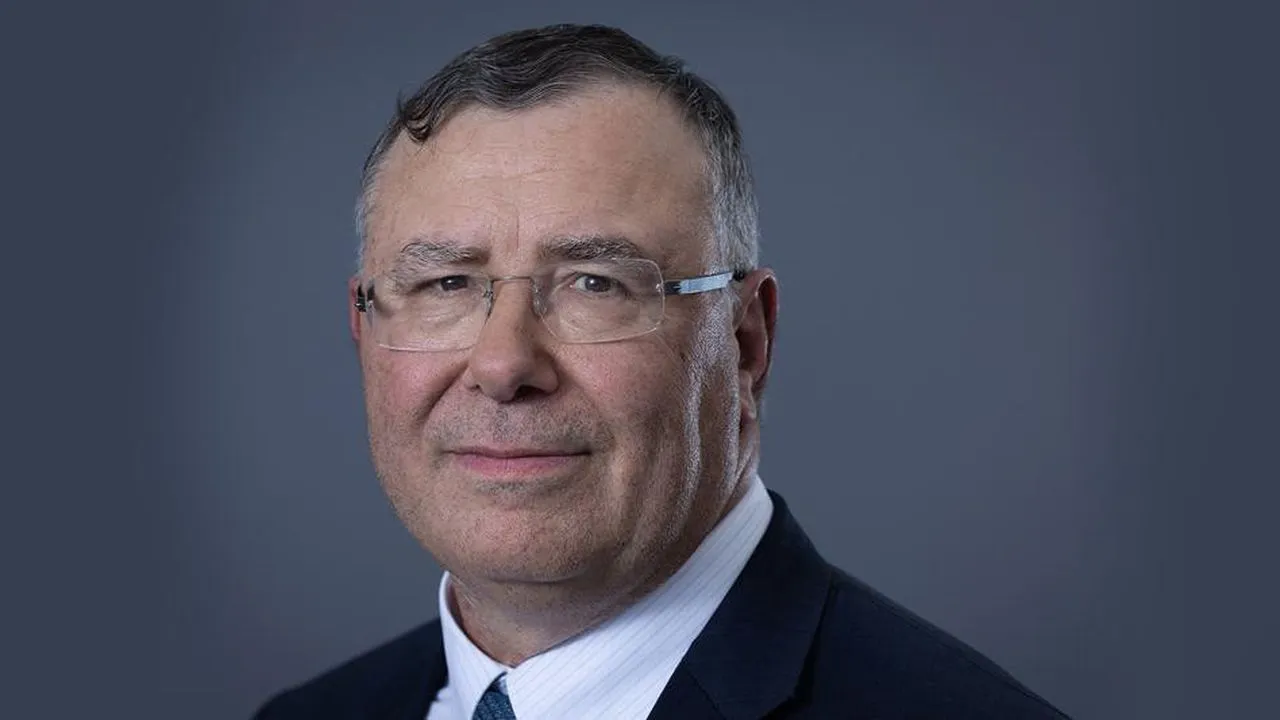
Timotheus Höttges
The Reinvention of Deutsche Telekom in a Connected World
By Michelle Clark
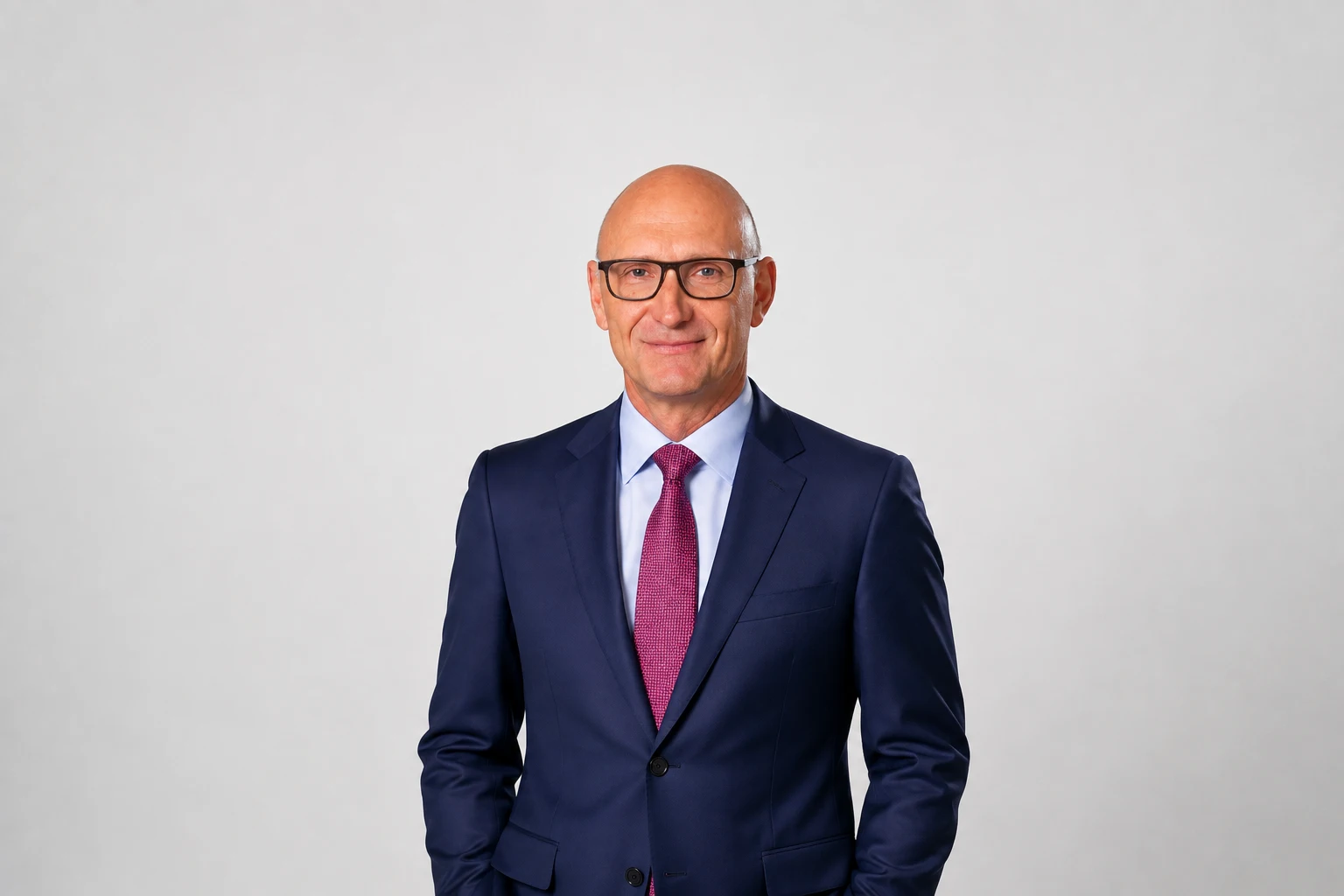
Few leaders in the European telecommunications industry have shaped the direction of a major company for as long as Timotheus Höttges has shaped Deutsche Telekom. Since January 2014, Höttges has served as Chairman of the Board of Management and Chief Executive Officer of Deutsche Telekom AG, guiding the company through a period in which telecommunications has evolved from a traditional utility business into the foundation of a deeply connected digital economy.
Höttges brings to the role an unusually deep understanding of the company. Before becoming CEO, he was a member of Deutsche Telekom’s Board of Management responsible for Finance and Controlling from 2009, following his responsibility for the T Home business from 2006 to 2009. This background gave him experience across both the operational and financial sides of the organisation. His leadership has consequently been shaped by an emphasis on performance, investment, discipline and long term strategic thinking.
Under Höttges, Deutsche Telekom has increasingly presented itself not simply as a telecommunications provider, but as a technology company with a powerful international footprint. The transformation has been particularly visible through the company’s relationship with its American business, T Mobile US. Höttges has repeatedly highlighted the strength created by operating across Europe and the United States, describing this international position as an important source of the group’s growth and resilience. His strategy has been to build scale while maintaining a strong position in the markets where Deutsche Telekom can compete most effectively.
The significance of this approach becomes clearer when considering how dramatically the communications industry has changed. Customers no longer think of connectivity as a separate service. Mobile networks, broadband, cloud computing, artificial intelligence, cybersecurity and digital platforms increasingly overlap. A modern telecommunications company must therefore invest not only in networks but also in the technologies and capabilities that make those networks useful. Höttges has led Deutsche Telekom through this changing environment while maintaining a strong focus on the fundamental importance of reliable connectivity.
One of his most notable leadership characteristics is his focus on consistency. Deutsche Telekom has emphasised the value of maintaining a clear strategy over several years rather than constantly changing direction in response to short term pressures. At the company’s 2026 Annual General Meeting, Höttges pointed to the stability of the company’s strategy as an important contributor to its success. Deutsche Telekom also proposed its highest dividend in the company’s history at one euro per share, reflecting the confidence surrounding its financial performance.

The financial results under his leadership have helped reinforce that confidence. At the 2026 Annual General Meeting, Höttges highlighted that Deutsche Telekom’s revenue for the previous financial year had grown by 4.2 percent organically to more than 119 billion euros, while adjusted EBITDA AL increased by 4.7 percent organically to more than 44.2 billion euros. The company also maintained its expectation of further growth during 2026.
These figures illustrate an important element of Höttges’s leadership philosophy. Growth is valuable, but sustainable growth is more important. Telecommunications requires enormous investment in infrastructure, spectrum, technology and people. A company that expands without maintaining financial discipline can quickly weaken its ability to invest in the next generation of services. Höttges has therefore combined an ambitious growth agenda with a strong emphasis on financial strength and operational execution.
His tenure has also coincided with a period of increasing geopolitical uncertainty. Telecommunications infrastructure is now closely connected to national security, economic competitiveness and technological sovereignty.
European governments are increasingly concerned about the continent’s ability to develop and protect critical digital infrastructure. Höttges has been outspoken about the regulatory environment in Europe, arguing that excessive fragmentation and detailed regulation can make it harder for European companies to achieve the scale necessary to compete internationally. At the 2026 Annual General Meeting, he argued that European sovereignty requires economies of scale and warned against continued micro regulation.
This position reveals another dimension of his leadership. Höttges does not view Deutsche Telekom solely through the lens of corporate performance. He increasingly places the company within a wider discussion about Europe’s technological future. Telecommunications networks provide the infrastructure through which businesses, governments and individuals participate in the digital economy. Decisions about investment, regulation and innovation can therefore have consequences far beyond the balance sheet of one corporation.
The company’s growing involvement in emerging technologies also reflects this broader perspective. Deutsche Telekom has been pursuing initiatives involving secure communications, advanced networks and digital infrastructure. In 2026, the company announced work connected with highly secure European communications infrastructure and quantum communication. Such projects demonstrate how telecommunications companies are becoming increasingly important participants in the development of future digital systems.
Höttges has also maintained an international outlook throughout his career. His recognition by the American Council on Germany in 2025 with the John J. McCloy Award reflected his contribution to strengthening transatlantic relations. The award placed him among figures recognised for work connected with the relationship between Germany and the United States, an area that has particular relevance to Deutsche Telekom because of its significant presence in the American market.
For Deutsche Telekom, continuity at the top has also been reinforced by the company’s decision to extend Höttges’s contract. In January 2025, the Supervisory Board extended his appointment ahead of schedule through the end of 2028. The decision underlined the board’s confidence in maintaining strategic continuity while also introducing changes elsewhere in the management structure.
The next stage of Höttges’s leadership will take place against an even more demanding technological backdrop. Artificial intelligence is changing how companies operate, while cybersecurity threats are becoming more sophisticated and demand for high speed connectivity continues to grow. At the same time, telecommunications companies face pressure to invest heavily while delivering attractive returns to shareholders. The challenge for Höttges will be to balance these competing demands without losing sight of the long term.
What makes his leadership particularly significant is the scale of the transformation that has taken place during his tenure. When he became CEO in 2014, the digital world was already expanding rapidly, but the importance of cloud services, artificial intelligence, advanced mobile networks and digital sovereignty was not yet as dominant as it is today. More than a decade later, Deutsche Telekom operates in an environment where connectivity is inseparable from technological competitiveness.
Timotheus Höttges therefore represents more than the long serving chief executive of one of Europe’s largest telecommunications companies. His career at Deutsche Telekom reflects the transformation of telecommunications itself. His strategy has centred on scale, investment, financial discipline and international strength, while his public positions increasingly connect the company’s future with Europe’s wider technological ambitions. With his appointment now extended through 2028, Höttges has several more years to shape that future.
The story of Timotheus Höttges is ultimately a story about continuity during extraordinary change. His leadership has sought to make Deutsche Telekom stronger not by abandoning its traditional role as a communications provider, but by expanding that role into the broader digital economy. As networks become more intelligent and technology becomes more central to economic and national security, the decisions made under his leadership are likely to influence not only the future of Deutsche Telekom but also the position of European telecommunications in the global technology landscape.