The Other Side of Artificial Intelligence
Is AI Dangerous or Not?
By Janhavi Gusani
Artificial intelligence has arrived in our lives with the charm of something that promises to make everything easier. It writes the email we cannot find the words for, summarises the report we do not have time to read, answers the question before we have finished asking it and turns hours of work into minutes. There is something almost magical about that convenience. Yet every convenience raises a quieter question: when technology becomes capable of doing more of the things that once required our effort, what exactly are we giving away in return?
The concern is not that asking AI to write an email will suddenly make someone less intelligent. It is what happens when the shortcut becomes the habit. We remember less when we no longer need to remember, research less when answers arrive instantly and struggle less when difficult problems can be handed over to a machine. Human abilities are not fixed objects. They are strengthened through use. Writing teaches us to organise thought; research teaches us to question what we find; solving a difficult problem teaches patience. If AI constantly removes that friction, we may save time while quietly losing practice.
We have seen smaller versions of this before. GPS made navigation easier but also made it possible to travel without ever really learning a route. Calculators reduced the need for mental arithmetic. Search engines changed the way we remember information. AI goes further because it does not merely retrieve something we need. It can interpret, formulate, create and reason on our behalf. The difference between using a tool and surrendering a skill can be almost invisible at first. A student who asks AI to explain a difficult concept may be learning. A student who asks it to write the entire answer may simply be avoiding the learning process.
That distinction matters because productivity is not always the same thing as progress. Some of the activities technology is designed to eliminate are precisely the activities through which people develop expertise. The junior writer learns by writing uninspired first drafts. The researcher learns by following imperfect leads. The designer learns by making mistakes. The analyst learns by wrestling with a spreadsheet that refuses to make sense. Remove every frustrating step and we may create a world in which everyone works faster but fewer people know how the work is actually done.
There is a similar paradox in our relationship with information. We have never had access to so much knowledge, yet abundance can make understanding harder rather than easier. AI can generate summaries, recommendations, images and explanations endlessly, but more information does not necessarily produce more wisdom.

If machines increasingly decide what is relevant, what is credible and what deserves our attention, we risk becoming consumers of conclusions rather than investigators of evidence. The question becomes not whether information is available, but whether we still know how to interrogate it.
And much of that machine intelligence begins with us. Human writing, images, research, conversations, behaviour and creative work have created an enormous digital record from which modern AI systems learn. That makes the exchange more complicated than the simple story of machines serving humans. We are feeding systems with pieces of human knowledge and culture while those systems become increasingly capable of producing work that resembles the contributions from which they learned. The debate over intellectual property is therefore also a debate about the value of human creativity and who benefits when it becomes raw material for automated production.
Privacy becomes equally difficult to define. A piece of information that appears harmless on its own can become revealing when combined with hundreds of other fragments. A photograph, a location, a search, a purchase or a sentence can tell a different story when machines are capable of finding patterns between them.
The concern is no longer only what we deliberately disclose. It is what can be inferred from what we have already left behind.
Then there is truth itself. Generative AI has made it remarkably easy to create convincing text, images, voices and video. A fabricated voice can sound like someone you know. A synthetic image can look like a photograph. A video can make an event appear to have happened when it never did. The danger is not limited to scams or individual pieces of misinformation. If people become aware that almost anything can be manufactured convincingly, they may eventually begin distrusting genuine evidence as well. A society where nothing can be trusted is vulnerable in a way that goes beyond any single false story.
The physical reality behind AI is perhaps even easier to overlook. We interact with artificial intelligence through screens, which makes it feel weightless. Behind those screens are data centres, processors, minerals, electricity, cooling systems and enormous amounts of infrastructure. The International Energy Agency’s latest analysis says global electricity demand from data centres grew 17% in 2025, while electricity consumption from AI-focused data centres grew even faster. Its current outlook projects overall data-centre electricity consumption to roughly double from 2025 to 2030, reaching around 950 terawatt-hours.
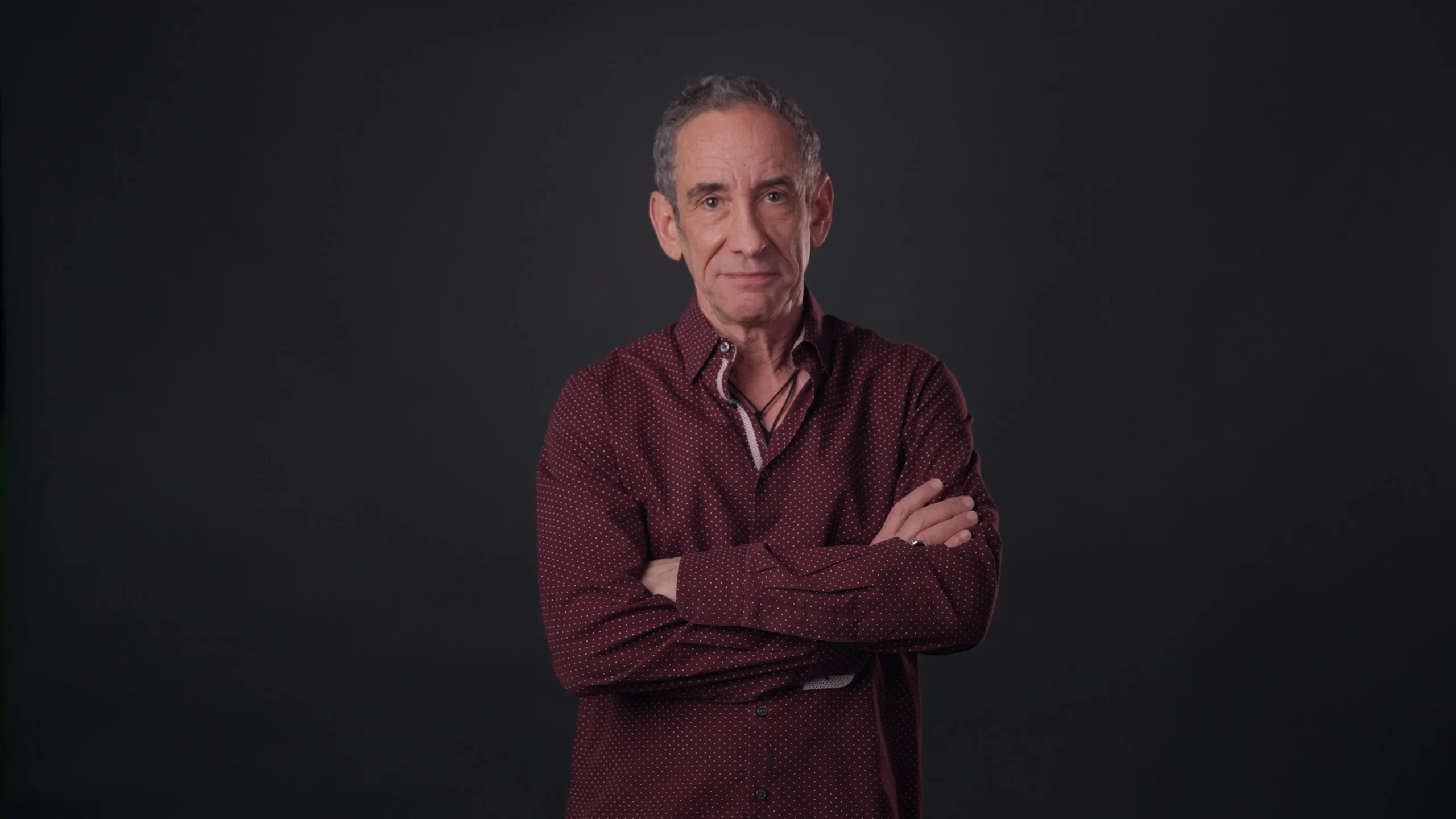
Douglas Rushkoff, the American writer and professor, argues that the consequences of AI should be judged by what it is doing now rather than only by what its proponents promise it could do in the future. “I think the easiest way for people to gauge the impact of AI is to look at its impact right now,” he says. For Rushkoff, that means examining the entire AI supply chain. “Slaves mine for the minerals, data centers destroy aquifers, business models destroy the value of IP,” he argues, pointing to costs that can disappear behind the promise of future technological benefits. His argument changes the frame of the debate. AI is not simply software sitting inside our phones and computers. It is also a physical system consuming resources, infrastructure and energy in the real world.
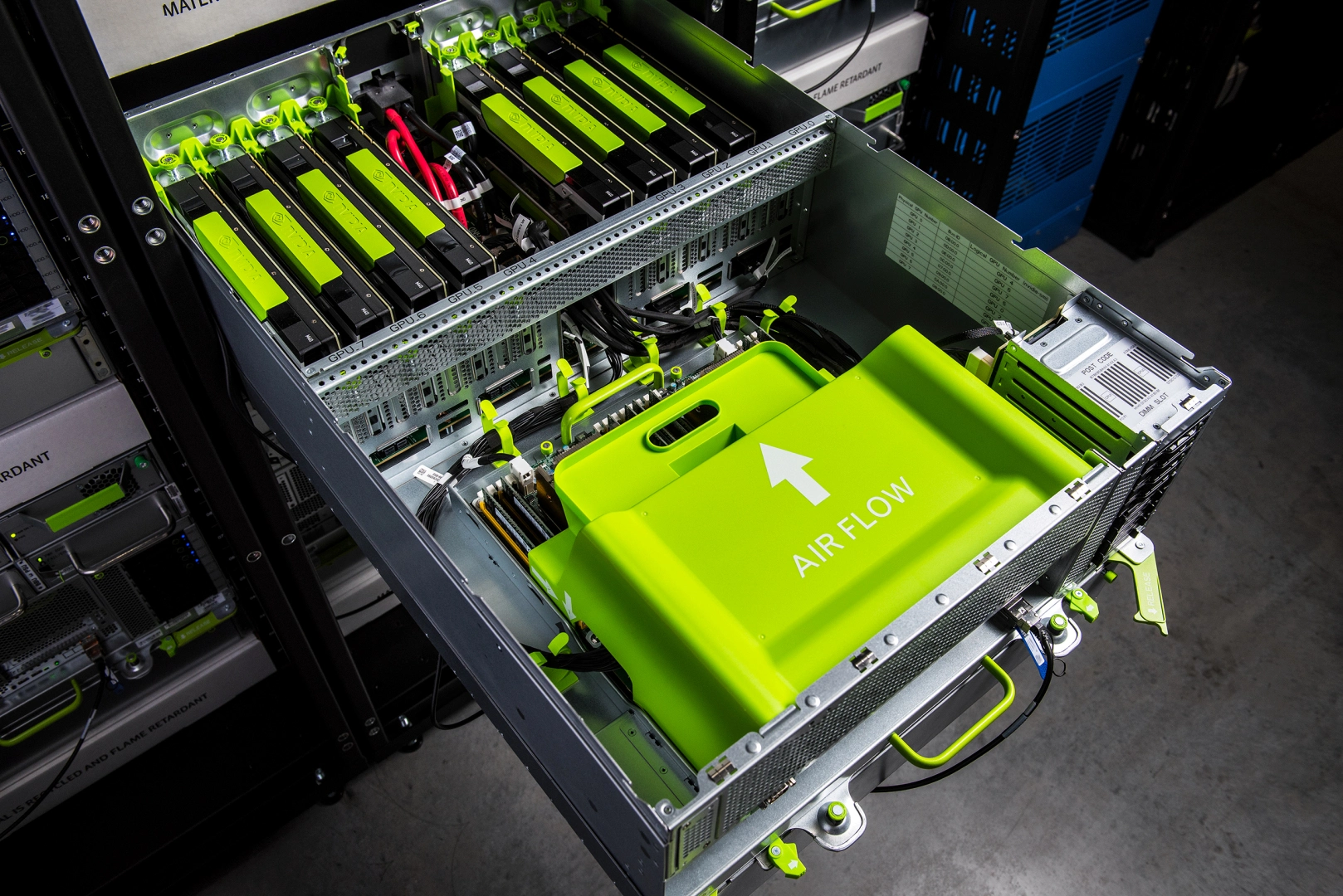
That environmental cost becomes more uncomfortable when placed alongside a changing climate and growing pressure on natural resources. The technology industry can speak endlessly about efficiency while the machines enabling that efficiency still require land, water, electricity and raw materials. Even the promise of AI helping humanity respond to environmental challenges cannot erase the need to ask what the technology itself consumes. Progress has always had an environmental footprint. AI is simply making that footprint harder to ignore.
There is also the question of who gets to control this increasingly powerful infrastructure. Advanced AI requires enormous computing resources, specialised chips, data and capital. As those requirements rise, technological capability can become concentrated among a relatively small group of companies and institutions. A technology often presented as democratising access to knowledge could therefore create new concentrations of economic and technological power. The more dependent businesses, governments and individuals become on these systems, the more important it becomes to ask who builds them, who controls them and who is accountable when they fail.
NVIDIA CEO Jensen Huang has approached AI safety from an engineering perspective, arguing that the technology must be tested rather than rushed into public use simply because development is moving quickly. “Safety is an engineering problem. Testing is an engineering problem,” Huang said. “We should create products and properly test them. And if they’re not ready to be released, just hold on to it and keep testing it and keep engineering until it’s ready.” In an industry moving at extraordinary speed, that principle matters. Innovation does not remove the responsibility to understand what is being released into the world.
Perhaps the deepest question, however, is not technological at all. It is cultural. Every generation adopts tools that reshape the way it thinks and works, but AI is entering territories that were once considered distinctly human: writing, reasoning, remembering, researching, creating and deciding. Its success cannot therefore be measured only by how much work it removes from our lives. We also have to ask what happens when the removal becomes permanent.
AI can undoubtedly expand human capability. It can accelerate research, improve accessibility, support complex analysis and give people tools they could never have accessed before. The question is not whether artificial intelligence should exist. It is where assistance ends and surrender begins.
A machine that helps us think can be extraordinary. A machine that gradually makes us less willing to think for ourselves is something else. The difference will rarely appear in one dramatic moment. It will emerge through thousands of small choices: the answer we did not research, the paragraph we did not write, the route we did not learn, the image we did not create, the decision we allowed a system to make.
The future of AI will therefore not be defined only by how intelligent machines become. It will also be defined by what humanity chooses to retain: our ability to question, create, remember, investigate and make difficult decisions; our privacy; our creative value; our natural resources; and our willingness to remain accountable for the technologies we build.
The real question surrounding artificial intelligence is no longer simply what machines can do for humanity. It is what humanity is willing to stop doing for itself.