Environmental Cost Behind the Code
By Janhavi Gusani
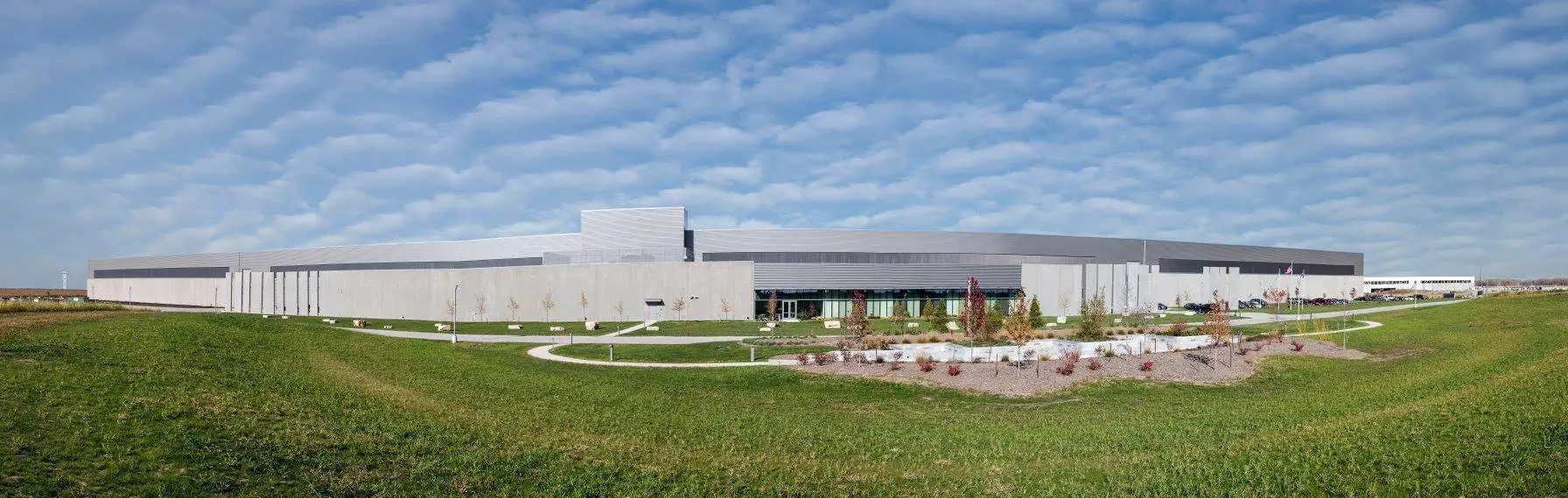
Artificial intelligence may appear immaterial, yet behind every algorithm lies an expanding physical infrastructure powered by electricity, cooled by water and built from finite resources, raising urgent questions about energy security, critical minerals, climate resilience and the true environmental cost of the digital age.
Artificial intelligence is often described as a digital revolution, a technology that exists largely in the invisible space between a question and an answer. But AI is not weightless. Behind every generated image, automated task, complex model and instant response is a physical infrastructure consuming electricity, water, minerals, land and hardware. The faster artificial intelligence expands, the larger that physical footprint becomes. What appears on a screen as effortless technology is supported by an increasingly resource-intensive industrial system.
The scale of that expansion is becoming difficult to ignore. The International Energy Agency estimates that electricity consumption from data centres was around 415 terawatt-hours in 2024 and could roughly double to around 950 terawatt-hours by 2030. AI-focused data centres are expanding particularly quickly, with their electricity consumption growing substantially faster than that of conventional data-centre facilities. The issue is therefore not simply how efficient an individual AI query becomes, but the sheer scale of demand created when billions of queries, increasingly sophisticated models and energy-intensive applications operate continuously across the world.
Efficiency may improve, but efficiency alone does not guarantee a smaller environmental footprint. AI is becoming more efficient at the same time that more people are using it and new applications are becoming more demanding. Video generation, advanced reasoning and autonomous systems can require considerably more computing power than a simple text interaction. A machine may become more efficient per task while the number and complexity of tasks increase faster, creating a larger overall demand for energy.
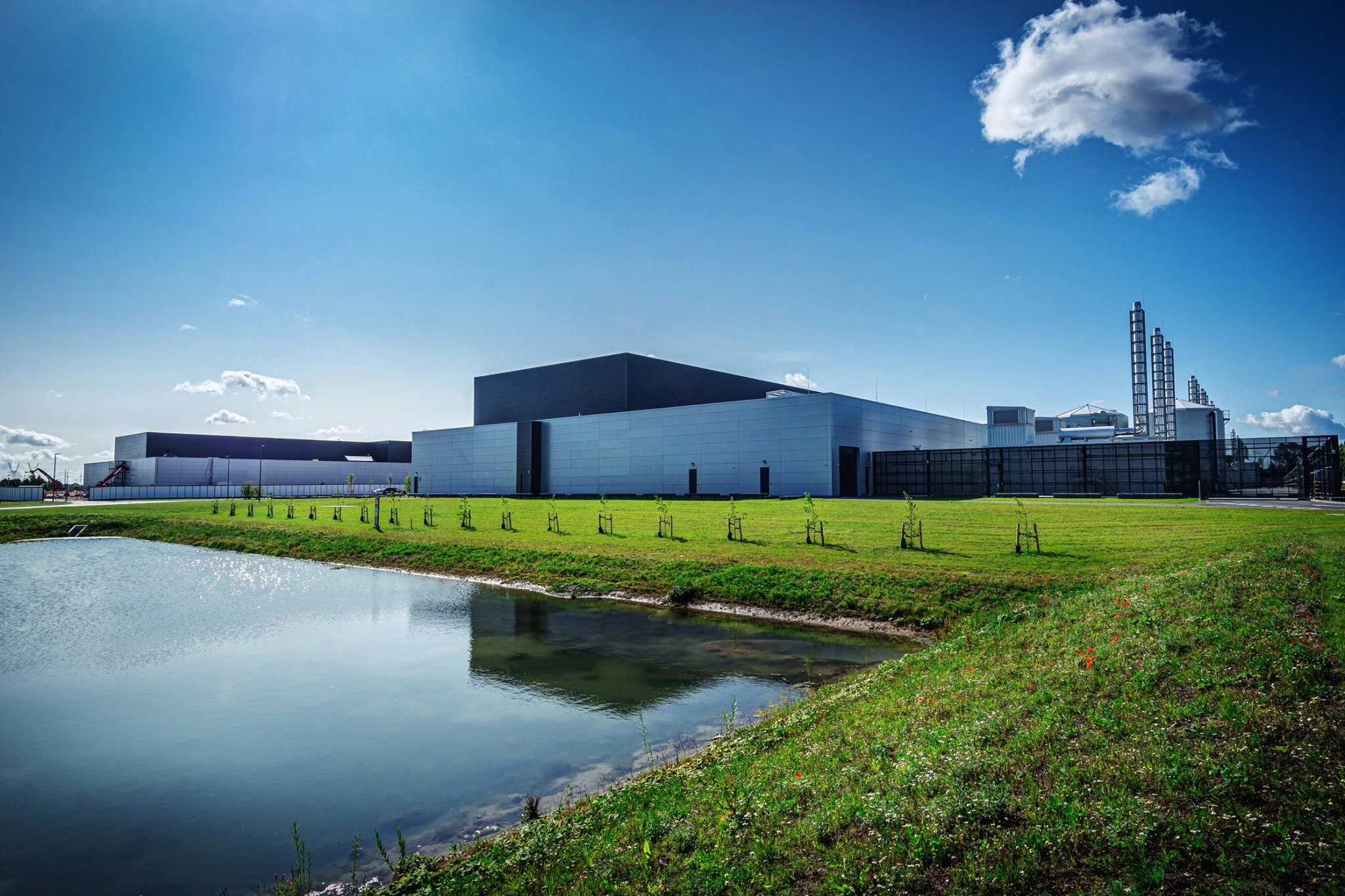
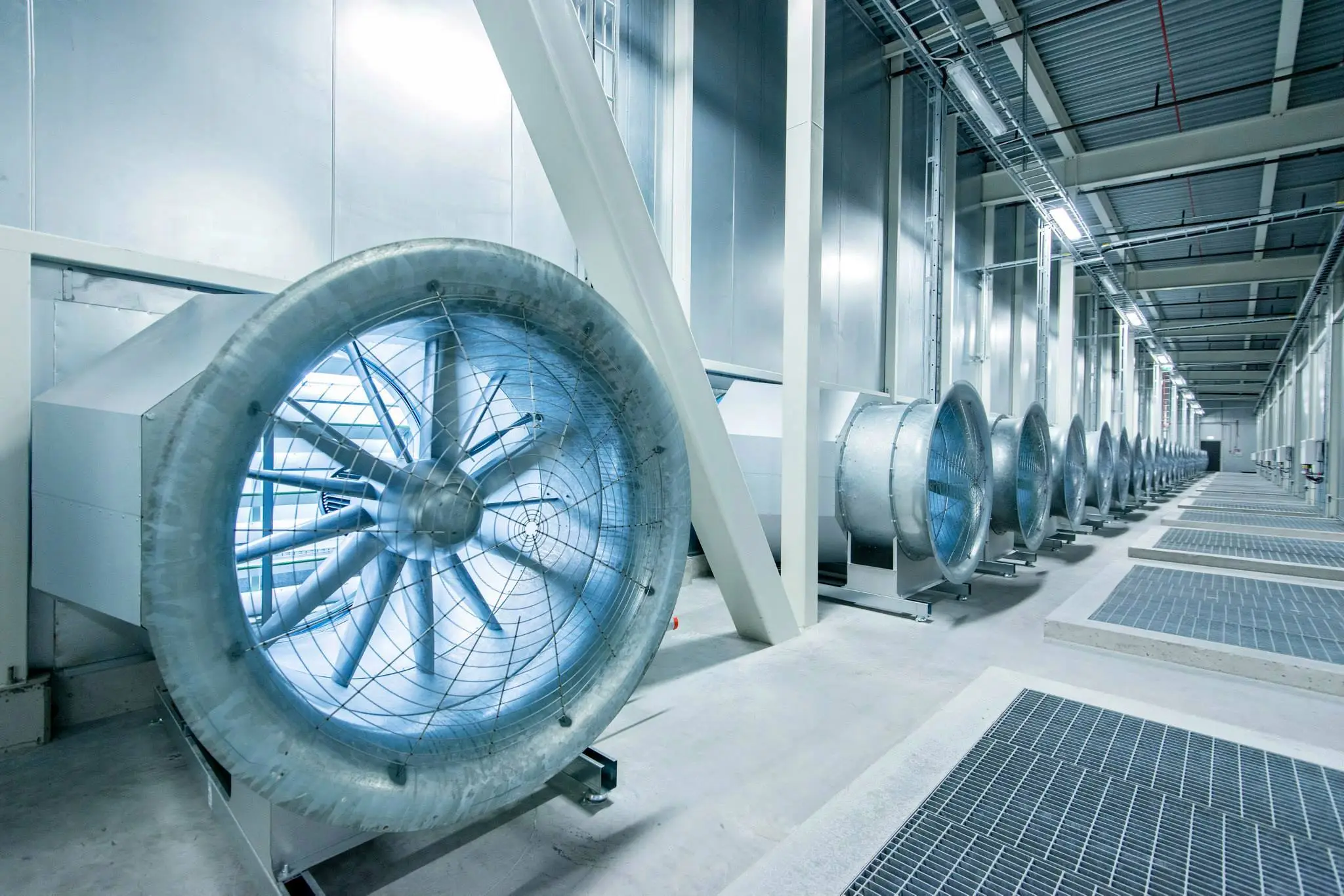
Water is another part of the AI story that remains largely invisible to the person sitting in front of a screen. Data centres generate enormous amounts of heat and may depend on water-based cooling systems, with consumption varying according to technology, climate and location. This becomes particularly significant when facilities are built in regions already experiencing water stress.

The United Nations Environment Programme has highlighted the growing environmental implications of data-centre water consumption and the importance of designing infrastructure around local resource conditions.
The contradiction is striking. The world is facing increasing pressure on water security, extreme heat and climate resilience, while one of the fastest-growing technological industries requires substantial amounts of water and electricity to expand. The question is therefore not simply whether an individual data centre can operate efficiently. It is whether the locations chosen for future AI infrastructure have enough resources to sustain that growth without transferring the environmental cost to communities and ecosystems.
Then there are the materials required to build the machines themselves. AI depends on advanced semiconductors, servers, networking equipment, cooling infrastructure and power systems. Their production requires metals and minerals including copper, aluminium, silicon and other critical materials. The IEA has identified critical-mineral supply chains as an increasingly important consideration for data-centre expansion, particularly as demand for digital infrastructure grows alongside demand from renewable energy, electric vehicles and other technologies.
This introduces another uncomfortable possibility: the digital future may increasingly compete for the same finite resources required elsewhere. Copper is needed for electrical infrastructure. Critical minerals are essential to batteries and renewable-energy technologies. Aluminium and other industrial materials are embedded throughout modern infrastructure. If AI expands rapidly without sufficient attention to resource efficiency, recycling and longer hardware lifespans, competition for these materials could become another pressure point in the global transition toward a more electrified economy.
The environmental cost does not end when a chip or server reaches a data centre. Hardware has to be manufactured, transported, powered, cooled, replaced and eventually discarded. Rapid technological development can shorten the useful lifespan of equipment as companies pursue newer and more powerful computing systems. This makes electronic waste another part of the AI equation. The more aggressively infrastructure expands, the more important it becomes to ask what happens to yesterday’s hardware when tomorrow’s systems demand something more powerful.
There is also the question of emissions. Data centres do not all use the same electricity mix, so their carbon footprint varies significantly according to location and energy source. Yet the IEA expects data-centre emissions from electricity consumption to increase through the decade in its base case, even as other parts of the global economy attempt to decarbonise. The concern is therefore not that AI alone will determine the future of the climate, but that a rapidly expanding source of electricity demand is emerging while the world is already struggling to reduce emissions and strengthen energy resilience.
That concern becomes more complicated when viewed alongside El Niño. AI does not cause or trigger El Niño. The phenomenon is driven by changes in ocean-atmosphere circulation across the tropical Pacific. But El Niño can intensify heat, alter rainfall patterns and place additional pressure on electricity and water systems. The IEA has warned that a stronger El Niño can increase electricity demand through greater cooling requirements while affecting hydropower and wind generation in some regions.
The connection is therefore one of vulnerability rather than direct causation. AI requires more electricity. Extreme heat can require more electricity for cooling. Drought can put pressure on water supplies and hydropower. Reduced hydropower can increase reliance on other energy sources. Meanwhile, data centres require reliable power and, depending on their cooling systems, significant water resources. Climate volatility and technological expansion can consequently place additional pressure on some of the same systems.
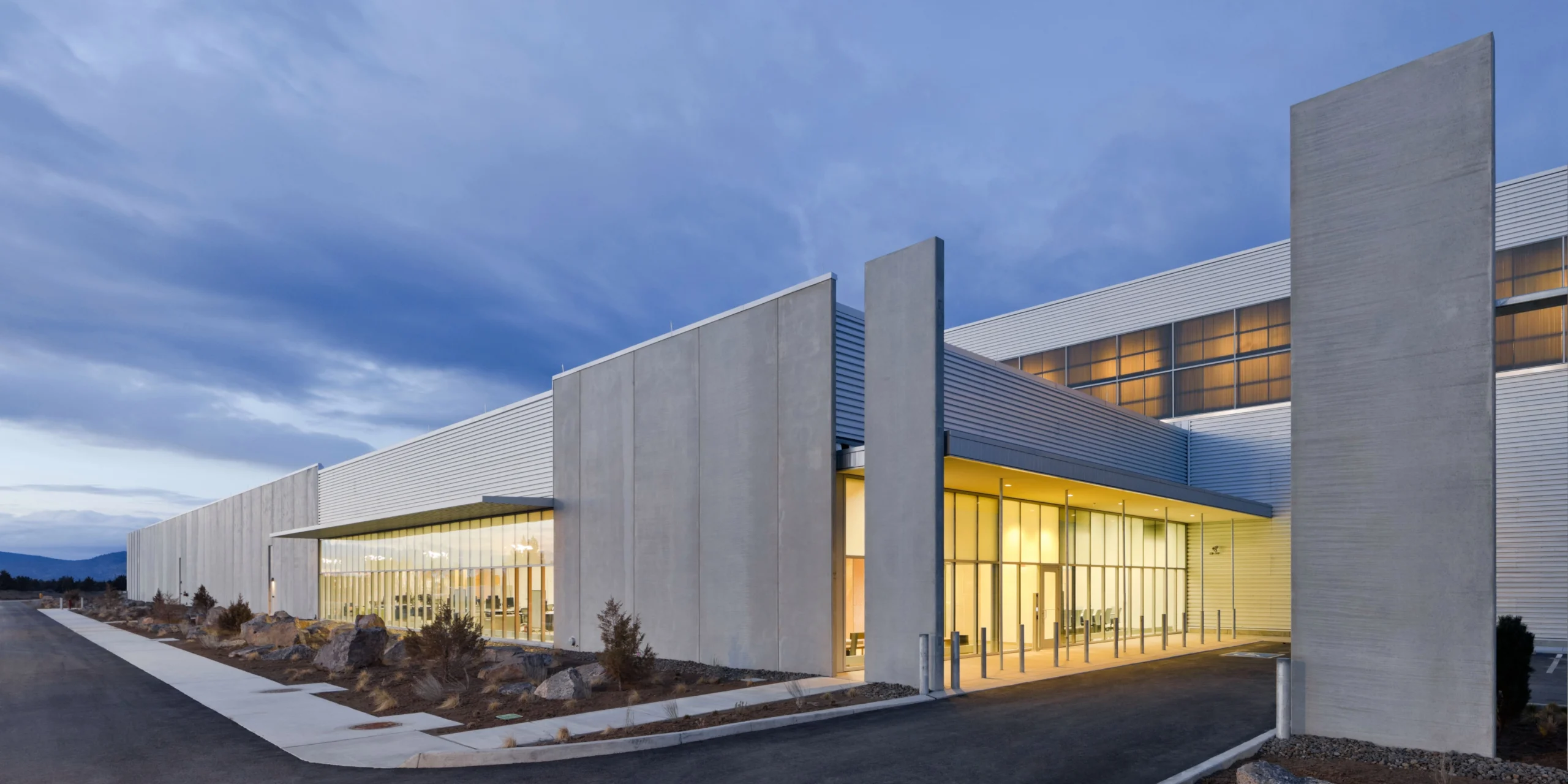
This is where the environmental debate surrounding AI becomes larger than carbon emissions alone. It becomes a question of resource security. How much water is available? Where will the electricity come from? Which minerals are being extracted to build the infrastructure? How long will the hardware remain useful? What happens to it when it becomes obsolete? And are new data centres being built in places that can realistically absorb their resource demands?
AI may also become part of the solution. It can improve weather forecasting, optimise electricity grids, monitor ecosystems, improve industrial efficiency and assist scientific research. Those possibilities are significant. But the potential for AI to help address environmental challenges does not erase the environmental footprint of the infrastructure required to operate it.
The deeper issue is whether technological progress can continue to be measured simply by computational power. There is no limitless computing system on a finite planet. Every additional server requires materials. Every model requires energy. Every data centre occupies land and interacts with a local water and electricity system. Every discarded machine eventually becomes waste.
As AI becomes more powerful, the resources required to sustain it could become a strategic concern alongside energy, water and critical-mineral security. The technology may be digital, but its consequences are profoundly physical.
The future of artificial intelligence will therefore depend on more than how intelligent our machines become. It will depend on whether there is enough water to cool them, enough electricity to power them, enough material to build them and enough environmental resilience to absorb their expansion.
In building a future that is increasingly intelligent, are we consuming the natural resources that future generations will need to live?