The Fog of War Economy
Energy shocks, fragile supply chains, and strategic uncertainty are reshaping global resilience in 2026
By Rizwan Zulfiqar Bhutta
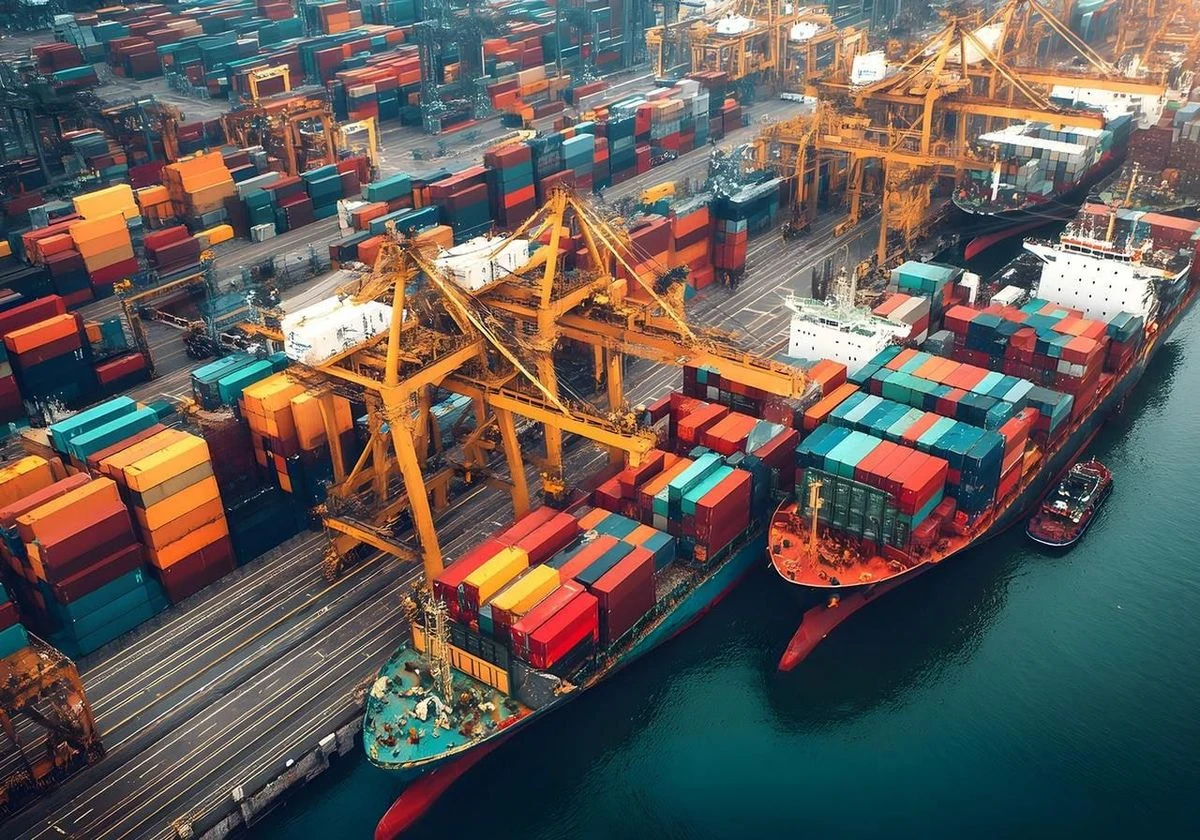
In April 2026, the global economy finds itself navigating a landscape defined less by clear signals and more by uncertainty, distortion, and risk. The aftermath of escalating tensions and conflict across the Middle East has not only disrupted energy flows but has fundamentally altered the mechanics of global trade, pricing, and monetary policy. While a fragile ceasefire has offered a momentary sense of relief, it has done little to resolve the deeper structural imbalances now embedded in the system. Oil and gas prices remain elevated, hovering between thirty and forty percent above pre war levels, and the ripple effects are being felt far beyond the energy sector. What has emerged is a new economic condition best described as the Fog of War Economy, where decision making is constrained by incomplete information, volatile inputs, and the constant threat of renewed disruption.
This environment has turned April into a decisive moment for central banks. Policymakers are caught between competing imperatives that are increasingly difficult to reconcile. On one side lies inflation, still fueled by high energy costs and supply chain inefficiencies. On the other lies growth, which is showing signs of fragility in key regions, particularly in Europe and parts of Asia. The traditional tools of monetary policy appear less effective in this context, as interest rate adjustments cannot directly address supply side shocks rooted in geopolitics. The result is a growing sense that central banks are operating with limited visibility, forced to make high stakes decisions in an environment where the underlying variables remain unstable.
At the core of this instability is what economists are calling the Triple Deficit, a convergence of fiscal strain, current account imbalances, and energy dependency. Governments that expanded spending during previous crises are now facing rising borrowing costs, even as they attempt to shield households and industries from the impact of higher energy prices. At the same time, countries reliant on imported fuel are seeing their trade balances deteriorate, as elevated prices increase the cost of essential imports. This combination is particularly acute in emerging markets and energy dependent economies in Europe, where the margin for policy error is rapidly shrinking.
The contrast between resilience and vulnerability has become one of the defining narratives of this period. The United States, supported by domestic energy production and a relatively insulated supply chain, has demonstrated a degree of economic stability that has surprised many observers. Consumer demand remains steady, and corporate balance sheets, while under pressure, have not yet reached a breaking point. This resilience is not absolute, but it highlights the advantages of structural factors such as energy independence and diversified industrial capacity.
In Europe, the picture is markedly different. Energy intensive sectors, including manufacturing, chemicals, and heavy industry, are facing a sustained period of margin compression. Companies that once operated with predictable input costs are now grappling with volatility that makes long term planning exceptionally difficult. For many firms, the issue is not just higher prices, but unpredictability. Contracts negotiated under one set of assumptions quickly become unviable as energy costs fluctuate, forcing businesses to absorb losses or pass them on to consumers. Neither option is sustainable indefinitely.
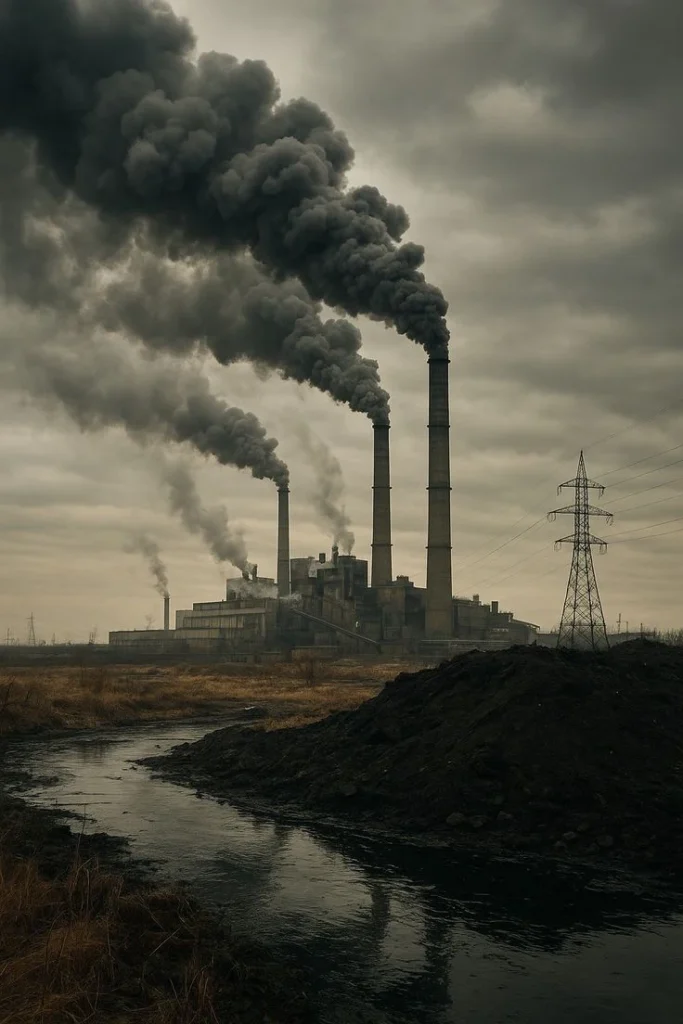

Asia presents a similarly complex landscape. Export driven economies are contending with both higher input costs and weaker external demand, as global growth slows under the weight of uncertainty. Countries that rely heavily on imported energy are particularly exposed, facing a dual challenge of maintaining industrial output while managing currency pressures linked to widening trade deficits. The interplay between these factors is creating a fragile equilibrium, one that could be disrupted by even minor shifts in geopolitical conditions.
Amid this uncertainty, the risk of a wave of corporate insolvencies is becoming increasingly tangible. As summer approaches, companies operating on thin margins may find themselves unable to absorb continued cost pressures. Small and medium sized enterprises are especially vulnerable, lacking the financial buffers and hedging capabilities of larger corporations. The consequences of widespread insolvencies would extend beyond individual firms, affecting employment, credit markets, and overall economic stability. What begins as a sector specific strain could quickly evolve into a broader systemic issue.
The response to this environment has been a fundamental shift in how businesses and governments think about supply chains. For decades, the dominant model was built around efficiency, minimizing inventory and optimizing logistics to reduce costs. This Just in Time approach relied on the assumption that global trade would remain stable and predictable. That assumption no longer holds. In its place, a new paradigm is emerging, one that prioritizes resilience over efficiency.
Just in Case logistics is not simply a tactical adjustment but a strategic transformation. Companies are increasing inventory levels, diversifying suppliers, and investing in redundancy across their operations. These measures come at a cost, raising expenses and tying up capital that could otherwise be deployed elsewhere. However, in an environment defined by disruption, the cost of preparedness is increasingly seen as a necessary investment rather than an optional expense.
The shift reflects a broader recognition that reliability has become as important as efficiency in determining competitiveness.
Energy security has become a central pillar of this new approach. Governments are rethinking their energy strategies, seeking to reduce dependence on volatile external sources and build more stable domestic capacity. This includes accelerating investments in renewable energy, expanding storage capabilities, and securing long term supply agreements with trusted partners. These initiatives are capital intensive and time consuming, but they are being driven by a clear imperative. In a Fog of War Economy, access to reliable energy is not just an economic concern but a strategic necessity.
The financial implications of this shift are significant. Ensuring energy security requires substantial upfront investment, which in turn places additional pressure on public finances already strained by the Triple Deficit. At the same time, higher costs are being passed through to businesses and consumers, contributing to persistent inflationary pressures. This creates a feedback loop in which efforts to enhance resilience can, in the short term, exacerbate the very challenges they are intended to mitigate.
Markets are reflecting this complexity. Volatility has become a defining feature, as investors attempt to price in risks that are difficult to quantify. Energy markets remain particularly sensitive to geopolitical developments, with prices reacting sharply to even minor changes in the security landscape. Equity markets are showing increasing divergence, with companies exposed to energy costs and supply chain disruptions underperforming those that are more insulated. Credit markets, meanwhile, are beginning to signal rising concern about corporate solvency, particularly in sectors facing sustained margin pressure.
As policymakers grapple with these challenges, the limits of traditional frameworks are becoming evident. The Fog of War Economy requires a different kind of thinking, one that accounts for uncertainty and prioritizes adaptability. This may involve reexamining the balance between monetary and fiscal policy, exploring new mechanisms for managing supply side shocks, and strengthening international cooperation to address shared vulnerabilities. It also requires a willingness to accept that some degree of volatility is inevitable in a world where geopolitical risks are more pronounced.
The interplay between resilience and vulnerability will continue to shape the trajectory of the global economy in the months ahead. Regions and industries that can adapt to the new environment, investing in flexibility and securing access to critical resources, will be better positioned to weather the storm. Those that remain exposed to external shocks without adequate safeguards may find themselves increasingly at risk. The divide is not fixed, but it is becoming more apparent with each passing quarter.
Looking forward, the path to stability is likely to be uneven. The current ceasefire may hold, providing a window for adjustment and recovery, or it may give way to renewed tensions that deepen the existing challenges. In either scenario, the lessons of the past months are unlikely to be forgotten. The experience of navigating a Fog of War Economy has underscored the importance of preparedness, diversification, and strategic foresight.
Ultimately, this moment represents a turning point in how the global economy is structured and managed. The era of seamless globalization, defined by efficiency and predictability, is giving way to a more complex reality in which risk must be actively managed and resilience deliberately built. Energy, once taken for granted in many parts of the world, has reemerged as a central determinant of economic performance. Supply chains, once optimized for cost, are being redesigned for security. And policymakers, once guided by relatively stable models, are being forced to operate in conditions that demand constant reassessment.
The Fog of War Economy is not a temporary phase but a reflection of deeper shifts in the global order. It challenges assumptions, exposes vulnerabilities, and compels adaptation. In doing so, it also creates opportunities for those able to navigate its complexities with clarity and purpose. The question facing governments, businesses, and investors alike is not whether uncertainty will persist, but how effectively they can respond to it. In a world where visibility is limited and risks are elevated, resilience is no longer a defensive strategy. It is the foundation of growth.