Patrick Pouyanné
The Executive Rewriting the Identity of a Modern Energy Giant
By Afef Yousfi
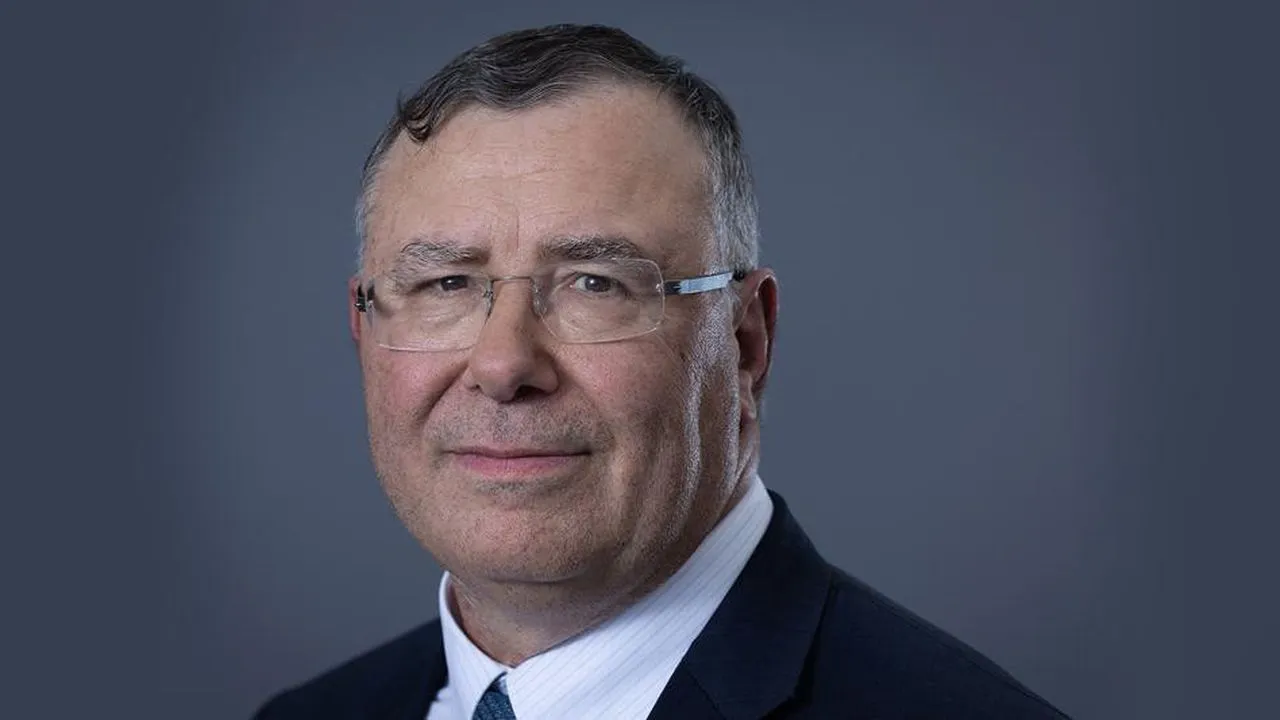
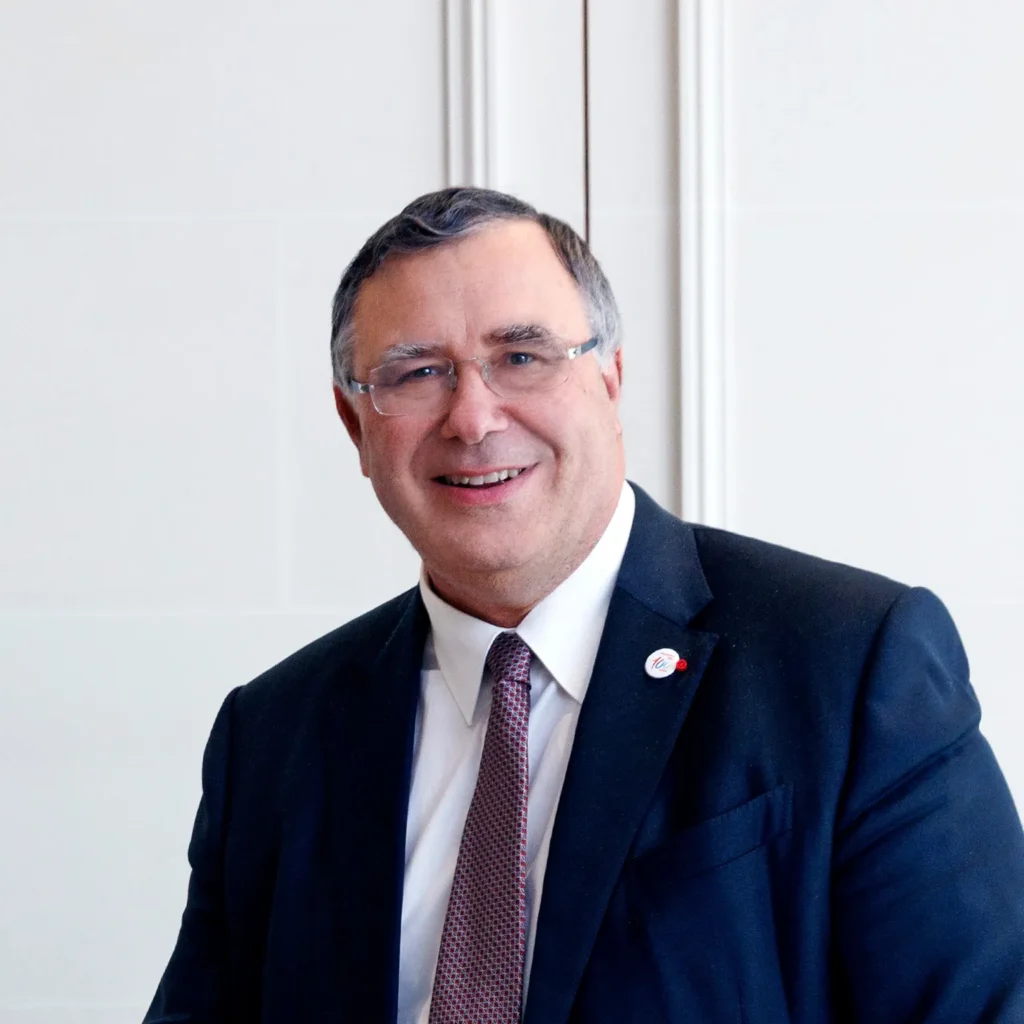
Patrick Pouyanné has distinguished himself as a leader willing to redefine not only strategy but identity itself. As Chairman and Chief Executive of TotalEnergies, he has overseen one of the most deliberate transformations among the global energy majors, steering a legacy oil company into a broader, more complex energy enterprise without abandoning the foundations that made it powerful in the first place.
Pouyanné’s rise to the top of the energy world did not follow the traditional path of a petroleum executive. Educated at École Polytechnique and École des Mines, two of France’s most prestigious institutions, he began his career in public administration, serving in various government roles. This early exposure to policy, regulation, and national economic planning shaped a perspective that continues to define his leadership.
Unlike many of his peers, Pouyanné approaches energy not only as a commodity business but as a system deeply intertwined with state interests, infrastructure, and long term societal needs. When he joined Total in 1997, he entered a company still largely defined by its upstream oil operations.
Over the following years, he moved through a range of roles spanning refining, chemicals, and exploration. This breadth of experience proved critical. By the time he assumed the role of chief executive in 2014, he had developed a comprehensive understanding of the company’s entire value chain, from extraction to end use. This holistic view would later underpin his efforts to reshape the organisation.
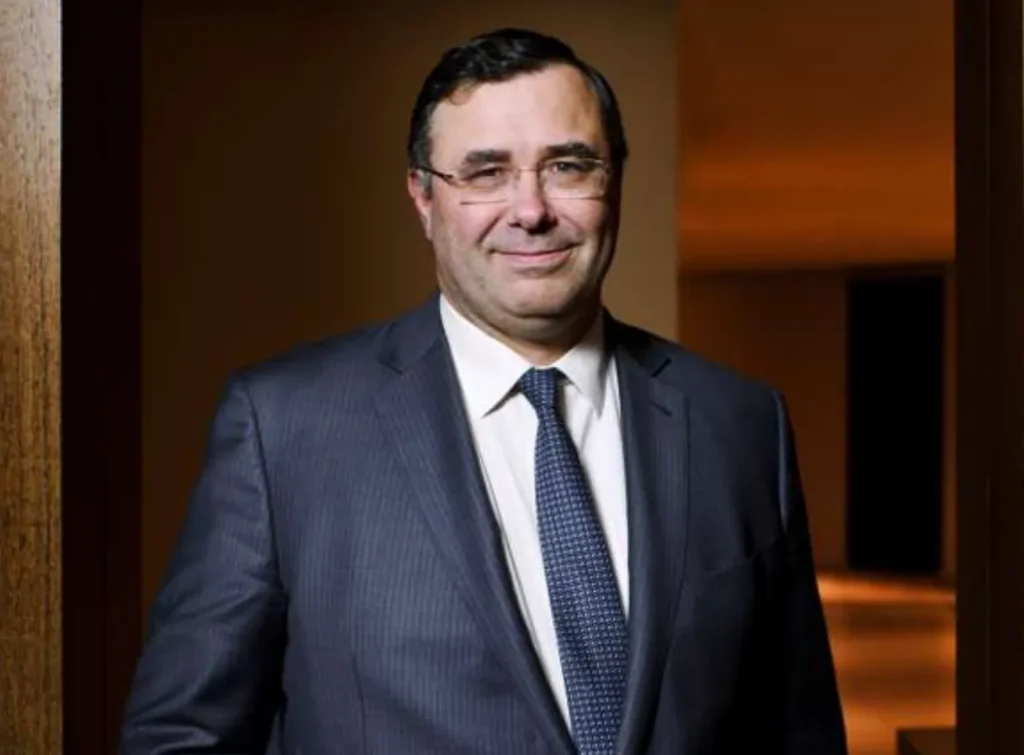
His early tenure was marked by adversity. The collapse in oil prices shortly after he took charge forced immediate action. Pouyanné responded with a focus on cost reduction, efficiency, and capital discipline. These measures stabilised the company and restored investor confidence, but they also revealed something deeper about his approach. He was not a leader driven by ideology or fashion, but by a pragmatic assessment of conditions and a willingness to act decisively when required.
It was this pragmatism that laid the groundwork for his most ambitious move, the transformation of Total into TotalEnergies. Announced in 2021, the rebranding was more than symbolic. It signalled a fundamental shift in how the company viewed itself and its future. Rather than remaining a traditional oil and gas producer, it would evolve into a multi energy company, integrating hydrocarbons with electricity, renewables, and low carbon technologies.
This transition was not without risk. Rebranding a company of such scale involves more than changing a name. It requires aligning strategy, investment, culture, and public perception. Pouyanné approached this challenge with characteristic clarity. He framed the transition not as a rejection of oil and gas but as an expansion of capabilities. Hydrocarbons would remain central, but they would be complemented by growing investments in solar, wind, and electricity distribution.
Under his leadership, TotalEnergies has built one of the most significant renewable portfolios among the traditional majors. The company has invested heavily in solar projects across multiple continents and has become a major player in offshore wind.
These initiatives are part of a broader effort to establish a strong presence in electricity markets, recognising that the future of energy will increasingly revolve around electrons as well as molecules.
At the same time, Pouyanné has maintained a firm commitment to oil and gas. He has been particularly active in regions such as Africa, where TotalEnergies plays a major role in developing energy infrastructure. These projects are often complex, involving not only technical challenges but also political and social considerations. Pouyanné’s background in public administration has proven valuable in navigating these environments, allowing him to engage effectively with governments and stakeholders.
His approach to the energy transition is grounded in realism. Pouyanné acknowledges the urgency of reducing emissions but emphasises the continued importance of hydrocarbons in meeting global demand. He has often argued that the transition must be managed carefully, ensuring that new energy systems are developed without undermining economic stability. This balanced perspective has positioned him as a pragmatic voice in a debate often dominated by extremes.
Financial discipline remains a cornerstone of his strategy. While TotalEnergies has expanded into renewables, it has done so with a focus on profitability. Pouyanné is acutely aware that the success of the transition depends not only on technological innovation but also on financial viability. By maintaining strong cash flows from oil and gas operations, the company is able to fund its investments in new energy without compromising its financial health.
His leadership style is direct and often refreshingly candid. Pouyanné is known for speaking openly about the challenges facing the industry, whether related to market conditions, regulatory pressures, or the complexities of the transition. This transparency has earned him credibility among investors, policymakers, and even critics. He does not attempt to present a simplified narrative but instead engages with the nuances of the situation.
Internally, he has worked to foster a culture that embraces change while maintaining operational excellence. Transforming a company of TotalEnergies’ scale requires more than strategic decisions at the top. It involves aligning thousands of employees around a new vision, encouraging innovation while preserving the discipline that has long defined the organisation. Pouyanné’s ability to balance these priorities has been a key factor in the company’s progress.
His influence extends beyond the boundaries of TotalEnergies. As one of the most prominent figures in the global energy sector, he participates in international discussions on climate, investment, and energy policy. His perspective, shaped by both experience and forward thinking, contributes to a more nuanced understanding of the transition.
What ultimately defines Patrick Pouyanné is his willingness to confront complexity. He does not view the future of energy as a simple shift from one source to another but as a multifaceted transformation involving technology, economics, and society. By positioning TotalEnergies at the intersection of these forces, he has created a company that is both rooted in its past and oriented towards the future.
In a time of profound change, Pouyanné stands out as a leader who is neither constrained by tradition nor carried away by trends. Instead, he is methodically reshaping one of the world’s largest energy companies, ensuring that it remains relevant in a world that is redefining what energy means.