Ola Källenius
The Luxury Strategist Redefining Premium Mobility in a Changing Automotive World
By Afef Yousfi
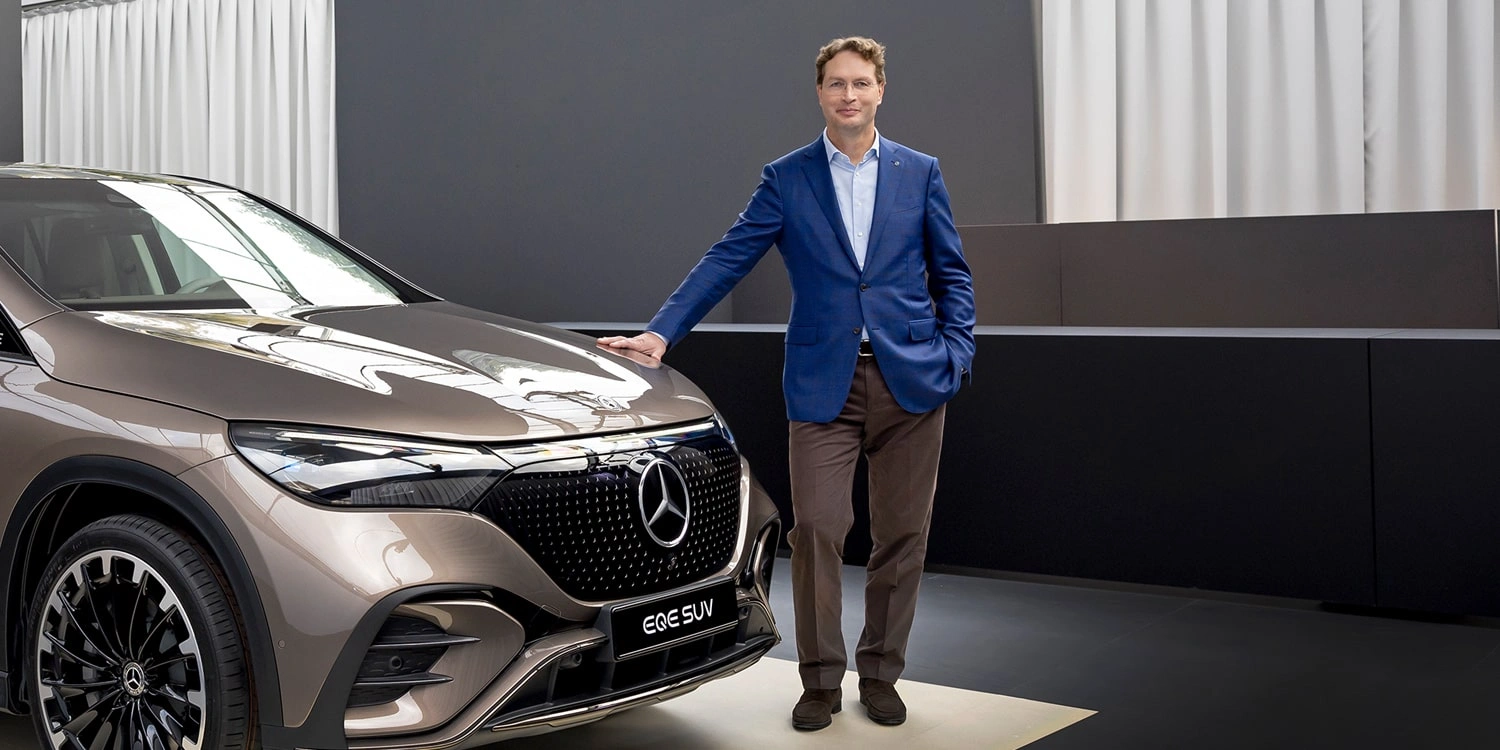
In an era when many automotive manufacturers are chasing volume, scale and market share at almost any cost, Ola Källenius has pursued a markedly different path. As Chief Executive Officer of Mercedes-Benz Group, Källenius has championed a strategy built around exclusivity, profitability and technological sophistication rather than simply producing more vehicles. His leadership has transformed one of the world’s most iconic automotive brands into a company increasingly focused on luxury, premium experiences and high value innovation.
The automotive industry is undergoing one of the most significant transitions in its history. Electrification, software development, artificial intelligence and shifting consumer expectations are redefining how vehicles are designed, manufactured and sold. Amid this disruption, many manufacturers have struggled to balance long term investment requirements with short term financial performance. Källenius has sought to address this challenge by concentrating on the areas where Mercedes-Benz has traditionally excelled: prestige, engineering excellence and aspirational luxury.
His journey to the top of one of the world’s most respected automotive organisations reflects decades of experience and a deep understanding of the industry. Born in Sweden, Källenius developed a reputation for analytical thinking, operational discipline and strategic clarity throughout his career. Unlike leaders who arrive from outside the automotive sector, he spent years within the organisation, gaining firsthand knowledge of product development, manufacturing operations and global market dynamics.
This extensive experience proved invaluable when he assumed leadership of Mercedes-Benz during a period of immense transformation. The company faced increasing competition from both traditional luxury manufacturers and a new generation of technology driven challengers. Consumer preferences were evolving rapidly, and the transition towards electrification demanded enormous financial commitment. Källenius recognised that maintaining leadership would require more than simply adapting existing business models. It would require a fundamental redefinition of how the company positioned itself within the global marketplace.
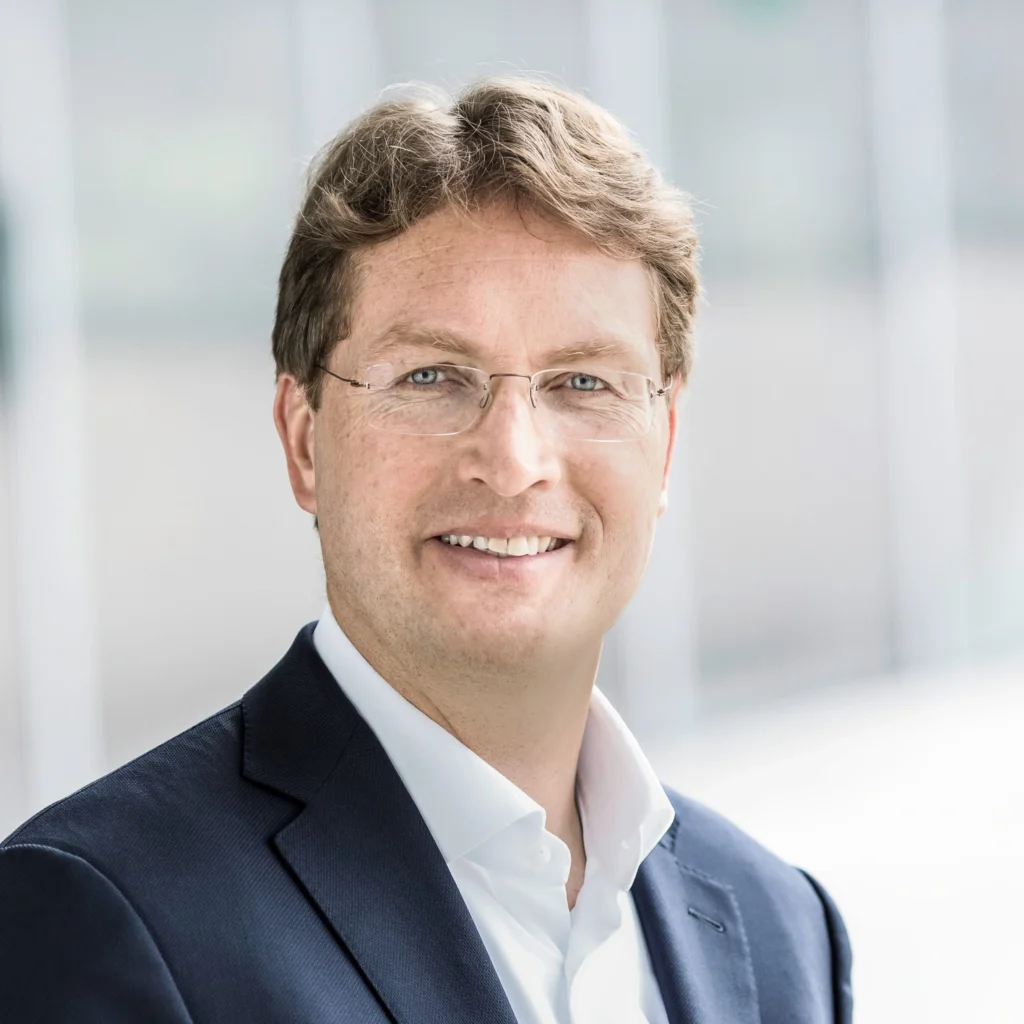
One of the most consequential decisions of his tenure was the adoption of a strategy often described as luxury over volume. Rather than pursuing maximum sales numbers across every market segment, Källenius focused on strengthening the brand’s position at the upper end of the automotive spectrum. The objective was clear. Mercedes-Benz would concentrate its resources on vehicles and experiences that reinforce its reputation as one of the world’s premier luxury brands.
This approach represented a significant shift in emphasis. Historically, many manufacturers sought growth primarily through increased production volumes and broader market coverage. Källenius instead prioritised profitability, customer desirability and brand prestige. By focusing on high margin products, flagship vehicles and premium customer experiences, Mercedes-Benz aimed to generate stronger financial performance while enhancing its long term brand value.
The results have attracted considerable attention throughout the industry. Even amid challenging economic conditions and fluctuating global demand, Mercedes-Benz has maintained impressive profitability. High end models, luxury sport utility vehicles and exclusive performance variants have become increasingly important contributors to financial performance. This success has reinforced confidence in Källenius’s belief that luxury brands can thrive by deepening exclusivity rather than broadening accessibility.
Electrification has been another central pillar of his leadership. While preserving the heritage and prestige associated with Mercedes-Benz, Källenius has overseen substantial investment in electric mobility. The challenge has been particularly complex for luxury manufacturers. Customers expect not only sustainability and innovation but also uncompromising performance, comfort and refinement.
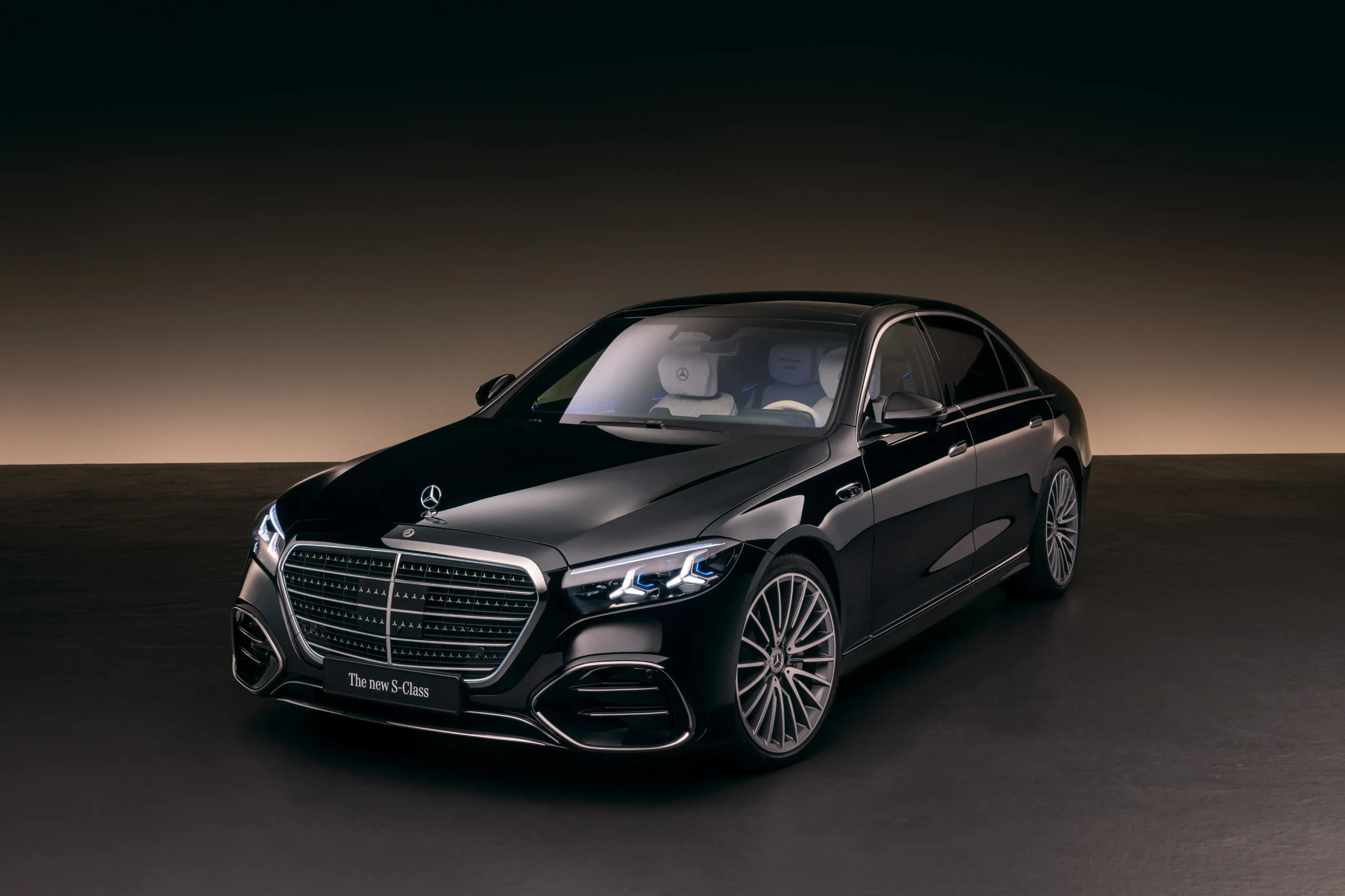
Under his guidance, Mercedes-Benz has pursued the development of premium electric vehicles designed to embody the same qualities that have long defined the brand. The company has invested heavily in battery technology, advanced vehicle architectures and digital ecosystems that enhance the ownership experience. These efforts reflect Källenius’s conviction that the future of luxury mobility will be shaped as much by software and technology as by traditional engineering excellence.
His vision extends beyond electrification alone. Källenius understands that modern luxury increasingly encompasses digital sophistication. Consumers expect seamless connectivity, intuitive interfaces and personalised experiences that integrate naturally into their daily lives. Consequently, Mercedes-Benz has accelerated its focus on software defined vehicles, artificial intelligence and advanced driver assistance technologies.
This transformation is changing the nature of automotive competition. Luxury manufacturers are no longer competing solely on design, craftsmanship or mechanical performance. They are increasingly competing on user experience, digital functionality and technological innovation. Källenius has positioned Mercedes-Benz to remain competitive in this new environment by investing in capabilities that bridge traditional luxury values with emerging technological expectations.
Another defining feature of his leadership has been a commitment to preserving the emotional appeal of the Mercedes-Benz brand. Luxury is ultimately about more than specifications and features. It is about aspiration, identity and the emotional connection customers develop with products. Källenius has consistently emphasised the importance of maintaining this connection even as vehicles become more technologically sophisticated.
This philosophy is particularly evident in the company’s flagship models and high performance offerings. These vehicles serve not only as commercial products but also as symbols of the brand’s ambitions and capabilities. By continuing to invest in design excellence, engineering innovation and customer experience, Mercedes-Benz reinforces its position within the highly competitive luxury segment.
The challenges facing Källenius are substantial. Global economic uncertainty, evolving regulatory requirements and intensifying competition continue to create pressure across the automotive sector. Luxury manufacturers must also navigate changing consumer expectations while investing heavily in future technologies. Balancing these priorities requires careful strategic judgement and disciplined execution.
His leadership style has often been characterised by pragmatism and long term thinking. Rather than pursuing dramatic transformations for their own sake, he focuses on sustainable competitive advantages and financial resilience. This measured approach has helped Mercedes-Benz maintain stability while adapting to rapidly changing market conditions.
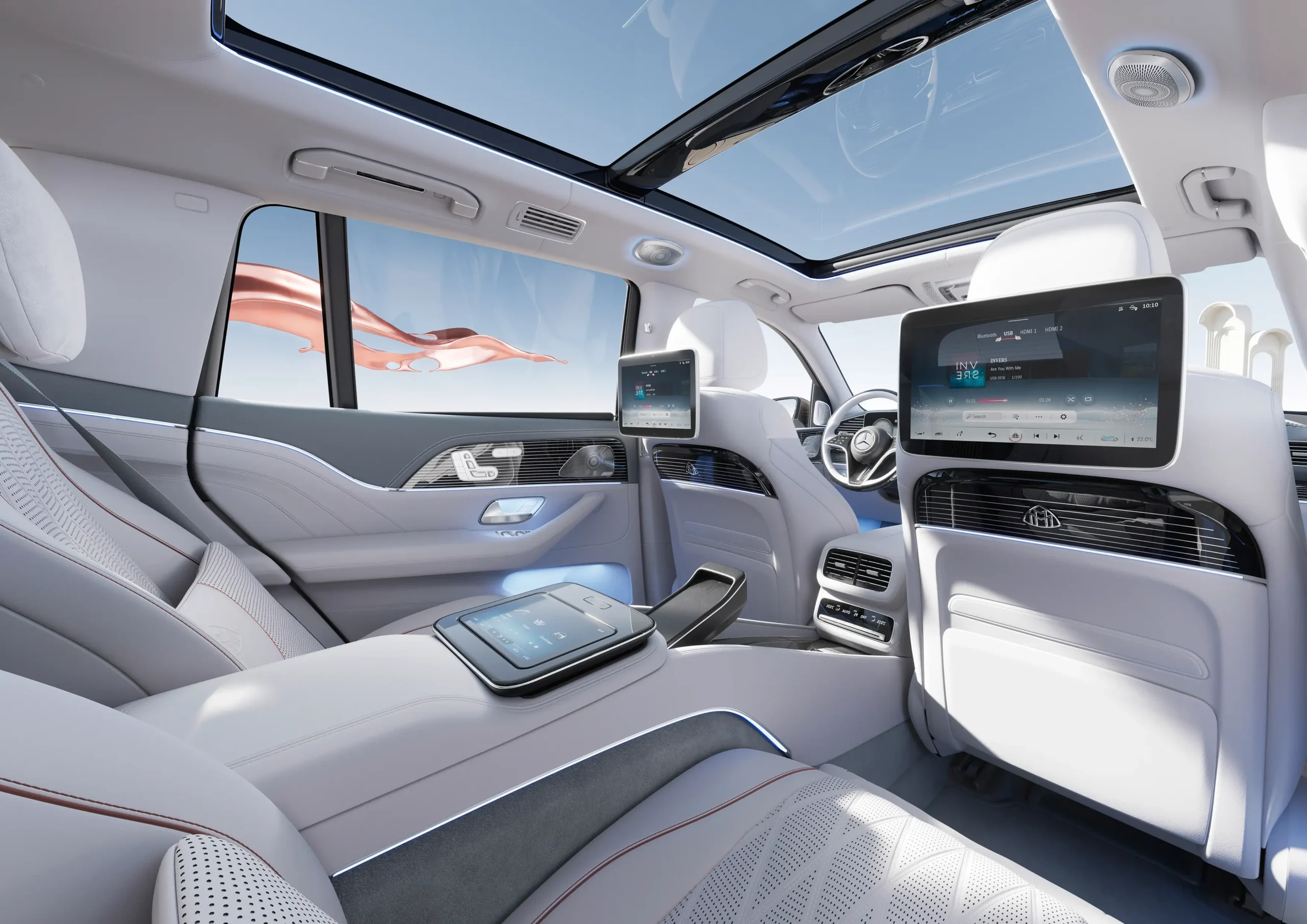
Industry observers frequently point to Källenius as one of the executives most effectively navigating the intersection of luxury, technology and profitability. His strategy demonstrates that premium positioning can remain highly relevant even in an industry undergoing profound disruption. By concentrating on the customers most closely aligned with the brand’s heritage and strengths, he has created a framework that supports both innovation and financial performance.
The significance of his leadership extends beyond Mercedes-Benz itself. As one of the world’s most prominent luxury automotive brands, the company’s direction influences broader industry trends. Competitors closely monitor its strategies, product decisions and technological investments. Källenius therefore plays an important role in shaping conversations about the future of premium mobility.
As the automotive landscape continues to evolve, the importance of strong brand identity may become even greater. Technology can often be replicated, but heritage, prestige and emotional resonance are far more difficult to duplicate. Källenius understands this reality and has built much of his strategy around strengthening the qualities that distinguish Mercedes-Benz from its rivals.
The story of Ola Källenius is ultimately one of strategic focus. In a period when many manufacturers are attempting to be everything to everyone, he has concentrated on reinforcing what Mercedes-Benz does best. Through disciplined leadership, technological investment and an unwavering commitment to luxury, he is helping one of the world’s most celebrated automotive brands navigate the transition towards a new era of mobility.
His legacy will likely be measured not only by financial results or market share but by his ability to preserve and enhance the relevance of Mercedes-Benz in a rapidly changing world. By combining innovation with exclusivity, tradition with modernity and luxury with technology, Ola Källenius is defining what premium automotive leadership looks like in the twenty first century.