Jim Farley
The Reinvention Strategist Reshaping Ford for a New Era of Mobility
By Paul Smith
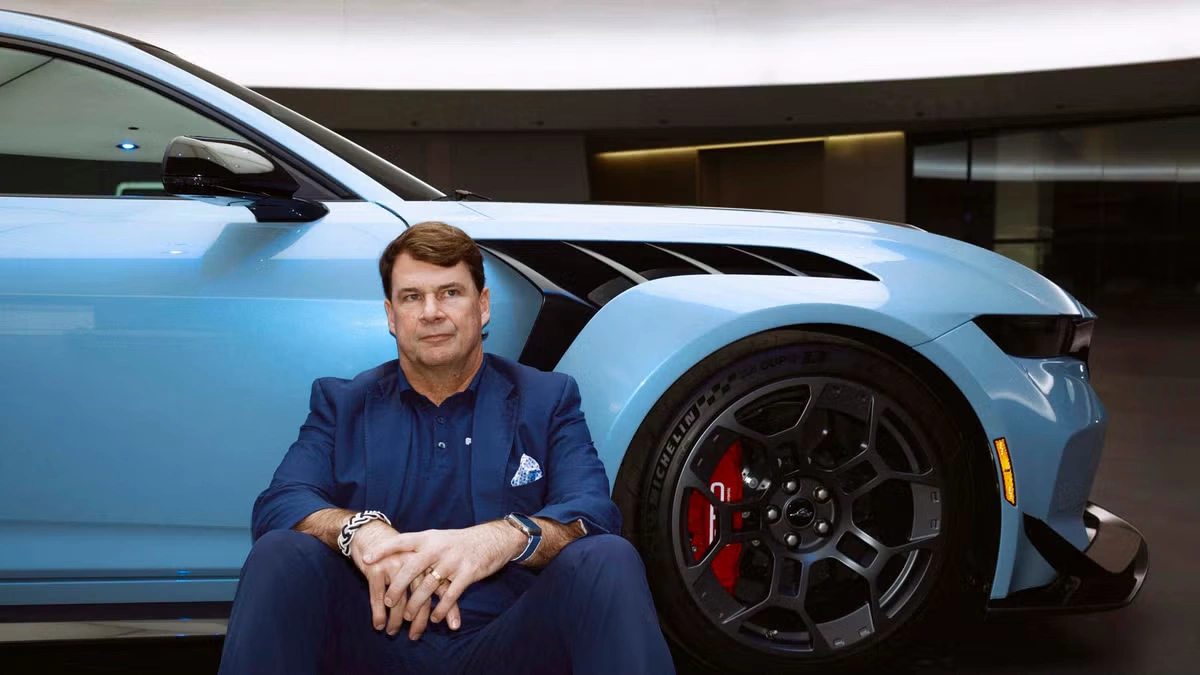
Leading a company as historic as Ford Motor Company requires far more than managing quarterly results or overseeing vehicle production. It demands the ability to honour a legacy that helped define modern transportation while simultaneously preparing the organisation for a future that looks radically different from its past. Few executives understand this challenge more clearly than Jim Farley. As President and Chief Executive Officer of Ford Motor Company, Farley has emerged as one of the most influential figures in the global automotive industry, leading one of America’s most iconic manufacturers through a period of unprecedented transformation.
Ford occupies a unique position in industrial history. It was the company that revolutionised manufacturing through the moving assembly line and helped make personal transportation accessible to millions. For generations, the Ford name has been associated with innovation, durability and vehicles that became symbols of American culture. Yet by the time Farley assumed leadership, the automotive world was entering an era where software, electrification and digital services were becoming as important as engines, transmissions and manufacturing capacity.
The challenge was clear. Ford needed to evolve without losing the qualities that made it one of the most recognisable brands in the world. Farley understood that transformation could not simply involve launching a handful of electric vehicles. The company needed structural change, cultural adaptation and a renewed focus on technological competitiveness.
One of the most significant decisions of his tenure was the creation of separate operating divisions within Ford. Through the establishment of Model e, dedicated to electric vehicles and advanced software development, and Ford Blue, focused on traditional combustion powered vehicles, Farley introduced a framework designed to accelerate innovation while preserving profitability. This approach represented a bold departure from conventional automotive management structures.
The rationale behind the move was straightforward but ambitious. Electric vehicle development requires a fundamentally different mindset from traditional automotive manufacturing. Software engineering, battery technology and digital ecosystems operate on different timelines and priorities than conventional vehicle programmes. By creating dedicated organisational structures, Farley sought to give each division the focus and agility needed to succeed in its respective mission.
Model e became the centre of Ford’s efforts to compete in the rapidly expanding electric vehicle market. Designed to operate with a more entrepreneurial and technology driven culture, the division focuses on accelerating software development, improving digital integration and creating products capable of competing with both established manufacturers and emerging electric vehicle specialists. At the same time, Ford Blue continues to optimise the company’s traditional business, generating the revenue and profitability necessary to support long term investments in future technologies.


This dual strategy reflects Farley’s pragmatic understanding of the automotive transition. While electrification continues to gain momentum, internal combustion vehicles remain critically important to Ford’s business. Millions of customers around the world continue to rely on traditional powertrains, particularly in segments where performance, utility and affordability remain key considerations. Rather than abandoning these strengths prematurely, Farley has focused on using them as a foundation for future growth.
Perhaps no vehicle better symbolises his approach than the F 150 Lightning. Transforming America’s best selling pickup truck into an electric vehicle carried both enormous opportunity and significant risk. The F Series has long been one of Ford’s most valuable assets and one of the most recognisable products in the automotive industry. By electrifying such an iconic vehicle, Farley signalled that Ford intended to compete aggressively in the future of mobility while remaining true to its heritage.
The F 150 Lightning demonstrated that electrification did not have to come at the expense of practicality or capability. It showed customers that electric vehicles could deliver the utility and performance expected from a Ford truck while introducing new technological possibilities.
More importantly, it reinforced the idea that the transition to electric mobility could build upon existing strengths rather than replace them entirely.
Farley’s leadership has also placed significant emphasis on commercial transportation. While consumer vehicles often dominate headlines, commercial fleets represent one of the most important and profitable segments of the automotive market. Through Ford Pro, the company has expanded its focus on serving businesses, government agencies and fleet operators with integrated solutions that combine vehicles, software and services.
Ford Pro reflects a broader understanding of how mobility is evolving. Commercial customers increasingly require more than vehicles alone. They seek connected platforms capable of improving efficiency, reducing operating costs and enhancing fleet management. By combining transportation products with digital services, Ford is positioning itself to capture value across the entire ownership experience. Under Farley’s leadership, Ford Pro has become a critical pillar of the company’s long term growth strategy.
Another defining characteristic of Farley’s tenure has been his focus on software as a competitive differentiator. Modern vehicles are becoming increasingly digital, with software influencing everything from performance and safety to entertainment and connectivity. Recognising this shift, Farley has prioritised investment in software development capabilities and digital infrastructure.
This emphasis reflects a broader transformation occurring throughout the industry. Vehicles are no longer static products that remain unchanged after purchase. Software updates allow manufacturers to improve functionality, introduce new features and strengthen customer relationships over time. Farley understands that success in this environment requires Ford to think more like a technology company while maintaining its manufacturing excellence.
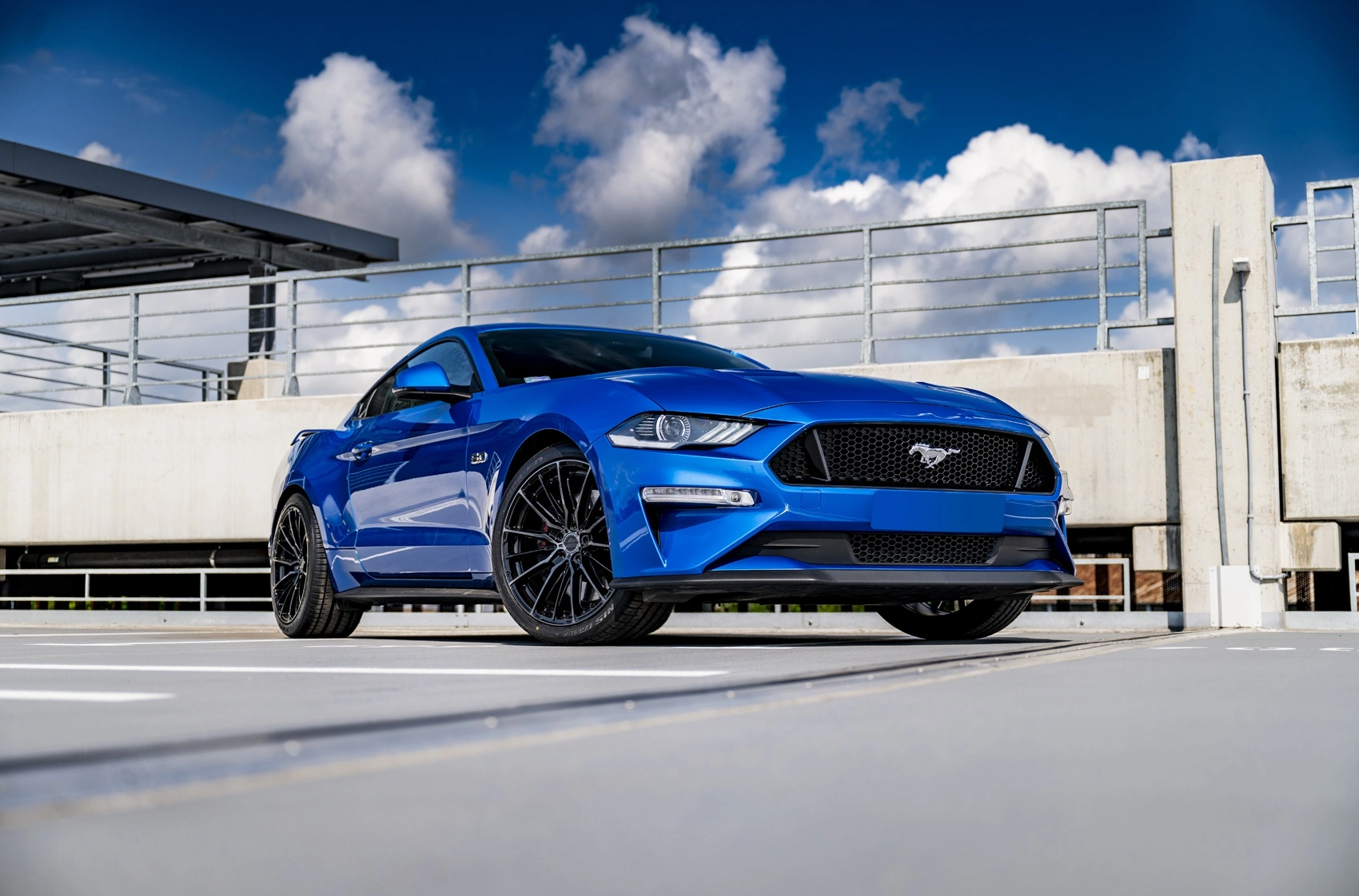
His leadership style combines strategic vision with a deep appreciation for Ford’s heritage. Unlike some executives who view disruption as an opportunity to discard the past, Farley consistently emphasises the importance of leveraging Ford’s most valuable assets. The company’s brand strength, engineering expertise and customer loyalty remain powerful advantages. His objective has been to modernise these strengths rather than replace them.
The challenges he faces are substantial. Competition within the electric vehicle market continues to intensify. Software development presents new organisational demands. Supply chains, economic conditions and regulatory requirements add further complexity. Yet Farley has demonstrated a willingness to confront these realities directly, making difficult decisions designed to strengthen Ford’s long term competitiveness.
Industry observers frequently highlight his ability to communicate a clear strategic direction. Employees, investors and customers understand the fundamental principles guiding Ford’s transformation. The company is pursuing electrification, embracing software innovation and expanding commercial services while continuing to build the vehicles that established its reputation. This clarity has helped create confidence during a period of significant industry uncertainty.
Farley’s influence extends beyond Ford itself. His restructuring initiatives and emphasis on organisational flexibility have become important case studies for manufacturers seeking to balance traditional operations with emerging technologies. The challenges facing Ford are not unique. Virtually every established automaker is grappling with similar questions about how to adapt to a rapidly changing landscape. Farley’s approach offers one possible blueprint for navigating this transition.

The significance of his leadership lies in the recognition that transformation is not merely about technology. It is about organisational design, cultural evolution and strategic focus. New products matter, but sustainable success requires companies to rethink how they operate, innovate and create value. Farley has embraced this broader perspective, positioning Ford to compete in a future defined by electrification, connectivity and intelligent mobility.
As the automotive industry continues its evolution, Jim Farley remains one of the most important architects of Ford’s next chapter. He is leading a company whose history helped shape the modern world while preparing it for a future where software and electricity increasingly define transportation. Through decisive leadership, strategic restructuring and a commitment to innovation, he is ensuring that Ford remains not only a symbol of automotive heritage but also a participant in the future of mobility.
The story of Jim Farley’s leadership is ultimately one of reinvention without abandonment. He has demonstrated that an organisation built on more than a century of industrial excellence can adapt to new realities while preserving the values that made it successful. In doing so, he is helping one of the world’s most iconic manufacturers navigate one of the most consequential transitions in its history.