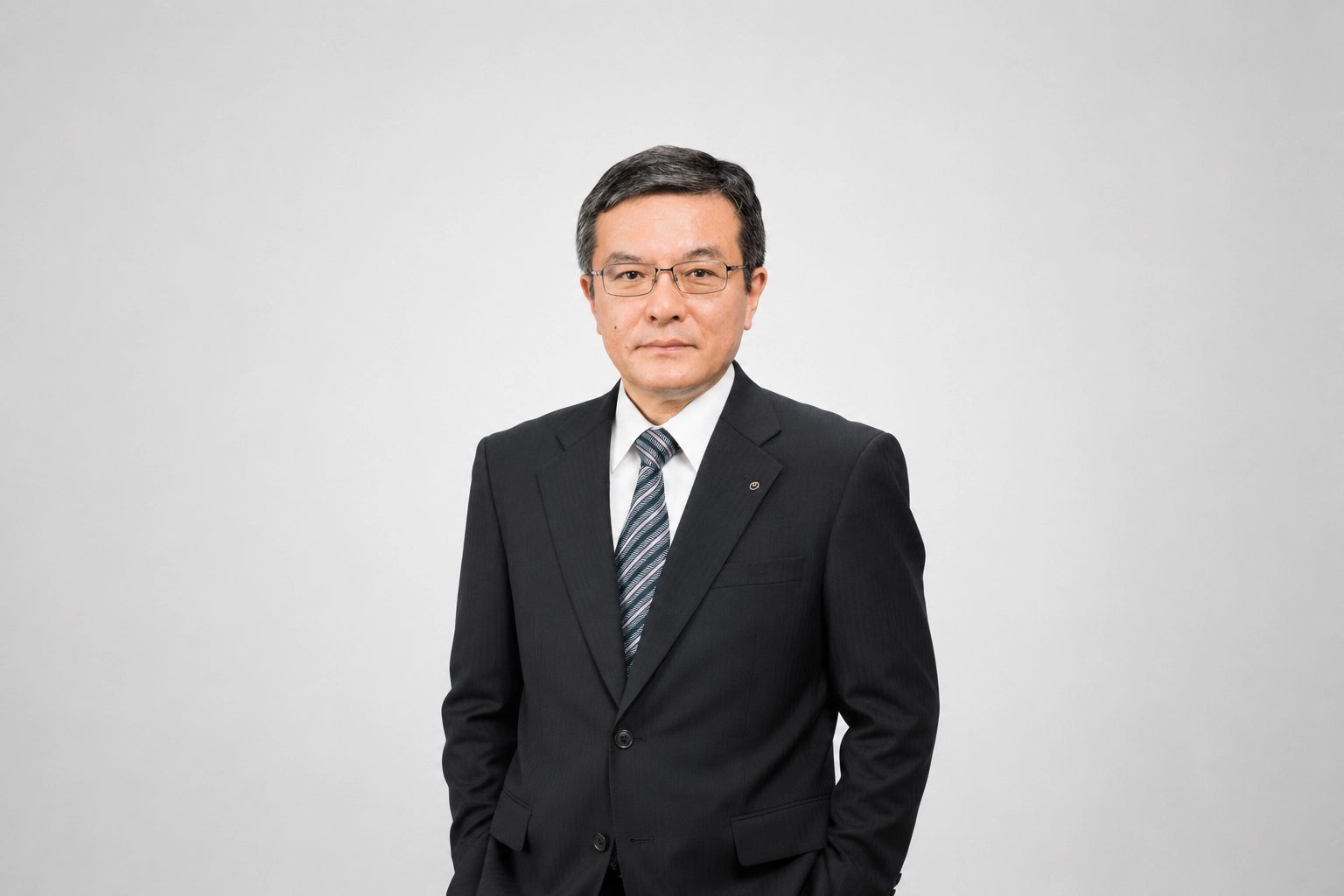
Idan Ofer
The Financier Connecting Energy, Shipping & Power
By Pual Smith

Where many figures in the energy world derive their influence from operational control, Idan Ofer represents a different kind of power, one rooted in capital, networks, and strategic positioning. As the driving force behind Quantum Pacific Group and a key shareholder in multiple energy and infrastructure ventures, he operates across industries, linking shipping, power generation, and finance into a cohesive and highly influential portfolio.
Ofer’s origins lie in maritime business, an industry that has long been the backbone of global trade. Shipping is the invisible engine that moves commodities across the world, and through this sector, Ofer developed a deep understanding of the physical realities of global commerce. This perspective is essential. Energy is not just produced and consumed; it is transported, stored, and financed, often across vast distances and complex logistical chains. Ofer’s early involvement in shipping placed him at the heart of these processes.
From this foundation, he expanded into energy and infrastructure. Through investments in companies such as Kenon Holdings and its stake in OPC Energy, he has established a significant presence in electricity generation. This move reflects a broader strategic vision, one that recognises the growing importance of power markets in the global energy system. What distinguishes Ofer is his ability to connect seemingly disparate sectors.

Shipping, power generation, and finance are often treated as separate domains, yet in reality they are deeply interconnected. Oil and gas must be transported, fuels must be converted into electricity, and all of this requires capital. By operating across these areas, Ofer creates synergies that enhance both efficiency and influence.

His approach is fundamentally strategic rather than operational. Unlike a chief executive who manages daily activities, Ofer focuses on long term positioning. He identifies opportunities, allocates capital, and builds networks that can generate value over time. This perspective allows him to respond to changes in the global economy with agility, shifting investments as conditions evolve.
In the context of the energy transition, his role becomes particularly significant. As the world moves towards electrification, the importance of power generation and distribution increases. At the same time, the continued demand for oil and gas ensures that shipping remains essential. Ofer’s portfolio bridges these worlds, positioning him at a critical junction in the evolving energy landscape.
His influence is also amplified by his connections to global finance. Access to capital is a determining factor in the development of energy infrastructure, and Ofer’s network enables him to participate in projects that might be beyond the reach of more narrowly focused players. This financial dimension adds another layer to his impact.
Despite his extensive reach, Ofer maintains a relatively low public profile. This discretion reflects a broader philosophy that prioritises effectiveness over visibility. His influence is exercised through investments and partnerships rather than public statements, making it less visible but no less significant.

There is also a degree of adaptability in his approach that mirrors the shifting nature of the energy system. Rather than committing exclusively to one form of energy, he spreads risk across multiple sectors. This diversification not only protects his portfolio but also allows him to participate in different aspects of the transition.
Ofer’s role highlights the importance of capital in shaping the future of energy. While engineers and executives design and operate systems, it is investors who determine which projects are funded and which ideas become reality. In this sense, his influence extends beyond individual companies to the broader direction of the industry.
He is not a traditional energy leader, yet his impact is undeniable. By connecting shipping, power, and finance, Idan Ofer operates at a level that transcends individual sectors. He is a facilitator of systems, a strategist who understands that the future of energy will be defined not only by what is produced but by how it is moved, financed, and integrated.
In a world where the boundaries between industries are increasingly blurred, Ofer stands as a figure who has already adapted to that reality. His networked approach to business reflects the complexity of the modern energy system, and his ability to navigate that complexity ensures that he remains a central, if often unseen, force within it.