Gary Heminger
The Veteran Who Still Shapes the Engines of Refining
By Michelle Clark
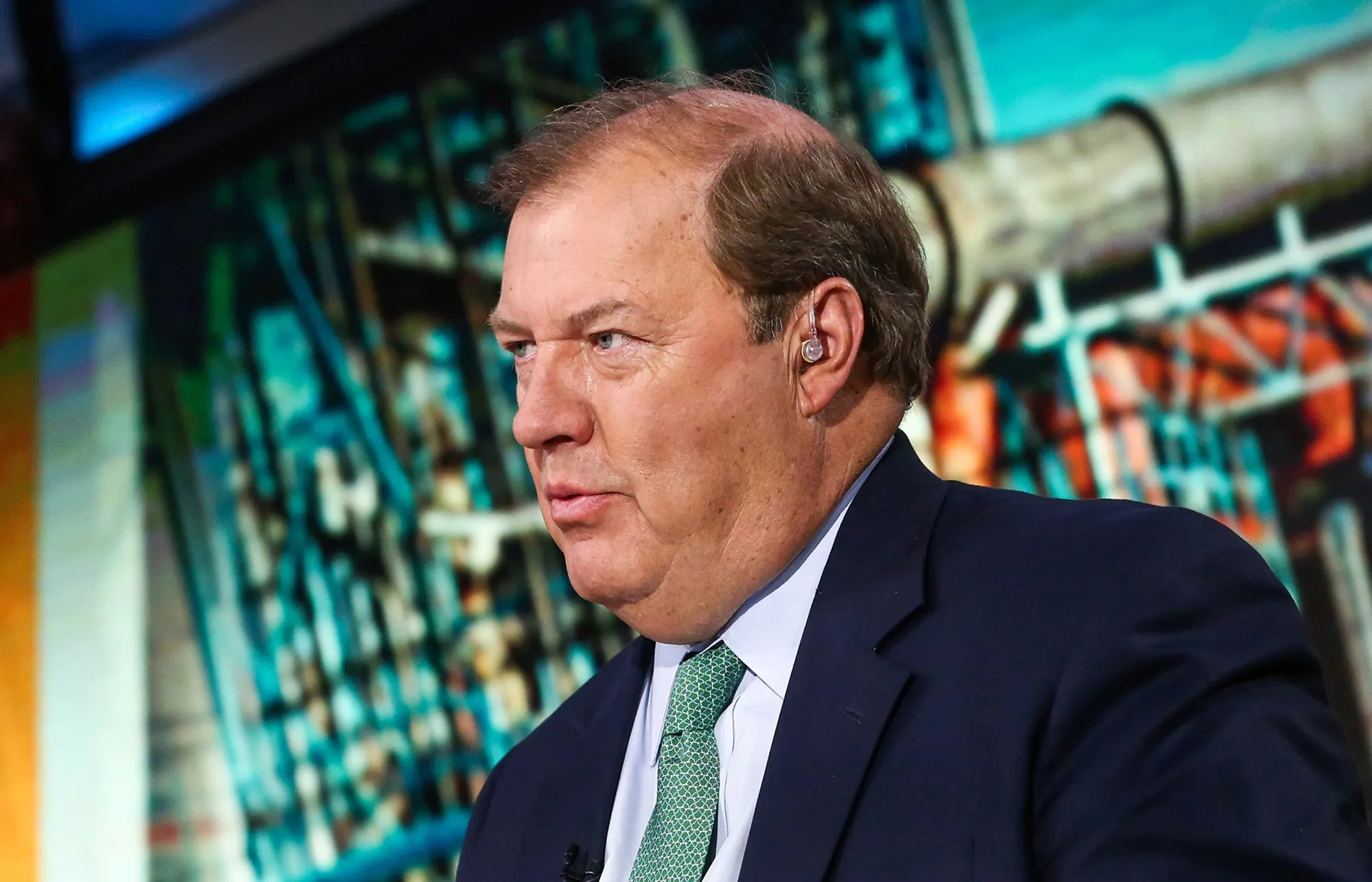
Even after stepping down from the chief executive role at Marathon Petroleum, Gary Heminger remains a figure of considerable influence within the energy industry. His career, spanning decades in refining and midstream operations, has left an imprint on the infrastructure that underpins modern fuel supply. In a sector often overshadowed by upstream exploration and production, Heminger represents the critical but less visible domain where crude oil is transformed into the products that power everyday life.
Heminger’s journey is rooted in the downstream segment of the industry. Beginning his career in refining, he developed a deep understanding of the processes that convert crude into fuels such as petrol, diesel, and jet fuel. This area of the business demands precision, efficiency, and an ability to manage complex systems. Unlike exploration, where uncertainty is inherent, refining is about optimisation, ensuring that every barrel is processed in the most effective way possible.
Over time, Heminger rose through the ranks, eventually becoming chief executive of Marathon Petroleum. Under his leadership, the company expanded its refining capacity and strengthened its position in midstream logistics. Pipelines, storage facilities, and distribution networks became central to its operations, creating an integrated system that connects production with consumption.
One of his most significant contributions was his focus on scale and integration. Heminger understood that in refining, size can provide a competitive advantage. Larger operations can achieve economies of scale, reduce costs, and respond more effectively to market fluctuations. By expanding Marathon’s footprint and integrating its assets, he created a system that was both efficient and resilient.
His tenure also coincided with significant changes in the energy landscape. The rise of shale production in the United States altered supply patterns, increasing the availability of domestic crude. At the same time, environmental regulations and shifting demand required refiners to adapt. Heminger navigated these changes with a focus on flexibility, ensuring that Marathon could process different types of crude and produce a range of products.


Even after his retirement from the chief executive role, Heminger’s expertise continues to shape the industry. As an advisor and industry figure, he provides insights into the complexities of refining and logistics. His understanding of infrastructure is particularly valuable, as the transition to new energy systems will still rely on existing networks.
His leadership style has always been grounded in practicality. Heminger is not known for grand visions or sweeping statements. Instead, he focuses on execution, ensuring that systems function efficiently and reliably. This approach reflects the nature of the downstream sector, where success is measured in consistency and performance rather than innovation alone.
What makes his influence enduring is the centrality of refining to the global economy. Despite the growth of renewable energy, liquid fuels remain essential for transportation, aviation, and industry. The infrastructure that Heminger helped build and optimise continues to support these needs, making his legacy both tangible and ongoing.
There is also a broader lesson in his career about the importance of often overlooked segments of the industry. While upstream production attracts attention, it is downstream operations that ultimately deliver energy to consumers.
Without refining and logistics, crude oil has little practical value. Heminger’s work highlights this reality, emphasising the interconnected nature of the energy system.
In the context of transition, his insights remain relevant. As new fuels and technologies emerge, the question of how they will be processed, transported, and distributed becomes critical. Heminger’s experience provides a framework for thinking about these challenges, ensuring that innovation is supported by practical infrastructure.
Gary Heminger may no longer be at the forefront of corporate leadership, but his impact endures. He represents continuity in an industry undergoing change, a reminder that even as new technologies emerge, the systems that deliver energy must remain robust and efficient. His career is a testament to the importance of execution, integration, and long term thinking in a sector that is both complex and essential.