Russell Hardy
The Invisible Hand Guiding the Flow of Global Oil
By Nida kanwal
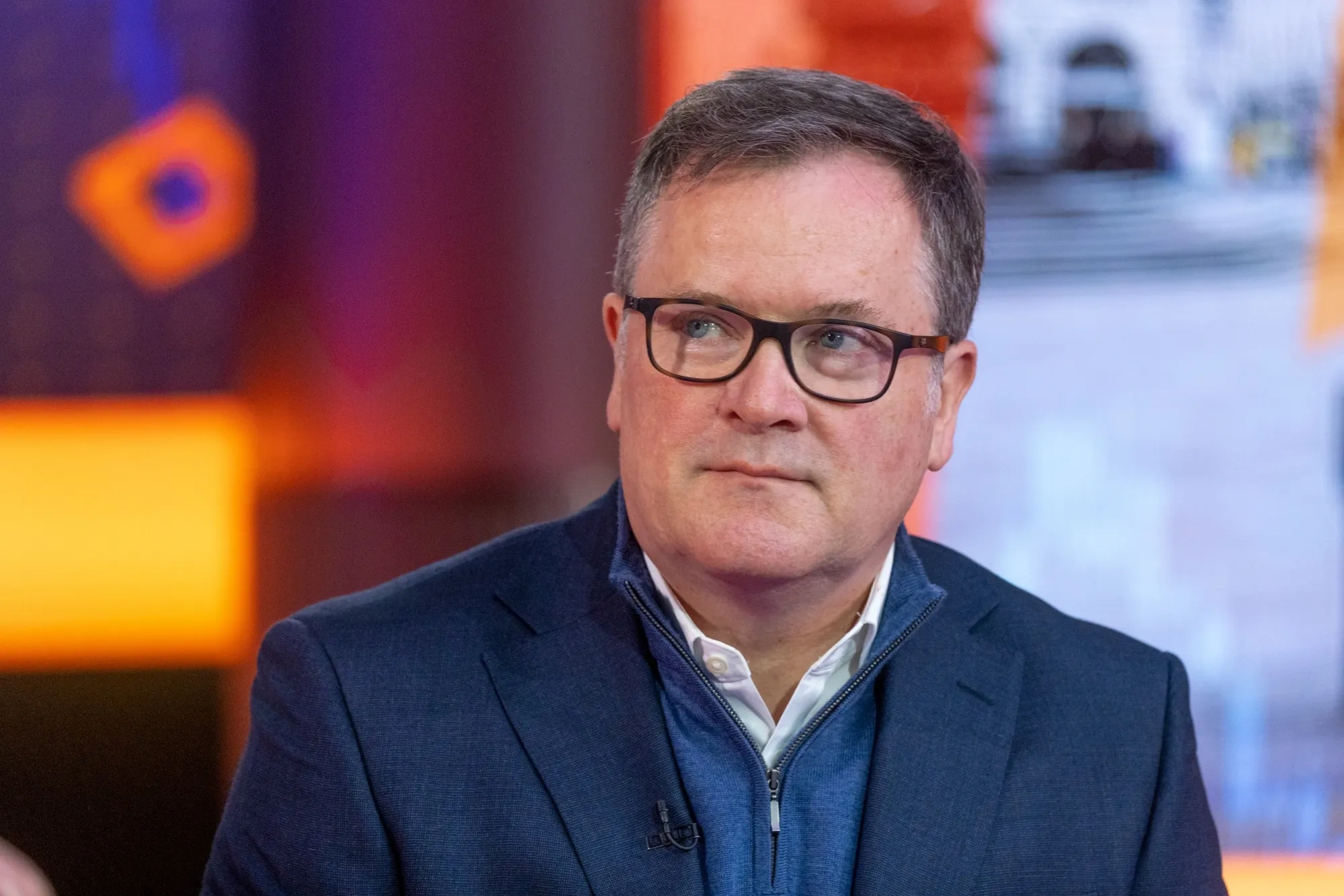
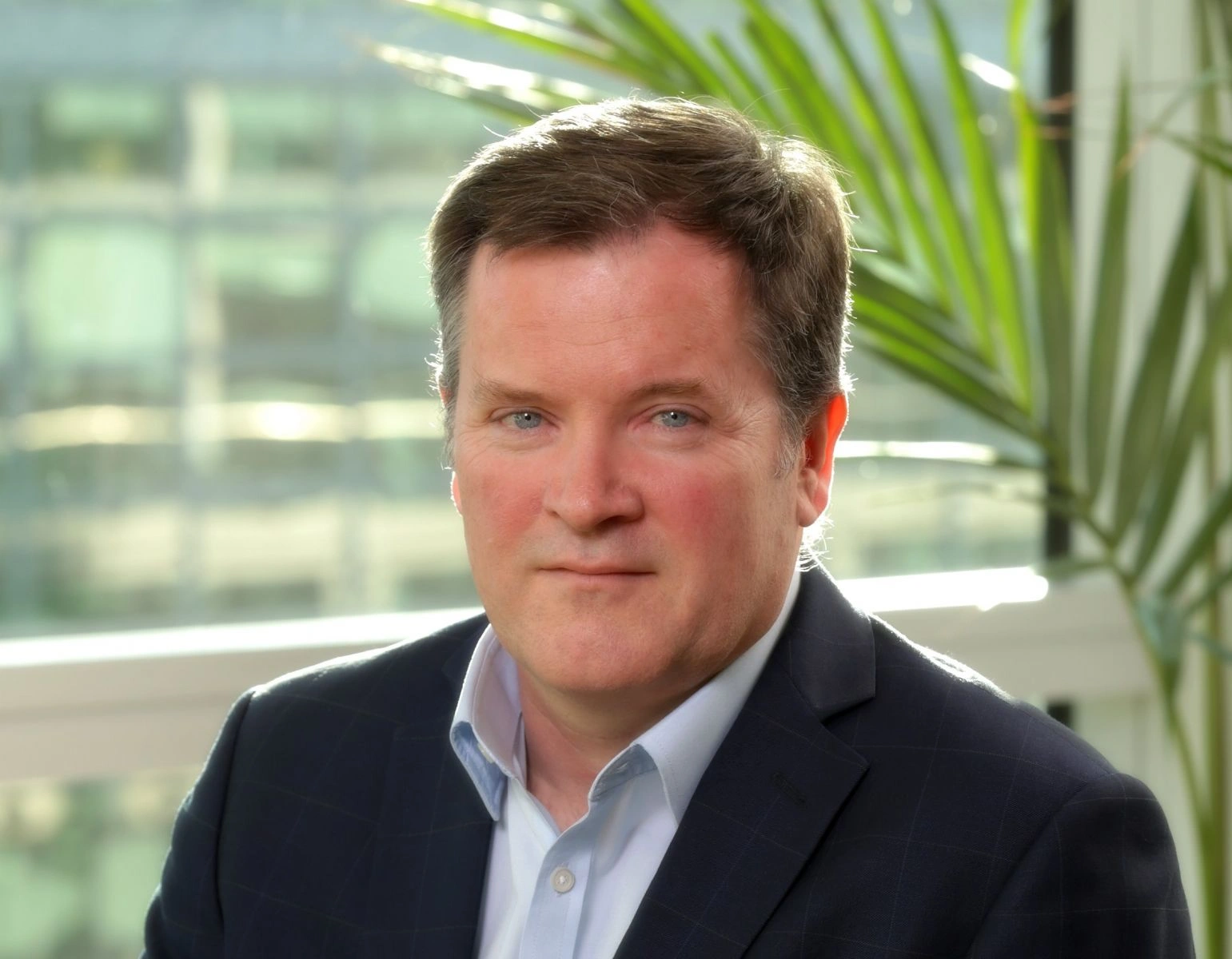
Russell Hardy operates at the centre of a system that most people rarely see but which underpins the entire global economy. As Chief Executive of Vitol, he leads the world’s largest independent oil trading company, an organisation whose influence is felt in every corner of the energy market. Unlike producers, who are tied to physical assets, Vitol’s power lies in its ability to move, store, and finance energy flows on a global scale.
Hardy’s career is deeply intertwined with the evolution of oil trading itself. Joining Vitol in the mid 1990s, he developed expertise across regions and commodities, gaining a comprehensive understanding of the complex networks that connect supply and demand. This experience has given him a unique perspective on the dynamics of global energy markets.
Vitol’s operations are vast and multifaceted. The company trades millions of barrels of oil each day, navigating a web of logistics that includes shipping, storage, and refining. It operates in a space where information is as valuable as infrastructure, and where the ability to respond quickly to changing conditions can determine success or failure.
Under Hardy’s leadership, Vitol has strengthened its position as a central player in these networks. His approach is characterised by pragmatism and adaptability. He recognises that the energy market is inherently volatile, shaped by geopolitical events, economic trends, and technological developments. To succeed in this environment, Vitol must remain flexible, ready to shift strategies as conditions evolve.
One of the most significant developments during his tenure has been the company’s expansion into renewable energy. Investments in wind and solar projects reflect a broader recognition that the energy landscape is changing. However, Hardy has been careful to ensure that these ventures complement rather than replace Vitol’s core trading activities.
This balance is crucial. While the transition to cleaner energy is underway, oil remains a dominant force in the global economy. By maintaining a strong presence in traditional markets while gradually diversifying, Vitol is positioning itself to remain relevant regardless of how the transition unfolds.
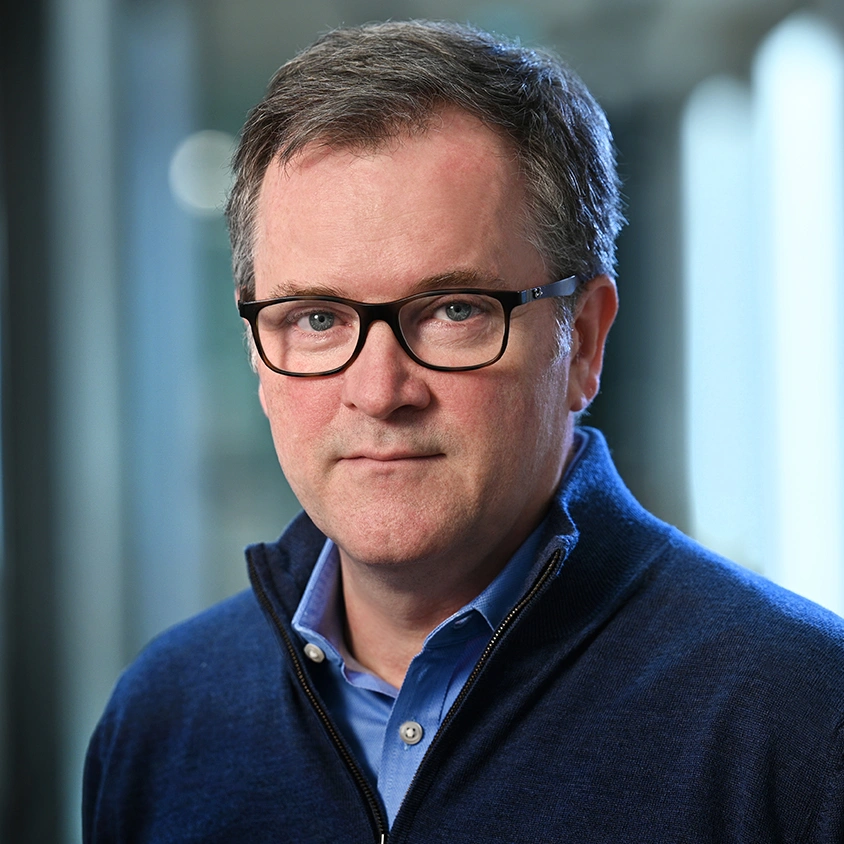
Hardy’s leadership style is understated but highly effective. He does not seek public attention, reflecting the broader culture of Vitol itself. In an industry where discretion is often essential, this low profile approach allows the company to operate with minimal external interference.
Internally, he emphasises expertise, speed, and judgement. Trading requires the ability to make decisions quickly, often with incomplete information. Hardy’s experience and insight provide a steady hand in this high pressure environment.
What makes Russell Hardy particularly influential is the nature of the power he wields. Unlike producers, who control supply, or governments, which regulate markets, Vitol operates in the space between, connecting the two. This position gives it a unique ability to shape the flow of energy, influencing prices, availability, and distribution.
In many ways, Hardy represents the hidden architecture of the energy system. His work may not be visible to the public, but its impact is profound. By guiding the movement of oil across the globe, he plays a critical role in maintaining the stability and functionality of the modern economy.