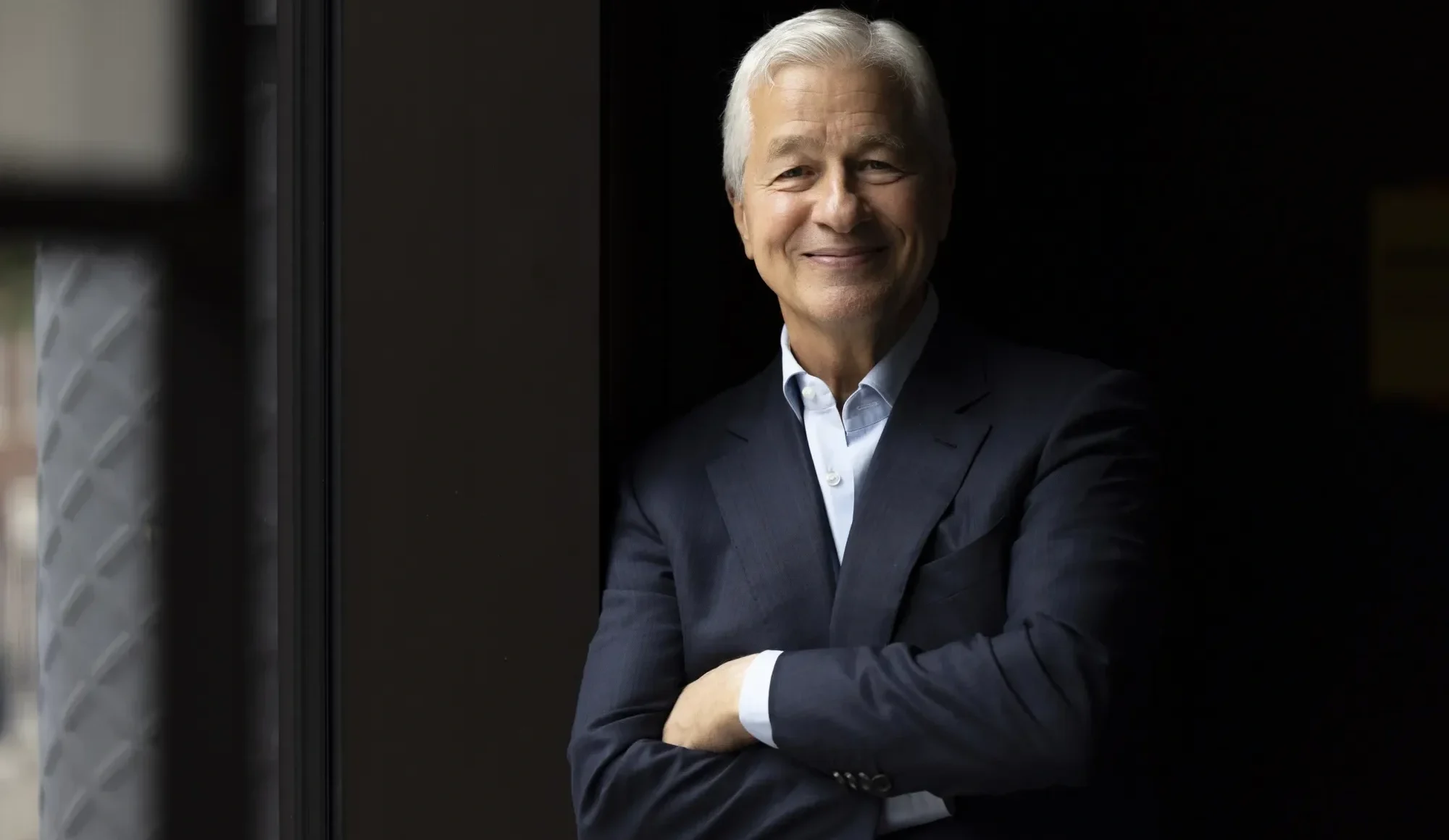
Darren Woods
The Architect of Relentless Scale in a Changing Energy World
By Michelle Clark
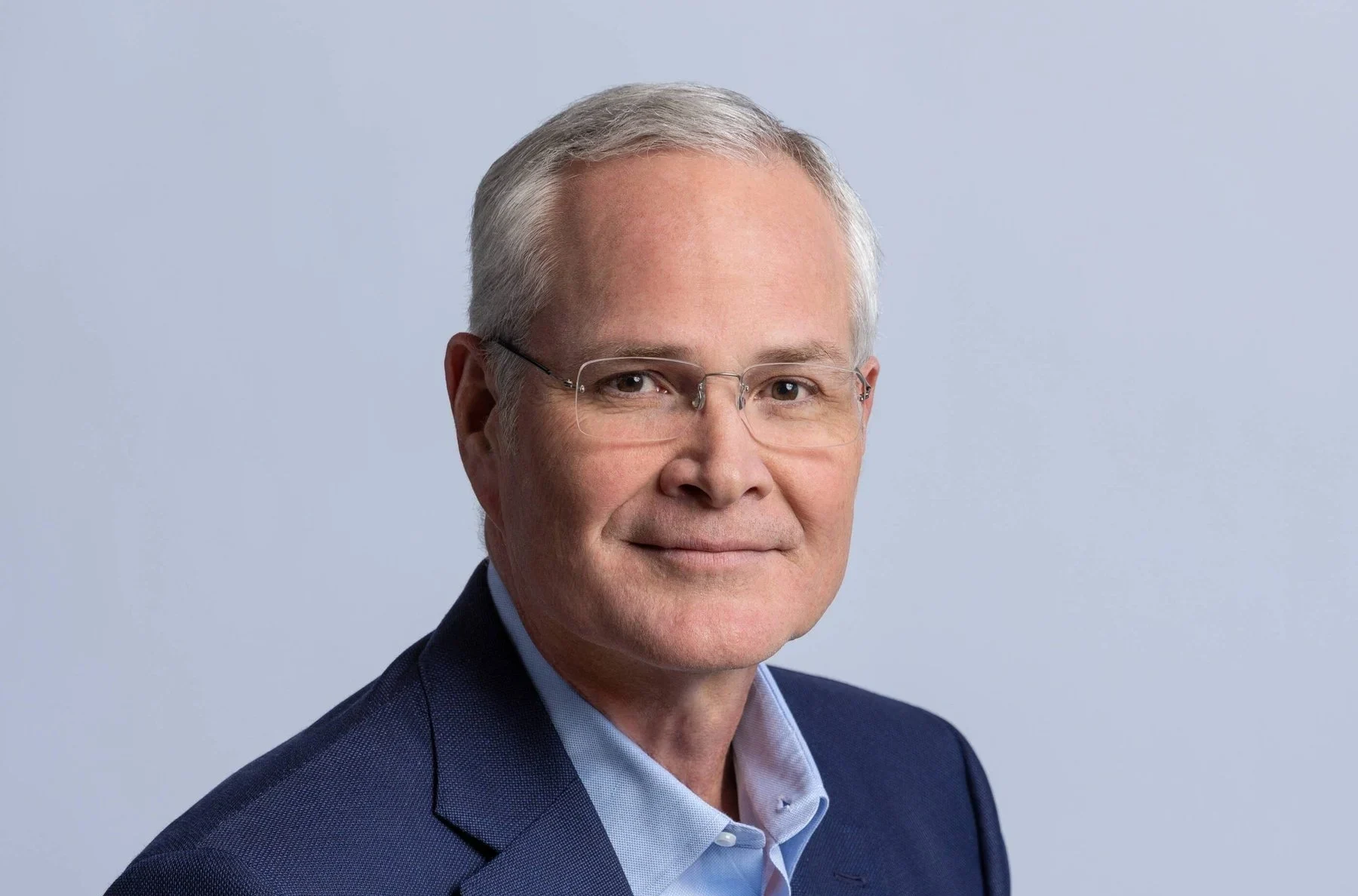
In the hierarchy of global energy leadership, Darren Woods stands as a figure defined not by flamboyance but by conviction. As Chairman and Chief Executive of ExxonMobil, he has guided one of the most historically dominant energy companies through a period marked by volatility, ideological pressure, and structural change. Where many of his peers have leaned into reinvention, Woods has instead focused on reinforcement, sharpening ExxonMobil’s core strengths while selectively adapting to a world that is increasingly uncertain about the future of fossil fuels.
Woods is, at heart, an engineer. That identity is not incidental but central to his leadership philosophy. Trained in electrical engineering, he joined Exxon in 1992 and built his career within the refining and chemical divisions, areas that require precision, efficiency, and a deep understanding of complex systems. This technical grounding has shaped a leadership style that prioritises data, discipline, and long term planning over short term sentiment.
When he assumed the role of chief executive in 2017, ExxonMobil was already under pressure. Oil prices had been volatile, activist investors were beginning to challenge traditional strategies, and the broader energy narrative was shifting toward decarbonisation. Woods responded not by retreating but by doubling down on what he viewed as structural realities. His argument was straightforward: global demand for energy would continue to rise, and hydrocarbons would remain a central component of that demand for decades to come.
This belief underpins what has become known as his hydrocarbon indispensable strategy. Rather than pivoting aggressively away from oil and gas, Woods has positioned ExxonMobil as a company that will continue to supply these resources at scale while investing in technologies to reduce their environmental impact. Carbon capture, hydrogen, and emissions reduction have become key pillars, but always within a framework that preserves the company’s core identity.
Perhaps the most defining move of his tenure has been the acquisition of Pioneer Natural Resources.
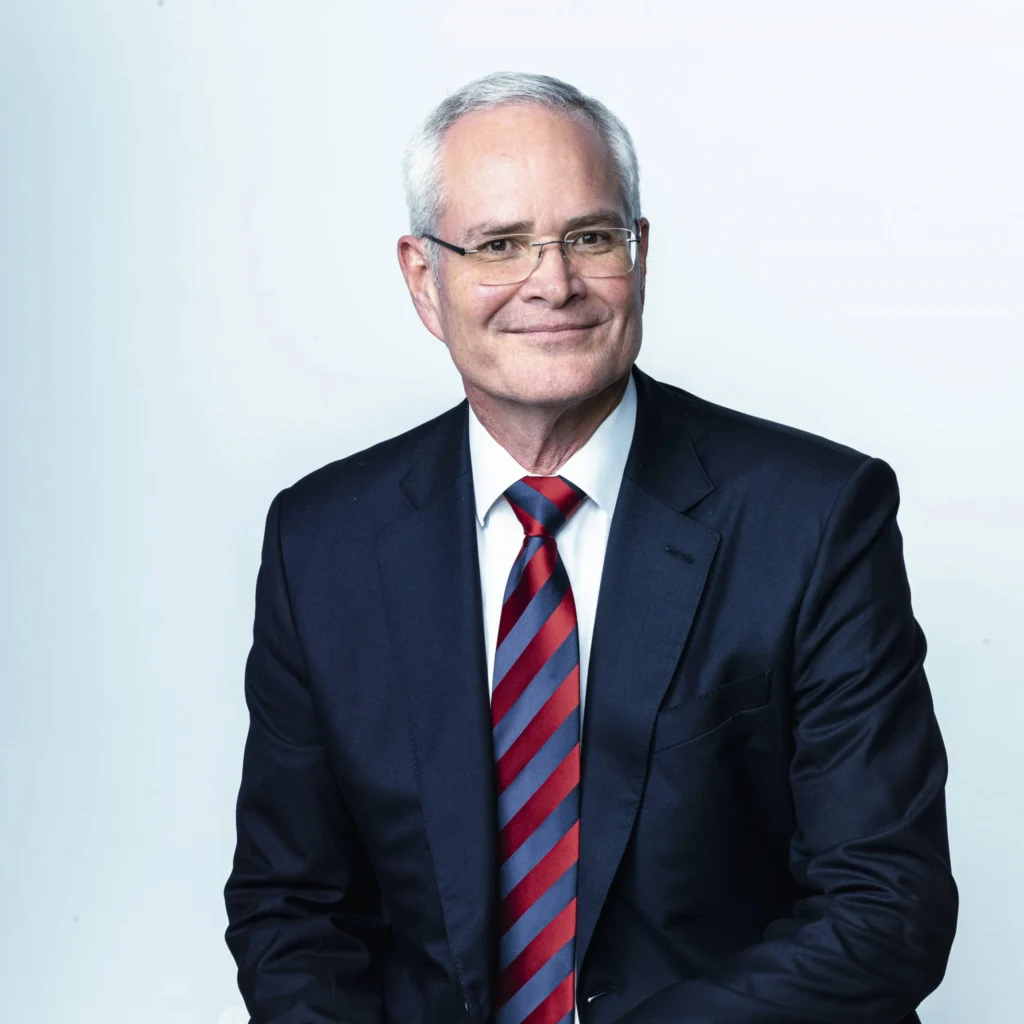

This was not merely a corporate transaction but a strategic consolidation of power within the Permian Basin, one of the most productive oil regions in the world. By securing a dominant position in this basin, Woods has ensured that ExxonMobil controls a critical share of American oil production, reinforcing its status as the premier Western major.
This focus on scale is not accidental. Woods understands that in a capital intensive industry, size brings resilience. Larger operations can absorb shocks, optimise costs, and invest in technologies that smaller competitors cannot afford. By expanding ExxonMobil’s footprint in key regions, he has created a platform that is both robust and adaptable.
At the same time, Woods has had to navigate increasing scrutiny from investors and policymakers. The debate around climate change has placed oil companies under intense pressure to demonstrate their commitment to sustainability. Woods’s response has been measured but firm. He acknowledges the importance of reducing emissions but argues that the transition must be grounded in economic reality. Abrupt shifts, he warns, could lead to supply shortages, price spikes, and broader instability.
His leadership style reflects this balance. Woods is not a confrontational figure, yet he is resolute in his views. He emphasises capital discipline, often resisting calls for rapid transformation in favour of steady, calculated progress.
This approach has helped stabilise ExxonMobil’s financial performance, particularly during periods of market turbulence. Internally, he is known for fostering a culture of accountability and technical excellence. Decision making is rigorous, with a strong emphasis on data and analysis. This has reinforced ExxonMobil’s reputation as a company that values precision and consistency over experimentation.
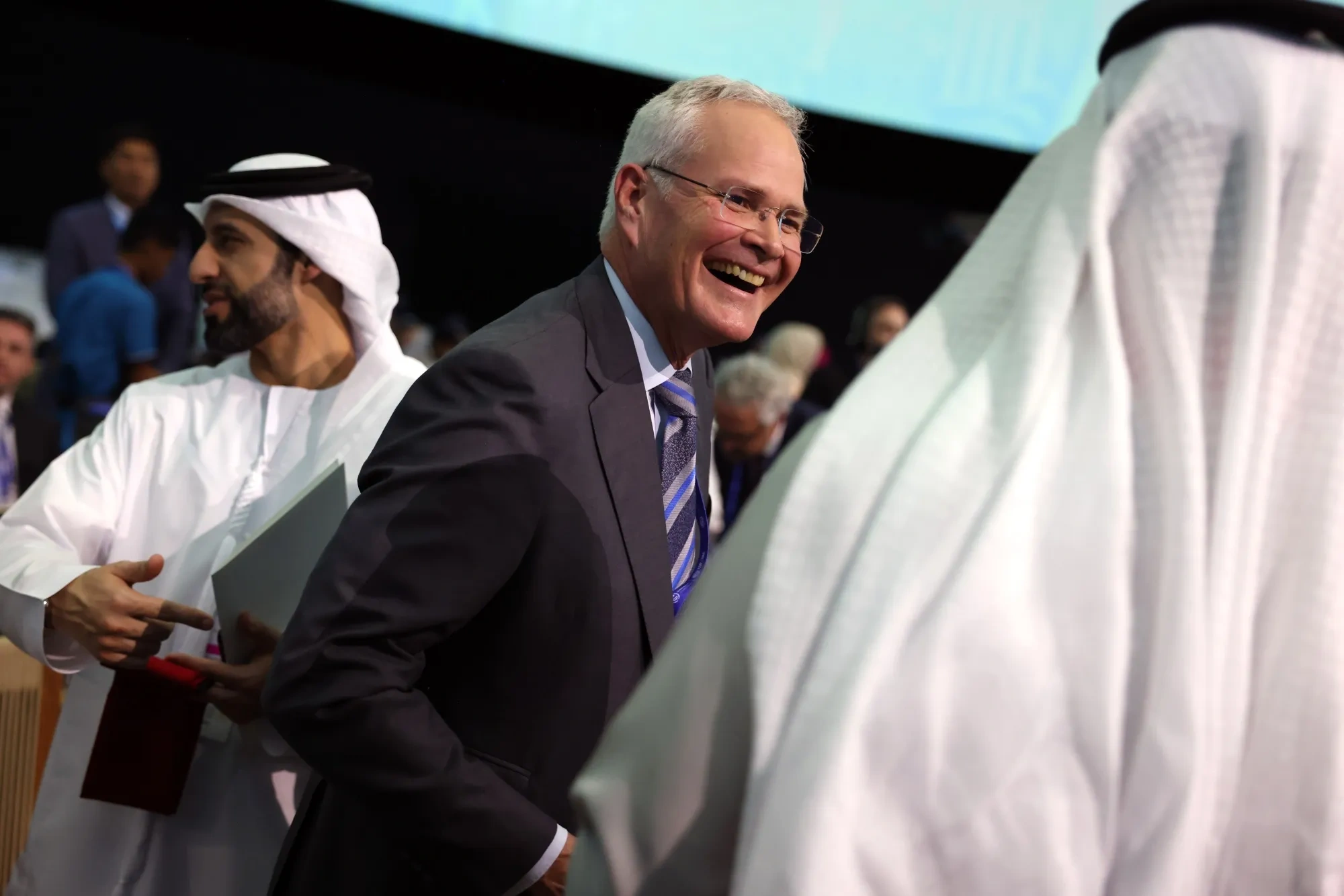
What ultimately defines Darren Woods is his belief in continuity. In a time when many are questioning the future of oil, he remains focused on its present and near term necessity. His strategy is not about resisting change but about managing it on his own terms, ensuring that ExxonMobil remains a central player regardless of how the energy landscape evolves. In doing so, he has positioned himself as one of the most influential figures in shaping the future of the industry.