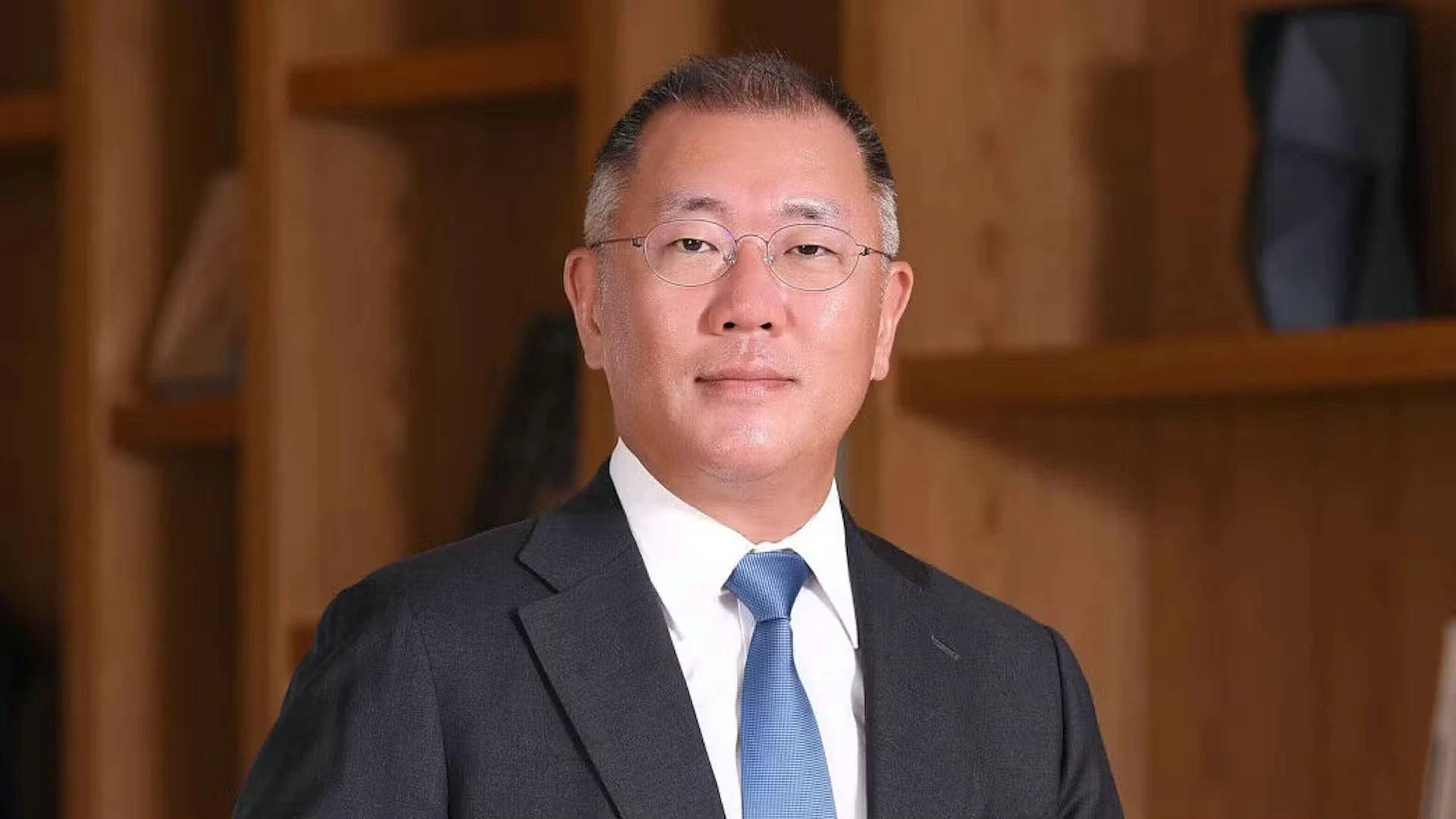
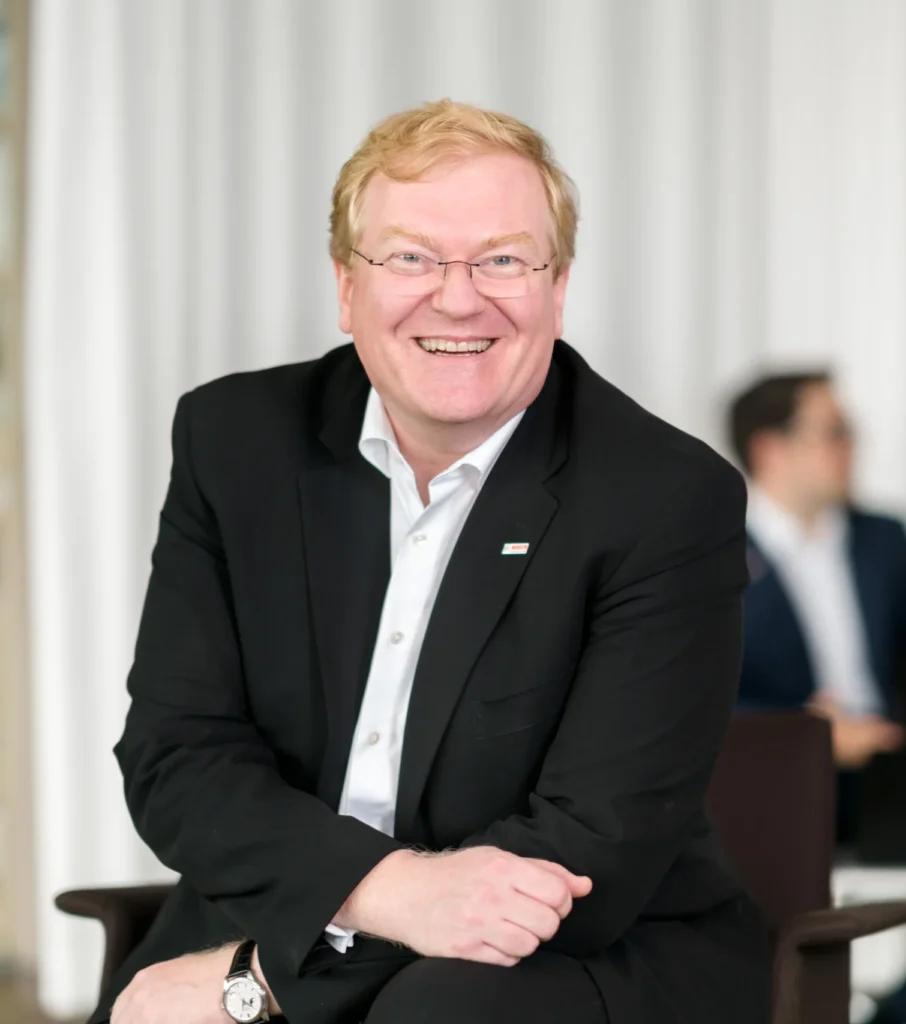
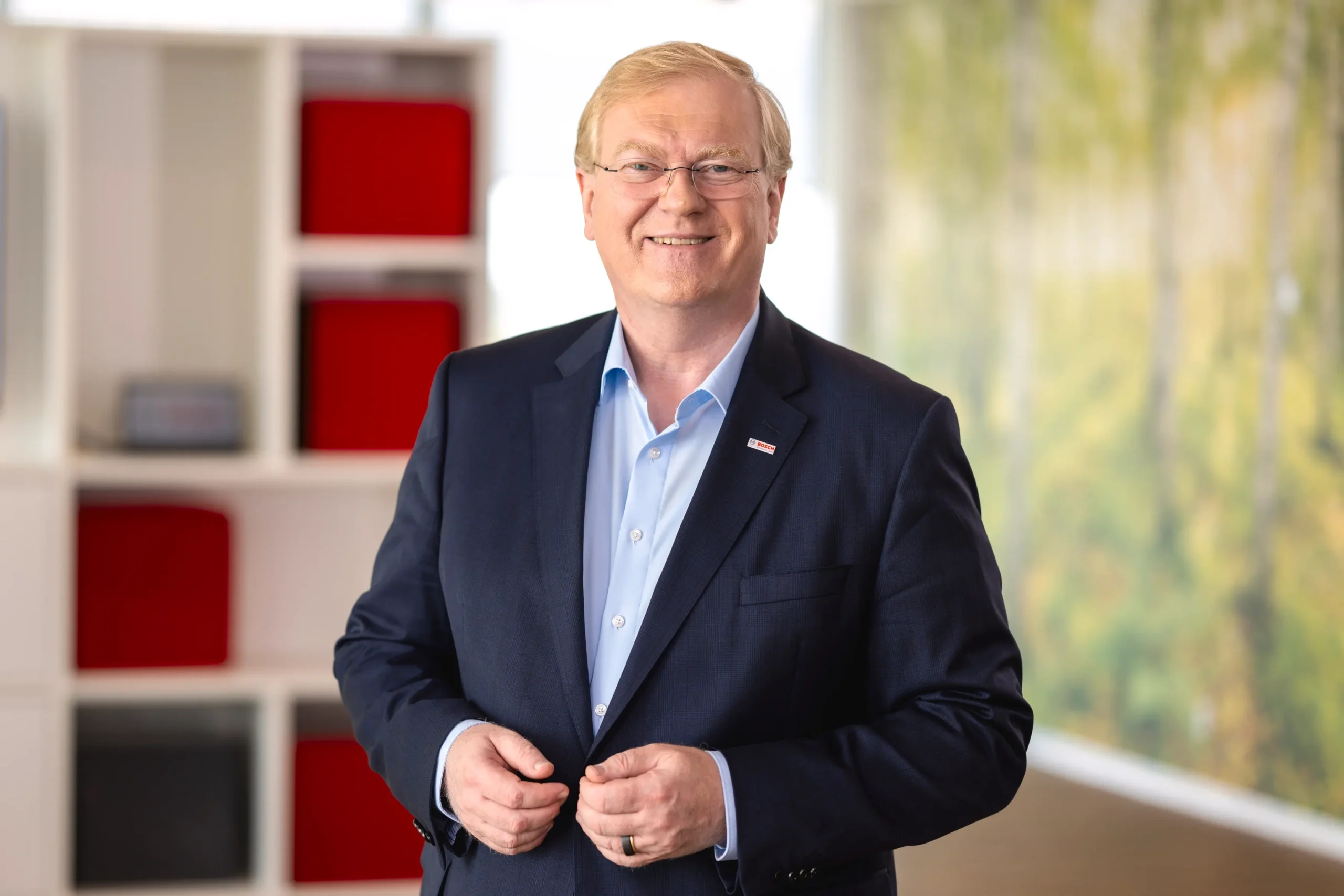
Stefan Hartung
The Invisible Power Behind the Global Automotive Industry
By Michelle Clark
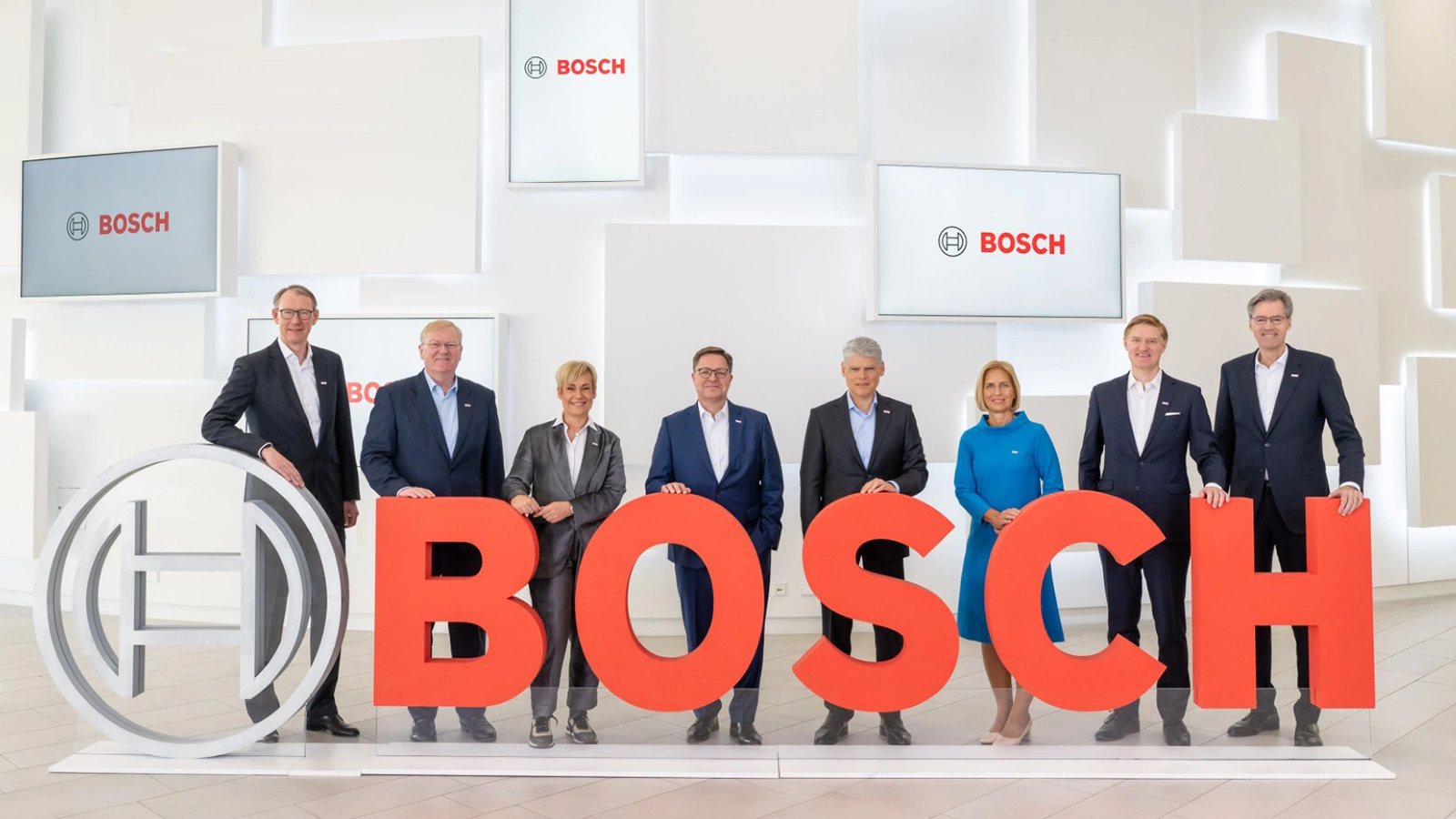
Public attention is often focused on vehicle manufacturers, celebrated designers and high profile chief executives who lead some of the world’s most recognisable brands. Yet behind every successful automobile stands a vast network of suppliers whose technologies determine how vehicles perform, operate and evolve. Among these companies, none exerts greater influence than Robert Bosch GmbH. At the helm of this industrial giant is Stefan Hartung, a leader whose decisions affect virtually every corner of the global automotive ecosystem.
Unlike the chief executives of major vehicle manufacturers, Hartung does not oversee a portfolio of consumer facing brands competing for showroom sales. His influence operates on a deeper and more fundamental level. As Chairman of the Board of Management of Robert Bosch GmbH, he leads the world’s largest automotive supplier, a company whose technologies are embedded in millions of vehicles produced by manufacturers across every major market. From braking systems and engine management technologies to electric powertrains and advanced driver assistance systems, Bosch products form the unseen foundation upon which modern mobility is built.
To understand Hartung’s significance, one must first understand Bosch’s role within the automotive industry. While consumers typically recognise the names displayed on vehicle grilles, industry insiders know that many of the technologies enabling those vehicles originate from suppliers. Bosch occupies a uniquely powerful position within this landscape. For generations, the company has supplied critical components and engineering expertise to virtually every major automotive manufacturer in the world.
This reach makes Hartung one of the most influential figures in transportation despite often remaining outside the public spotlight. When Bosch develops a new technology, it has the potential to influence dozens of manufacturers simultaneously. When Bosch invests in emerging mobility solutions, the effects ripple throughout the entire industry. In many respects, Hartung helps shape the technological direction of automotive development on a global scale.
His journey to this position reflects decades of experience in engineering, technology and industrial leadership. Hartung built his career through a combination of technical expertise and strategic management, developing a deep understanding of the complex systems that underpin modern manufacturing.
This background has proven particularly valuable during a period when the automotive sector is undergoing one of the most significant transformations in its history.
The transition from traditional combustion powered vehicles to electrified and software driven mobility presents extraordinary challenges. Manufacturers must invest heavily in new technologies while maintaining profitability. Consumers demand greater connectivity, enhanced safety and increasingly intelligent vehicle experiences. Regulatory requirements continue to evolve, placing additional pressure on manufacturers and suppliers alike.
Hartung’s leadership sits at the centre of these changes. Bosch occupies a unique position because it serves nearly every major automotive manufacturer while simultaneously developing technologies that will define the industry’s future. This dual responsibility requires balancing current customer needs with long term innovation. It also demands a willingness to invest in technologies that may not reach full commercial maturity for many years.
One of the most significant areas of focus under Hartung’s leadership has been electrification. Electric vehicles require fundamentally different systems and architectures compared with traditional automobiles. Batteries, electric motors, power electronics and energy management systems have become critical components of modern vehicle design. Bosch has responded by expanding its capabilities across these areas, positioning itself as a key supplier for manufacturers navigating the electric transition.
The scale of this opportunity is immense. Every major automotive company is investing in electrification, creating demand for advanced technologies capable of improving efficiency, reliability and performance. Under Hartung’s guidance, Bosch has continued to strengthen its position as a leading provider of solutions that support this transition. In doing so, the company helps enable the broader industry shift towards sustainable mobility.
Yet electrification represents only part of the story. Hartung also oversees Bosch’s extensive efforts in autonomous driving, connectivity and software development. Modern vehicles increasingly rely on sophisticated electronic systems capable of processing vast amounts of data in real time. Cameras, sensors, radar technologies and artificial intelligence are becoming essential components of the driving experience. Bosch plays a critical role in developing many of these technologies.
The significance of this work cannot be overstated. Autonomous and semi autonomous systems have the potential to transform transportation by improving safety, reducing accidents and enhancing mobility accessibility. While fully autonomous vehicles remain a long term objective, advanced driver assistance technologies are already becoming standard features in many markets. Bosch’s innovations help make these capabilities possible, placing Hartung at the forefront of one of the industry’s most important technological frontiers.
Another defining characteristic of his leadership has been a commitment to maintaining Bosch’s reputation for engineering excellence. The company has built its global standing through decades of technical innovation and manufacturing precision. Preserving this legacy while adapting to new technological realities requires a delicate balance between tradition and transformation.
Hartung understands that future competitiveness depends not only on developing groundbreaking technologies but also on delivering them reliably and at scale. Automotive manufacturers demand solutions that meet rigorous quality standards and perform consistently under demanding conditions. Bosch’s ability to satisfy these expectations remains one of its greatest strengths and a key factor behind its enduring influence.
The complexity of Hartung’s role is amplified by Bosch’s extraordinary diversity. Beyond automotive technologies, the company operates across industrial engineering, energy solutions, consumer products and smart infrastructure. Managing such a multifaceted organisation requires strategic clarity and operational discipline. Yet it also provides valuable opportunities for cross sector innovation, allowing technologies developed in one area to support advancements in another.
Industry observers often describe Bosch as one of the most important companies that many consumers rarely think about. This description highlights the unique nature of its influence. While manufacturers compete for customer attention, Bosch provides the technologies that enable those vehicles to function. Its innovations often determine the capabilities available to manufacturers and ultimately to consumers.
Hartung’s leadership therefore extends beyond traditional corporate management. He plays a role in shaping the future technological foundation of mobility itself. Decisions regarding research priorities, engineering investments and strategic partnerships have consequences that extend throughout the global automotive value chain.
The challenges facing the industry remain substantial. Competition is intensifying. Technological development cycles are accelerating. Software is becoming increasingly central to vehicle functionality. Sustainability requirements continue to evolve. Yet Bosch enters this future from a position of considerable strength, supported by deep engineering expertise, extensive customer relationships and a culture of innovation.
Stefan Hartung’s significance lies in the fact that he leads an organisation without which the modern automotive industry could scarcely function. While manufacturers receive much of the public recognition, Bosch supplies many of the critical technologies that make modern vehicles possible. Under his guidance, the company continues to influence everything from braking performance and powertrain efficiency to electrification and autonomous mobility.
As the industry advances towards a future defined by intelligent, connected and sustainable transportation, Hartung remains one of the most important figures shaping that journey. His work may often occur behind the scenes, but its impact is visible in millions of vehicles travelling roads across every continent. In many ways, he represents the invisible force driving automotive innovation forward.
The future of mobility will be determined not only by the brands consumers choose but also by the technologies embedded within those vehicles. Through his leadership of Bosch, Stefan Hartung is helping define those technologies and, in doing so, helping shape the future of the global automotive industry itself.