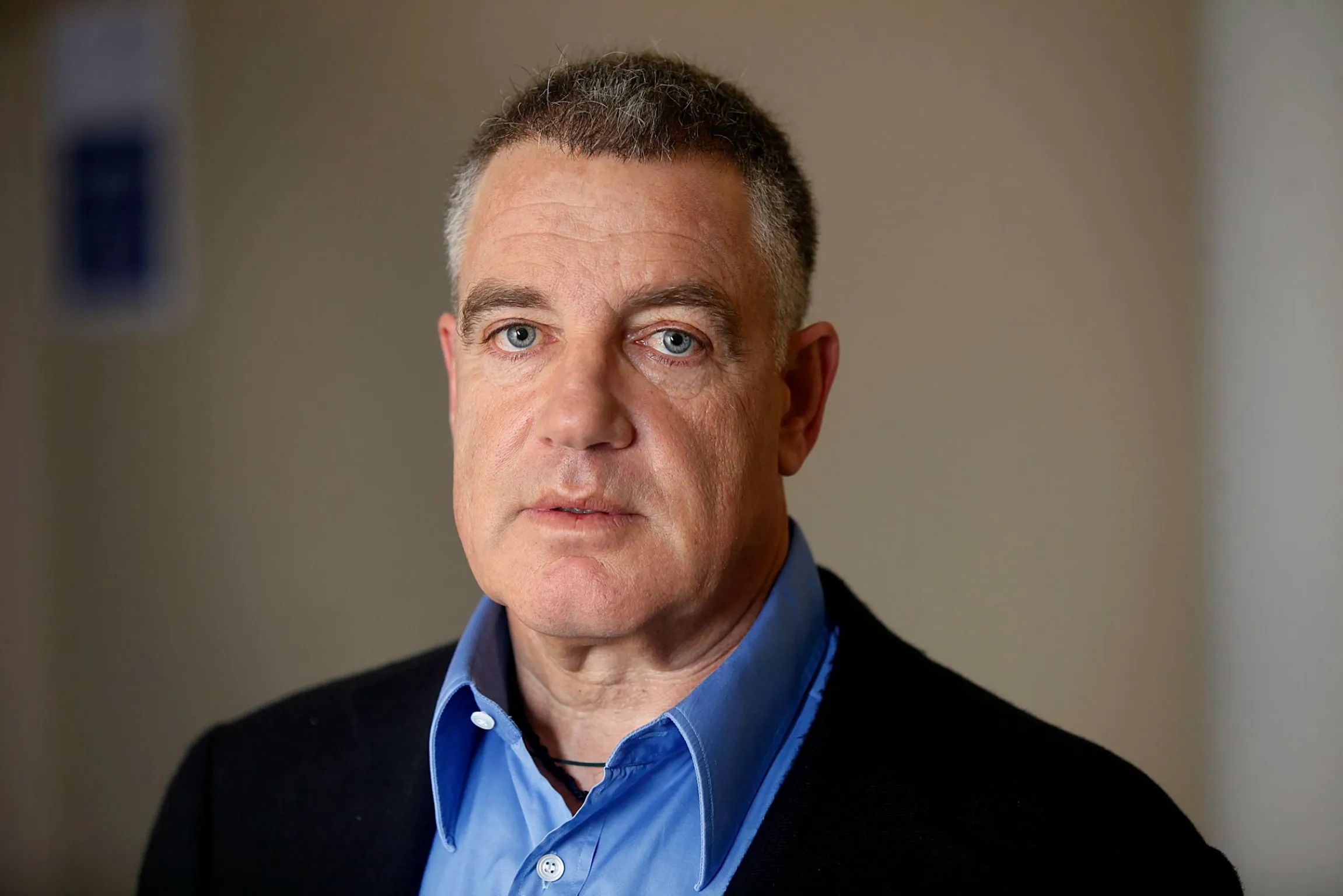
Elon Musk
The Architect of an Electric Revolution
By Jane Stevens
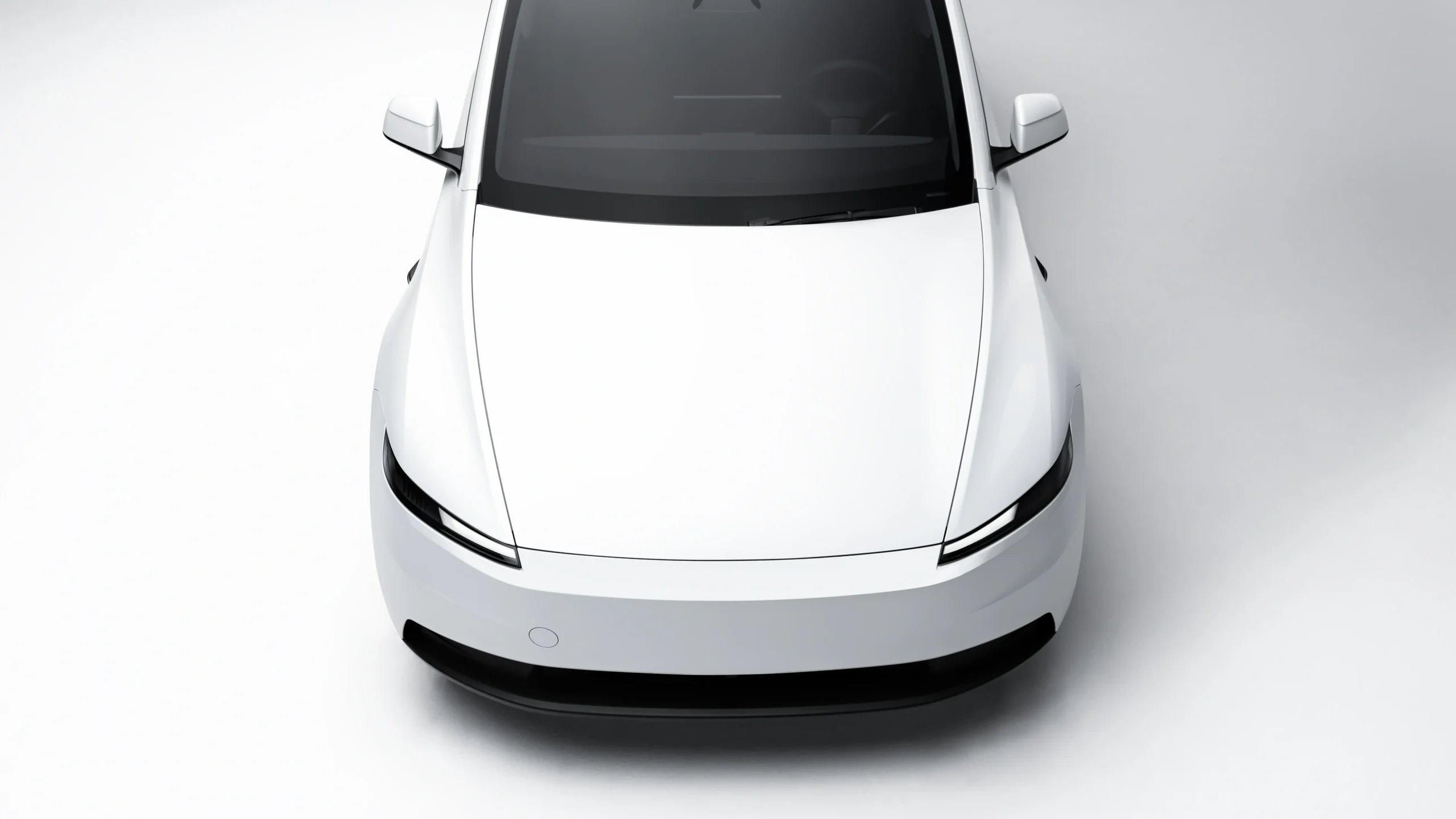
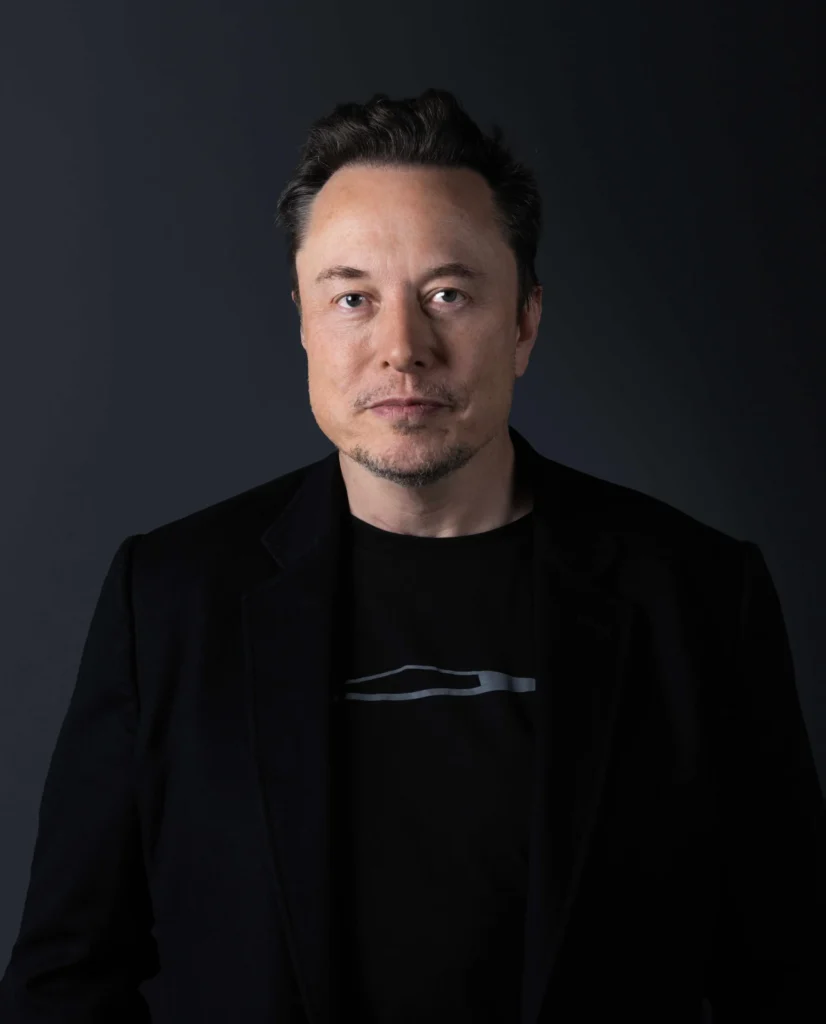
Few figures in modern business command attention quite like Elon Musk. Admired by supporters as a visionary and criticised by detractors as a disruptor, Musk remains one of the most influential entrepreneurs of the twenty first century. His impact reaches far beyond the automotive industry, extending into artificial intelligence, aerospace, energy storage, telecommunications and robotics. Yet among his many ventures, it is his leadership of Tesla that has fundamentally altered the trajectory of the global automotive sector and accelerated the world’s transition towards sustainable transport.
The story of Tesla under Elon Musk is not simply one of commercial success. It is a story of industrial transformation. When Tesla emerged as a young electric vehicle manufacturer, the automotive landscape was dominated by established giants with decades of heritage and immense manufacturing power. Electric vehicles were widely regarded as niche products with limited appeal, constrained by short driving ranges, inadequate charging infrastructure and widespread consumer scepticism. The prevailing view was that electric mobility represented a distant future rather than an immediate reality.
Musk challenged that assumption with relentless determination. While many automotive executives viewed electrification as an obligation imposed by regulators, Musk presented it as an opportunity to redefine mobility itself. His belief was straightforward yet ambitious. Electric vehicles should not merely compete with conventional cars. They should surpass them in performance, technology, efficiency and desirability.
This philosophy became evident through Tesla’s product strategy. Rather than beginning with inexpensive mass market vehicles, Tesla launched premium models that demonstrated what electric technology could achieve. The company’s early vehicles captured attention not because they were environmentally friendly but because they were exceptionally fast, technologically advanced and visually distinctive. This approach shifted public perception of electric vehicles from compromise products to aspirational machines.
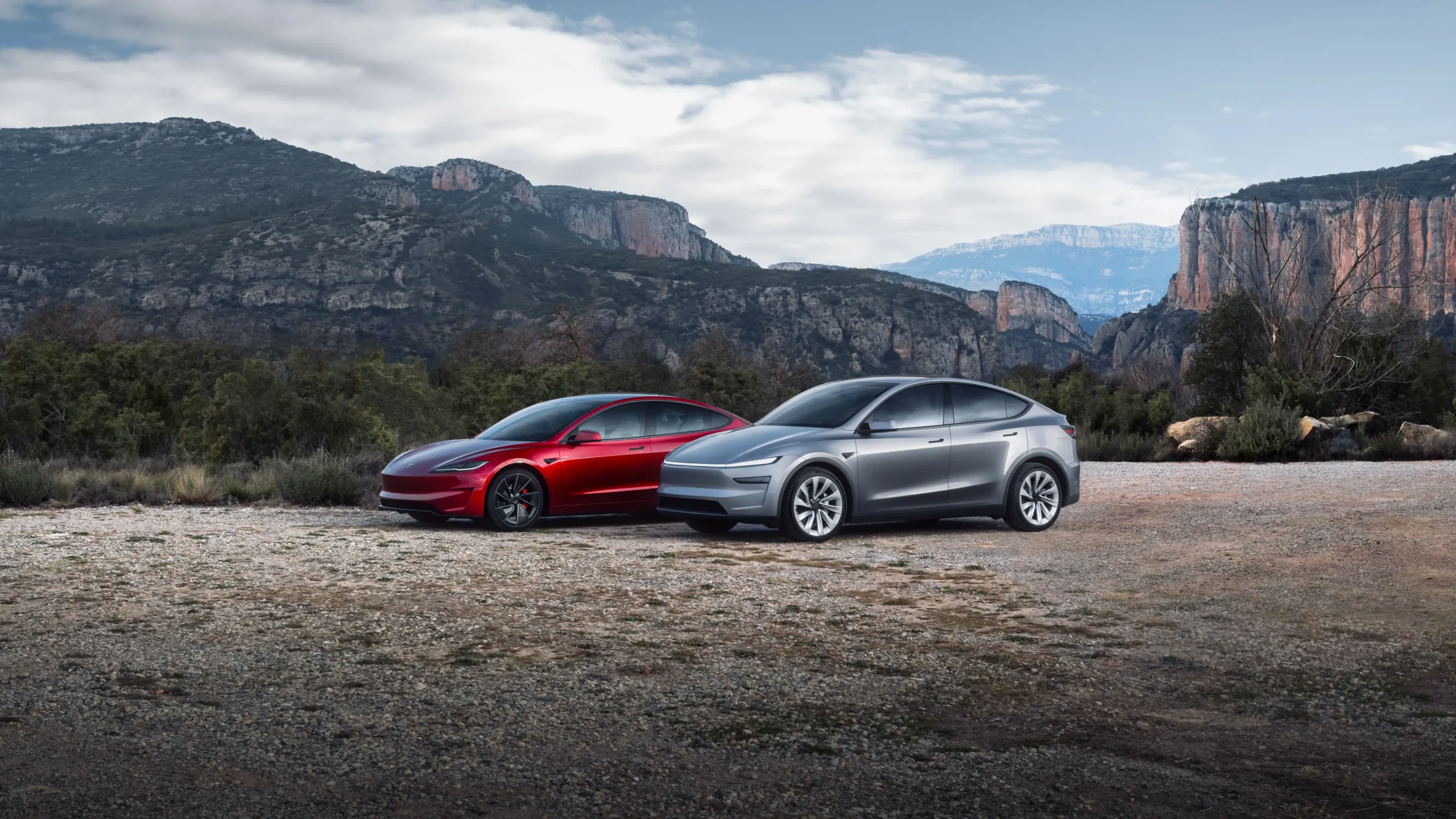
As Tesla expanded its portfolio, Musk continued to push boundaries. The introduction of vehicles such as the Model S, Model 3, Model X and Model Y transformed Tesla from a specialist manufacturer into a global automotive powerhouse. The Model Y in particular became a defining success story, emerging as one of the world’s best selling vehicles and proving that electric mobility could thrive at scale. Its popularity reflected changing consumer preferences but also demonstrated Tesla’s ability to combine practicality, innovation and performance in a single product.
Perhaps Musk’s most significant contribution lies not in vehicle design but in his understanding of technology as the central driving force behind automotive evolution. Under his leadership, Tesla has consistently positioned itself as a technology company that happens to manufacture cars. This distinction is crucial. Traditional automakers have historically focused on mechanical engineering, whereas Tesla places software at the heart of the ownership experience.
Over the air updates have become one of Tesla’s defining innovations. Instead of remaining static after purchase, Tesla vehicles continue to evolve through software improvements that enhance functionality, efficiency and user experience. Features can be added, refined or expanded remotely, creating a relationship between manufacturer and customer that extends far beyond the showroom floor. This model has since influenced competitors across the automotive industry, many of whom are now racing to replicate Tesla’s software driven approach.
Another pillar of Musk’s strategy has been the development of charging infrastructure. Recognising that widespread adoption of electric vehicles required more than compelling products, Tesla invested heavily in creating an extensive charging network. The Tesla Supercharger system addressed one of the greatest barriers to electric mobility by providing reliable and convenient long distance charging solutions. This infrastructure advantage became a powerful competitive differentiator and helped build consumer confidence in electric vehicle ownership.
Artificial intelligence represents another frontier where Musk’s ambitions continue to shape Tesla’s direction. The company’s investments in autonomous driving technology reflect his conviction that transportation will ultimately become increasingly automated. While the journey towards full autonomy remains complex and subject to regulatory scrutiny, Tesla’s extensive data collection capabilities and AI development efforts place it at the forefront of this technological race. Musk frequently describes the future not merely in terms of electric vehicles but as an ecosystem where software, artificial intelligence and transportation converge.
The scale of Tesla’s financial success under Musk’s leadership has been extraordinary. The company has achieved valuations that surpass many traditional automotive manufacturers combined, reflecting investor confidence in its long term potential. Such market dominance has transformed perceptions of what an automotive company can be. Tesla is no longer judged solely against car manufacturers. It is often compared with the world’s leading technology firms, highlighting the unique position it occupies in global industry.
Yet Musk’s journey has not been without controversy. His outspoken communication style, unconventional management methods and willingness to challenge established norms have generated both admiration and criticism. Public debates surrounding his leadership frequently dominate headlines. However, regardless of opinion, few can dispute his ability to influence markets, industries and public discourse on a remarkable scale.
What distinguishes Musk from many corporate leaders is his willingness to pursue objectives that appear improbable at the outset. Whether developing reusable rockets, expanding satellite communications networks or accelerating electric vehicle adoption, he consistently operates with a long term perspective that prioritises transformative outcomes over incremental improvements. This approach has enabled Tesla to maintain momentum even during periods of market uncertainty and broader challenges facing the electric vehicle sector.
His influence extends beyond Tesla itself. Virtually every major automotive manufacturer has accelerated electrification efforts in response to the competitive pressure Tesla created. Governments have introduced policies supporting electric mobility. Consumers have become increasingly receptive to sustainable transportation. Supply chains have adapted to growing battery demand. Entire industries have been reshaped by trends that Tesla helped accelerate.
The broader significance of Musk’s achievements lies in their demonstration that technological disruption can originate from outside established institutions. Tesla entered an industry dominated by powerful incumbents and succeeded in redefining expectations. This accomplishment serves as a case study in innovation, resilience and strategic vision.
As the global automotive sector enters a new era defined by electrification, automation and digital connectivity, Elon Musk remains one of its most influential architects. His leadership has transformed Tesla from a bold experiment into a company that shapes the future of transportation. Whether viewed as a visionary entrepreneur, a technological pioneer or a disruptive force, his impact on the modern world is undeniable.
The electric revolution is no longer a forecast. It is a reality unfolding on roads across every continent. At the centre of that transformation stands Elon Musk, a figure whose ambition has challenged conventions, accelerated innovation and permanently altered the direction of one of the world’s most important industries. His legacy will ultimately be measured not only by the success of Tesla but by the extent to which he changed humanity’s relationship with technology, energy and mobility itself.