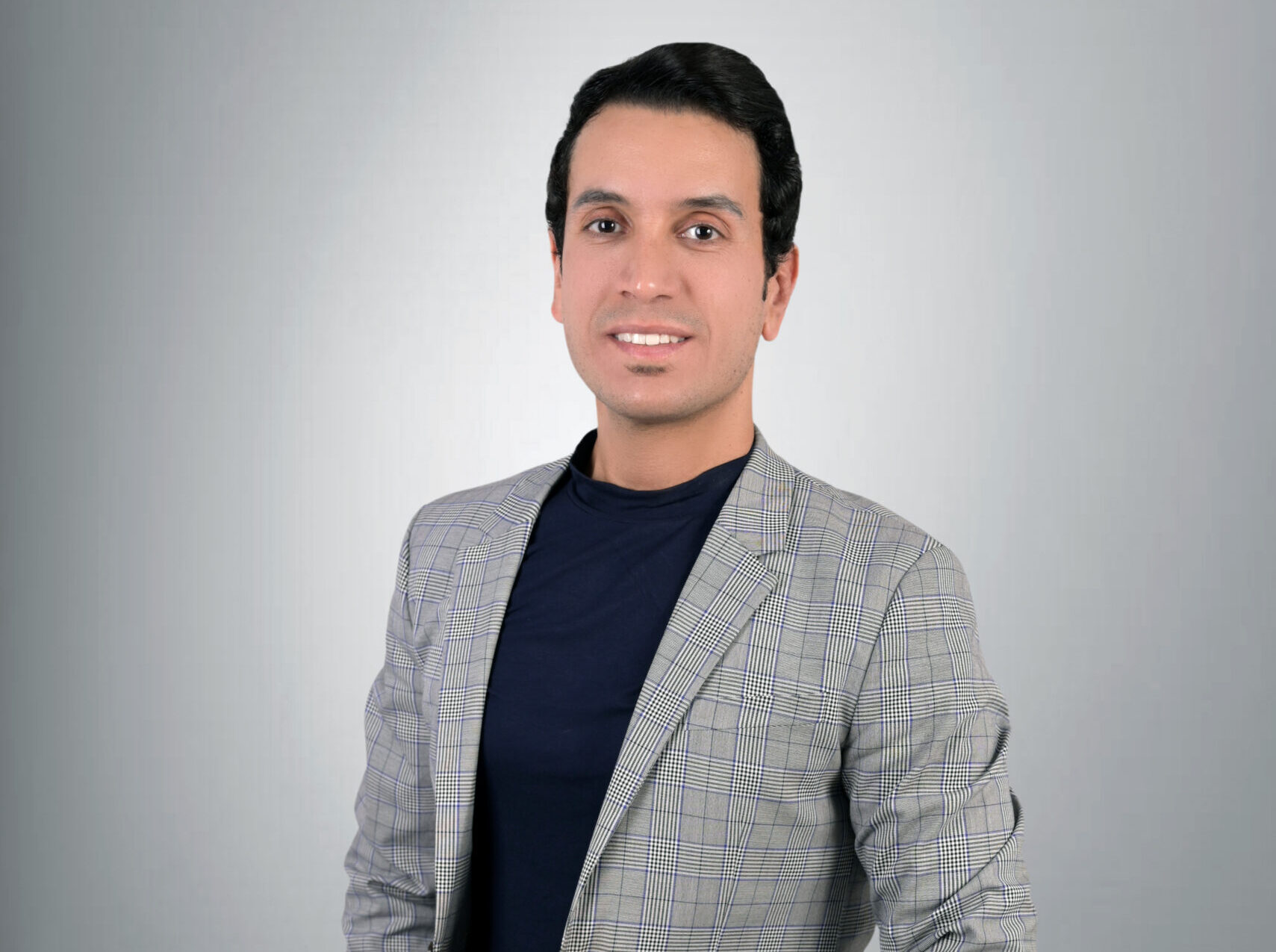
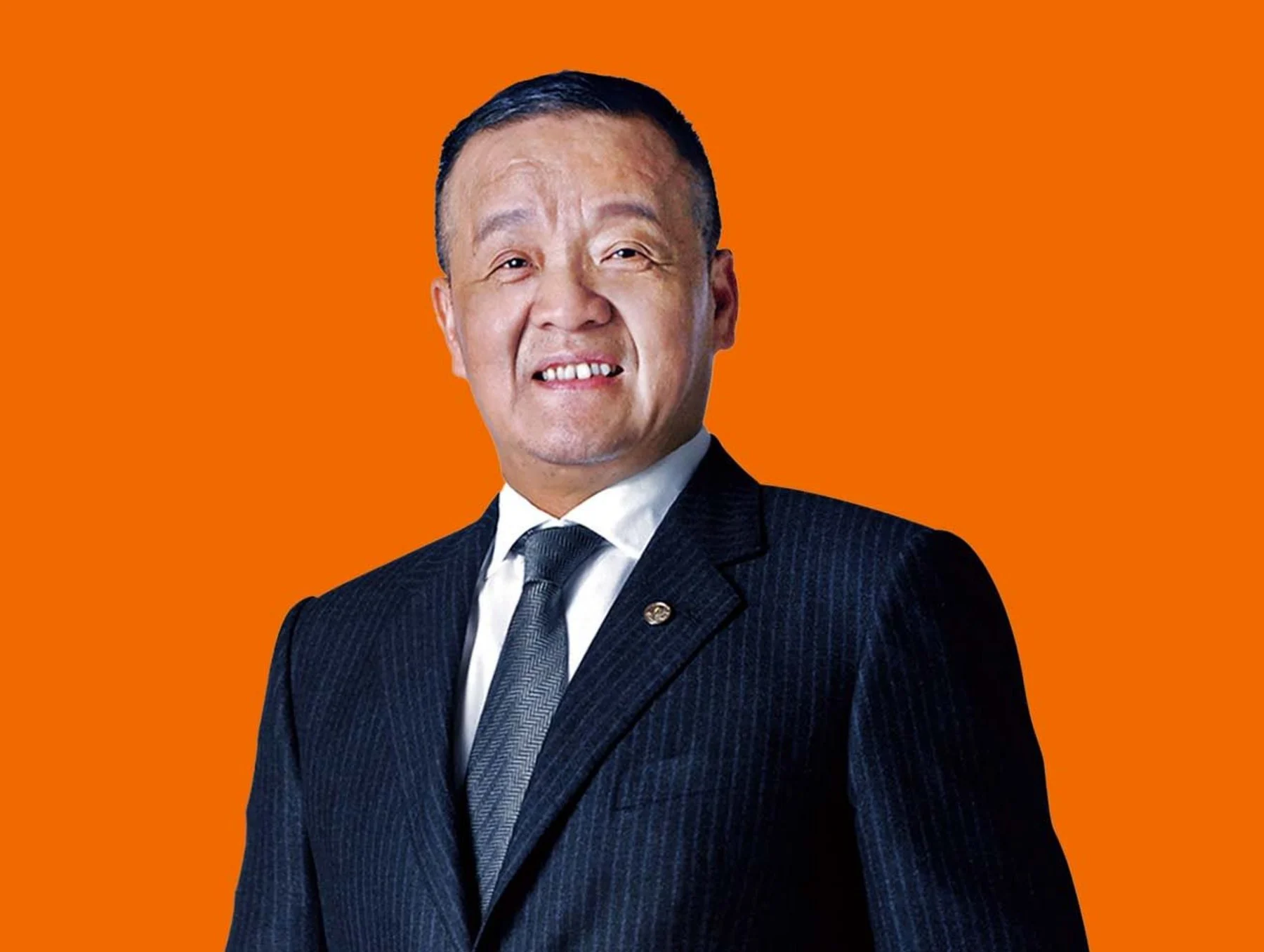
Jim Retchin
The Resolute Custodian Steering American Healthcare Through an Era of Human Fragility
By Michelle Clark
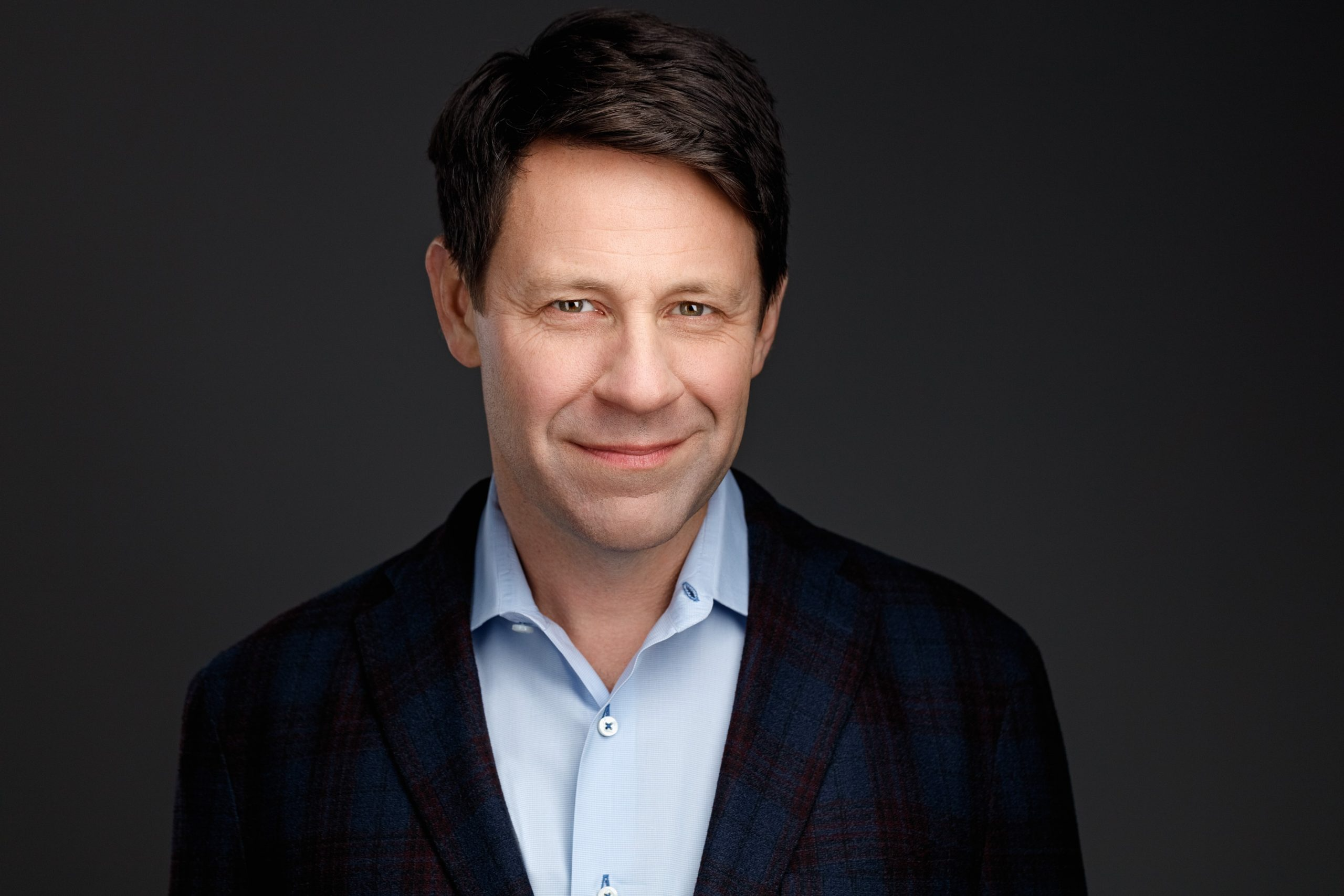
Baleful pressures often shape the character of leaders long before the public fully recognises their significance. Within the immense and deeply contested landscape of American healthcare, where commercial ambition collides daily with human vulnerability, Jim Rechtin has emerged as a figure defined by composure, strategic discipline and a distinctly modern understanding of care itself. Reserved yet purposeful, analytical yet deeply attuned to the human dimensions of medicine, Rechtin represents a generation of healthcare leadership increasingly shaped by integration, technology and demographic transformation rather than the rigid orthodoxies of traditional insurance administration.
As chief executive of Humana, Rechtin inherited stewardship of one of the most influential organisations within the United States healthcare system. Humana occupies a uniquely sensitive position in American medicine, particularly through its extensive involvement in Medicare Advantage plans and healthcare services for older citizens. The company’s fortunes are intimately tied to some of the most consequential issues facing modern America, namely ageing populations, rising medical costs, chronic illness and the growing strain upon healthcare infrastructure itself. To lead such an institution requires not merely operational competence but immense strategic resilience and political dexterity.
Rechtin’s rise to corporate prominence reflects a notably disciplined and multidimensional career path. Unlike executives cultivated solely within insurance bureaucracy, he accumulated experience across healthcare services, technology and operational management. Educated at DePauw University before later earning an MBA from Harvard Business School, he developed a reputation for analytical sharpness and broad systems thinking. Earlier roles at companies including UnitedHealth Group and Envision Healthcare exposed him to the immense structural complexity underpinning American healthcare delivery.
Those experiences shaped a leadership philosophy grounded less in abstract financial engineering and more in operational integration. Rechtin appears acutely aware that healthcare fragmentation remains one of the central failures of the American system. Patients often navigate bewildering networks of providers, insurers and administrative barriers, while healthcare organisations struggle with inefficiency and duplication.

Under his leadership, Humana increasingly emphasised coordinated care models designed to improve patient outcomes while controlling long term costs.
When Rechtin assumed the role of chief executive in 2024, the healthcare industry was confronting extraordinary turbulence. Inflationary pressure, labour shortages, political polarisation and mounting regulatory scrutiny had intensified instability across the sector. Simultaneously, Medicare Advantage programmes faced growing examination from policymakers and critics questioning the financial incentives embedded within private healthcare administration. Rechtin therefore inherited leadership during a moment when strategic miscalculation could carry enormous consequences.
His response reflected remarkable steadiness. Rechtin projects a notably restrained public persona, avoiding the flamboyant self promotion increasingly common among corporate leaders. There is a calm and almost clinical precision to his communication style, one rooted in systems thinking and institutional discipline rather than emotional spectacle. This composure became particularly valuable within a healthcare environment often dominated by political noise and public frustration.
Observers frequently note his emphasis upon patient centred care and preventative health strategies. Rechtin consistently argues that healthcare organisations must evolve beyond reactive treatment models towards more proactive engagement with long term wellbeing. Under his guidance, Humana intensified focus upon primary care integration, home based healthcare services and digital health capabilities. Such priorities reflect a broader recognition that ageing populations require more coordinated and personalised medical support rather than fragmented episodic intervention.
Home healthcare in particular became an increasingly important dimension of Humana’s strategic direction. Rechtin recognised that demographic trends were reshaping the economics and logistics of care delivery across the United States. Millions of older Americans preferred receiving treatment and support within their own homes whenever possible, both for comfort and cost efficiency. Humana therefore expanded investment in services designed to strengthen healthcare delivery outside conventional hospital environments.
This strategy also revealed Rechtin’s understanding of healthcare as fundamentally human rather than merely transactional. Modern medicine increasingly revolves around chronic condition management, behavioural health and quality of life rather than singular episodes of acute intervention. Rechtin appears particularly attuned to this transition. His public remarks often emphasise dignity, accessibility and continuity of care, especially for elderly populations navigating complex medical realities.
Yet beneath this measured and empathetic language lies considerable strategic toughness. The healthcare insurance sector remains fiercely competitive, shaped by razor thin margins, regulatory uncertainty and relentless political scrutiny. Humana itself has faced criticism concerning healthcare costs, reimbursement structures and the broader controversies surrounding Medicare Advantage programmes. Rechtin therefore operates within an environment where every executive decision carries both financial and social consequences.
His handling of these pressures has generally reflected disciplined pragmatism. Rather than engaging in ideological confrontation, Rechtin focuses upon operational performance and long term positioning. He consistently frames healthcare challenges as structural problems requiring coordinated solutions involving insurers, clinicians, technology providers and government agencies alike. Some observers interpret this as thoughtful realism suited to modern healthcare complexity. Others regard it as polished corporate language obscuring deeper systemic inequities. Regardless of interpretation, few dispute his strategic competence.
Technology also occupies a central role within his broader vision for Humana. Rechtin understands that digital infrastructure, predictive analytics and integrated data systems are rapidly transforming healthcare management. Under his leadership, the company strengthened efforts to utilise technology for care coordination, risk assessment and patient engagement. Yet unlike certain executives seduced by technological hype, Rechtin approaches innovation with notable restraint. Technology in his framework functions as a practical instrument for improving care delivery rather than an ideological end in itself.
The broader economic climate during his tenure has intensified the significance of such strategic discipline. Rising healthcare utilisation, demographic ageing and cost inflation continue exerting immense pressure upon insurers and providers alike. Investors increasingly demand both profitability and operational resilience, while regulators scrutinise corporate conduct with growing intensity. Rechtin’s calm and methodical leadership style therefore serves not merely as personal temperament but as a stabilising institutional asset.
There is also a distinctly modern quality to his executive philosophy. Rechtin belongs to a generation of healthcare leaders shaped by interdisciplinary thinking rather than narrow insurance orthodoxy. His worldview reflects an understanding that healthcare corporations increasingly operate as interconnected ecosystems spanning medical services, technology, behavioural health and home based care. This perspective has influenced Humana’s strategic evolution profoundly.
Financial markets have generally responded favourably to his disciplined approach, particularly his focus upon long term sustainability rather than short term theatrics. Investors often value executives capable of projecting continuity and operational competence during periods of uncertainty, and Rechtin cultivated precisely that reputation.
What distinguishes him most clearly, however, is perhaps his understanding of vulnerability itself. Healthcare leadership differs fundamentally from many other forms of corporate authority because it operates directly within the most fragile dimensions of human life. Ageing, illness and mortality are not abstract market variables but deeply personal realities affecting millions. Rechtin appears unusually conscious of this fact. His leadership style consistently projects seriousness rather than vanity, stewardship rather than spectacle.
As American healthcare continues confronting demographic upheaval, political contention and technological transformation, Rechtin’s influence will likely deepen further. Admirers will portray him as a disciplined moderniser who strengthened Humana’s focus upon integrated and patient centred care. Critics will continue questioning the broader role of private insurers within publicly funded healthcare structures. Both perspectives illuminate the complexity surrounding modern healthcare leadership itself.
What remains undeniable is the scale of his responsibility and influence. Jim Rechtin now stands among the central figures shaping how healthcare is delivered to millions of Americans during an era of profound uncertainty and change. Through strategic restraint, operational focus and a deeply modern understanding of coordinated care, he has begun steering Humana towards a future where healthcare increasingly extends beyond hospitals and insurance forms into the broader architecture of daily human wellbeing.
Beneath his measured exterior resides a leader acutely aware that healthcare is never merely commercial. It is personal, societal and profoundly consequential. In an age saturated with executive spectacle and corporate noise, Jim Rechtin represents something rarer and perhaps more durable, namely a steward focused less upon acclaim and more upon the difficult task of sustaining care within an increasingly fragile world.