Vicki Hollub
The Pioneer Bridging Oil and the Future of Carbon Removal
By Sidra Asif
Vicki Hollub has emerged as one of the most distinctive and consequential leaders in the global energy sector, combining deep technical expertise with a willingness to embrace new and unconventional ideas. As Chief Executive of Occidental Petroleum, she has reshaped the company’s identity, transforming it into a leader not only in traditional oil and gas production but also in the rapidly developing field of direct air capture. Through this dual focus, she has positioned Occidental at the forefront of efforts to address climate change while still operating within the realities of the modern energy system.
Hollub’s career began far from the boardroom, in the oil fields where she built a strong foundation in reservoir management, drilling operations, and production techniques. This hands-on experience has remained central to her leadership philosophy. Unlike many executives who rise through purely financial or managerial paths, Hollub understands the technical and operational core of the business at a granular level. This perspective allows her to make decisions grounded in practical knowledge, giving her credibility with engineers, geologists, and field workers alike.
Her rise to the top of Occidental was marked by persistence, discipline, and resilience. Entering a traditionally male-dominated industry, she faced structural and cultural barriers that have historically limited the advancement of women in energy. Rather than positioning herself as an outsider, Hollub built her reputation through performance and technical mastery. When she became CEO, she did so not as a symbolic figure, but as a proven operator with decades of experience. Her leadership style reflects this background: direct, analytical, and focused on measurable outcomes rather than abstract promises.
A defining feature of Hollub’s tenure has been her strategic vision for the future of energy. While many leaders in the oil and gas sector have approached the energy transition cautiously, she has taken a more proactive stance. Central to this vision is the development of direct air capture (DAC) technology, which removes carbon dioxide directly from the atmosphere. This approach represents a significant departure from traditional emissions reduction strategies, which typically focus on preventing emissions at the source rather than reversing them after the fact.
For Hollub, direct air capture is not a contradiction of Occidental’s core business but a natural extension of it. The company’s longstanding expertise in subsurface geology, enhanced oil recovery, and carbon dioxide management provides a strong foundation for scaling carbon removal technologies. By capturing CO and storing it underground, or even reusing it in industrial processes, Occidental aims to create a closed-loop system that reduces the net environmental impact of fossil fuel use.
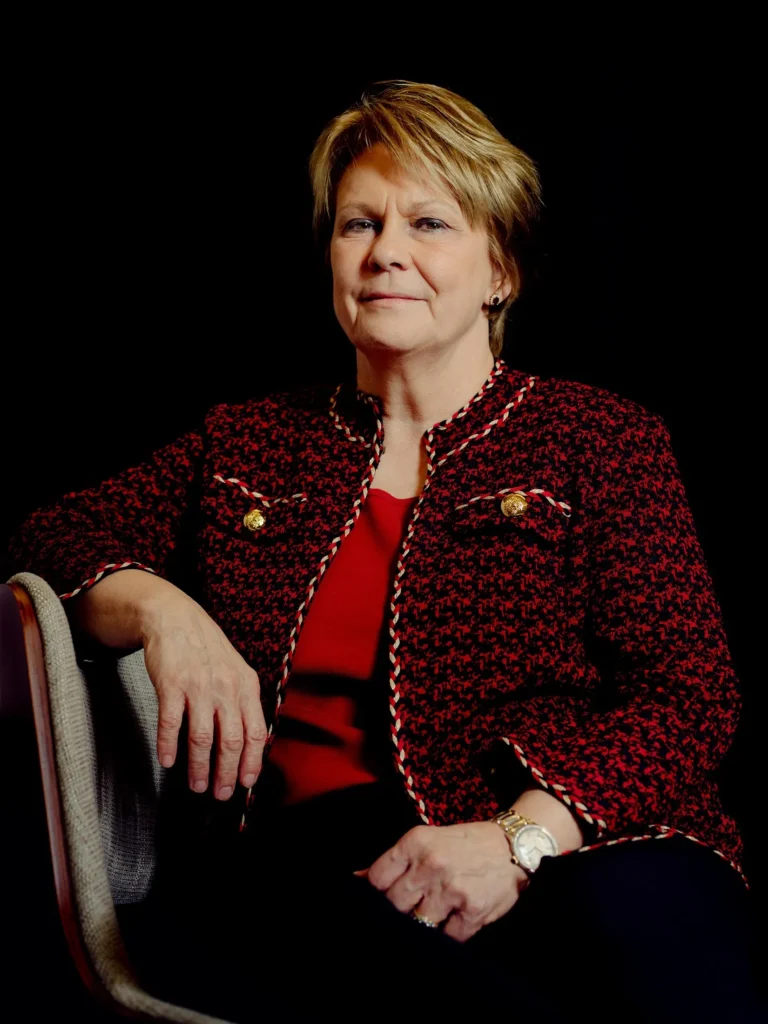
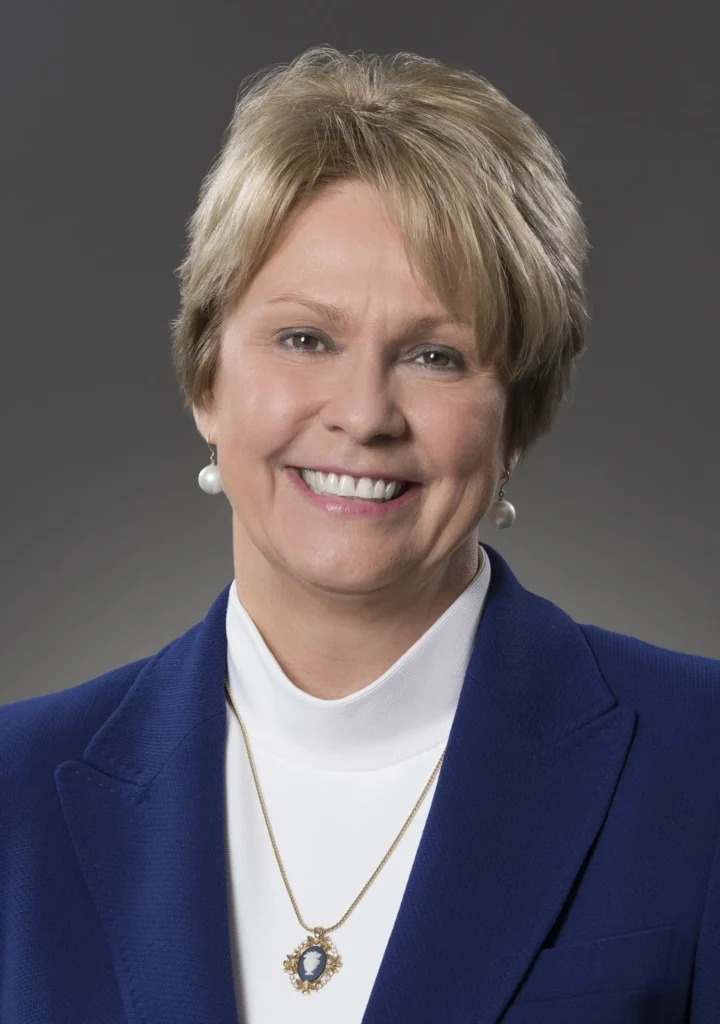
This integration of legacy capabilities with emerging technologies reflects Hollub’s broader strategic mindset. Rather than viewing the future of energy as a binary choice between fossil fuels and renewables, she sees it as a complex, transitional landscape where multiple solutions must coexist. Oil and gas, in her view, will continue to play a critical role in global energy supply for decades to come. At the same time, new technologies like DAC can help mitigate their environmental consequences, creating a more balanced and sustainable system.
Hollub’s approach has also been shaped by her relationship with long-term investors who are willing to support ambitious, capital-intensive projects. This backing has provided Occidental with the financial stability needed to invest in large-scale carbon capture infrastructure, which requires significant upfront costs and long development timelines. Rather than pursuing short-term gains, Hollub has emphasized disciplined investment and long-term value creation, aligning the company’s strategy with broader structural shifts in the energy market.
Her leadership style is both pragmatic and forward-looking. She does not dismiss the challenges of climate change, nor does she underestimate the scale of transformation required to address it. At the same time, she remains grounded in the operational realities of the energy industry. This balance allows her to navigate competing pressures—from environmental concerns to shareholder expectations—without resorting to overly simplistic solutions.
Importantly, Hollub’s vision challenges conventional narratives about the role of oil companies in a low-carbon future. Instead of positioning Occidental as a company in decline, she presents it as an evolving enterprise capable of adapting its expertise to new challenges. This reframing is significant, as it suggests that traditional energy companies can play an active role in climate solutions rather than being sidelined by them.
In an industry often characterized by caution and incremental change, Hollub stands out as a leader willing to take calculated risks. Her commitment to direct air capture, in particular, reflects a belief that technological innovation can unlock new pathways for addressing climate change.
While the commercial viability of DAC is still being tested, her early investment in the field positions Occidental as a potential leader if the technology scales successfully. At the same time, Hollub’s strategy is not without controversy. Critics argue that carbon capture technologies could prolong reliance on fossil fuels by offering a way to offset emissions rather than eliminate them. Hollub acknowledges these concerns but maintains that a comprehensive approach to climate change must include both emissions reduction and carbon removal. In her view, the scale of global emissions is simply too large to be addressed by a single solution.
Ultimately, Vicki Hollub’s influence lies in her ability to connect traditional strengths with emerging opportunities. She represents a new kind of energy leader—one who does not abandon the past but builds upon it to create a different future. By bridging the gap between oil production and carbon removal, she is helping to redefine what it means to be an energy company in the twenty-first century.
Her legacy will likely be measured not only by Occidental’s financial performance, but by its role in shaping the trajectory of the energy transition. Whether direct air capture fulfills its promise or not, Hollub’s willingness to invest in bold, unconventional ideas has already set her apart. In doing so, she has created a model of leadership that is both innovative and grounded in reality—one that recognizes the complexity of the present while actively working to shape the future.