Uncategorized

Eight to Twelve Weeks of Fire, The Global Economic Shockwave of a Prolonged Middle East Conflict
Uncategorized

Eight to Twelve Weeks of Fire, The Global Economic Shockwave of a Prolonged Middle East Conflict

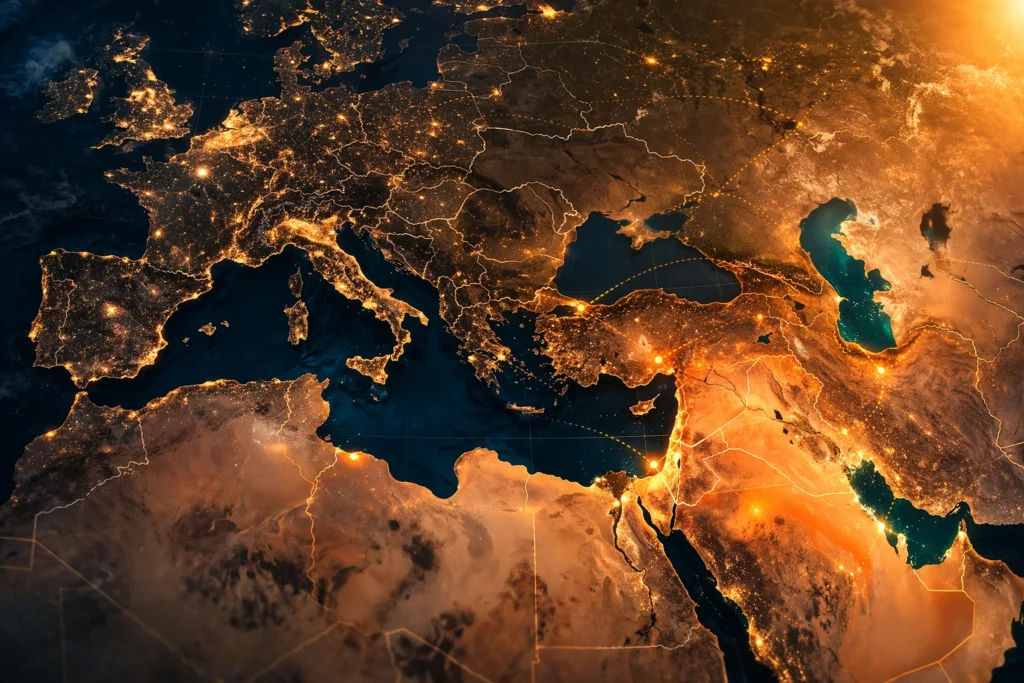
Eight to Twelve Weeks of Fire, The Global Economic Shockwave of a Prolonged Middle East Conflict By Editorial Desk If the current Middle East conflict stretches into an eight to twelve week war, the economic consequences will not remain confined to the battlefield. The region sits at the center of global energy networks, strategic shipping lanes and sensitive financial flows. Any sustained military escalation would ripple through oil markets, trade routes, inflation trends and investment confidence worldwide. What begins as a regional conflict can quickly transform into a global economic stress test. The Middle East produces roughly a third of the world’s oil supply and controls maritime corridors that are essential to global trade. When military tensions rise in this region, energy markets react immediately. Oil traders price in risk long before physical supply disruptions occur. Even the perception of instability around the Gulf can push crude prices upward. If a conflict lasts eight to twelve weeks, sustained uncertainty alone could drive oil prices significantly higher, potentially pushing global crude well above recent benchmarks. Rising energy prices are often the first and most visible economic impact of war in the region. Oil is not just fuel for transportation. It is embedded in manufacturing, agriculture, shipping and electricity generation. When oil prices rise sharply, production costs increase across industries. Airlines face higher fuel bills, food prices climb due to transportation costs, and manufacturing margins shrink. For many economies that are still dealing with the lingering effects of inflation from the past few years, a new oil shock would complicate economic recovery. Gas markets would also feel pressure. Several Middle Eastern countries play an important role in global liquefied natural gas exports. If shipping routes or production facilities become vulnerable during a prolonged conflict, natural gas prices could rise sharply in Europe and parts of Asia that rely on imported energy. Energy security would once again become a political priority for governments that hoped the worst of the global energy crisis had already passed. Shipping disruptions represent another major economic risk. The region sits next to critical maritime passages such as the Strait of Hormuz and the Red Sea corridor. A large share of global oil shipments pass through these routes each day. If conflict expands to threaten tanker traffic or insurance costs for shipping rise dramatically, trade could slow. Shipping companies might reroute vessels around Africa, adding weeks to delivery times and increasing transportation costs. These delays would ripple through global supply chains that are already sensitive after the pandemic years. Financial markets tend to respond quickly to geopolitical risk. A prolonged Middle East war would likely increase volatility across global stock exchanges. Investors typically move money toward safe assets during periods of uncertainty. Gold prices often rise and government bonds in major economies attract demand. Emerging markets, however, often suffer capital outflows when investors seek stability. Countries that depend on foreign investment could face currency pressure and higher borrowing costs. Inflation is another global concern. Higher energy prices feed directly into consumer costs. If oil prices remain elevated for several weeks, central banks around the world could face renewed pressure. Policymakers who had been considering interest rate cuts might be forced to delay them in order to prevent inflation from accelerating again. This would slow economic growth in several major economies and potentially delay recovery in countries that have struggled with high borrowing costs. The Middle East region itself would experience uneven economic consequences. Oil exporting countries might see short term revenue gains if crude prices surge. Governments in the Gulf often benefit financially during periods of high energy prices. Increased oil income can strengthen government budgets and foreign reserves. However, the benefits are rarely straightforward. War creates uncertainty that discourages investment, tourism and long term economic planning. Tourism would be among the first sectors to suffer. Several countries in the region have invested heavily in tourism as part of broader economic diversification plans. Flights are often reduced during periods of conflict and international travelers tend to avoid regions perceived as unstable. Hotels, airlines and hospitality industries could see sharp declines in bookings if the conflict continues for weeks. Even countries not directly involved in fighting can experience economic losses because travelers avoid the wider region. Trade within the Middle East would also slow. Regional supply chains link multiple economies through energy exports, construction projects and manufacturing networks. If shipping routes face disruption or governments prioritize military logistics, commercial trade could decline. Construction projects funded by regional investors might pause as companies reassess risk. Infrastructure plans that depend on cross border cooperation could face delays. Foreign direct investment is another vulnerable area. Investors prefer predictable environments when committing long term capital. A war lasting eight to twelve weeks sends a signal of instability even if it eventually ends without major regional expansion. Global corporations could postpone investment decisions in sectors such as technology, infrastructure or real estate. Sovereign wealth funds in the region might also shift their strategies, focusing more on overseas investments as a hedge against regional uncertainty. Currency stability could become a challenge for some Middle Eastern economies. Countries with strong oil revenues and large reserves may weather the storm with relative stability. Others that rely on imports and external financing might struggle if global investors become cautious. Exchange rate pressures can quickly translate into higher domestic prices for food and basic goods, adding social stress during an already tense period. Humanitarian costs also carry economic consequences. Conflict disrupts labor markets, damages infrastructure and diverts government spending toward military operations. Schools, factories and businesses often close in affected areas. Reconstruction costs can reach billions of dollars even after relatively short wars. When conflict continues for weeks, economic losses accumulate rapidly and recovery becomes more difficult. The broader global economy would feel indirect effects through supply chain uncertainty. The Middle East connects Europe, Asia and Africa through shipping lanes and aviation routes. A prolonged conflict could disrupt cargo flows that carry electronics, machinery, textiles and raw materials between
The Risks of Over-Reliance on Influencers for National Narratives in the Arab World
Uncategorized

The Risks of Over-Reliance on Influencers for National Narratives in the Arab World

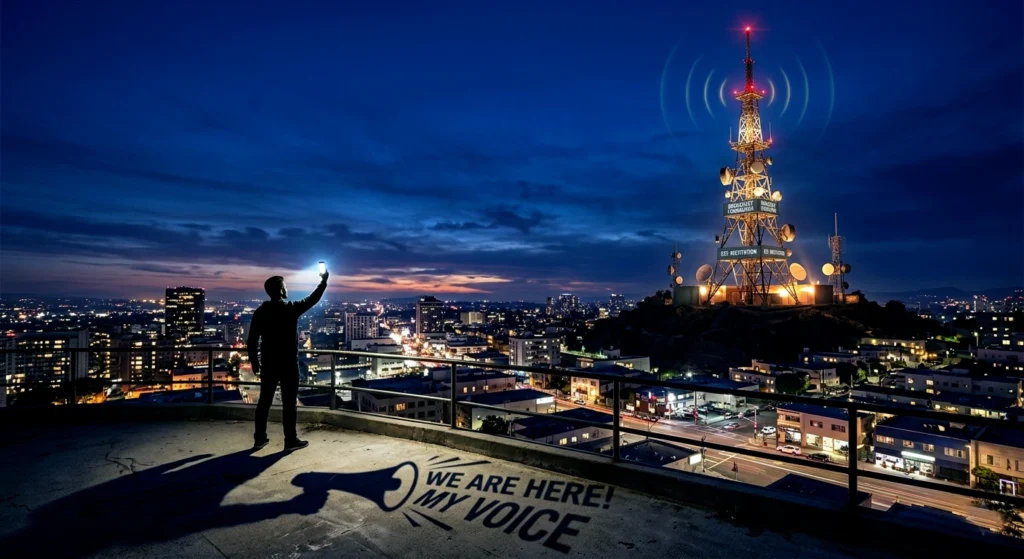
The Risks of Over-Reliance on Influencers forNational Narratives in the Arab World By Rizwan Zulfiqar Bhutta In recent years, several Arab countries have increasingly relied on social media influencers as a primary channel for marketing, tourism promotion, and even informal information sharing about national developments. While influencers can play a useful role in modern communication strategies, an overdependence on them, especially in place of strong mainstream media institutions, may be creating long-term risks for credibility, governance, and global perception. Influencers are, by definition, individuals who gain popularity through social media platforms by sharing lifestyle content, travel experiences, opinions, and personal narratives. Their strength lies in relatability and reach, not necessarily in expertise. Most influencers are not trained in journalism, editorial standards, strategic communications, or crisis messaging. Yet in some countries, they are increasingly positioned, directly or indirectly, as key voices representing national stories. This approach has several consequences. First, influencers generally lack professional training in communication ethics, fact-checking, and editorial judgment. Traditional journalism operates with layers of verification, editorial review, and responsibility toward the public interest. Influencer content, by contrast, is often spontaneous, opinion-driven, and optimized for engagement rather than accuracy or balance. When such content becomes a dominant source of information about a country, credibility inevitably suffers. Second, the absence of editorial filters can create serious communication risks. Influencers may film or post material without understanding diplomatic sensitivities, security concerns, or the broader national context. They may unintentionally share content that misrepresents events, reveals sensitive details, or amplifies narratives that contradict official policy. Because social media spreads rapidly and globally, even a small mistake can escalate into a reputational issue for an entire country. Third, during periods of crisis or geopolitical tension, the limitations of influencer-led communication become even more visible. Professional media institutions are designed to contextualize events, present multiple perspectives, and explain complex developments in a structured, editorially responsible way. Influencers, however, often lack the training to interpret complicated political, economic, or social issues. Their responses may be emotional, oversimplified, or inconsistent, which can lead to confusion rather than clarity. Another emerging challenge is credibility with international audiences. When influencers attempt to portray an overly positive or promotional image of a country, sometimes in partnership with government campaigns, the messaging can appear staged or artificial to outside observers. Instead of building trust, excessive positivity may create skepticism. Global audiences tend to rely more heavily on established international media outlets and professional journalists when forming opinions about a country. “Overdependence on social media influencers for national marketing and information sharing is a growing risk for many Arab countries. Influencers are neither trained journalists nor strategic communicators, yet they are often treated as primary voices. Without editorial oversight, credibility suffers, narratives become inconsistent, and the country’s global image can be damaged. Influencers should support communication strategies, not replace strong, credible mainstream media.” This situation is further complicated when governments attempt to control or restrict influencer activity after problems emerge. Crackdowns, content restrictions, or sudden regulatory measures can create an atmosphere of uncertainty. Influencers who were previously encouraged to produce large volumes of content may suddenly face limitations, leading to confusion and criticism both domestically and internationally. The result can be a cycle of over-promotion followed by over-correction. At the structural level, this issue reflects a broader communication gap: the absence or underdevelopment of globally respected mainstream media institutions in some countries. Nations with strong international media networks, such as major global broadcasters or news agencies, have the ability to shape narratives with credibility, consistency, and professional standards. They can speak simultaneously to domestic audiences and global viewers, offering analysis that is trusted beyond their borders. Influencers cannot replace this role. Their function is complementary, not foundational. A balanced communication ecosystem requires multiple layers: professional journalists, editorial institutions, public broadcasters, international correspondents, and carefully managed digital engagement strategies. Influencers can contribute to tourism promotion, cultural storytelling, and lifestyle marketing. However, relying on them as primary narrators of national identity or public information is a fragile strategy. If the current trend continues, the long-term consequences could extend beyond reputational challenges. Tourism, foreign investment, and diplomatic perception all depend on credibility. When messaging appears inconsistent, unfiltered, or overly promotional, international stakeholders may question the reliability of the information they receive. The solution is not to eliminate influencers from national communication strategies but to reposition them within a broader framework. Governments and institutions should invest in professional media development, strengthen editorial standards, encourage independent journalism, and build internationally respected news platforms. Influencers can still play a role, but one guided by clear communication policies, training, and boundaries. Ultimately, credible storytelling about a nation requires more than popularity on social media. It requires institutions, professionalism, and trust—qualities that only a strong mainstream media ecosystem can provide. For countries seeking to shape their image on the global stage, the message is clear: influence without credibility is fragile. Sustainable national narratives must be built on professional journalism, not just viral content.

The Power Platform, Five CEOs Shaping the Next Global Tech Era
Uncategorized

The Power Platform, Five CEOs Shaping the Next Global Tech Era

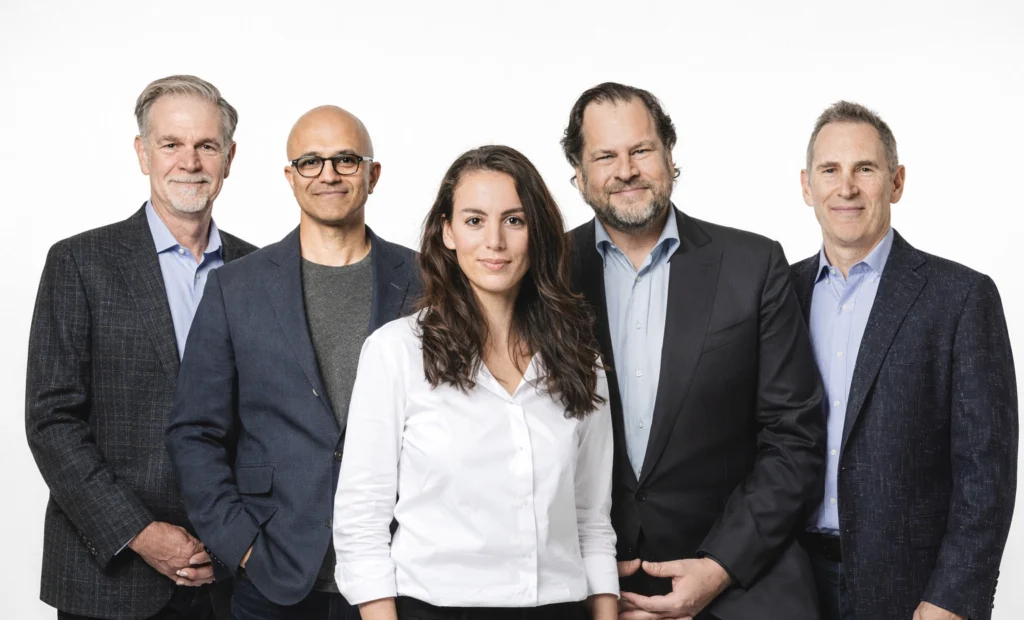
The Power Platform, Five CEOsShaping the Next Global Tech Era By Editorial Team The February 2026 cover of MAGNAV International brings together five leaders whose decisions are actively reshaping the architecture of the global technology platform economy. At a moment when artificial intelligence has moved from experimentation to infrastructure, and when scale, trust, and execution matter more than vision alone, these CEOs represent the operating core of modern tech power. Reed Hastings, Satya Nadella, Mira Murati, Marc Benioff, and Andy Jassy do not lead similar companies, but together they define how the world builds, deploys, governs, and experiences technology. This cover story is not about hype. It is about control points. From Products to Platforms Over the last decade, technology companies evolved from selling tools to running platforms so embedded that entire industries now depend on them. The five CEOs featured here sit at the helm of those systems. Satya Nadella has transformed Microsoft into the backbone of enterprise AI, cloud, and productivity. Under his leadership, Microsoft shifted from a software vendor to a platform orchestrator, one that quietly powers governments, Fortune 500 companies, startups, and now, large portions of the AI ecosystem. Nadella’s influence lies not in dominance, but in ubiquity. Andy Jassy operates at a similar scale from a different angle. Amazon Web Services remains the invisible engine of the internet economy. From streaming to fintech to national infrastructure, AWS has become the default layer upon which innovation runs. Jassy’s challenge and advantage, is operating a platform so large that stability itself becomes a competitive weapon. The AI Inflection Point At the center of this moment stands Mira Murati, representing a new kind of CEO, one whose leadership is defined not by legacy scale, but by velocity. As AI transitions from tools to agents, from copilots to autonomous systems, Murati’s role symbolizes the shift from theoretical AI to lived reality. Her presence on this cover reflects how quickly power has moved toward those building intelligence itself, not just deploying it. Unlike previous tech cycles, this AI wave forces uncomfortable questions: safety, alignment, labor displacement, and geopolitical balance. Murati’s leadership highlights a new expectation for CEOs, technical fluency paired with ethical accountability. Content, Commerce, and the Human Layer Reed Hastings reminds us that platforms are not only technical, they are cultural. Netflix redefined how the world consumes stories, but more importantly, how algorithms and creativity coexist. Hastings’ legacy is proof that technology platforms succeed when they understand human behavior as deeply as code. Marc Benioff, meanwhile, has spent decades embedding technology into how organizations function. Salesforce sits at the intersection of data, relationships, and decision-making. In a post-burnout, post-pandemic economy, Benioff’s focus on values, trust, and reinvention reflects a broader shift: leadership now requires moral narrative, not just operational excellence. Why These Five, Why Now Together, these CEOs represent the full stack of modern power: Infrastructure (Microsoft, AWS) Intelligence (AI platforms) Enterprise systems (Salesforce) Global culture and media (Netflix) They also reflect a geographic and philosophical shift toward truly global platforms, ones shaping economies from Silicon Valley to the Middle East, from boardrooms to living rooms. This cover is a snapshot of transition: from AI hype to agentic reality, from founder-led mythology to operator-led execution, from isolated products to interconnected systems that influence how people work, think, and live.  The question is no longer whether technology will shape the future.It is who controls the platforms on which that future runs. This issue of MAGNAV begins with the people making those decisions.

Where Movement Becomes Color, The Living Art Of Dr. Sarasa Krishnan
Uncategorized

The Living Art of Dr. Sarasa Krishnan, Where movement becomes color

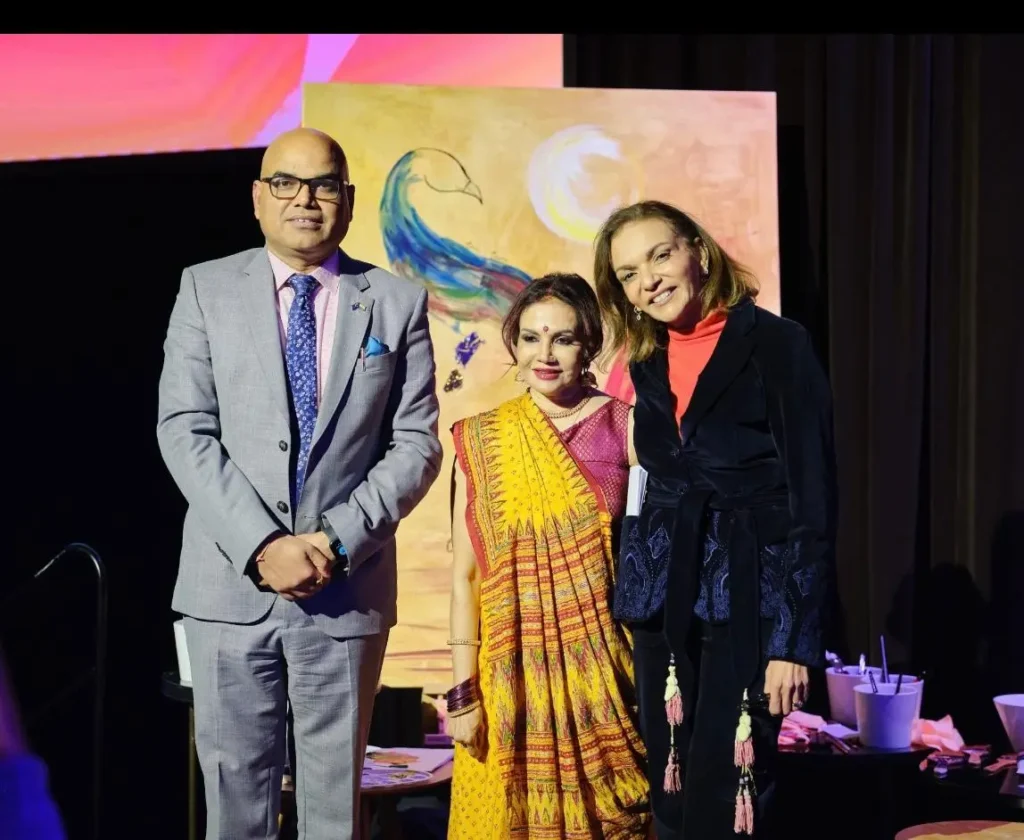
Where Movement Becomes Color, The Living Art Of Dr. Sarasa Krishnan By Raveena Parmar When Dr. Sarasa Krishnan stepped onto the stage at a diplomatic gala hosted by the Australian Foreign Minister, she was not there to speak, she was there to create. The event celebrated India-Australia relations, and Sarasa had been invited to perform a live painting as a symbol of cultural collaboration and friendship. Surrounded by diplomats, artists, and officials, she began transforming a blank canvas into a visual narrative using gold and silver leaf, pigments, and water. Each stroke was deliberate, every gesture precise, reflecting the discipline and presence she has cultivated over more than two decades as a multidisciplinary artist. The painting, titled Maitri, meaning friendship, depicted two birds under a shared moon, an expression of harmony and unity. Once completed, Sarasa invited the audience to place their thumbprints on the canvas, turning the artwork into a collective expression of connection. “That moment transformed the work from a solitary act into a shared gesture,” she recalls. It was a clear demonstration of her approach to art: intentional, interactive, and deeply human. Early Life and Foundations in Art Sarasa’s journey into the arts began in her childhood home in a South Asian community where music, movement, and expression were part of daily life. Her mother, an amateur musician and painter, maintained a modest collection of artworks that Sarasa would secretly unroll and study. Her father, an ardent listener of classical music, instilled in her an appreciation for rhythm and structure. “My earliest enchantment came from watching my elder sister’s dance lessons,” she recalls. “I would sit transfixed, absorbing every gesture and nuance.” Alongside this exposure to dance, she began drawing at a young age, replicating images from newspapers and magazines for hours on end. “It didn’t feel like learning; it felt like uncovering something that had always been within me,” she explains. This early immersion in visual and performing arts created the foundation for a life devoted to multidisciplinary practice. Becoming a Multidisciplinary Artist To Sarasa, being a multidisciplinary artist is not simply a career choice, it is a way of living. “It means living without boundaries between art forms,” she says. Movement, colour, sound, and thought flow into one another seamlessly, each medium informing the other. Dance informs her painting, painting deepens her understanding of rhythm, and writing helps articulate the inner journey that connects them. Professionally, this integration allows her to create experiences rather than isolated works.  “It’s about recognising that art is not confined to a single medium but is a continuous dialogue between body, mind, and spirit,” she says. The choice of medium is guided by the concept or emotion she wishes to convey. Dynamic and layered ideas often become dance; contemplative, reflective ideas become paintings. Sometimes, both merge, as gestures transform into brushstrokes or paintings are performed in motion. This fluidity has defined her unique practice, allowing her to communicate the unseen dimensions of human experience. Artistic Philosophy and Rasa Theory Central to Sarasa’s work is her engagement with Rasa theory, an ancient Indian framework for understanding human emotion in the arts. “Rasa is timeless,” she says. “It speaks to the essence of human emotion and shared consciousness. My goal is not to illustrate tradition but to evoke feeling. The Rasas exist in the pulse of gesture, colour, and sound.”Whether performing dance, painting, or writing, she seeks to create moments of emotional resonance that transcend words. “It’s about connecting with something larger than ourselves,” she explains. “That moment of expansion, of presence, is what I aim for in all my work.” This philosophy extends across her collaborations, exhibitions, and teaching, emphasizing art as a medium for both personal and collective transformation. Cross-Cultural Collaborations Sarasa’s career has taken her across continents, from Europe to Southeast Asia, engaging deeply with artists and communities around the world. She has worked closely with Aboriginal and Indigenous communities, Flamenco dancers, world musicians, and interfaith artists.  Her approach to collaboration is grounded in respect and active listening. “It’s never about merging forms superficially,” she explains. “It’s about entering a shared space where each tradition retains its integrity while discovering resonances with the other.” By observing rhythms, stories, and silences, she identifies the universal pulse that connects artists across cultures. Collaboration, for her, becomes a “sacred conversation between cultures,” an opportunity to highlight both differences and shared humanity. Selected Exhibitions and Commissions Sarasa’s work has been recognized internationally, with exhibitions and performances spanning the United States, Europe, and Australia. Notable venues include Lincoln Center in New York, Warwick University in the UK, and cultural centers in Florence, Paris, Kuala Lumpur, and Perth. She has also created permanent installations at Saraswati Mahavidyalaya Performing Arts Centre, the Consulate General of the Indian High Commission in Perth, and the Art Sanctuary Foundation Gardens in Australia. Her performances often integrate visual art and dance, such as FuegoAgni, a Kathak-Flamenco fusion performed in Florence with Flamenco dancer Claudio Javarone. The performance was a dialogue between movement and pigment, rhythm and colour, embodying her philosophy of art as an intermedia practice. Sarasa’s commissions extend to corporate and private collections, including Citibank Singapore, and she is represented by Blue Thumb Gallery online. Her works are part of permanent collections internationally, reflecting both the quality and universality of her practice. Writing and Scholarship In addition to her visual and performance work, Sarasa is an accomplished writer and scholar. She holds a Ph.D. in Rasa Theory and Consciousness Studies and has published both academic and creative works. Her book Bharata’s Karanas- An Interpretation (2014) explores the relationship between movement, consciousness, and the sacred geometry of the body, showing how dance serves as a pathway to awareness. She has also written for younger audiences, most recently publishing Journey to Rasa Land (2024), a children’s book that introduces emotional expression and aesthetic awareness through the lens of Rasa theory. “Both works, though very different, reflect my belief that art is a continuum of consciousness,” she says. “Movement, colour, and

Tinto Amorio, A Wine Affair Rooted In Passion And Purpose
Uncategorized

Tinto Amorio, A Wine Affair Rooted In Passion And Purpose

Tinto Amorio A Wine Affair Rooted In Passion And Purpose By Raveena Parmar There are moments in life when one unexpected event completely alters a person’s path. For Anish Patel, founder of Tinto Amorio, that moment arrived during what he calls “a big life event”, one that made him stop and question what he truly wanted from his work and his life.Until then, Patel’s world had been defined by finance,which was structured, rational, and predictable. Winemaking wasn’t something he had planned or even imagined for himself. But in the quiet space that followed this turning point, something deeper surfaced: a creative instinct that had been waiting for expression.“I didn’t know I would be a winemaker or enter this space,” he reflects. “After that turning point, the doors of creativity opened, and my natural desire to build things married my love for natural wines.”What began as curiosity soon evolved into a calling. The early days of Tinto Amorio were marked by experimentation and intuition, guided less by business strategy and more by emotion and curiosity. Over time, what started as a personal exploration began to take shape as a brand, one that now stands out for its authenticity, craft, and integrity. “The project itself has evolved since its inception to where it is now,” Patel says, “and it continues to evolve as each harvest comes and goes.” A Name That Speaks of Connection Names carry meaning, and Tinto Amorio is no exception. The brand name, which translates to “your wine affair,” reflects a philosophy centered on emotion, passion, and connection.“Tinto is short for vino tinto, or red wine, and Amorio means affair or lover,” Patel explains. “Tinto Amorio is meant to be your wine affair.” The phrase captures what Patel hopes people will experience when they encounter his wines: not just a drink, but a relationship. Something that feels familiar, sensual, and deeply personal. Over time, even the brand’s shortened form, Tinto, has taken on a life of its own, representing a sense of intimacy and authenticity that sets it apart from traditional labels. Balancing Art and Enterprise Natural wine often evokes passion and personality,qualities that can be hard to preserve as a company grows. For Patel, the challenge has been to balance creative freedom with the practical realities of running a business. His answer is simple: never compromise.“I am uncompromising on our winemaking practices and creativity,” he says. “Even as we scale, this area is never sacrificed, even if it’s more expensive. The wine we make is a direct expression of the intentionality of the winemaking, and so I would never compromise on this area.”This philosophy defines Tinto Amorio’s identity. Every stage of production, from grape selection to fermentation, is guided by respect for nature, craft, and time. “If anything,” Patel adds, “I’ve experimented more over the last couple of years.”That experimentation is what keeps the brand alive and evolving. It allows Patel and his team to remain connected to the creative heart of winemaking, even as Tinto Amorio expands its reach. Recognition and Growth The recognition Tinto Amorio has received within the wine world hasn’t gone unnoticed. For Patel, one of the defining milestones was when respected importers and distributors in the natural wine scene began to take notice of his work.“They see so many projects,” he explains. “So when they chose to devote their time and energies to building with us, it showed me that the wines I make are of real resonance.”That moment, he says, was when he truly felt Tinto Amorio had become something special, a sign that the passion and authenticity behind each bottle were translating beyond his own creative circle. As Tinto Amorio continues to grow, Patel remains determined to protect the brand’s core identity. “The same answer applies,” he says with conviction. “Our practices and creativity will never be sacrificed, no matter how much we grow.”It’s a rare stance in an industry that often prioritizes scale and efficiency over artistry. For Patel, however, remaining true to the essence of his work is what ensures that Tinto Amorio remains not just a brand, but a reflection of the people and principles behind it. The Inner Balance Behind the Work Behind every creative pursuit lies the question of balance, how to sustain inspiration, focus, and well-being amid the demands of business. Patel has found his own rhythm through mindfulness and connection.“Meditation, working out, and spending time with friends who also think big, those are the things that keep me centred,” he shares. “There’s something special about being around people who push your boundaries and encourage you to think bigger.” This lifestyle, grounded in self-awareness, mirrors the very philosophy he applies to winemaking: clarity, intentionality, and openness to growth. It also shapes how he leads his team and builds Tinto Amorio’s culture, which is one that values curiosity, reflection, and constant evolution. Wisdom from the Journey When asked what advice he would offer to aspiring entrepreneurs or creatives hoping to turn passion into purpose, Patel’s response is thoughtful and grounded.“Understand yourself first,” he says. “Chasing passion or business is one thing, but if you don’t have an understanding of who you are and how you regulate yourself, the swings of entrepreneurship can take you for a ride.”It’s a lesson drawn from experience, one that acknowledges both the beauty and volatility of building something from scratch. For Patel, success is not measured only by sales or recognition, but by alignment between inner purpose and outer expression. A Living Expression of Creativity For Anish Patel, Tinto Amorio is more than a company; it is a living expression of creativity, discipline, and authenticity. Each bottle reflects the values that shaped it: curiosity, respect, and the courage to experiment. From its beginnings as a personal project to its growing presence in the global natural wine scene, Tinto Amorio embodies the idea that great art,like great wine,  evolves through honesty and intention.As Patel puts it, Tinto Amorio will continue to evolve, harvest after harvest, guided by the same principles that

Magdalena Gorska
Uncategorized

Magdalena Gorska Joins Magnav International as Board Director & Publishing Partner

Magdalena Gorska Joins Magnav International as Board Director & Publishing Partner London, UK, [September 13th, 2025], Magnav International proudly announces the appointment of Magdalena Gorska to its Board of Directors as Publishing Partner, marking a significant step in the company’s global journey within the media, aesthetics, and beauty industries. Recognized as an international authority in the aesthetic and media world, Gorska has earned a reputation for her vision, expertise, and ability to bridge artistry with business innovation. Her career reflects a rare combination of hands-on knowledge in aesthetics, editorial excellence, and brand leadership, establishing her as a trusted name across Europe and beyond. With a deep commitment to authenticity and timeless beauty, she has consistently delivered impactful projects that combine creativity, scientific insight, and commercial success. In her new role at Magnav, Gorska will play a pivotal part in shaping the company’s editorial direction and international growth strategy. Her appointment brings fresh energy to Magnav’s ambition of setting new benchmarks in beauty media, ensuring the brand continues to lead with integrity, innovation, and global reach. She will focus on building creative collaborations, strengthening partnerships, and expanding the company’s presence across key international markets. “We are honoured to welcome Magdalena Gorska to our board,” said Riz ZB, CEO of Magnav International. “Her expertise, international reputation, and passion for elevating aesthetic and beauty media make her the perfect partner to help us scale new heights. We look forward to her contributions in steering Magnav into its next era of growth.” Gorska expressed her enthusiasm for the appointment, saying, “Magnav International has always stood for more than beauty, it stands for artistry, integrity, and innovation. I’m excited to join the board as Publishing Partner and to work with its talented team to extend its legacy globally.” Magdalena Gorska’s appointment underlines Magnav International’s continued commitment to excellence in the publishing landscape. With her guidance, the company is set to strengthen its global footprint, inspiring the industry with content that not only reflects beauty but also defines it.

Indira Thawani
Uncategorized

Magnav Singapore Welcomes New Leadership as Indira Thawani

Magnav Asia Pacific Welcomes New Leadership Indira (Anju) Thawani Acquires Majority Stake and Takes the Helm Asia Pacific, July 2025, In a significant development for Magnav Singapore (www.magnavsg.com), the publication proudly announces that Indira (Anju) Thawani has acquired 50% ownership of its Singapore edition and will officially lead the platform as part of her ongoing entrepreneurial journey. This move marks a new chapter for Magnav Singapore, aligning with its mission to become a dynamic hub for multicultural excellence, business innovation, and lifestyle inspiration across Asia Pacific. Known for its celebration of global talent, cultural diversity, and women’s leadership, Magnav Singapore is committed to shaping thoughtful conversations that matter in today’s world. Anju Thawani brings with her a wealth of global experience, combining strategic business acumen with a passion for human connection. Beginning her career as a Business Development Consultant at Oracle, Anju built a strong foundation in client engagement, social selling, and collaborative success. Her path then led her to Frost & Sullivan, where she spearheaded marketing and sales efforts across Asia Pacific and the MEASA region, forging partnerships with founders and top executives, and delivering measurable business results. Her entrepreneurial spirit was tested and strengthened during the COVID-19 pandemic when she launched her own venture, gaining hands-on insight into the resilience and adaptability required to lead in today’s world. Outside the corporate sphere, Anju has also made her mark as a transformational coach and wellness instructor, helping individuals find balance, purpose, and growth in their personal and professional lives. Now, as CEO of Magnav Asia Pacific, Anju is poised to bring a fresh, human-centered perspective to the publication, amplifying voices, fostering cross-border connections, and empowering the next generation of thought leaders. Her multifaceted background makes her uniquely positioned to elevate Magnav Singapore’s vision and expand its reach across regional and international landscapes. The Magnav International team celebrates this exciting transition and looks forward to the bold, inspiring direction under Anju’s leadership. About Magnav Asia Pacific Magnav Singapore is an extension of Magnav International, a global media platform that champions multicultural voices, celebrates women’s achievements, and showcases innovation in lifestyle, fashion, art, and entrepreneurship. The Singapore edition focuses on Asia Pacific’s rising stars, creative entrepreneurs, and diverse communities shaping the future of business and culture.

Umayraa Bahromova
Uncategorized

Umayraa Bahromova Joins Forces with Magnav for Middle East and International Publications

Umayraa Bahromova Joins Forces with Magnav for Middle East and International Publications In a landmark agreement signed earlier in December, Umayraa Bahromova officially entered into a partnership with Magnav International Magazine, solidifying her role in spearheading Middle Eastern and international publications for the globally recognized magazine. The signing ceremony was held in Dubai between Riz Z. Bhutta, the CEO of Magnav, and Umayraa, marking a new chapter for the magazine’s outreach and influence in the region and beyond. This collaboration reflects Magnav’s commitment to partnering with forward-thinking leaders to expand its horizons, and Umayraa Bahromova’s multifaceted expertise perfectly aligns with this vision. A Visionary Leader with a Global Journey Born amidst the breathtaking Pamir Mountains of Tajikistan, Umayraa Bahromova’s life story is a testament to perseverance, adaptability, and excellence. Her journey has taken her across the world, allowing her to live, study, and work in culturally diverse cities such as Chicago, Boston, London, Barcelona, Moscow, Sofia, and now, Dubai. Umayraa holds advanced degrees in International Relations and Business, with a career that spans project management, global health research, and the beauty and fitness industries. Her fluency in five languages and ongoing pursuit of learning Arabic underscore her passion for connecting with diverse cultures and bridging gaps across borders. A certified personal trainer, makeup artist, and dance instructor, Umayraa’s interests extend beyond business to include creative pursuits and wellness. Her latest passion, horse riding, reflects her adventurous spirit, as she travels to experience the world from horseback in stunning landscapes. Umayraa Bahromova’s dynamic personality and business acumen make her a force to be reckoned with. She possesses an authoritative presence that not only commands respect but also inspires confidence among her peers, clients, and collaborators. Her innate leadership qualities have helped her forge strong business relationships and successfully navigate competitive industries. Known for her dominance in business settings, Umayraa stands out as a future leader to watch in the Middle East and on the global stage. Her ability to thrive under pressure and deliver results gives her a distinct edge, making her an invaluable partner for organizations like Magnav that prioritize excellence and innovation. A Promising Collaboration The partnership between Magnav and Umayraa Bahromova is expected to elevate the magazine’s presence across the Middle East and international markets. Her involvement promises fresh perspectives, strategic leadership, and a deep understanding of global trends, all of which will contribute to Magnav’s mission to inspire, empower, and lead conversations in fashion, lifestyle, and culture. As the new year approaches, this collaboration sets the stage for an exciting future, with Umayraa Bahromova at the helm of Magnav’s international ventures, bringing her vision, determination, and unique touch to the forefront of the magazine’s endeavors.

Dubai’s Luxury Perfume Brand Ajmal Unveils Three Exquisite New Fragrances
Uncategorized

Dubai Luxury Perfume Brand Ajmal Unveils Three Exquisite New Fragrances

Dubai’s Luxury Perfume BrandAjmalUnveils Three Exquisite New Fragrances By Wajiha Naaz A Sensory Journey of Elegance and Sophistication Fragrances have long been an essential part of our lives, transcending time and culture to evoke emotions, memories, and a sense of personal identity. They capture the essence of elegance, mystery, and allure, allowing each individual to express their unique personality. In the Middle East, where the tradition of perfumery is deeply ingrained, scents are more than just accessories, they are a reflection of status, heritage, and luxury. Ajmal Perfumes, with its seven decades of expertise, has been at the forefront of this rich tradition, crafting fragrances that tell stories and elevate daily life. Now, the brand has unveiled three new fragrances, Golden Hawk, Blue Hawk, and Feather Blossom, set to captivate the senses and enrich the UAE’s luxurious fragrance landscape. The arrival of these three scents marks yet another milestone for Ajmal Perfumes, a brand that has perfected the intricate art of perfumery through years of dedication and innovation. Each of these fragrances is designed to evoke a distinct mood, making them an essential part of one’s daily routine, whether for a formal occasion, an evening out, or simply as a personal indulgence. Golden Hawk is the embodiment of bold sophistication. From its first spritz, it opens with vibrant citrus and spice that command attention. As it settles, the floral heart of lavender and orange blossom unfolds, providing a delicate yet powerful balance. The scent finishes with a luxurious base of patchouli, sandalwood, and labdanum, subtly layered with hints of leather and caramel. Encased in a gold-accented bottle, the fragrance is a statement piece on any vanity, mirroring the powerful essence it holds within. For those who prefer a fresher, more dynamic scent, Blue Hawk offers a clean and invigorating experience. The fragrance begins with a burst of bergamot and lemon, providing a crisp and refreshing opening. This transitions smoothly into a heart of juniper and lavender, adding depth and complexity. A base of cedarwood and amber provides a warm, elegant finish, ensuring that Blue Hawk is not only sophisticated but also perfect for everyday wear. The sleek matte blue bottle is understated yet refined, perfectly complementing the fragrance’s modern appeal. In contrast, Feather Blossom is a softer, more feminine scent that exudes elegance and charm. Its top notes of blackcurrant and lychee offer a sweet and playful beginning, while tuberose and jasmine at the heart add a floral richness. The base of amber, sandalwood, and vanilla creates a creamy, luxurious finish, making it the perfect fragrance for those who seek a delicate, lasting presence. The emerald green bottle, adorned with a crystal-studded cap, is as graceful and enchanting as the fragrance it contains. As Abdulla Ajmal, CEO of Ajmal Perfumes, expressed, “With over seven decades of craftsmanship, we are committed to creating fragrances that reflect the essence of elegance and luxury. The launch of these three exclusive fragrances not only honours our rich heritage but also showcases our dedication to innovation and the discerning tastes of our customers.” Customer reactions to these new scents have been overwhelmingly positive. Many have praised the craftsmanship behind each fragrance, noting the unique combinations of notes that make each scent stand out. Golden Hawk is often described as a bold signature scent for those who want to make an impression, while Blue Hawk has been lauded for its freshness and versatility. Feather Blossom, with its delicate blend of fruity and floral notes, has quickly become a favourite among those seeking a softer, more romantic fragrance. Available exclusively at Ajmal Perfumes showrooms and online, these new fragrances are set to become staples in the collections of luxury perfume lovers across the UAE. As Ajmal continues to innovate while preserving the timeless art of perfumery, these three new offerings reflect the brand’s dedication to excellence and its ability to create fragrances that resonate with the senses and the soul. In a world where fragrance has become an essential part of daily life, the launch of Golden Hawk, Blue Hawk, and Feather Blossom offers more than just a new scent—it offers a new experience, a new identity, and a new way to express the luxury and elegance that define both Ajmal Perfumes and its loyal customers.

Leading the Charge in Sustainable Luxury
Uncategorized

Dubai Yachts Unveils the Region’s first Eco-consious Yachting Experience

DUBAI YACHTS Unveils The Region’s First Eco-concious Yatching Experience Leading the Charge in Sustainable Luxury By Staff Reporter Dubai, UAE, 28th September 2024: Dubai Yachts, a prominent player in the luxury yachting sector, has taken a pioneering step towards sustainability by launching the region’s first eco-conscious yachting experience. As demand for sustainable luxury travel surges, Dubai Yachts’ innovative fleet sets a new benchmark, blending high-end opulence with a commitment to reducing environmental impact. With the global luxury yachting market currently valued at $13 billion and projected to grow by 8% annually, this move signals a significant shift. Dubai Yachts’ eco-friendly fleet, though not yet fully sustainable, represents a vital first step towards reducing the environmental footprint of the industry while maintaining the luxury for which it is renowned. A report by McKinsey & Company reveals that 64% of ultra-high-net-worth individuals now consider sustainability a key factor when making travel decisions. In response to this growing trend, Dubai Yachts has introduced vessels that deliver 20-30% lower emissions than traditional yachts, alongside a focus on passenger safety through sustainable design. These yachts are equipped with energy-efficient engines and advanced waste management systems, and have eliminated single-use plastics in favour of sustainable materials for all tableware. This ensures an onboard experience that is both luxurious and environmentally responsible. Tarlan Musaev, CEO and Founder of Dubai Yachts, said: “Sustainability is the future of luxury travel. While our fleet isn’t fully sustainable yet, we are taking crucial steps towards reducing our environmental impact, setting a new standard for the global yachting industry.” Dubai, already a global yachting hub with its world-class marinas and advanced infrastructure, is ideally positioned to lead this movement. The city’s winter yachting season, from October to April, attracts thousands of yacht owners from across the globe. In 2022, tourism alone contributed over $27 billion to Dubai’s GDP. By incorporating eco-conscious yachting, Dubai strengthens its appeal to travellers seeking both luxury and responsibility. Musaev added: “Dubai is uniquely positioned to lead this transformation. Our fleet offers clients the grandeur they expect, with the added benefit of being more environmentally responsible. This is only the beginning of a wider shift in the industry.” Dubai Yachts’ eco-conscious fleet is expected to have a ripple effect across the global yachting industry. With more than 40% of the world’s superyachts owned by individuals in Europe and the Middle East, this move could inspire other yachting hubs, from Monaco to Miami, to follow suit. Aligning with global sustainability goals, including the United Nations’ 2030 Agenda for Sustainable Development, Dubai Yachts is positioning itself as a leader in responsible luxury travel, setting a bold precedent for the future of yachting.

Scroll to Top