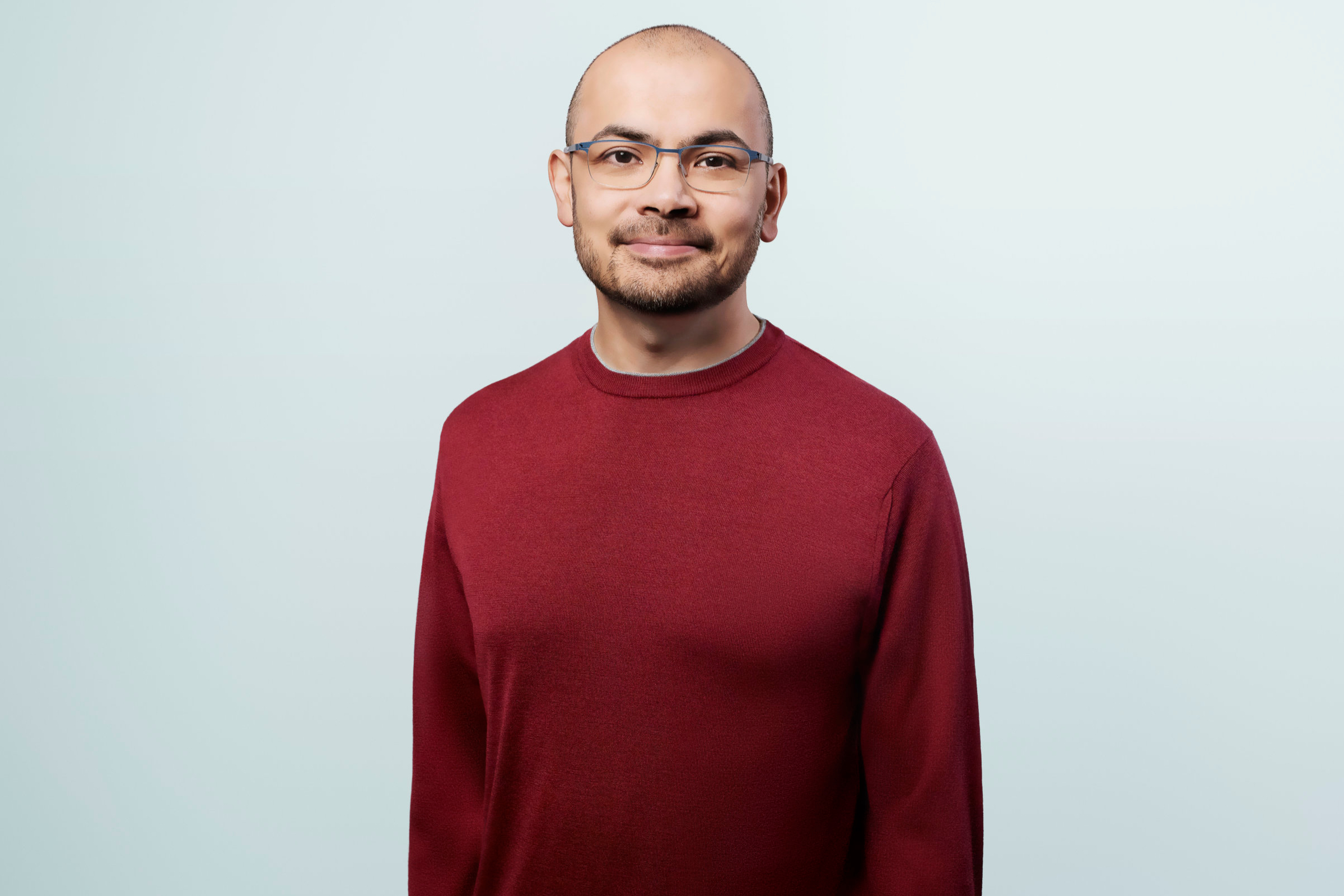
Marta Ortega Pérez
Reimagining Fast Fashion Through Elevated Design and Operational Precision
By Janhavi Gusani

The narrative of Zara and its overarching parent enterprise Inditex is inextricably linked to the foundational legacy of Amancio Ortega Gaona, who established the initial retail venture in 1975 in the coastal city of La Coruña, located within the Galicia region of northwestern Spain. What started as a single storefront crafting affordable bathrobes and domestic garments swiftly transformed into an unprecedented global retail engine that fundamentally altered how apparel was designed, manufactured, distributed, and consumed across continents.
In stark contrast to traditional fashion houses that operated on rigid six-month seasonal timelines and speculative production schedules, Ortega pioneered a localized, flexible supply network within Spain, Portugal, and Morocco. This proximity-based manufacturing system enabled Zara to observe emerging runway designs and street trends, rapidly prototyping garments, cutting fabric, sewing finished pieces, and shipping them directly to retail store floors within a matter of two to three weeks.
By vertically integrating key aspects of raw material procurement, internal design teams, automated logistics hubs, and proprietary point-of-sale inventory tracking, the enterprise systematically minimized financial risk associated with unwanted inventory while creating a permanent environment of perceived scarcity and novelty for retail consumers worldwide. Throughout the late twentieth century and early twenty-first century, this commercial blueprint catalyzed an aggressive international expansion campaign, establishing flagship locations across Europe, the Americas, Asia-Pacific, and the Middle East, ultimately consolidating Inditex as one of the most dominant apparel conglomerates in global corporate history.
When Marta Ortega Pérez officially assumed the executive position of Non-Executive Chair of Inditex in April 2022, corporate analysts and industry observers closely evaluated whether a generational family transition could maintain the momentum of a retail empire valued at over one hundred fifty billion dollars. Far from an abrupt corporate appointment, her elevation marked the culmination of more than fifteen years of intentional, immersive preparation within the internal operational structures of the business.
Starting anonymously as a sales associate on the floor of the King’s Road store in London, she systematically rotated through critical divisions of the enterprise, including raw material sourcing, pattern making, merchandise allocation, visual store design, and international brand management. This comprehensive operational grounding provided her with an intimate understanding of the delicate balance between commercial volume, supply chain velocity, and brand perception. Rather than altering the underlying operational engine that established Inditex’s global dominance, Marta Ortega Pérez initiated an elevated strategic positioning for Zara, deliberately bridging the wide gap between high-volume retail and high-end luxury fashion.


Under her creative leadership, the brand launched refined capsule lines utilizing premium natural fabrics, entered high-profile design collaborations with renowned international creative figures, and completely transformed visual merchandising strategies, effectively repositioning Zara from a standard fast-fashion seller into a curated, aspirational lifestyle institution.
Navigating the global commercial landscape of 2026, Marta Ortega Pérez has pushed Inditex deeper into an era defined by advanced digital technology, complex logistics automation, and rigorous environmental management. Under her leadership, the organization has executed multi-billion-dollar infrastructure investments into next-generation automated distribution hubs, expanding centralized fulfillment facilities in Spain to seamlessly handle real-time omni-channel inventory across physical stores and worldwide digital platforms.
A cornerstone of this operational transformation is the comprehensive implementation of proprietary radio frequency identification and advanced computer vision tracking across every garment in circulation. This real-time inventory visibility allows store associates and digital logistics networks to fulfill online customer orders directly from local retail store inventory, dramatically optimizing stock turnover, reducing shipping distances, and preventing overproduction.
Furthermore, the physical store concept has undergone a complete architectural upgrade. Large-scale flagship stores located in premier shopping districts worldwide now feature dedicated boutique spaces for specialized lines such as footwear, lingerie, and home goods, alongside integrated self-checkout zones, automated online order collection points, and interactive digital fitting rooms. This hybrid spatial strategy ensures that physical retail stores serve not merely as transactional spaces, but as immersive, tactile brand experiences that elevate the perceived value of the product offerings.
Simultaneously, the strategic focus on environmental sustainability and material innovation has become a central operational priority under Marta Ortega Pérez’s direction. Recognizing that regulatory pressures and consumer expectations around environmental impact are fundamentally restructuring the global textile industry, Inditex has committed substantial capital to circular fashion technology and sustainable material sourcing.
The company has entered long-term commercial off-take agreements with pioneering textile recycling start-ups to secure exclusive access to next-generation fibers derived from post-consumer garment waste, agricultural residues, and recycled cellulosics. By integrating these innovative materials into core collections without compromising garment durability or aesthetic appeal, Zara is establishing scalable commercial applications for circular textiles across millions of production units.
Additionally, the company has implemented rigorous chemical management frameworks across its worldwide supplier base, enforcing strict environmental compliance across dyeing, finishing, and washing facilities in its primary proximity sourcing clusters. Through the launch of garment repair, donation, and resale platforms across major European and international markets, Inditex is actively extending the lifecycle of its products, creating structured circular ecosystems that align commercial growth with resource conservation.
The financial performance and market standing of Inditex under Marta Ortega Pérez’s leadership reflect an exceptionally strong balance sheet and robust investor confidence, with the corporate market capitalization consolidating solidly above the one hundred fifty billion dollar threshold. This economic valuation is backed by strong annual revenue growth, superior gross operating margins, and high cash flow generation, outperforming global peers despite ongoing macroeconomic volatility and shifting consumer spending patterns.

By balancing continuous operational efficiency with an elevated brand narrative, Marta Ortega Pérez has successfully protected the agility established by her father while imbuing the corporate group with immense cultural capital. Her strategic decisions demonstrate that high-volume apparel manufacturing can coexist with elevated design aesthetics, sustainable material innovation, and premium customer experiences, securing Inditex’s position as a permanent market leader in global fashion retail.
When Marta Ortega Pérez officially assumed the role of Non-Executive Chair of Inditex in April 2022, skeptics questioned whether a generational transition could sustain the fierce momentum of a retail empire valued at over one hundred fifty billion dollars. Having spent over fifteen years working discreetly across various departments within the conglomerate, including product development, store management, and visual merchandising, Marta brought a deep operational familiarity balanced with an elevated creative vision.
Her leadership approach marked a distinct shift from purely transactional fast fashion toward a curated model emphasizing premium materials, high-profile design collaborations, and artistic editorial presentation. Under her direction, Zara began partnering with distinguished photographers, stylists, and luxury designers, effectively bridging the chasm between accessible high-street retail and luxury design sensibilities.
Navigating the landscape of 2026, Marta Ortega Pérez has pushed Inditex deeper into a new era of digital integration and environmental stewardship. The company has executed substantial investments in automated distribution hubs and next-generation inventory tracking, enabling precise stocking that drastically minimizes overproduction. Zara has introduced elevated capsules crafted from novel circular fibers and advanced recycled textiles, positioning high-grade aesthetics alongside aggressive sustainability benchmarks. Furthermore, the retail experience has been transformed through large-scale flagship physical stores featuring dedicated boutique areas, seamless self-checkout zones, and direct online fulfillment nodes integrated within the brick-and-mortar footprint. This hybrid spatial strategy ensures that physical retail remains a vibrant tactile experience while reinforcing the group’s robust e-commerce operations.
The financial strength of Inditex under her leadership remains exceptionally strong, with market capitalization consolidating solidly above the one hundred fifty billion dollar threshold. This valuation reflects enduring profitability, superior operating margins, and strong consumer loyalty across international markets despite global macroeconomic volatility. Marta Ortega Pérez has successfully preserved the core agility established by her father while imbuing the brand with a refined cultural capital that elevates Zara beyond simple price point competition. Through disciplined strategic moves and a clear aesthetic repositioning, she has secured Inditex’s command over the global apparel market, establishing a structural and creative model for fashion retail in the contemporary era.