Lisa Su
The Silicon Alchemist And The Engineering Vision That Resurrected AMD
By Michelle Clark
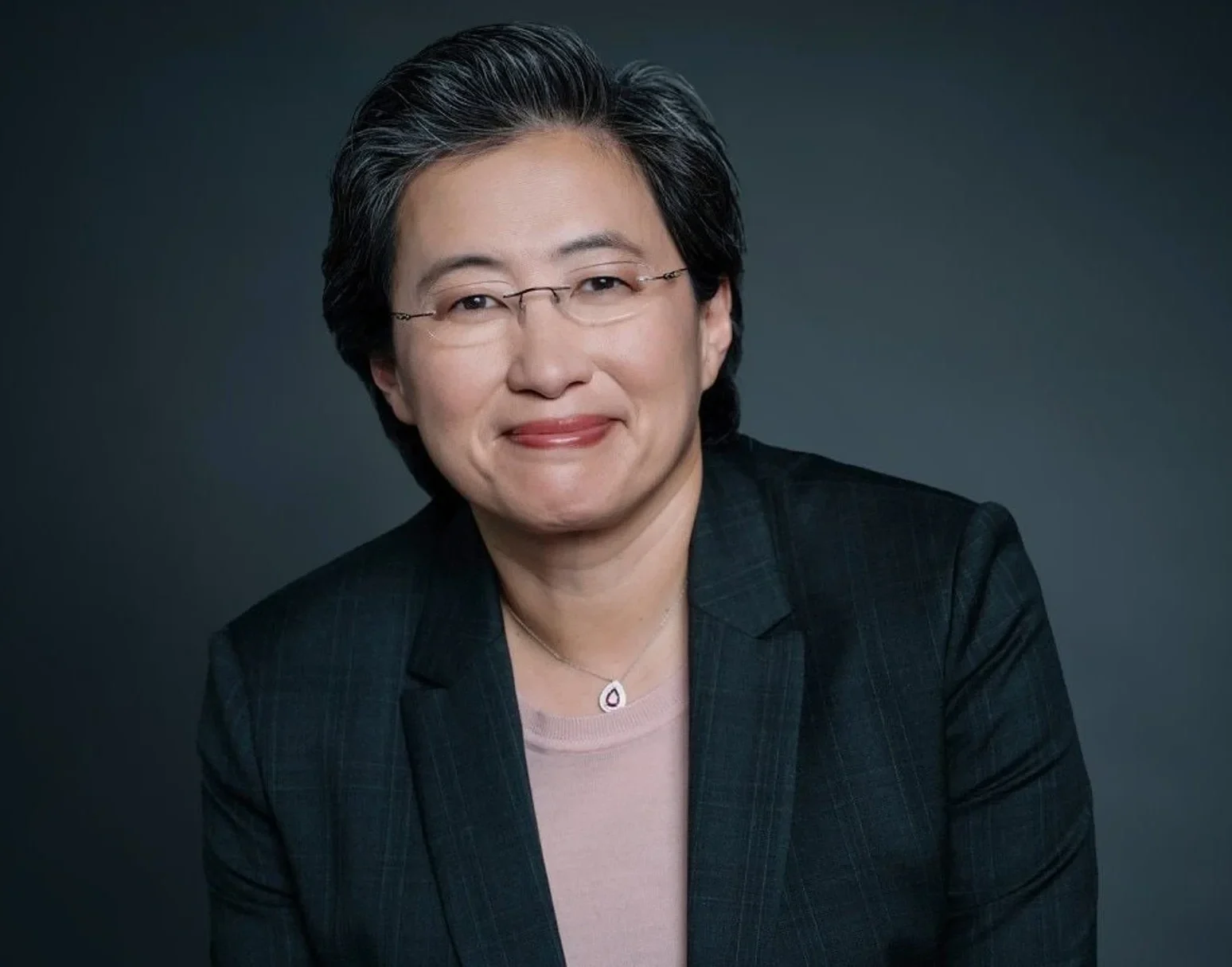
Dr Lisa Su is not merely a Chief Executive Officer; she is a quintessential technologist turned titan, a meticulous engineer whose strategic acumen orchestrated one of the most astonishing corporate turnarounds in recent memory. Her narrative is a compelling confluence of technical mastery, audacious risk-taking, and quiet, determined leadership, transforming Advanced Micro Devices (AMD) from a beleaguered underachiever into a formidable challenger in the fiercely competitive theatre of high-performance computing. To understand her indelible impact is to trace the trajectory of a company’s existential struggle and its ultimate, hard-won resurgence, a revival founded on the unwavering belief in the primacy of the product.
Born in Tainan, Taiwan, in 1969, Su’s early life was defined by the rigorous encouragement of her immigrant parents, a statistician father and an entrepreneur mother, who fostered a deep appreciation for mathematics and science. Moving to the United States as a child, she exhibited an innate mechanical curiosity, famously disassembling remote-controlled cars to fathom their inner workings, a pastime that foreshadowed her ultimate career. This curiosity led her through the doors of the prestigious Bronx High School of Science and, crucially, onto the Massachusetts Institute of Technology (MIT), where she achieved three degrees, culminating in a doctorate in Electrical Engineering. It was at MIT that she developed a profound fascination with semiconductors, the very bedrock of modern technology, becoming one of the first researchers to explore the nascent potential of silicon-on-insulator (SOI) technology. She chose electrical engineering because, by her own admission, it seemed like the most difficult pursuit.
Her professional pilgrimage commenced not in the executive suite, but in the laboratory. Her early years at Texas Instruments and, more significantly, her thirteen-year tenure at IBM, established her as an engineering pioneer. At IBM, she played an instrumental role in a foundational technological shift for the entire industry, helping to champion the replacement of traditional aluminium interconnects in computer chips with copper. This innovation dramatically improved chip speed and efficiency, establishing a new industry standard and demonstrating her capacity for both deep technical insight and commercial implementation. She was an operational architect, not content with mere research, but focused on scaling breakthroughs into market-defining products. She rose through the ranks, eventually becoming Vice President of the Semiconductor Research and Development Center, a role that bridged the chasm between pure science and industrial strategy.
Su’s arrival at AMD in 2012 came at a moment of corporate crisis. When she ascended to the position of President and CEO in 2014, the company was in extremis. Beset by billions in debt, bleeding talent, and overshadowed by the seemingly unassailable dominance of rivals like Intel, AMD’s market value was languishing.
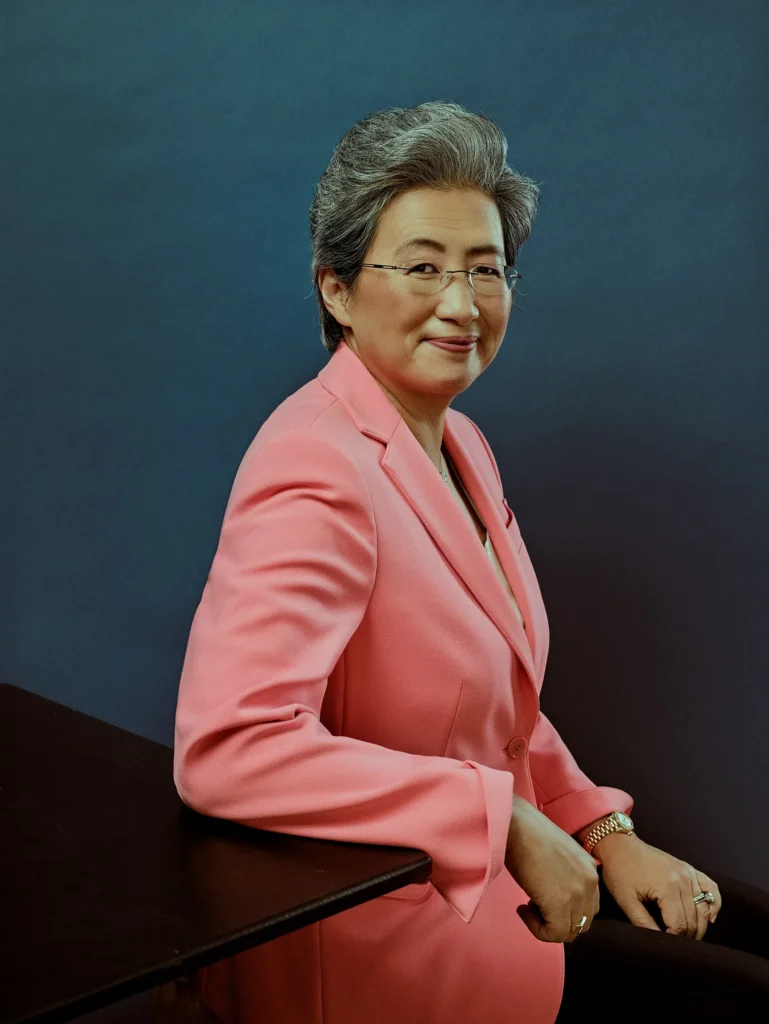
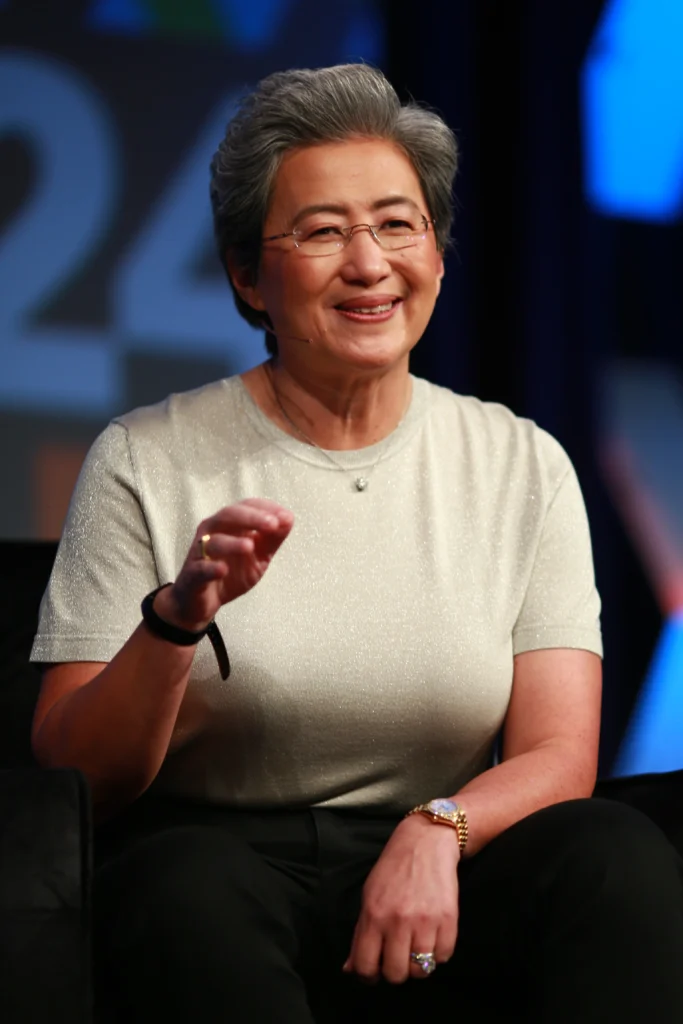
Industry pundits frequently discussed its imminent demise. Su inherited a firm in a state of strategic incoherence. Her leadership was not marked by a flamboyant announcement, but by a quiet, disciplined execution based on a clear, three-point strategic manifesto: focus on delivering genuinely great products, deepen trust with customers, and simplify the business model.
The linchpin of this corporate resurrection was a monumental, high-risk engineering gamble: the wholesale redesign of AMD’s core processor technology under the codename ‘Zen’. Recognising that AMD could not succeed by simply attempting to keep pace with their rivals, Su pushed her teams to pursue an entirely new microarchitecture that prioritised performance-per-watt and efficiency. It was a multi-year investment that required immense patience and financial discipline while the company’s finances remained fragile.
The 2017 launch of the first products based on the Zen architecture, the Ryzen desktop processors and EPYC server processors, marked the decisive turning point. These chips delivered a disruptive level of performance and value, enabling AMD to begin reclaiming lost market share in both consumer PCs and, more lucratively, the data centre. The success of EPYC, in particular, proved her strategic foresight, as she had bet correctly on the exponential demand for high-performance processors required for cloud computing and, increasingly, artificial intelligence.
Her product-centric vision was complemented by a sophisticated ecosystem strategy. Recognising the importance of guaranteed, high-volume revenue streams, she maintained and cemented key partnerships, ensuring that AMD’s Radeon graphics technology and customised processing units became the heart of the world’s leading gaming consoles, including the Microsoft Xbox and Sony PlayStation. This not only provided a vital financial shield but also affirmed the robust quality and performance of AMD’s underlying technology.
Under her watch, the company’s market capitalisation soared from mere billions to hundreds of billions, a spectacular escalation that turned AMD into one of the best-performing stocks of the decade. This financial outcome is the quantitative testimonial to her qualitative leadership: a style often described as intensely focused, data-driven, and relentlessly optimistic.
She is known for her hands-on engagement with product development, often being found in the labs scrutinising prototype chips, a rare trait in a CEO of a company of such immense scale. She fostered a culture where engineers were encouraged to “run towards problems,” tackling the most complex technical challenges rather than avoiding them. More recently, Su has positioned AMD at the vanguard of the next technological frontier: Artificial Intelligence. Recognising the monumental computational requirements of large language models and other AI workloads, she directed AMD to make significant investments in their Instinct MI series of accelerators, explicitly challenging the entrenched dominance of others in this critical, high-growth sector. This move, underpinned by the monumental acquisition of adaptive computing specialists Xilinx, represents her latest strategic pivot, proving that her leadership is not simply about sustaining a turnaround but about continuous, forward-looking transformation.
Dr Lisa Su’s life and work are an exceptional demonstration of how deep technical expertise can be the ultimate foundation for business leadership. She shattered the silicon ceiling, becoming the first woman to lead a major semiconductor company, and in doing so, offered an edifying paradigm for leadership in a field defined by technical rigour and cutthroat competition. Her legacy is etched not merely in shareholder returns, but in the microprocessors that power the world’s most advanced computational systems, a testament to the power of a clear vision executed with unyielding engineering discipline.