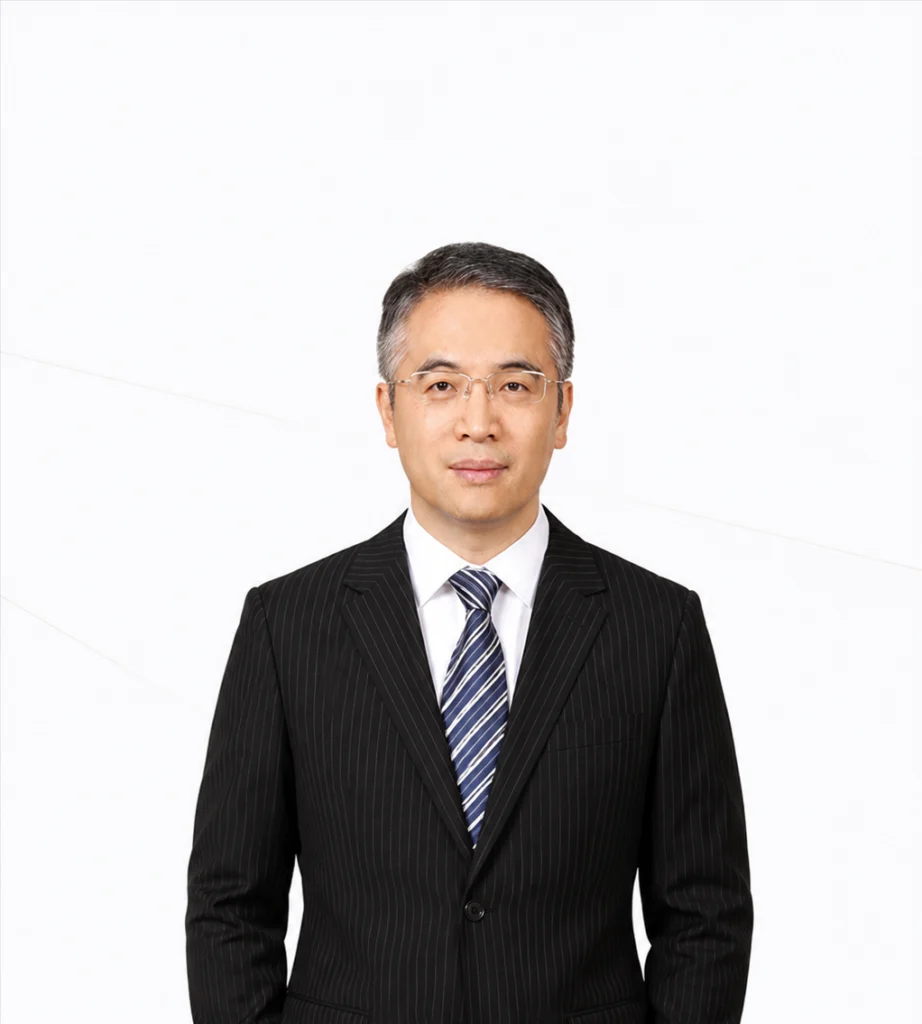
Gu Shu
The Pragmatic Leader Driving Rural Finance into the Digital Age
By Michelle Clark
Few financial institutions possess a mandate as broad and strategically significant as the Agricultural Bank of China. As one of the world’s largest commercial banks by assets, the institution occupies a unique position at the heart of China’s economic development, supporting everything from rural communities and agricultural enterprises to multinational corporations and international trade. Guiding this vast organisation is Gu Shu, Chairman of the Agricultural Bank of China, whose leadership reflects a philosophy of steady reform, prudent risk management, and long term sustainable growth. While less internationally recognised than some Western banking executives, Gu Shu oversees an institution whose influence extends across virtually every sector of the Chinese economy, making him one of the most important figures in global finance.
Gu Shu assumed leadership during a period of profound economic transformation. China’s financial system has entered a new phase characterised by slower but more sustainable economic growth, technological disruption, changing demographics, and greater emphasis on financial stability. At the same time, the banking sector has been tasked with supporting national development priorities while maintaining sound commercial performance. Balancing these objectives requires disciplined leadership, strategic foresight, and an ability to adapt to rapidly evolving domestic and international economic conditions.
Before taking the helm at Agricultural Bank of China, Gu Shu built a distinguished career across several of China’s leading financial institutions. His experience spans commercial banking, corporate finance, treasury management, and financial regulation, providing him with a comprehensive understanding of the complexities involved in managing large scale financial organisations. These decades of experience have shaped a leadership style rooted in operational discipline, prudent lending, and careful capital allocation rather than aggressive expansion or excessive risk taking.
Agricultural Bank of China occupies a distinctive place within China’s financial landscape. Originally established to support agricultural development and rural communities, the institution has evolved into one of the largest universal banks in the world. Today it serves hundreds of millions of retail customers, millions of corporate clients, and countless small businesses through an extensive network that stretches from major financial centres to some of the country’s most remote rural regions. This unique reach gives the bank responsibilities extending well beyond conventional commercial banking.
One of Gu Shu’s principal priorities has been reinforcing the bank’s commitment to inclusive financial development. Rural revitalisation has become a central component of China’s long term economic strategy, with financial institutions expected to provide greater support for agriculture, rural industries, and smaller enterprises. Agricultural Bank of China has continued expanding access to credit, financial services, and digital banking across regions that have historically experienced more limited access to formal financial infrastructure. Under Gu Shu’s leadership, the institution has sought to balance commercial objectives with broader economic development goals, helping narrow financial disparities between urban and rural communities.
Supporting agriculture remains an essential responsibility despite China’s increasingly diversified economy. Modern farming requires substantial investment in equipment, technology, irrigation systems, logistics, and supply chains. Agricultural Bank of China plays an important role in financing these investments while supporting food security, rural employment, and regional economic development. Gu Shu has consistently emphasised that strengthening agricultural finance is fundamental not only for economic growth but also for long term national stability.
Risk management has become another defining feature of his leadership. The banking industry operates within an environment shaped by changing credit conditions, property market adjustments, demographic shifts, and global economic uncertainty. Managing these challenges requires rigorous lending standards, comprehensive risk assessment, and disciplined capital management. Gu Shu has focused on improving asset quality, strengthening internal controls, and maintaining healthy capital reserves to ensure the institution remains resilient throughout economic cycles.
China’s financial regulators have placed increasing emphasis on reducing systemic financial risk, encouraging banks to adopt more conservative approaches to lending and balance sheet management. Agricultural Bank of China has responded by strengthening governance structures, improving compliance systems, and enhancing credit monitoring across its extensive loan portfolio. These measures are designed to ensure long term financial stability while preserving the bank’s capacity to support economic growth.
Technology has emerged as one of the most transformative forces shaping Agricultural Bank of China’s future. Digital banking is fundamentally changing how individuals and businesses access financial services. Customers increasingly expect seamless mobile applications, instant payments, intelligent financial management tools, and secure online banking experiences. Under Gu Shu’s leadership, the bank has accelerated investment in digital infrastructure, artificial intelligence, cloud computing, and advanced data analytics to meet these evolving expectations.

Artificial intelligence is playing an increasingly important role across the institution’s operations. Intelligent systems assist with fraud detection, credit evaluation, customer service, compliance monitoring, and operational efficiency. Automation has streamlined numerous administrative processes, enabling employees to focus more effectively on customer relationships and complex financial advisory services. These technological investments are helping the bank improve productivity while delivering faster and more personalised services to its vast customer base.
The rapid expansion of mobile payments and digital finance within China has fundamentally reshaped consumer behaviour. Millions of customers now conduct virtually every aspect of their financial lives through smartphones, creating unprecedented demand for secure, integrated, and convenient banking platforms. Agricultural Bank of China has continued enhancing its digital capabilities to remain competitive while maintaining the reliability and trust expected from one of the country’s oldest and largest financial institutions.
Corporate banking also remains a major pillar of the institution’s operations. Agricultural Bank of China provides financing for manufacturers, exporters, infrastructure developers, technology companies, and service industries across the country. Under Gu Shu’s leadership, the bank has sought to allocate capital towards sectors supporting long term productivity, industrial upgrading, and innovation. This approach reflects China’s broader transition from investment driven expansion towards higher quality economic development based on advanced manufacturing, technology, and sustainable growth.
International banking has become increasingly significant as Chinese companies continue expanding their global presence. Agricultural Bank of China has steadily strengthened its overseas operations, supporting cross border investment, international trade, foreign exchange services, and multinational corporate clients. Gu Shu’s leadership recognises that maintaining international competitiveness requires not only domestic strength but also the ability to serve customers across an increasingly interconnected global economy.
Environmental sustainability is assuming greater importance throughout China’s financial system, and Agricultural Bank of China has expanded financing for renewable energy, green infrastructure, environmentally responsible manufacturing, and low carbon development projects. Sustainable finance is becoming an increasingly important component of the bank’s long term strategy as governments, investors, and businesses place greater emphasis on balancing economic growth with environmental responsibility.
Corporate governance has also remained central to Gu Shu’s leadership philosophy. Managing an institution of this scale requires transparent decision making, effective regulatory compliance, operational accountability, and disciplined financial oversight. Strengthening governance frameworks helps maintain confidence among customers, investors, regulators, and international partners while ensuring the bank remains capable of responding effectively to changing market conditions.
Unlike many internationally prominent banking executives, Gu Shu maintains a relatively understated public profile. His leadership is characterised less by frequent public commentary and more by consistent institutional performance. This measured approach reflects a management philosophy that values stability, execution, and long term strategic planning over short term visibility. Nevertheless, the decisions made under his leadership influence lending, investment, rural development, infrastructure financing, and economic activity across one of the world’s largest economies.
The challenges facing Agricultural Bank of China remain substantial. Slower economic growth, evolving regulatory standards, technological disruption, demographic ageing, global geopolitical tensions, and increasing competition from digital financial platforms all require continuous strategic adaptation. Successfully navigating these changes demands ongoing investment in technology, strengthened risk management, and the flexibility to respond to shifting customer expectations without compromising financial stability.
Despite these challenges, the institution possesses formidable competitive strengths. Its extensive nationwide branch network, enormous customer base, strong capital position, expanding digital capabilities, and deep integration within China’s economic development provide a solid foundation for future growth. Under Gu Shu’s leadership, Agricultural Bank of China continues balancing commercial success with broader national priorities, reflecting its unique role within the country’s financial system.
Gu Shu’s leadership ultimately illustrates the importance of measured transformation in modern banking. Rather than pursuing rapid expansion or headline making initiatives, he has focused on strengthening operational resilience, embracing technological innovation, improving financial inclusion, and maintaining disciplined governance. These priorities have positioned Agricultural Bank of China to meet the demands of an increasingly digital and globally connected financial landscape while remaining faithful to its historic mission of supporting economic development across every region of China.
As global banking continues evolving through artificial intelligence, digital finance, sustainable investment, and shifting economic relationships, Agricultural Bank of China is expected to remain one of the world’s most influential financial institutions. Under Gu Shu’s stewardship, the bank is seeking not only to preserve its scale and financial strength but also to redefine how a modern commercial bank can promote inclusive growth, technological progress, and long term economic resilience. His legacy is likely to be remembered as one of steady leadership, strategic discipline, and an enduring commitment to building a stronger and more connected financial future.