Alexandr Wang
The Sovereign Of The Data Kingdom
By Michelle Clark
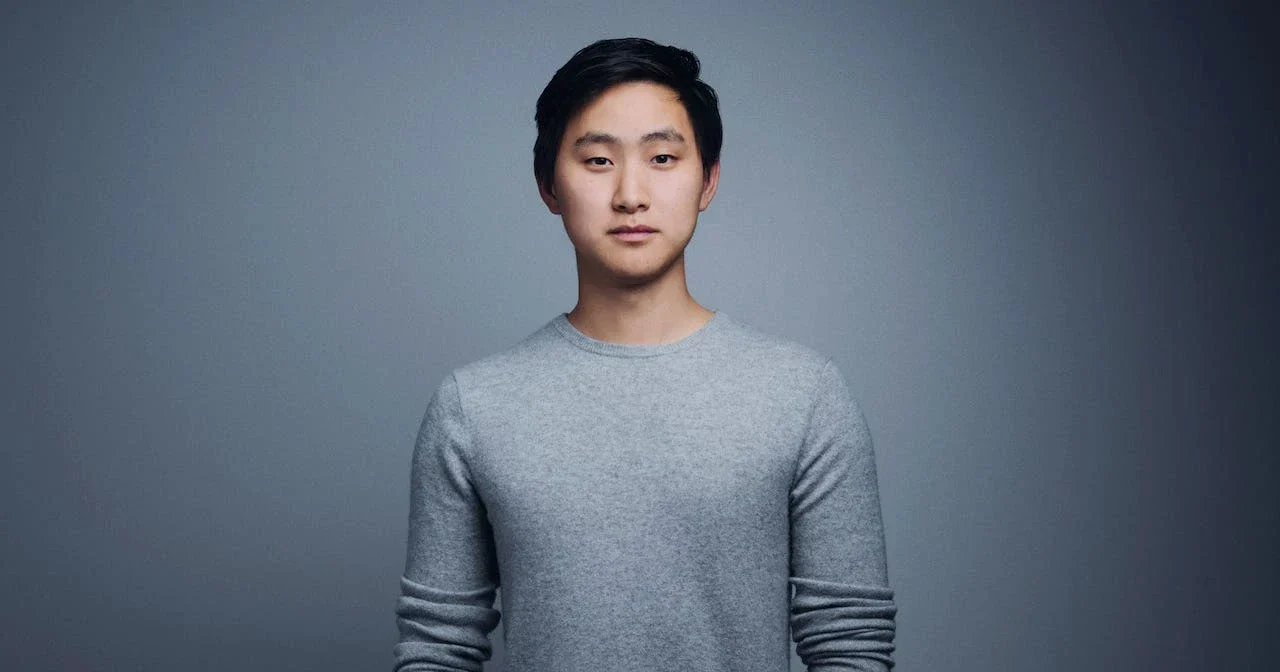
In the early months of 2026 the silhouette of the global economy is being reshaped not by the hands of traditional industrialists but by the invisible architecture of information curated by a young man from Los Alamos. Alexandr Wang has long been recognized as a prodigy of the silicon era but his current standing transcends the typical billionaire narrative. As the founder of Scale AI he has moved beyond the digital realms of chatbots and image generators to become the essential bridge for what many are calling Physical AI. This is the moment where artificial intelligence finally steps out of the screen and into the physical world and Wang is the one holding the map.
The transition from digital assistants to autonomous heavy machinery is the defining shift of this decade. While the previous years were dominated by large language models that could write poetry or summarize emails the focus has now pivoted toward robots that can navigate warehouses and assembly lines. This leap requires a different breed of data. It is no longer enough to feed a model billions of words from the internet. To make a robot functional in a chaotic factory or a bustling port it must understand the nuance of touch and the physics of movement. Wang recognized this before the giants did. By positioning his company as the primary provider of high quality sensory data for robotics he has made himself indispensable to the automation of global logistics.
There is a profound cultural weight to this technological evolution. Wang was born in 1997 to Chinese immigrant parents who were both physicists at the Los Alamos National Laboratory. Growing up in the shadow of the birthplace of the atomic bomb gave him a unique perspective on the intersection of science and national destiny. He does not view AI as a mere commercial tool but as a geopolitical asset. In his recent public appearances and correspondence with world leaders he has been vocal about the idea that the future belongs to those who control the most accurate data. This philosophy is deeply rooted in his heritage and the immigrant experience of his family where technical excellence was not just a career path but a form of survival and contribution to a new home.
Today the cultural impact of his work is visible in the manufacturing re-shoring boom across the United States. For decades the narrative of global trade was one of outsourcing labor to distant shores to keep costs low. However the rise of Physical AI powered by Scale AI is changing that math. By providing the data that allows robots to handle complex assembly tasks with human-like precision Wang has enabled a new era of domestic production. Factories that were shuttered decades ago are reopening with highly automated lines that can compete with any low cost labor market. This is a homecoming for industry and it is being driven by a man who understands that the most valuable commodity in the world is no longer oil or gold but labeled experience.
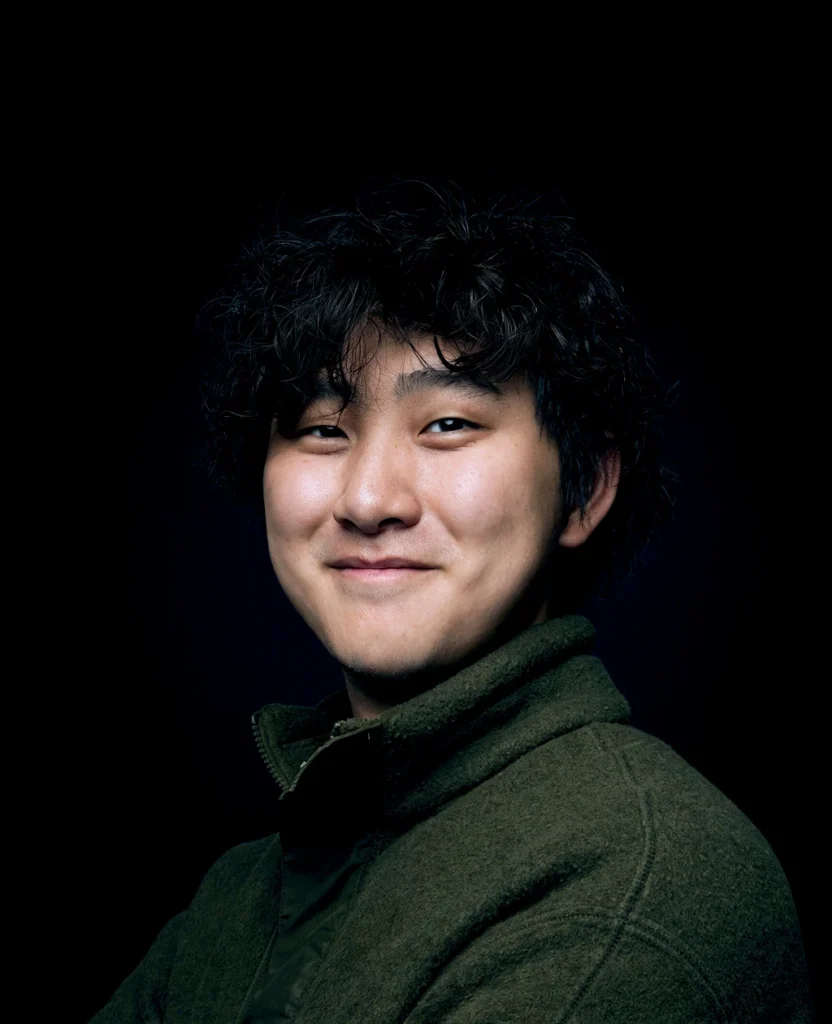
Wang remains the undisputed data king because he understands the grit required to build intelligence. He often speaks about a concept he calls vibe-coding where the process of creation is as much about intuition and tinkering as it is about rigid logic. This approach reflects a shift in tech culture away from the polished corporate atmosphere of the 2010s toward a more scrappy and experimental mindset. He encourages young engineers to spend thousands of hours playing with tools and understanding their limits. This hands-on philosophy has permeated the industry influencing a new generation of creators who see themselves as modern day artisans working with digital clay.
In early 2026 the stakes for Scale AI have reached a peak. The company has become a central nervous system for the modern world. When a self-driving truck navigates a snowstorm in the Midwest or a robotic arm sorts medical supplies in a sterilized lab they are using brains that were trained on datasets curated by Wang’s teams. The sheer scale of this operation is staggering involving a global network of human experts who teach machines how to interpret the world. This symbiotic relationship between human intelligence and machine learning is the core of Wang’s vision. He has never believed that AI will replace humanity instead he sees it as an extension of our capability to solve the most difficult problems on the planet.
The personal journey of Alexandr Wang is as compelling as the company he built. Dropping out of the Massachusetts Institute of Technology at nineteen was a gamble that few would have taken but for him it was a necessity. He saw a bottleneck in the development of AI that no one else was addressing. While others were focused on building the most complex algorithms he focused on the fuel that those algorithms consumed. This foresight turned him into the world’s youngest self-made billionaire but more importantly it placed him at the center of a new industrial revolution. His influence is felt in every sector from defense to healthcare because every industry is currently undergoing a massive data-driven transformation.
There is a certain irony in the fact that a man whose parents worked on the most destructive weapon in history is now building the tools that could lead to a post-scarcity society. Wang is acutely aware of this legacy. He often discusses the ethical implications of his work and the responsibility that comes with being a gatekeeper of such powerful technology. He has championed a hiring policy based on merit and talent asserting that in the race for superintelligence there is no room for anything other than excellence. This stance has made him a controversial figure in some circles but it has also earned him the respect of those who believe that the challenges of the future require a relentless focus on quality.
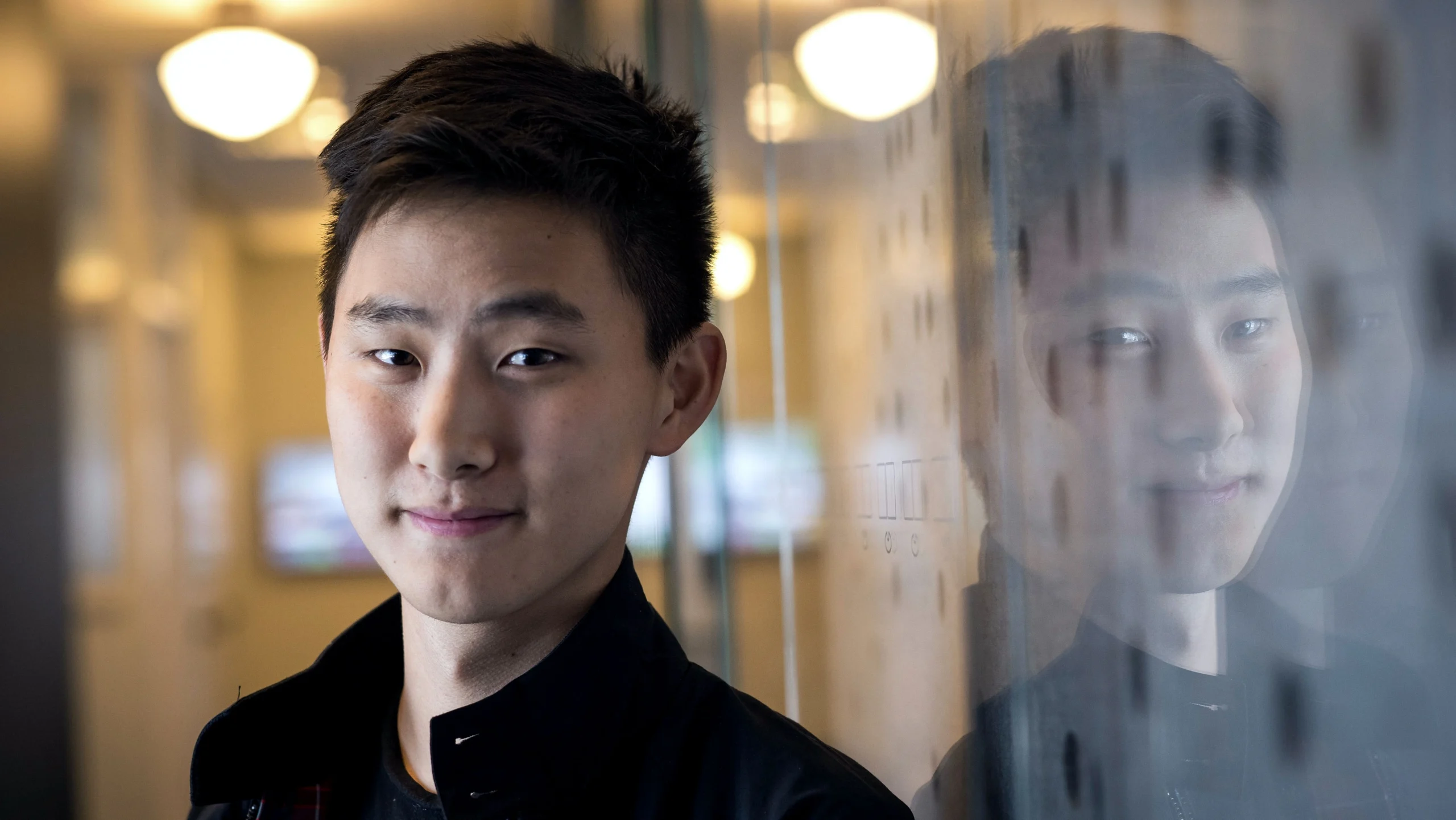
As we look at the landscape of 2026 the story of Alexandr Wang is the story of the world’s transition into a new phase of existence. We are no longer just living alongside computers we are beginning to inhabit a world where the physical and the digital are seamlessly integrated. The logistics of our lives from the food we eat to the products we buy are being optimized by systems that learn from the data Wang provides. This is the era of the smart machine and it is being defined by a leader who values the human touch in the heart of the algorithm.
The cultural angle of this story is not just about the success of one individual but about the shifting identity of the tech industry itself. Wang represents a bridge between the traditional values of scientific rigor and the fast paced world of modern entrepreneurship. He is a violinist a mathematician and a businessman who moves with equal ease between boardrooms and research labs. This versatility is reflected in the way Scale AI operates. It is a company that is as much about the human element as it is about the code. By acknowledging that machines cannot learn without us Wang has created a more inclusive vision of the future one where technology serves as a partner to human endeavor.
The re-shoring of manufacturing is perhaps the most tangible evidence of this partnership. As robots become more capable they are allowing countries to reclaim their industrial heritage without relying on exploitative labor practices. This shift is bringing jobs back to local communities and revitalizing the middle class. It is a profound change that few predicted and it would not be possible without the infrastructure that Wang has built. He has effectively democratized the power of AI making it accessible to companies of all sizes and allowing them to compete on a global stage.
As the data king Wang continues to look toward the horizon. His focus is now on the development of superintelligence and the ways in which it can be safely integrated into society. He remains a primary driver of the automation of global logistics ensuring that the movement of goods and services is as efficient as possible. In a world that is often characterized by uncertainty and rapid change he provides a steady hand and a clear vision. He understands that the future is not something that happens to us but something that we build one data point at a time.