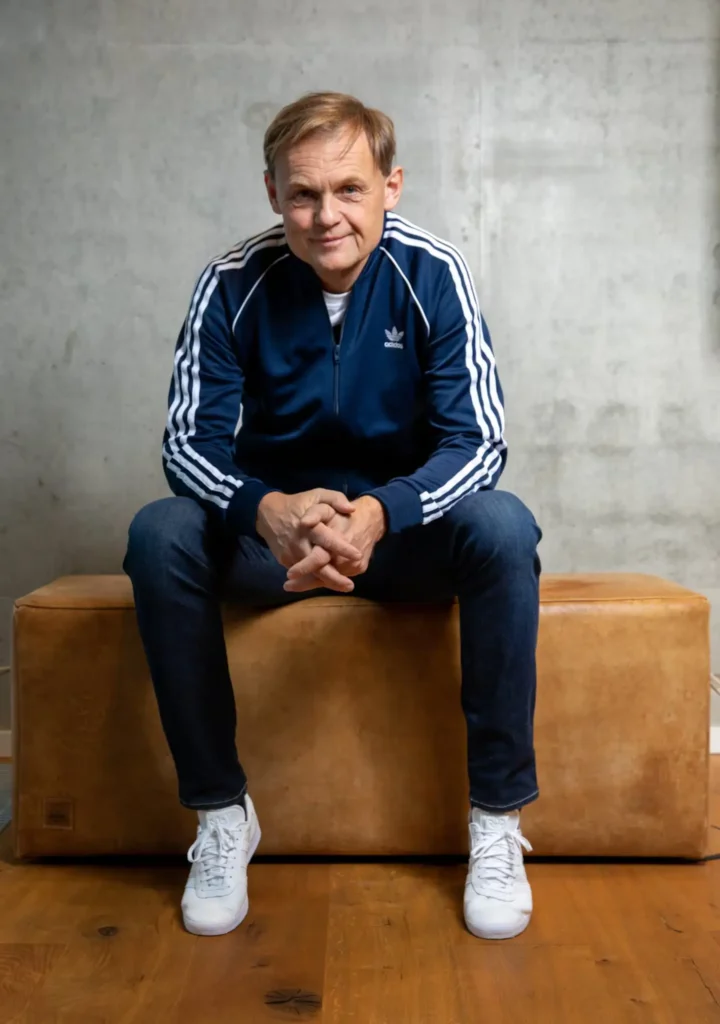
Bjørn Gulden
Catalyzing Culture Driven Turnarounds Through Product Velocity and Partnership Agility
By Paul Smith
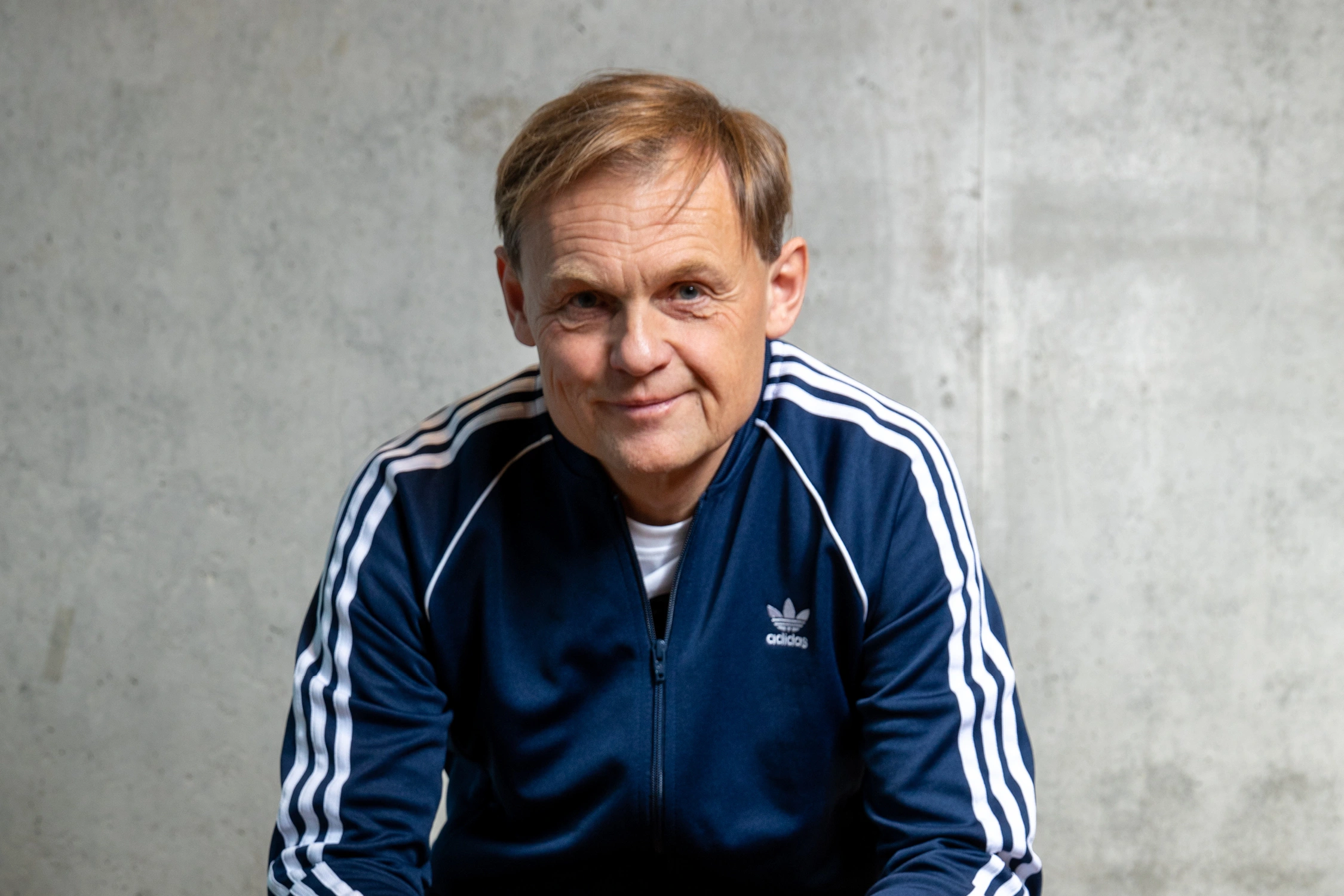
Adidas was established in 1949 by Adolf Adi Dassler in the Bavarian town of Herzogenaurach, Germany, emerging as a foundational pioneer of modern athletic footwear and sports apparel. Over decades of fierce competition with global rivals, Adidas established an international sporting heritage rooted in German engineering precision, iconic three-stripes branding, and landmark partnerships across global football, track and field, tennis, and outdoor sports. However, by late 2022, the company faced severe financial and brand challenges following the sudden termination of major lifestyle line partnerships, elevated global warehouse inventory levels, and declining sales momentum across critical growth markets, requiring a decisive leadership turnaround.
Bjørn Gulden assumed executive leadership as Chief Executive Officer of Adidas in January 2023, bringing a track record of commercial turnarounds gained during his successful tenure leading neighboring sports competitor Puma. Gulden immediately implemented a decentralized, agile operational structure, empowering regional product managers and local country leads to make fast commercial decisions tailored to regional sports culture and fashion trends. Facing an immediate financial crisis related to high unsold inventory, Gulden made clear, pragmatic strategic moves to carefully clear excess stock while reorienting global design teams toward Adidas’s rich heritage footwear archive, driving global fashion trends around classic terrace sneakers such as the Samba, Gazelle, and Spezial.
In 2026, Bjørn Gulden’s strategic turnaround plan has returned Adidas to strong financial health, boosting the company’s enterprise market capitalization back up toward forty-five billion dollars. The brand has achieved commercial momentum by pairing elite sports performance innovation with lifestyle street culture, securing major national football federation sponsorships, top-tier Olympic athlete endorsements, and high-profile fashion house collaborations. Gulden has systematically restructured global supply chain operations to shorten production lead times, enabling Adidas to rapidly scale up global manufacturing of high-demand footwear lines while exercising strict control over wholesale distribution channels to maintain full-price sell-through rates.
Operational authenticity, wholesale partner integration, and sustainable manufacturing form core pillars of Gulden’s management framework in 2026. Recognizing that wholesale retail partners are essential for global brand reach, Gulden restored close relationships with key athletic stockists worldwide, providing them with exclusive product allocations and collaborative marketing support.
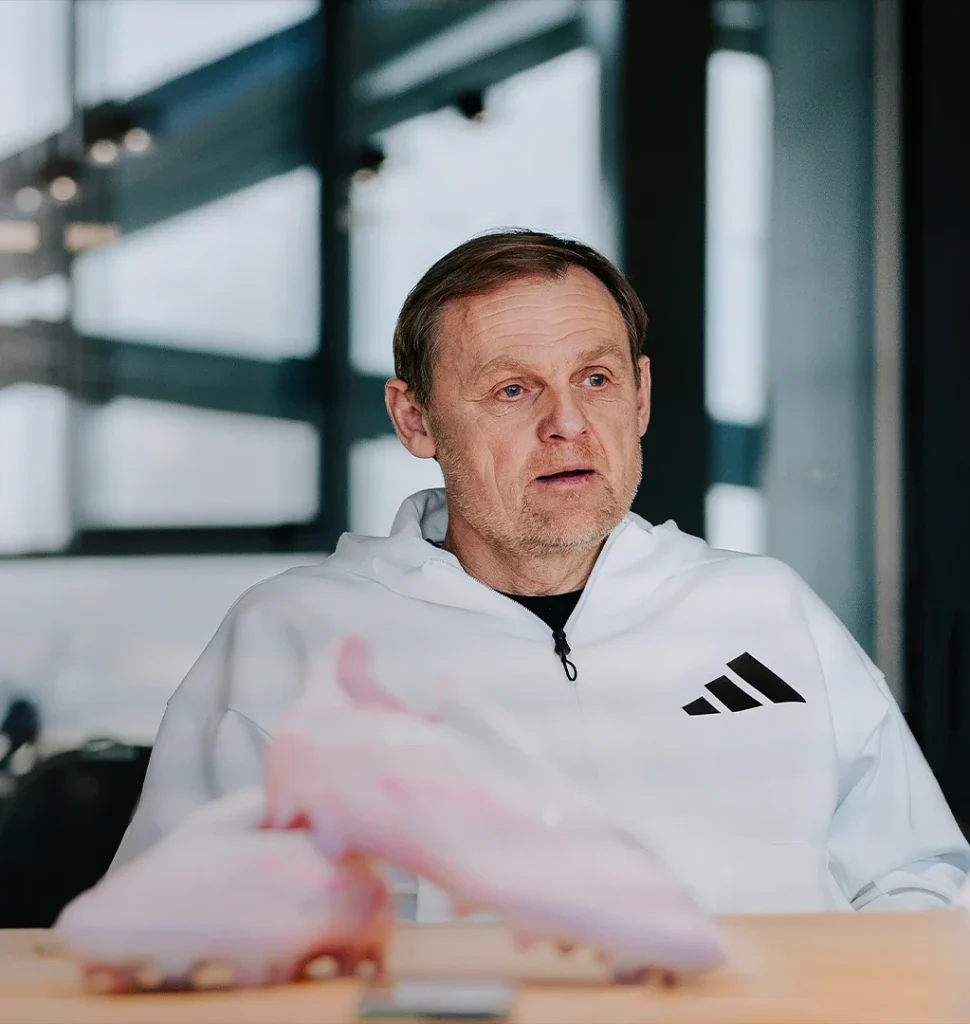
Simultaneously, the company has advanced its environmental sustainability programs, increasing the use of ocean-bound recycled plastics, organic cotton, and low-carbon manufacturing processes across its apparel and footwear production lines. Through transparent internal communication and a clear focus on core sports authenticity, Gulden has revitalized corporate morale and operational execution.
Bjørn Gulden’s leadership of Adidas represents one of the most effective corporate turnarounds in modern retail history, proving that operational agility, authentic athletic roots, and fast execution can quickly restore commercial performance. His pragmatic communication style and deep understanding of consumer culture have revitalized market demand and built long-term brand equity. With an enterprise market valuation holding near forty-five billion dollars, Gulden’s strategic management ensures that Adidas remains a powerful force in global athletic performance, activewear, and sports fashion lifestyle culture.
Bjørn Gulden assumed the role of Chief Executive Officer of Adidas in January 2023, bringing a legendary reputation for rapid commercial turnarounds built during his successful tenure leading neighboring rival Puma. Gulden immediately instituted a decentralized operational structure, empowering regional managers to make agile product and marketing decisions while restoring a fast-paced entrepreneurial culture across the organization. Facing an acute inventory crisis, Gulden made the strategic decision to thoughtfully liquidate remaining high-demand lifestyle inventory while redirecting global design focus back toward classic terrace footwear lines like the Samba, Gazelle, and Spezial, which subsequently became dominant global fashion trends.
In 2026, Gulden’s strategic moves have elevated Adidas to robust financial health, pushing the company’s market capitalization back up toward forty-five billion dollars. The brand has expanded its momentum by fusing elite performance technology with vibrant street culture, securing high-profile team federations and international athlete endorsements ahead of major global sporting events. Gulden has systematically overhauled supply chain operations to shorten lead times, enabling Adidas to rapidly scale production on viral footwear trends while maintaining tight control over wholesale distribution channels to preserve brand equity and full-price sell-through rates.
Gulden’s impact on Adidas stands as one of the most effective corporate turnarounds in modern retail history. His clear, pragmatic communication style, operational decisiveness, and intuitive grasp of sports culture have reignited consumer demand and restored brand pride internally. With an enterprise market value hovering around forty-five billion dollars, Gulden has demonstrated that deep sports authenticity, rapid product execution, and culturally attuned marketing can successfully revitalize a historic heritage brand within global competitive retail.