Daniel Ervér
Transforming Sustainable Scale into Next-Generation High Street Relevance
By Janhavi Gusani
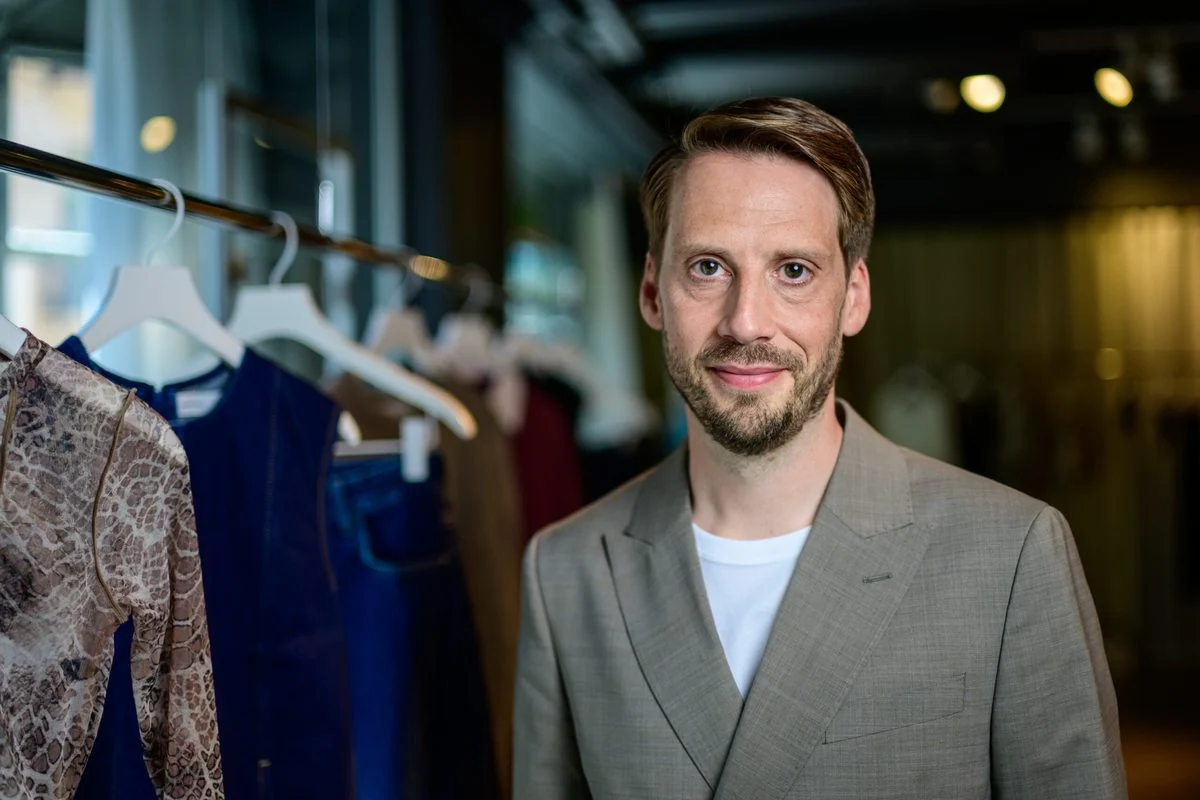
Hennes and Mauritz, universally recognized around the globe as the H and M Group, traces its foundational commercial roots to 1947 when Swedish entrepreneur Erling Persson established a specialized women’s clothing boutique named Hennes in the town of Västerås, Sweden. Driven by a vision to offer stylish, contemporary apparel at prices accessible to everyday consumers, the business experienced rapid domestic expansion over the subsequent two decades.
The trajectory of the company altered permanently in 1968 when Persson acquired the Stockholm-based hunting equipment and outdoor apparel retailer Mauritz Widforss. This strategic acquisition expanded the store’s inventory to include menswear and childrenswear, prompting the consolidation of the business under the unified corporate identity of Hennes and Mauritz, abbreviated as H and M. Over the following decades, the company embarked on an ambitious international expansion campaign across Europe, North America, and Asia, establishing a massive retail footprint defined by large-scale high-street locations.
Central to the brand’s global cultural identity was its pioneering strategy of democratic design, highlighted by legendary fashion collaborations initiated in 2004 with elite luxury designers and high-fashion houses. These limited-edition collections brought runway-level aesthetics to millions of mainstream consumers, permanently establishing H and M as an iconic cornerstone of accessible high-street retail.
In early 2024, the board of directors appointed Daniel Ervér as Chief Executive Officer of the H and M Group, tasking him with navigating the corporate enterprise through an intense period of operational transformation and market repositioning. Ervér brought more than eighteen years of deep internal operational experience to the chief executive office, having served in diverse leadership roles across merchandise planning, visual display, country management, and as global head of the core H and M brand division.
Taking leadership of a retail conglomerate valued at approximately twenty-five billion dollars, Ervér encountered a complex operational landscape characterized by shifting consumer preferences, intense competition from digital-native fashion platforms, and persistent margin pressures resulting from elevated raw material costs and global supply chain disruptions.
Unlike executive leaders brought in from external industries, Ervér possessed an intimate knowledge of the group’s global supply networks, retail store operations, and multi-brand portfolio, which includes Cos, Arket, Monki, Weekday, and H and M Home. His strategic mandate centered on restoring top-line growth, improving operating margins, optimizing store network productivity, and accelerating digital transformation across all global sales channels.
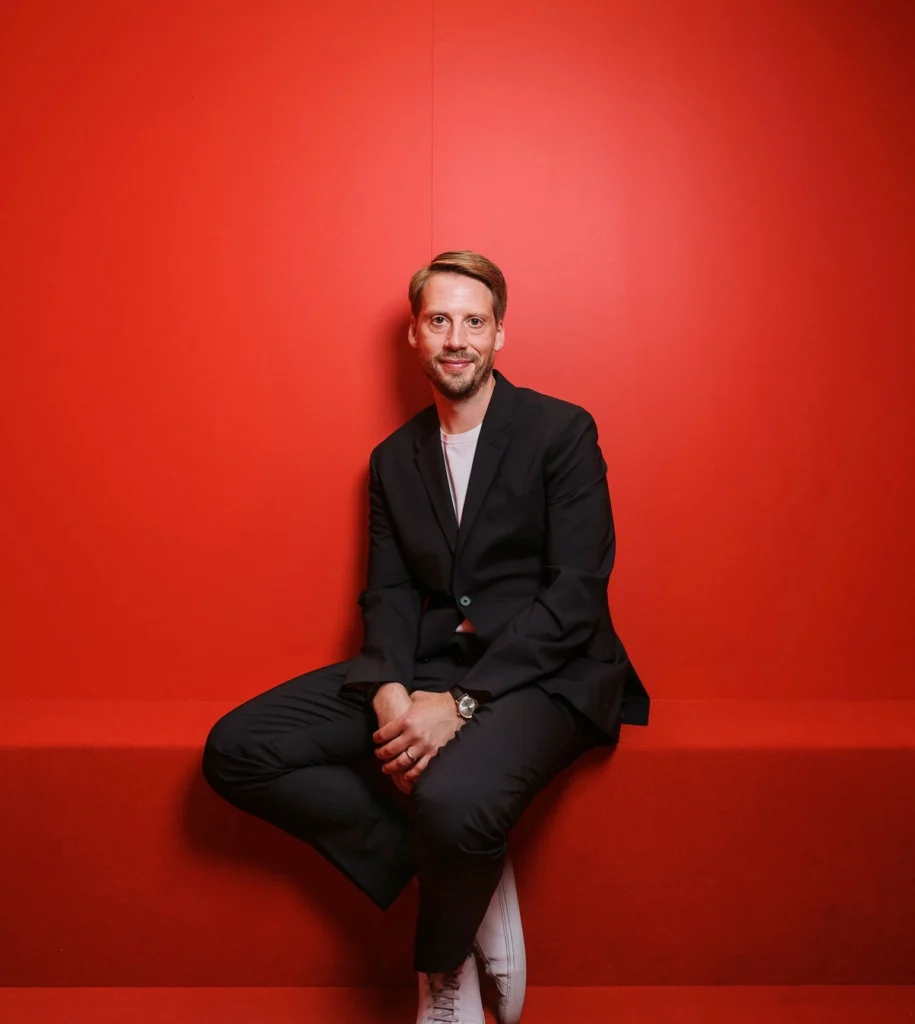
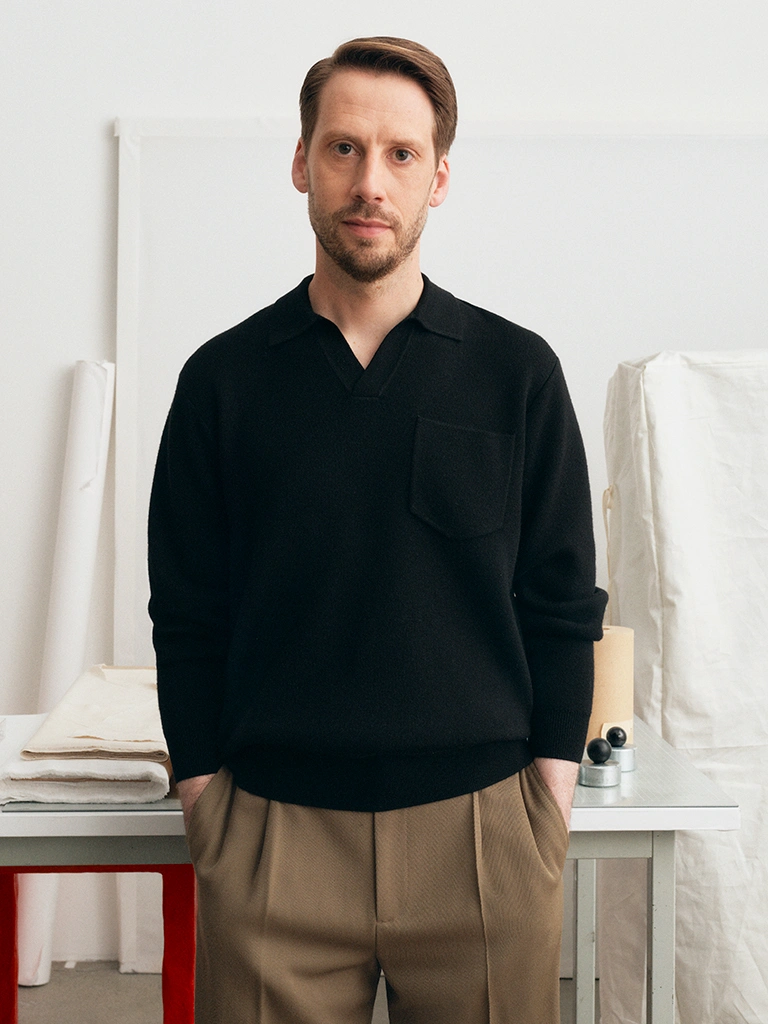
Throughout 2026, Daniel Ervér has executed a comprehensive operational strategy focused on refining product quality, elevating brand perception, and streamlining the group’s expansive physical retail store footprint. Recognizing that competing purely on low-cost volume is unfeasible in an era of hyper-fast digital production, Ervér shifted the strategic focus of H and M toward higher-value collections featuring premium fabric blends, improved garment construction, and timeless design aesthetics. This product elevation strategy has been accompanied by a disciplined restructuring of the physical store network, closing underperforming legacy locations while aggressively renovating key flagship stores in major metropolitan fashion capitals.
The modernized store environments emphasize spacious, open layouts, ambient lighting, curated visual merchandising, and seamless omni-channel technologies. Customers within these updated physical spaces can utilize mobile self-checkout services, access instant online stock inventory, and utilize automated returns kiosks, effectively creating a frictionless shopping experience that bridges physical retail stores and digital platforms. Furthermore, Ervér has overseen targeted investments in high-growth international markets, expanding the company’s presence across developing retail sectors in Latin America, Southeast Asia, and Eastern Europe.
Operational efficiency and supply chain agility have formed the core technical pillars of Ervér’s corporate overhaul. Under his leadership, the H and M Group has deployed sophisticated artificial intelligence and predictive machine learning models across its demand forecasting and inventory management systems. By analyzing real-time sales data, local climate trends, search traffic, and social sentiment, these algorithmic systems enable precise localized inventory allocation, ensuring that retail stores receive regional stock tailored to immediate consumer demand.
This data-driven supply strategy has drastically reduced excess inventory levels, minimized reliance on deep promotional markdowns, and enhanced overall full-price sell-through rates. Simultaneously, Ervér has spearheaded significant advancements in the group’s environmental sustainability frameworks, prioritizing investments in commercial-scale textile recycling infrastructure, waterless garment dyeing technologies, and fossil-free supply chain logistics.
Through key commercial partnerships with green tech developers, H and M is integrating recycled cellulosics and circular synthetic fibers into its high-volume product lines, establishing clear, traceable pathways toward decarbonized garment manufacturing.
The financial trajectory of the H and M Group under Daniel Ervér’s stewardship demonstrates a firm stabilization of profitability metrics, reinforced operating margins, and renewed investor confidence, upholding an enterprise valuation of approximately twenty-five billion dollars. By successfully executing a balanced strategy of cost discipline, structural operational modernization, and elevated design aesthetics, Ervér has positioned the global retail giant to remain highly relevant within an increasingly fragmented marketplace. His pragmatic executive leadership emphasizes that long-established high-street fashion brands can revitalize their market position by leveraging vast global scale alongside technological agility, sustainable manufacturing practices, and an unwavering commitment to product quality.
In early 2024, Daniel Ervér was appointed Chief Executive Officer of the H&M Group, stepping into the role after more than eighteen years of internal leadership experience within the organization, including managing the core H&M brand. Inheriting a corporate enterprise valued at approximately twenty-five billion dollars, Ervér faced the task of revitalizing profitability, streamlining inventory management, and restoring creative energy to a brand that had grown vulnerable to ultra-fast digital competitors. His strategy pivoted away from sheer volume growth toward quality enhancement, improved customer experience, and a hyper-efficient, agile supply network capable of reacting dynamically to regional consumer shifts.
Throughout 2026, Ervér has guided H&M through a structural overhaul, balancing physical footprint rationalization with substantial investments in high-performing core markets. The brand has prioritized high-margin fashion collections featuring upgraded fabrics, superior tailoring, and refined visual aesthetics, effectively moving away from low-cost disposable garments. Under his directive, H&M has accelerated its deployment of artificial intelligence for demand forecasting, inventory allocation, and localized assortment planning, which has substantially reduced reliance on promotional markdowns. Concurrently, the company’s investments in textile recycling innovations and closed-loop manufacturing processes have matured, establishing scalable circular fashion initiatives that enhance brand equity among environmentally conscious consumers.
Ervér’s leadership impact is reflected in stabilized operating margins and renewed brand prestige, demonstrating that massive global scale can be successfully realigned with contemporary retail realities. By balancing cost discipline with strategic investments in store design, digital platforms, and premium collection lines, he has positioned the H&M Group to maintain its position as a global retail force. With a valuation anchored at twenty-five billion dollars, the group continues to demonstrate that structural adaptation, operational rigor, and a renewed commitment to product quality can reinvigorate legacy high-street fashion brands within a highly competitive marketplace.