Tadashi Yanai
Engineering Essential Everyday Apparel Through Unwavering Functional Innovation
By Jane Stevens
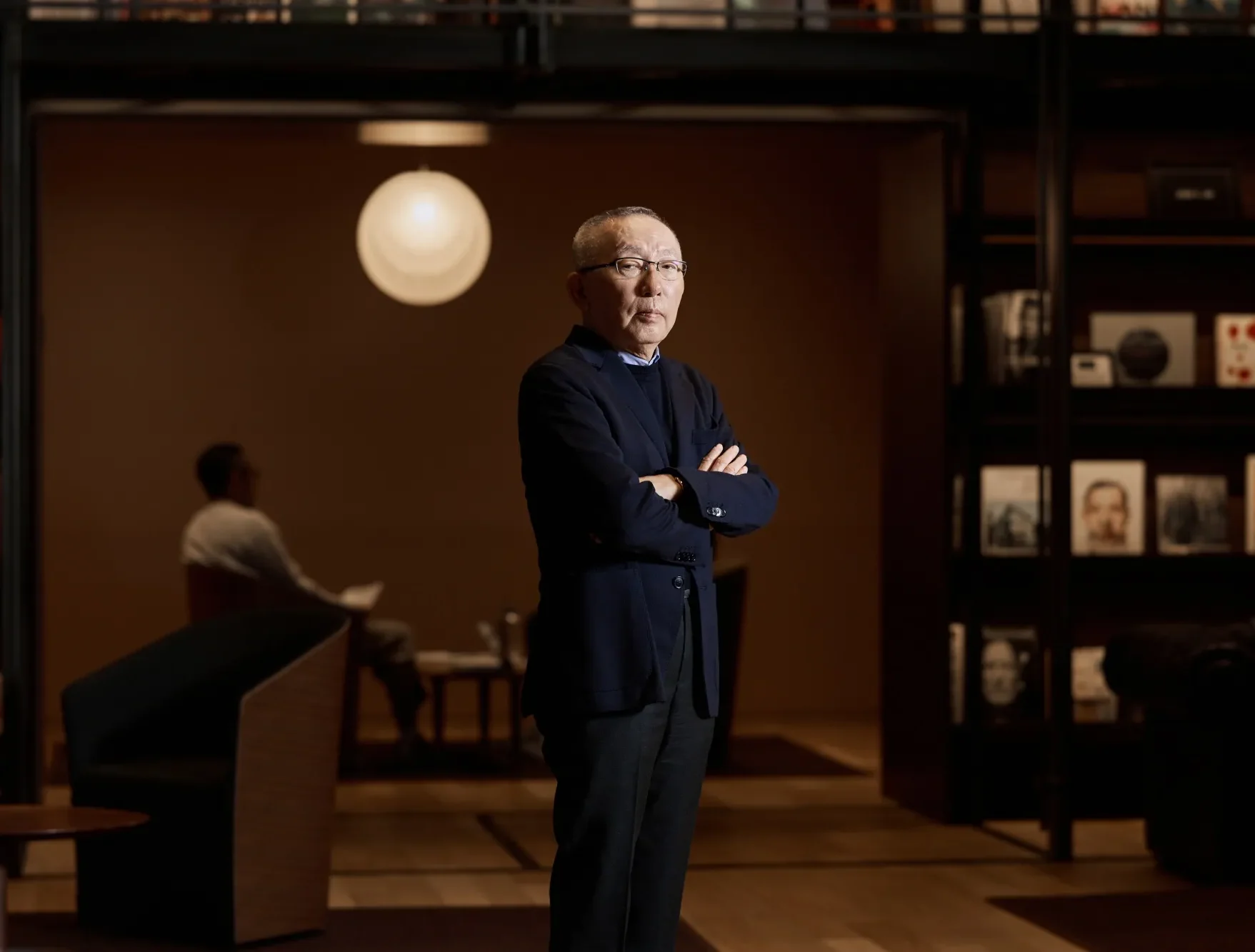
The historic rise of Fast Retailing and its global flagship brand Uniqlo from a single, unassuming menswear shop in Hiroshima, Japan, established in 1984 under the corporate name Ogori Shoji, into one of the world’s most valuable retail conglomerates represents a definitive masterclass in commercial innovation and operational discipline. At the center of this extraordinary long-term expansion is Tadashi Yanai, whose visionary leadership transformed a traditional regional business into a global retail powerhouse. Recognizing early on that competing within the volatile, trend-driven fast-fashion market created operational inefficiencies, high markdowns, and inconsistent product quality, Yanai developed a radically different commercial paradigm. He conceived the LifeWear philosophy, a foundational business concept focused on producing high-quality, highly functional, universal basic apparel designed to transcend temporary fashion trends and integrate seamlessly into any individual’s daily wardrobe. By shifting the corporate focus from chasing short-lived runway aesthetics to perfecting fundamental garment engineering, Yanai established a business model based on high-volume, long-cycle manufacturing. This strategy allowed Fast Retailing to partner closely with specialized global fabric mills and garment manufacturers, executing rigorous quality control protocols while achieving substantial economies of scale that made premium functional clothing available at remarkably affordable price points.
Under Tadashi Yanai’s persistent leadership, Fast Retailing expanded its commercial footprint far beyond Japan, establishing dominant retail positions across China, South Korea, Southeast Asia, Europe, and North America. Today, Fast Retailing commands an enterprise market capitalization approaching ninety-five billion dollars, making it one of the most financially resilient, highly profitable apparel companies in the global market. The structural engine behind this commercial success lies in Yanai’s commitment to proprietary material innovation. Through long-standing joint ventures with advanced chemical and textile technology leaders, Uniqlo introduced revolutionary functional fabric platforms that created entirely new product categories within global apparel. Core product lines such as Heattech thermal wear, Airism cooling textiles, Blocktech weather-resistant outerwear, and Ultra Light Down jackets transformed daily consumer dress habits worldwide. Rather than viewing garments as disposable fashion items, Yanai treated them as functional consumer equipment, continuous product lines that undergo iterative annual design refinements, fabric upgrades, and manufacturing enhancements to deliver superior comfort, durability, and performance.
In 2026, Tadashi Yanai continues to actively drive Fast Retailing toward ambitious long-term global revenue goals, focusing aggressive expansion efforts on major Western markets while solidifying the company’s leading market share across Asian territories. A key component of this international growth strategy involves opening large-scale, architecturally striking flagship stores in world-capital retail locations, including New York, London, Paris, Tokyo, and Shanghai. These flagship locations act as commercial cathedrals for the LifeWear brand identity, showcasing the full spectrum of functional product lines, high-profile graphic art collaborations, and interactive displays that demonstrate the scientific engineering behind proprietary textiles. Concurrently, Yanai has directed massive capital investments into state-of-the-art automated logistics infrastructure. Fast Retailing has built fully automated warehouse networks equipped with advanced robotics, automated sorting systems, and real-time inventory management algorithms.

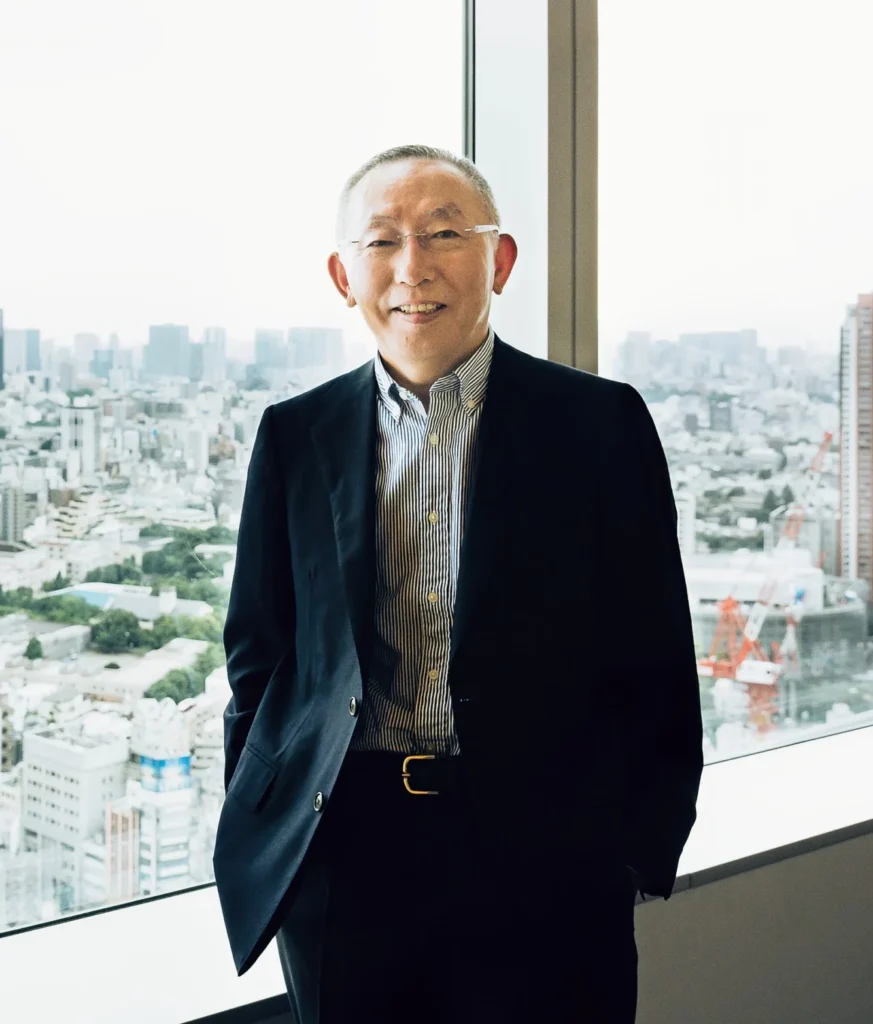
These logistics hubs enable instant stock replenishment for physical stores and support rapid fulfillment for the company’s growing direct-to-consumer e-commerce platforms, drastically cutting operational costs and reducing shipping delivery times.
Operational standardization, corporate culture, and environmental responsibility remain central to Yanai’s management framework in 2026. Fast Retailing operates a highly structured managerial system that instills absolute operational discipline, meticulous visual merchandising standards, and exceptional customer service protocols across every store worldwide. Through the Uniqlo Management and Innovation Center, Yanai oversees the training of executive talent, ensuring that the company’s core operational values are maintained across diverse global markets.
Simultaneously, the company has expanded its circular economy frameworks through global product take-back initiatives, clothing repair stations in flagship stores, and advanced textile recycling projects. By collecting used garments directly from consumers, Uniqlo processes reclaimed down and recycled synthetic fibers back into new production lines, demonstrating a practical operational commitment to waste reduction and resource conservation across its manufacturing ecosystem.
Tadashi Yanai’s profound impact on modern commercial history extends far beyond financial balance sheets and corporate expansion metrics. He has fundamentally rewritten the global operational playbook for volume retail, proving that long-term commercial success can be achieved through unwavering focus on utility, quality, and functional continuous improvement. With Fast Retailing’s market capitalization holding firm near ninety-five billion dollars, Yanai’s vision of universal, engineered everyday clothing stands as an enduring competitive advantage, establishing an operational model that continues to set global standards for retail efficiency, material performance, and customer value.
Under Yanai’s persistent and visionary direction, Uniqlo expanded far beyond Japan, establishing dominant retail footprints across Asia, North America, and Europe. Today, Fast Retailing commands a market capitalization approaching ninety-five billion dollars, reflecting one of the most resilient and profitable business models in the global apparel industry. Yanai’s philosophy rejects the disposable nature of traditional fast fashion, focusing instead on long-cycle product innovation such as Heattech, Airism, and Ultra Light Down. These proprietary lines created entirely new functional categories within the consumer wardrobe, transforming basic items into essential daily technology.
In 2026, Yanai continues to drive Fast Retailing toward its ambitious long-term revenue targets through aggressive international retail expansion, particularly in Western markets where Uniqlo’s brand recognition has reached unprecedented heights. The brand’s strategic moves include expanding flagship store networks in major global fashion capitals while optimizing digital integration through localized distribution hubs and automated logistics networks. Yanai has also placed immense focus on leadership development and operational standardization, ensuring that Uniqlo’s unique retail service standards and visual merchandising precision are flawlessly executed across all worldwide locations.

Yanai’s influence extends far beyond financial metrics; he has fundamentally rewritten the global operational manual for volume apparel retail. By insisting on continuous refinement of core materials, rigorous quality assurance, and a corporate culture rooted in operational discipline, he has built an enduring retail institution. With Fast Retailing’s market capitalization holding steady around ninety-five billion dollars, Yanai’s vision of functional, universal clothing continues to dominate global commerce, proving that functional utility and operational efficiency represent a formidable competitive moat in retail fashion.