Lei Jun
The Digital Visionary Driving China's Next Mobility Revolution
By Sidra Asif

Few entrepreneurs have successfully transformed an entire industry. Even fewer have managed to do so more than once. Lei Jun belongs to that rare category of business leaders whose influence extends far beyond the company they founded. Celebrated as one of China’s most accomplished technology pioneers, Lei built Xiaomi into a global consumer electronics giant before accomplishing what many industry experts considered nearly impossible. He successfully crossed from smartphones into electric vehicles, creating one of the most remarkable business expansions of the modern era.
At a time when established automotive manufacturers were spending decades refining their electric vehicle strategies, Lei Jun entered the market with a newcomer’s ambition and a technology entrepreneur’s mindset. What followed surprised competitors, investors and consumers alike. Within an astonishingly short period, Xiaomi emerged as a serious force in the electric vehicle sector, demonstrating that the future of transportation may belong not only to traditional automakers but also to companies born in the digital age.
Lei’s story begins far from the automotive world. Born in Hubei Province, China, he displayed an early fascination with technology and innovation. After studying computer science, he entered the rapidly evolving Chinese technology sector, gaining valuable experience during a period when the country’s digital economy was beginning its ascent.
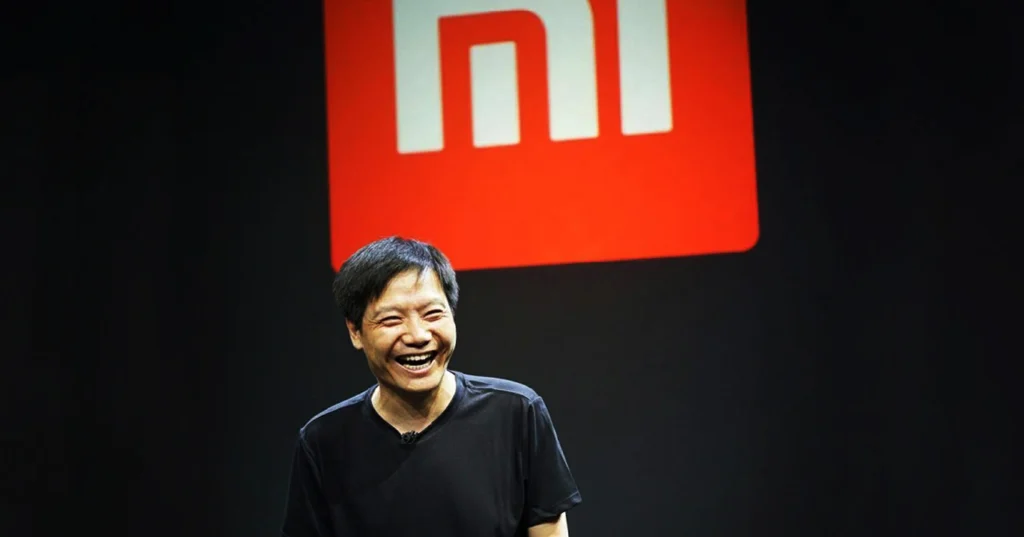
Those early years shaped his understanding of consumer behaviour, software ecosystems and technological disruption, lessons that would later become central to Xiaomi’s extraordinary success.
When Lei founded Xiaomi in 2010, the smartphone market appeared fiercely competitive and dominated by powerful international brands. Many observers questioned whether another manufacturer could gain meaningful market share. Yet Lei approached the challenge differently. Rather than viewing smartphones as standalone products, he envisioned an interconnected ecosystem that combined hardware, software and digital services into a seamless user experience.
This philosophy quickly distinguished Xiaomi from its competitors. The company delivered sophisticated technology at highly competitive prices while building a loyal community of users who became active participants in the brand’s development. Xiaomi’s rapid growth transformed it into one of the world’s largest smartphone manufacturers and established Lei as one of the most influential figures in global technology.
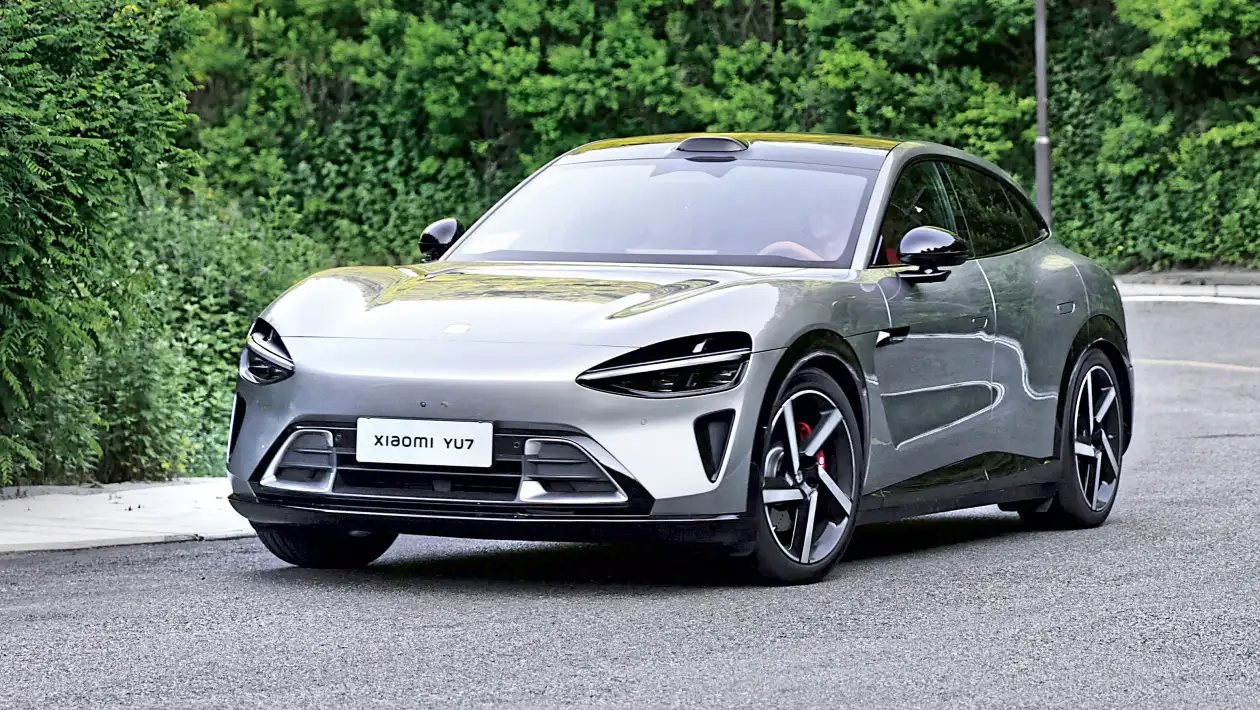
What made Lei particularly effective was his ability to understand how technology integrates into everyday life. He recognised that consumers no longer purchased devices in isolation. They increasingly expected products to communicate with one another, creating unified experiences across multiple aspects of daily living. Xiaomi expanded beyond smartphones into smart home devices, wearables, entertainment systems and connected technologies, steadily building one of the most comprehensive consumer ecosystems in the industry.
This ecosystem approach ultimately became the foundation for Xiaomi’s automotive ambitions.
When Lei announced Xiaomi’s entry into the electric vehicle sector, reactions ranged from curiosity to scepticism. The automotive industry is notoriously difficult to penetrate, requiring enormous capital investment, advanced engineering expertise and sophisticated manufacturing capabilities. Countless companies had attempted to challenge established manufacturers, only to encounter overwhelming obstacles. Yet Lei viewed the opportunity through a different lens.
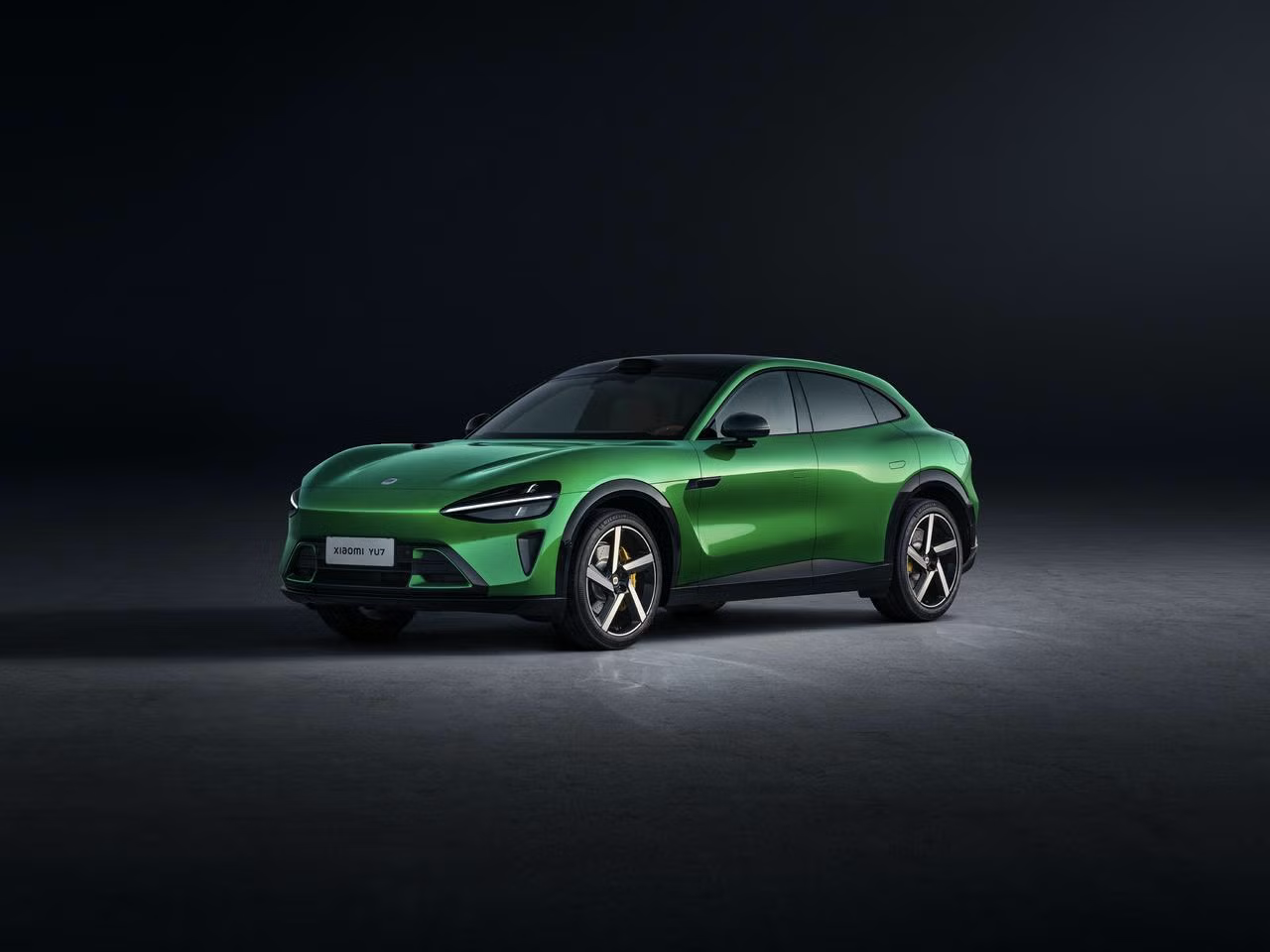
He recognised that modern vehicles were rapidly evolving into intelligent digital platforms. Software, connectivity and user experience were becoming just as important as engines, drivetrains and mechanical engineering. From his perspective, the car of the future would increasingly resemble a sophisticated computing device on wheels, seamlessly integrated into a broader digital ecosystem.
This vision allowed Xiaomi to approach automotive development from a unique angle. Rather than simply building another electric vehicle, Lei sought to create an extension of the connected lifestyle that Xiaomi users already embraced. The vehicle became part of a larger technological environment where smartphones, home devices, cloud services and mobility systems worked together in harmony.
The results exceeded many expectations. Xiaomi’s entry into the electric vehicle market generated extraordinary consumer interest and investor confidence. Demand for its vehicles demonstrated that the company’s brand strength extended well beyond consumer electronics. More importantly, it validated Lei’s belief that technology companies could play a central role in the future of transportation.
Industry analysts were particularly impressed by the speed of Xiaomi’s progress. Traditional automotive development cycles often require many years to bring competitive vehicles to market. Xiaomi moved with a pace more commonly associated with the technology sector, leveraging expertise in software development, supply chain management and product integration. This agility enabled the company to establish itself as a credible competitor far more rapidly than many observers anticipated.
At the heart of Lei’s strategy is the concept of ecosystem integration. While many manufacturers focus primarily on vehicle performance and design, Xiaomi emphasises the broader user experience. Drivers increasingly expect seamless transitions between their digital and physical environments. Smartphones, navigation systems, entertainment platforms and connected devices are becoming integral components of modern mobility. Lei recognised this shift early and positioned Xiaomi to capitalise on it.
This approach reflects a broader transformation occurring across the automotive sector. Vehicles are no longer judged solely by horsepower, efficiency or handling characteristics. Consumers increasingly evaluate software interfaces, connectivity features, artificial intelligence capabilities and digital convenience. In many respects, the cockpit has become the new battleground for innovation. Xiaomi’s expertise in consumer technology provides a natural advantage in this environment.
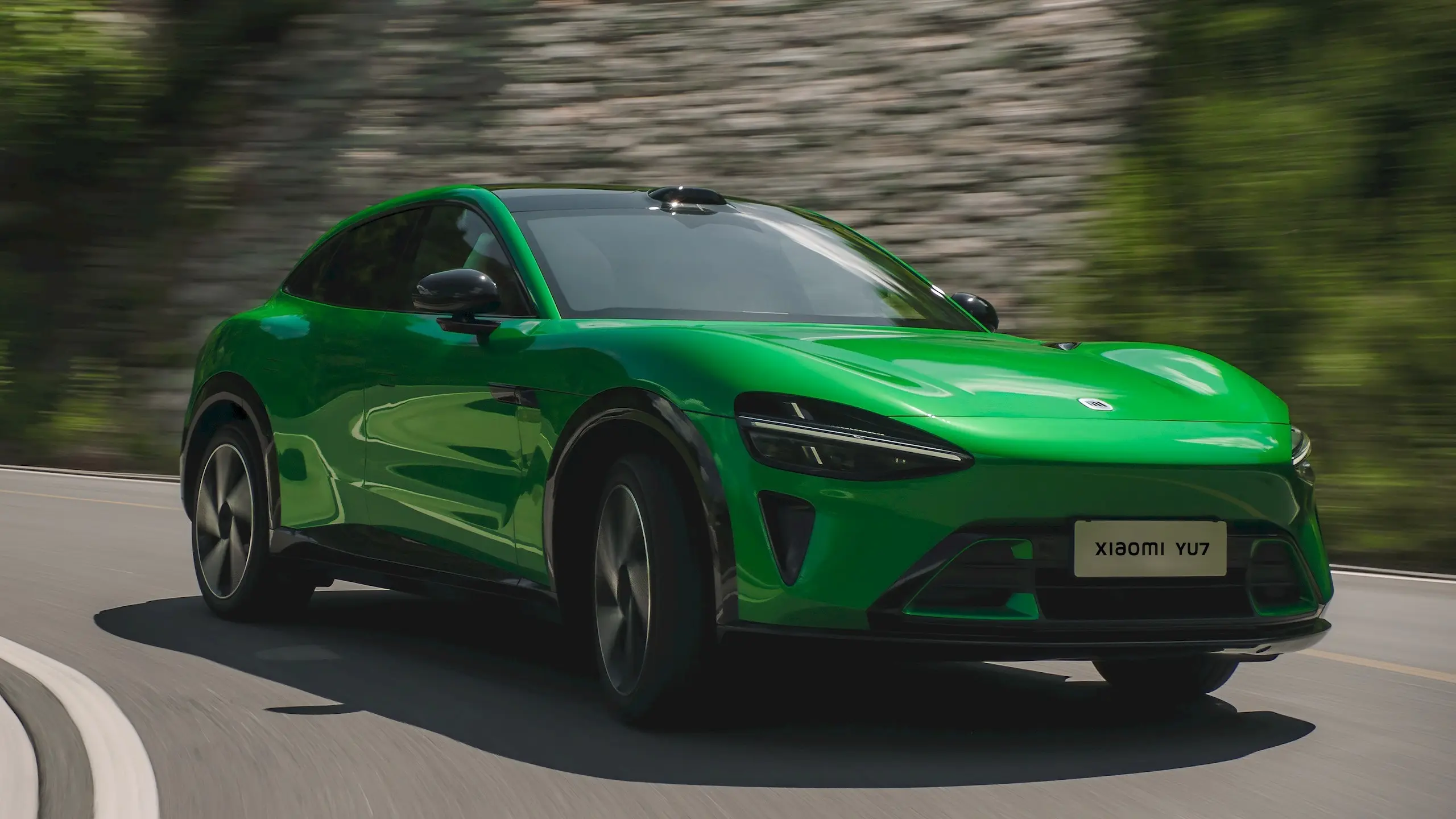
Lei’s leadership style has also contributed significantly to the company’s success. Unlike executives who focus exclusively on short term financial performance, he consistently emphasises long term value creation and technological innovation. His decisions often reflect a willingness to invest heavily in future opportunities, even when immediate returns are uncertain. This perspective helped Xiaomi evolve from a smartphone manufacturer into a diversified technology ecosystem and now into a significant participant in the mobility revolution.
Beyond commercial success, Lei’s achievements represent a broader shift in global industry dynamics. The boundaries that once separated technology companies from automotive manufacturers are rapidly disappearing. Software, artificial intelligence, cloud computing and connected services are becoming fundamental components of transportation. Lei has been among the first leaders to fully embrace this convergence, positioning Xiaomi at the intersection of multiple transformative trends.
His influence extends beyond China’s borders. Global manufacturers are closely observing Xiaomi’s progress as they seek to understand how technology ecosystems can enhance vehicle ownership experiences. The company’s success has demonstrated that consumer loyalty developed through digital products can translate into entirely new categories, creating opportunities for expansion that would have seemed improbable only a decade ago.
The significance of Lei Jun’s journey lies not merely in building successful products but in recognising where industries are heading before the rest of the market arrives. He understood the potential of affordable premium smartphones before many competitors. He anticipated the importance of interconnected consumer ecosystems before they became commonplace. Now he is helping define how technology and mobility will coexist in the decades ahead.
As transportation becomes increasingly intelligent, connected and software driven, leaders who understand both technology and consumer behaviour will play a decisive role in shaping the future. Lei Jun stands among the most influential of those figures. His transition from smartphone pioneer to automotive innovator has challenged traditional assumptions about industry boundaries and demonstrated the power of technological convergence.
The electric vehicle revolution is often discussed in terms of batteries, manufacturing and sustainability. Yet another transformation is taking place simultaneously. Cars are becoming digital platforms, connected ecosystems and intelligent companions. Few individuals have recognised this evolution more clearly than Lei Jun. Through vision, execution and relentless innovation, he has positioned Xiaomi at the forefront of a new era where technology and mobility are no longer separate worlds but parts of a single connected future.