Oliver Blume
The Industrial Strategist Steering Europe's Automotive Empire Through Transformation
By Nida Kanwal
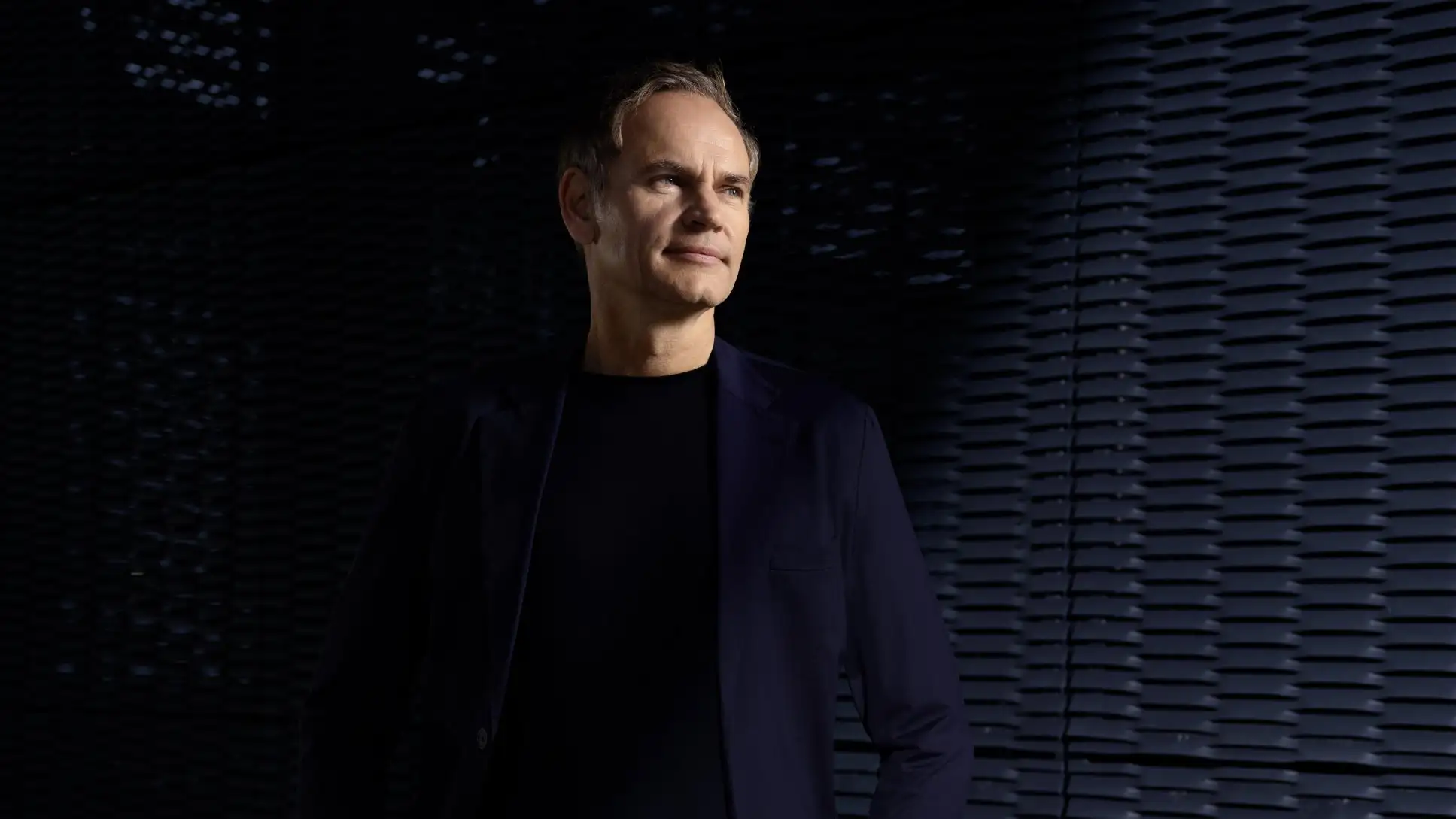
Few executives in the modern automotive industry carry responsibilities as vast and complex as those entrusted to Oliver Blume. As Chief Executive Officer of Volkswagen Group and Porsche AG, Blume stands at the helm of one of the largest industrial organisations in the world, overseeing a collection of iconic brands that have shaped automotive history for generations. His leadership extends across a corporate landscape that includes Volkswagen, Porsche, Audi, Lamborghini, Bentley, Skoda, SEAT and several other influential marques, each with its own heritage, identity and global customer base.
To lead a single automotive manufacturer through a period of unprecedented technological disruption would be a formidable challenge. To simultaneously guide an entire empire of brands through economic uncertainty, electrification, digital transformation and shifting global competition demands a rare combination of strategic vision, operational discipline and resilience. This is the reality that defines Oliver Blume’s tenure as one of the most influential figures in global mobility.
The modern automotive industry is experiencing a transformation unlike anything seen since the invention of the motor car itself. Electrification is reshaping product portfolios. Software is becoming as important as mechanical engineering. Consumer expectations are evolving rapidly. New competitors are emerging from technology sectors and international markets. At the same time, geopolitical tensions, supply chain disruptions and economic volatility continue to challenge manufacturers around the world.
For Blume, these pressures are magnified by the sheer scale of the organisation he leads. Volkswagen Group produces millions of vehicles annually and operates across virtually every major automotive segment, from affordable family cars to ultra luxury performance vehicles. The decisions made within its boardrooms influence global manufacturing trends, employment markets, technological development and investor confidence throughout the automotive sector.
What makes Blume particularly suited to this role is his deep understanding of automotive engineering and brand management. Unlike leaders who arrive from financial or consulting backgrounds, he built his career within the industry itself. His experience spans decades of involvement in vehicle development, production and corporate leadership. This technical foundation has given him a practical understanding of how automotive innovation is translated from concept into commercial reality.
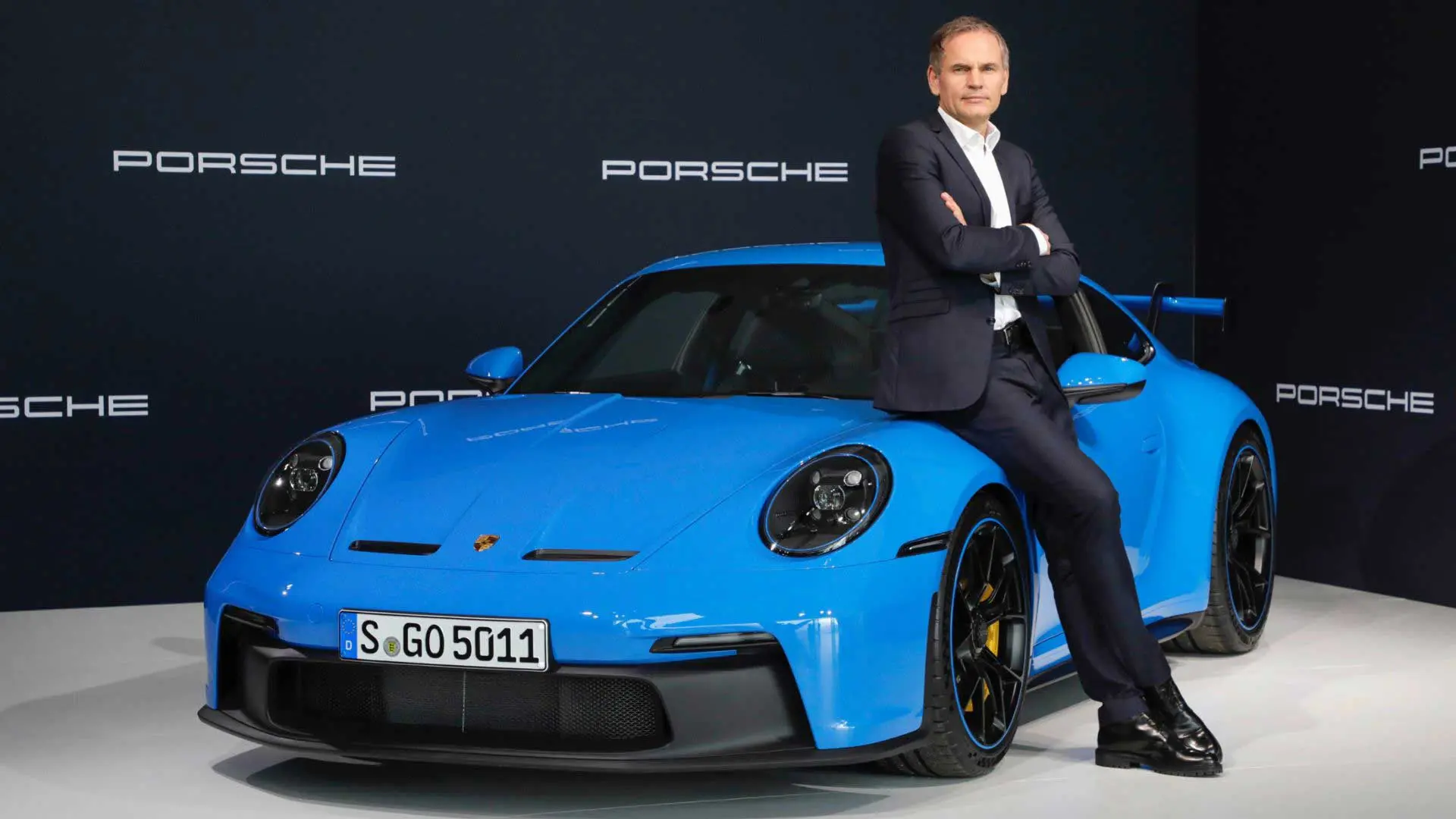
Before assuming leadership of Volkswagen Group, Blume earned widespread respect through his stewardship of Porsche.
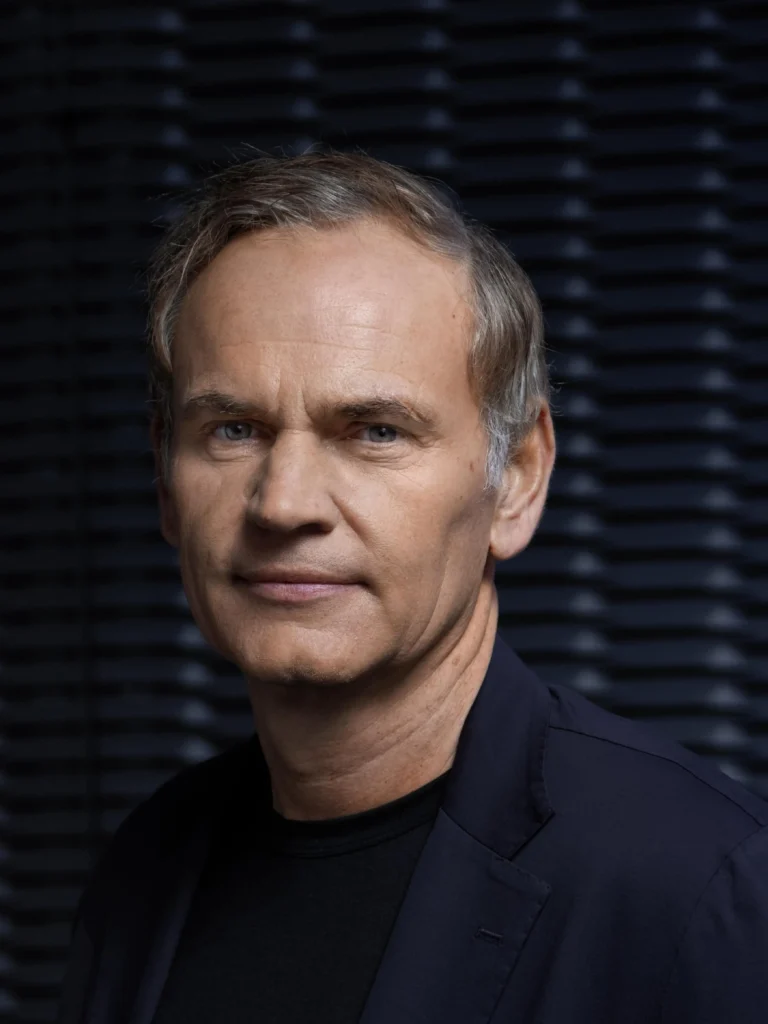
Under his guidance, Porsche strengthened its position as one of the most profitable and admired automotive brands in the world. He successfully balanced tradition and innovation, preserving the qualities that made Porsche legendary while embracing new technologies and market opportunities. This achievement demonstrated an ability to modernise without compromising identity, a skill that would become increasingly important at a group level.
His appointment to lead Volkswagen Group came at a pivotal moment. The company faced enormous challenges as it accelerated its transition towards electrification and digital mobility. The traditional strengths of automotive manufacturing were no longer sufficient on their own. Software development, artificial intelligence, connectivity and digital ecosystems were becoming central to competitiveness. The vehicle was evolving from a purely mechanical product into an intelligent technological platform.
Blume quickly recognised that the future of mobility would be defined as much by software as by horsepower or engineering precision. This understanding has shaped one of the most important priorities of his leadership. The development of software defined vehicles has become a central pillar of Volkswagen Group’s transformation strategy. These next generation vehicles rely on sophisticated operating systems, continuous software updates and integrated digital services that fundamentally change the ownership experience.
The challenge is immense. Transforming a company with decades of manufacturing heritage into a leader in software driven mobility requires cultural, organisational and technological change on a massive scale. It demands new skills, new partnerships and new ways of thinking about product development. Blume’s role is not merely to oversee this transition but to ensure it occurs without sacrificing the quality, reliability and brand values that customers expect.
At the same time, he must navigate increasingly difficult economic conditions across key markets. Europe continues to face industrial and regulatory pressures while competition intensifies from both established manufacturers and emerging players. In Asia, changing consumer preferences and rapidly advancing domestic competitors have altered the competitive landscape. These realities require careful strategic adjustments that balance profitability with long term investment.
One of Blume’s defining characteristics is his commitment to disciplined transformation rather than dramatic disruption. While many executives seek headlines through ambitious declarations, he has focused on execution and operational excellence. His approach reflects an understanding that meaningful industrial change requires sustained effort, rigorous planning and realistic expectations. Large organisations cannot be reinvented overnight, particularly when they employ hundreds of thousands of people and serve millions of customers globally.
This measured leadership style has helped maintain stability during a period of considerable uncertainty. Investors, employees and industry observers increasingly recognise the importance of balancing innovation with financial discipline. Under Blume’s guidance, Volkswagen Group continues investing heavily in future technologies while pursuing efficiencies that strengthen its long term competitiveness.
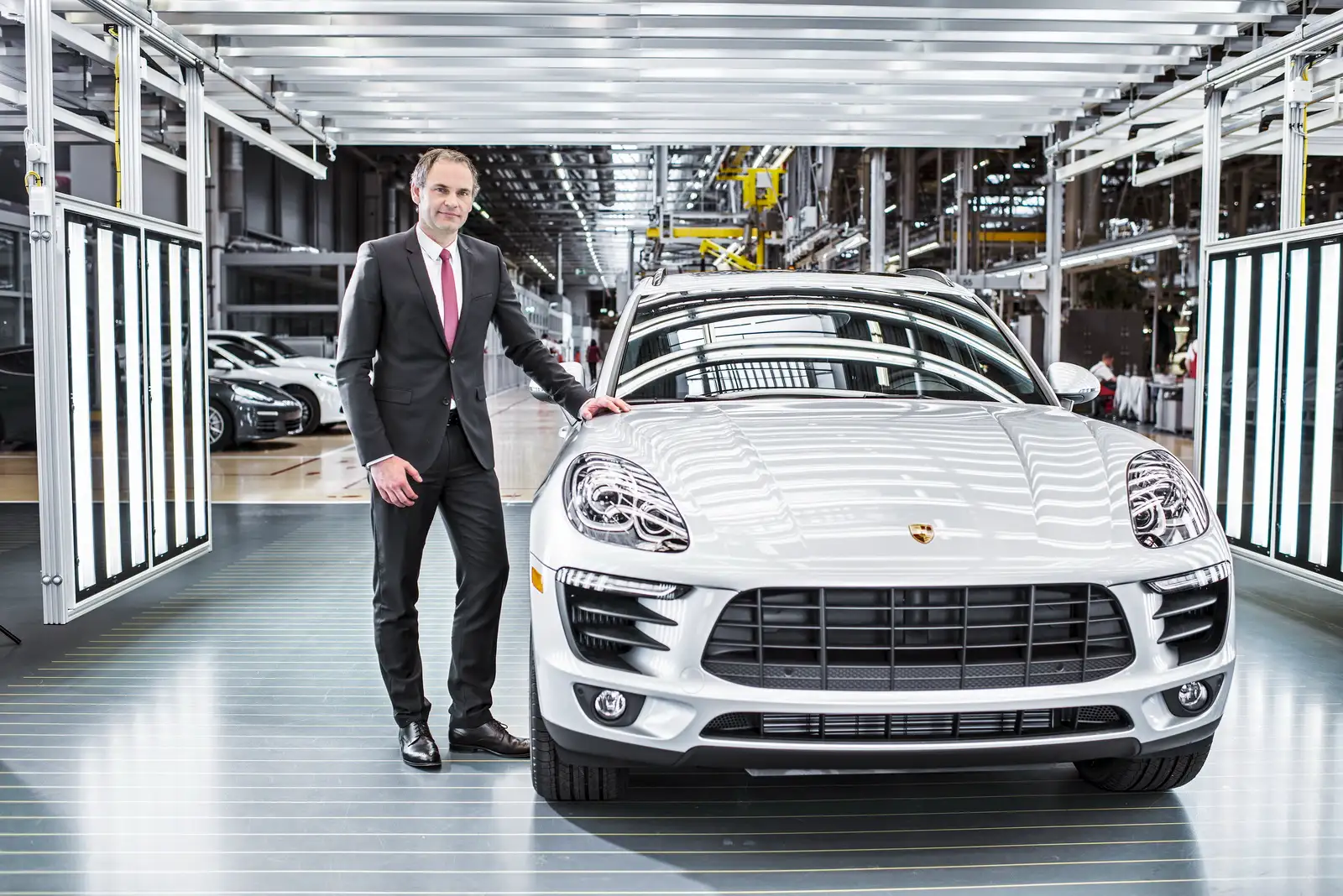
Another significant aspect of his leadership involves managing a diverse portfolio of brands with distinct identities and customer bases. Volkswagen appeals to mainstream consumers seeking practicality and value. Audi represents premium innovation and sophisticated design. Porsche embodies performance and exclusivity. Lamborghini delivers emotional excitement and engineering spectacle. Maintaining the individuality of these brands while creating efficiencies across the group requires exceptional strategic coordination.
Blume understands that the strength of Volkswagen Group lies not merely in its scale but in the diversity of its portfolio. Each brand contributes unique expertise, heritage and market positioning. His challenge is to create shared technological foundations without eroding the characteristics that make each marque distinctive. This balancing act is among the most complex tasks in the automotive industry and one that demands both strategic clarity and operational precision.
His influence extends beyond the boundaries of Volkswagen Group. As leader of Europe’s largest automotive organisation, Blume plays a significant role in shaping discussions about industrial policy, sustainability and the future of mobility. Decisions made under his leadership affect suppliers, technology partners, governments and competitors throughout the global automotive ecosystem.
The significance of his work becomes even clearer when viewed within a broader historical context. European automotive manufacturers are confronting one of the most competitive periods in their history. Rapid technological change and intensifying global competition are challenging traditional assumptions about market leadership. Success can no longer be guaranteed by heritage alone. Companies must continuously adapt to remain relevant.
Blume’s leadership reflects this reality. He recognises that preserving Europe’s automotive strength requires embracing innovation while leveraging the engineering excellence that has long defined the continent’s manufacturers. His strategy seeks to combine technological advancement with industrial capability, ensuring that Volkswagen Group remains a leading force in the decades ahead.
As the automotive sector continues its evolution, Oliver Blume stands at the centre of one of the industry’s most consequential transformations. He is guiding a vast industrial empire through an era where software, electrification and digital services are redefining the meaning of mobility. The challenges are immense, the expectations enormous and the stakes exceptionally high.
Yet throughout this period of change, Blume has remained focused on a singular objective. He is working to ensure that one of the world’s most influential automotive groups not only survives the transition to a new era but emerges stronger, more innovative and more competitive than ever before. In doing so, he is helping shape the future of European industry and the next chapter of global mobility itself.