Gail Boudreaux
The Iron Willed Matriarch Reforging the Vast Machinery of American Healthcare
By Michelle Clark
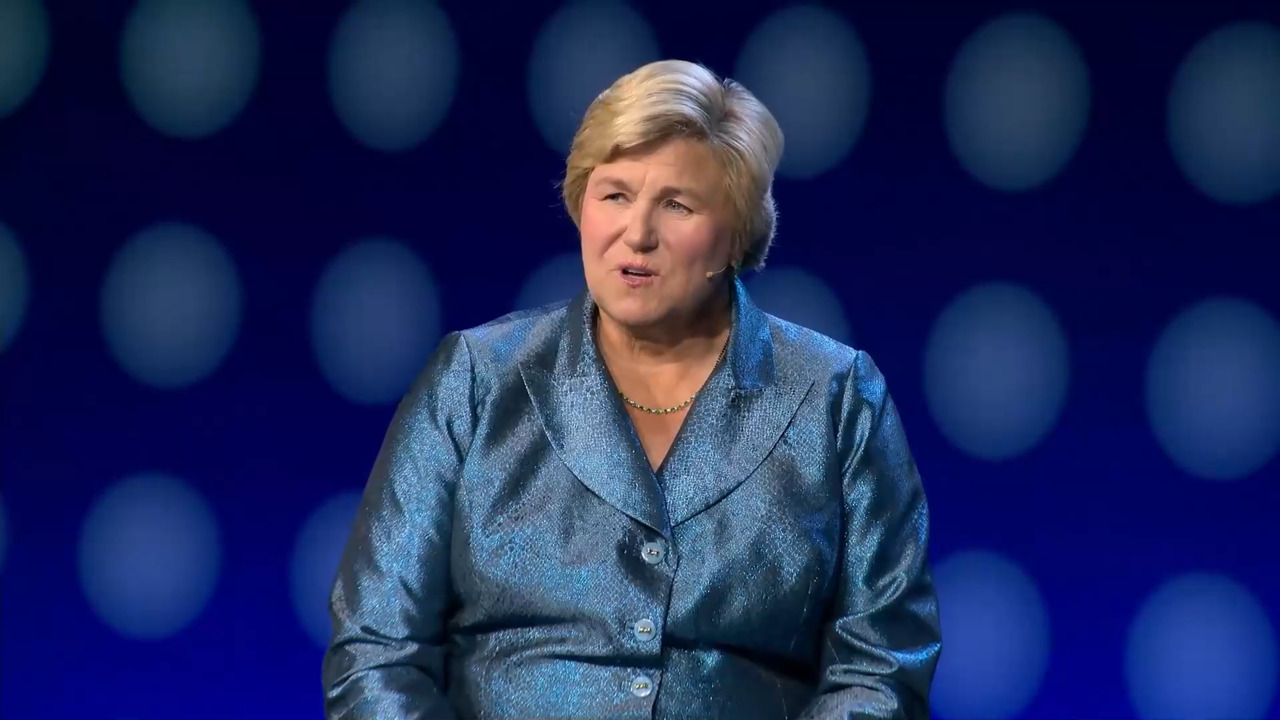
Tenebrous atmospheres often produce the most formidable leaders, particularly within industries where political scrutiny and human vulnerability collide with staggering commercial power. Few sectors embody that tension more fiercely than American healthcare, and within this immense and frequently contentious domain, Gail Boudreaux has emerged as one of the most commanding executives of her generation. Resolute, intellectually formidable and remarkably composed under pressure, Boudreaux transformed herself from a highly respected healthcare operator into a defining corporate force shaping the future of modern medical enterprise. Her leadership has not been built upon flamboyance or theatrical self promotion. Instead, it has rested upon strategic clarity, institutional discipline and a relentless capacity to navigate complexity with uncommon precision.
As chief executive of Elevance Health, formerly known as Anthem, Boudreaux inherited responsibility for one of the largest healthcare organisations in the United States. The scale of the enterprise alone would intimidate many executives. Millions of Americans depend upon its insurance networks, medical partnerships and healthcare programmes. Every policy adjustment, technological investment or pricing decision carries implications extending far beyond the boardroom. Within this volatile environment, Boudreaux cultivated a leadership style marked by calm authority and strategic endurance.
Born in Rhode Island and educated at Dartmouth College, where she also excelled as a collegiate athlete, Boudreaux displayed competitive intensity from an early age. Her background in sport arguably shaped the disciplined temperament that later distinguished her corporate career. Unlike executives seduced by impulsive expansion or public theatrics, she developed a reputation for rigorous preparation and measured judgement. Colleagues frequently described her as exceptionally focused, deeply analytical and remarkably resilient in moments of institutional strain.
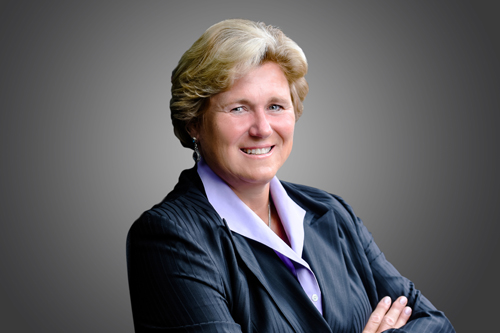
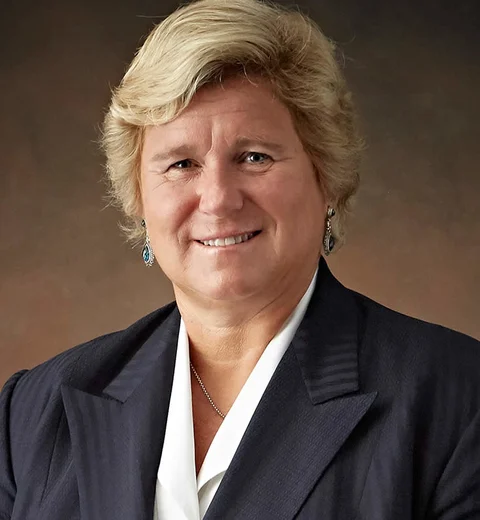
Before assuming leadership at Elevance Health, Boudreaux accumulated extensive experience across healthcare management, including senior positions at Blue Cross Blue Shield organisations and later at UnitedHealthcare. This breadth of exposure granted her a sophisticated understanding of both the operational and political dimensions of healthcare commerce.
She understood that American healthcare was not merely an industry but an intricate national ecosystem shaped by regulation, demographics, technology and public emotion. When Boudreaux became chief executive of Anthem in 2017, the organisation faced considerable turbulence. Regulatory disputes, failed mergers and intensifying political scrutiny had unsettled the broader healthcare insurance landscape.
Public distrust towards insurers remained deeply entrenched, fuelled by rising costs and growing frustration over access to care. Many leaders might have approached such circumstances defensively. Boudreaux instead pursued transformation with striking determination.
One of her most consequential decisions involved reshaping the identity and strategic direction of the company itself. The rebranding of Anthem into Elevance Health reflected far more than cosmetic corporate adjustment. It represented a declaration of broader ambition. Boudreaux recognised that healthcare companies could no longer survive merely as transactional insurers processing claims and managing networks. The future, in her view, belonged to integrated healthcare enterprises capable of addressing physical health, behavioural wellbeing, digital care and preventative medicine within a unified framework.
Under her leadership, Elevance expanded aggressively into healthcare services, digital platforms and community based initiatives. The company increasingly emphasised personalised care models and data driven healthcare management. Boudreaux repeatedly argued that modern medicine required deeper coordination and greater focus upon long term wellness rather than episodic treatment alone. Such language aligned with broader trends transforming global healthcare systems, where predictive analytics and integrated care strategies were rapidly gaining prominence.
Yet Boudreaux’s leadership also revealed an unmistakable toughness beneath its measured professionalism. American healthcare remains one of the most unforgiving corporate battlegrounds in existence. Insurers confront relentless pressure from regulators, employers, investors and the public simultaneously. Success requires not only strategic intelligence but considerable emotional resilience. Boudreaux demonstrated repeatedly that she possessed both attributes in abundance.
Her communication style differed notably from the bombastic tendencies common among certain modern executives. She projected confidence without arrogance and authority without theatricality. There was an almost judicial precision to her public appearances, each statement carefully calibrated, each message rooted in institutional stability rather than personal spectacle. This restraint became particularly valuable during periods of crisis and uncertainty.
The coronavirus pandemic represented perhaps the greatest challenge of her tenure. Healthcare systems across the world were convulsed by unprecedented operational strain, political division and public fear. Insurers faced immense pressure concerning treatment access, telehealth expansion and economic instability. Boudreaux responded with steady composure, accelerating investment in virtual healthcare services while emphasising continuity of care and support for vulnerable populations. During a moment when public anxiety threatened to overwhelm institutional confidence, her disciplined leadership offered a sense of steadiness.
Observers within the healthcare industry often note Boudreaux’s unusual ability to balance operational detail with broader strategic vision. Many executives excel at one while neglecting the other. She demonstrated capacity for both. Under her stewardship, Elevance strengthened its financial position while simultaneously repositioning itself as a broader health solutions enterprise rather than a conventional insurance company alone.
This transformation was not without controversy. Critics of the healthcare insurance industry frequently accuse large corporations of prioritising shareholder returns over patient welfare. Elevance, like its competitors, has faced scrutiny concerning claim approvals, healthcare affordability and administrative complexity. Boudreaux therefore occupies a paradoxical role familiar to many healthcare leaders. She must embody compassion publicly while overseeing an institution fundamentally accountable to commercial imperatives.
Her handling of this contradiction has generally reflected disciplined pragmatism. Boudreaux rarely engages in ideological confrontation. Instead, she speaks in terms of access, coordination, prevention and outcomes. Some view this approach as evidence of genuine commitment to healthcare improvement. Others regard it as polished corporate language designed to soften criticism of a deeply unequal system. Yet even sceptics often acknowledge her managerial competence and strategic sophistication.
What distinguishes Boudreaux particularly is the scale of her influence within an industry historically dominated by male leadership. Her ascent represented more than personal achievement. It symbolised a gradual but significant transformation within corporate healthcare itself. She became one of the most powerful women in American business, commanding immense institutional authority while maintaining a leadership style rooted in discipline rather than performative aggression.
There is also a notably human dimension to her public philosophy. Boudreaux consistently emphasised the importance of community health, mental wellbeing and social determinants affecting medical outcomes. She argued that healthcare cannot be reduced solely to clinical transactions or insurance calculations. Economic insecurity, education, nutrition and social environment all shape human health profoundly. Under her direction, Elevance increasingly pursued initiatives reflecting this broader conception of care.
Such thinking reflects an important evolution within healthcare leadership. Executives are no longer merely administrators of insurance systems. They are becoming architects of interconnected health ecosystems spanning technology, behavioural science, pharmaceuticals and community engagement. Boudreaux has positioned Elevance squarely within that transformation.
Financial markets responded positively to much of her strategy. Investors generally viewed Elevance as disciplined, adaptive and operationally resilient under her leadership. This stability proved especially valuable during periods of political uncertainty when healthcare companies often experience severe market volatility. Boudreaux cultivated confidence not through extravagant promises but through consistent execution and long term positioning.
In many respects, her leadership embodies a distinctly modern form of corporate authority. She combines analytical precision with institutional patience, competitive intensity with carefully controlled public messaging. Unlike certain executives who seek personal mythmaking, Boudreaux appears fundamentally oriented towards organisational durability and strategic continuity.
As debates surrounding healthcare affordability, technology and access continue to intensify across the United States, her influence will remain deeply consequential. Admirers will portray her as a transformative executive who modernised Elevance Health and expanded its role within preventative and integrated care. Critics will continue to question the immense concentration of corporate power within American healthcare. Both interpretations illuminate aspects of a deeply complex legacy.
What remains beyond dispute is Gail Boudreaux’s significance within contemporary business leadership. She helped reshape one of the largest healthcare organisations in the United States during a period of extraordinary upheaval and transformation. Through strategic resolve, operational discipline and a commanding yet measured presence, she forged Elevance Health into a far broader and more influential healthcare enterprise.
Beneath her composed exterior resides a leader of immense determination, one capable of navigating the brutal intricacies of modern healthcare capitalism without surrendering to panic or spectacle. Gail Boudreaux stands not merely as a corporate executive but as a defining architect of the evolving American healthcare landscape, a figure whose influence extends far beyond balance sheets into the deeper structure of how healthcare itself is imagined and delivered.