Oliver Bäte
The Austere Helmsman Steering Europe's Financial Citadel Through an Age of Uncertainty
By Paul Smith
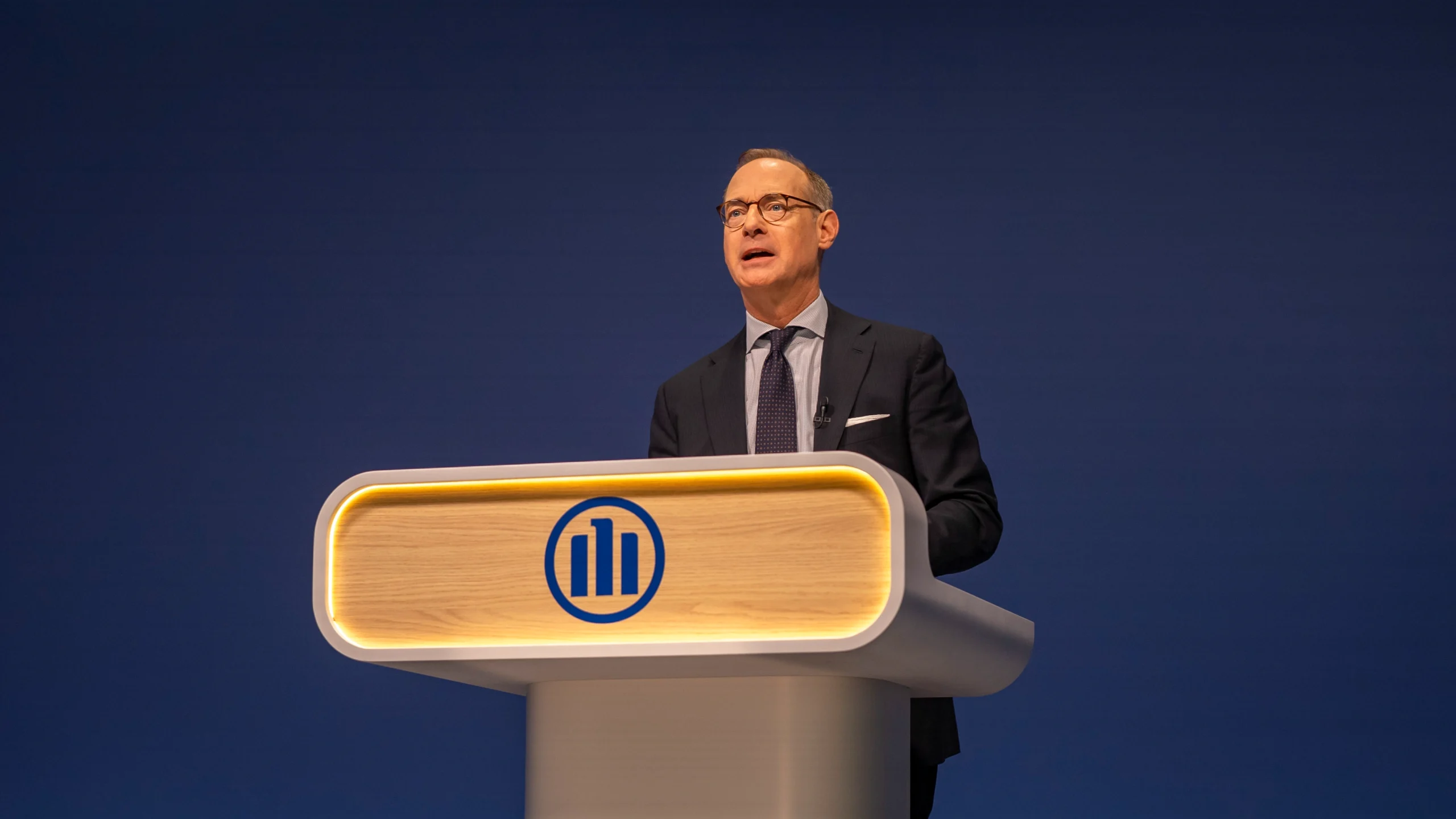
Sepulchral anxieties have become the defining atmosphere of modern finance, where economic instability, geopolitical tension and technological upheaval now converge with unnerving regularity. Within this unforgiving climate, few executives have exercised authority with the same composed determination as Oliver Bäte. Methodical yet formidable, understated yet strategically relentless, Bäte has fashioned himself into one of the most influential figures in global insurance and asset management. His leadership at Allianz SE reflects not merely executive competence but a broader vision concerning resilience, institutional endurance and the evolving architecture of international finance itself.
Unlike the flamboyant personalities who often dominate public discourse surrounding modern business, Bäte cultivated influence through discipline rather than spectacle. There is an unmistakably Germanic precision to both his communication and strategic philosophy, one rooted in efficiency, structural order and calculated foresight. In an era where many executives chase visibility through provocation or theatrical optimism, Bäte instead projects the demeanour of a steward guarding an immense financial fortress against gathering storms.
Born in Germany and educated at the University of Cologne before later refining his business expertise at New York University, Bäte developed a worldview shaped equally by European pragmatism and international corporate ambition. Early in his career, he established a reputation for analytical intensity and operational rigour, qualities that later became central to his stewardship of Allianz. Before ascending to the highest office within the organisation, he held a succession of senior positions that exposed him to the intricate mechanics of global insurance, investment management and financial risk.
When Bäte became chief executive of Allianz in 2015, the international financial landscape was already undergoing profound transformation. Low interest rates, demographic pressures and intensifying regulatory scrutiny had begun reshaping the economics of insurance across Europe and beyond. Traditional financial models faced mounting strain, while technological disruption threatened long established institutional assumptions. Many legacy corporations struggled to adapt with sufficient speed or clarity. Bäte, however, recognised early that survival would require far more than cautious preservation of existing structures.
Under his leadership, Allianz embarked upon a significant process of strategic modernisation. Bäte understood that insurance companies could no longer function merely as bureaucratic repositories of risk. They needed to evolve into technologically agile financial ecosystems capable of responding rapidly to changing consumer behaviour and increasingly volatile global conditions. Digital transformation therefore became one of the defining themes of his tenure.
Yet Bäte’s approach to modernisation was notably disciplined. Unlike certain executives intoxicated by fashionable technological rhetoric, he consistently framed innovation as a tool of operational improvement rather than ideological salvation.

Artificial intelligence, automation and digital infrastructure were pursued not for spectacle but for institutional efficiency and long term resilience. This measured pragmatism distinguished Allianz from competitors occasionally seduced by superficial narratives surrounding disruption.
At the same time, Bäte demonstrated considerable strategic toughness in confronting structural challenges facing European finance. Persistently low interest rates across much of Europe created immense pressure upon insurers dependent upon stable investment returns. Such conditions threatened profitability across the industry. Bäte responded through rigorous cost management, portfolio diversification and expansion into higher growth international markets. His leadership reflected a sober recognition that financial complacency had become impossible within the new economic order.
Observers frequently note the unusually composed nature of his public persona. Bäte seldom indulges in emotional grandstanding or exaggerated promises. His communication style remains restrained, deliberate and deeply managerial. This composure has proven particularly valuable during periods of turbulence when investors and policymakers alike seek reassurance through visible steadiness rather than theatrical confidence.
The coronavirus pandemic offered perhaps the clearest demonstration of his leadership temperament. As economies convulsed under unprecedented disruption, insurers confronted extraordinary uncertainty concerning claims exposure, market volatility and broader economic contraction. Bäte responded with calm institutional discipline, emphasising financial stability and long term preparedness. While many corporate leaders appeared overwhelmed by the scale of global instability, he projected continuity and strategic focus.
There is also a distinctly philosophical dimension to Bäte’s understanding of risk. Insurance at its core concerns the management of uncertainty, and few modern executives appear as intellectually engaged with that reality as he does. Under his leadership, Allianz increasingly addressed broader societal risks extending beyond conventional finance, including climate change, cyber threats and geopolitical fragmentation. Bäte repeatedly argued that corporations must think more expansively about resilience within an increasingly unpredictable world.
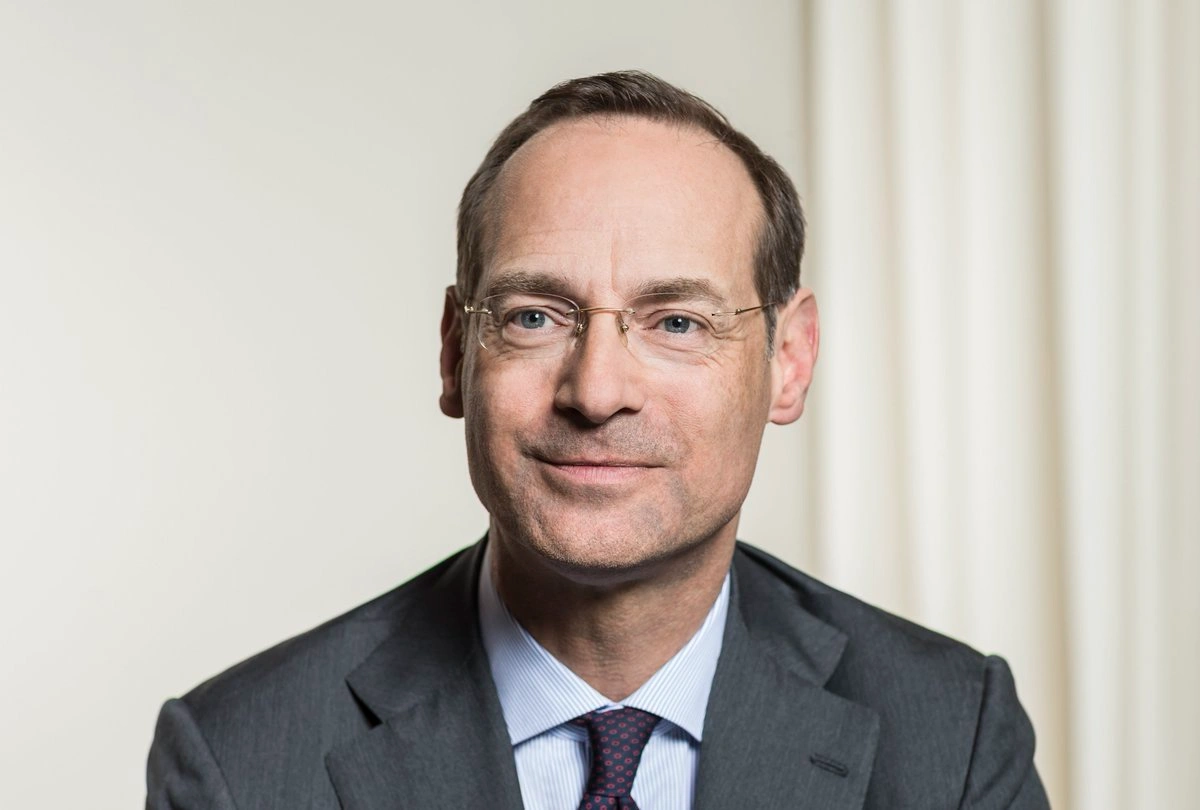
Climate policy in particular became an area where his influence extended beyond narrow corporate boundaries. Allianz under Bäte intensified scrutiny of investments linked to coal and unsustainable energy practices while expanding focus upon environmental risk assessment. Such decisions reflected both commercial calculation and strategic foresight. Bäte recognised that climate instability represents not merely an environmental issue but a profound financial challenge capable of reshaping insurance markets, infrastructure and global investment flows for decades.
Critics occasionally accused Allianz of moving too cautiously or balancing environmental commitments against commercial interests too conservatively. Yet Bäte’s broader approach remained rooted in institutional realism rather than ideological absolutism. He consistently sought to position Allianz as adaptive without sacrificing financial discipline or operational stability.
Beyond insurance itself, Allianz occupies a commanding position within global asset management through subsidiaries such as PIMCO. This immense financial reach grants Bäte influence extending far beyond conventional insurance markets into the broader architecture of international capital allocation. Decisions made under his stewardship affect pension systems, sovereign investments and financial institutions across continents.
Managing such scale inevitably invites scrutiny. Allianz has faced legal and regulatory challenges during Bäte’s tenure, particularly concerning investment management controversies within certain funds. Such episodes tested both corporate credibility and executive resilience. Bäte responded characteristically through measured public communication and institutional damage control rather than dramatic defensiveness. His handling of crises revealed a leader intensely focused upon preserving organisational continuity and investor confidence.
There is a certain old world solidity to his leadership philosophy. In contrast to the hyper personalised culture surrounding many contemporary executives, Bäte appears fundamentally oriented towards the preservation and strengthening of institutions themselves. He projects neither revolutionary fervour nor populist charisma. Instead, he embodies the disciplined conservatism traditionally associated with Europe’s great financial establishments.
Yet beneath this restraint lies considerable strategic ambition. Allianz under his command did not retreat into defensive caution. It pursued technological advancement, expanded global capabilities and strengthened its position as one of the most influential financial institutions in the world. Bäte understood that institutional endurance requires continuous adaptation rather than passive preservation.
His influence also reflects broader changes occurring within corporate leadership across Europe. Increasingly, executives are expected not merely to generate profit but to address social trust, environmental responsibility and geopolitical uncertainty simultaneously. Bäte navigated these expectations with notable caution and pragmatism. He rarely embraced fashionable rhetoric uncritically, preferring instead to anchor corporate strategy within measurable long term objectives.
Financial markets generally responded favourably to this approach. Investors often value predictability and disciplined governance, particularly during periods of heightened volatility. Under Bäte’s stewardship, Allianz maintained a reputation for operational resilience and strategic seriousness even amid substantial global disruption.
Oliver Bäte may never cultivate the celebrity profile associated with technology entrepreneurs or media driven corporate icons. Yet his influence within international finance has been profound and enduring. He represents a model of leadership increasingly rare in the contemporary corporate world, one grounded less in personal mythology and more in institutional stewardship.
As financial systems confront mounting pressures from technological disruption, geopolitical instability and climate related risk, Bäte’s legacy will remain closely intertwined with Allianz’s ability to adapt without forfeiting stability. Admirers will regard him as a disciplined moderniser who strengthened one of Europe’s most important financial institutions during an era of profound uncertainty. Critics will continue debating whether global finance can truly reconcile commercial imperatives with broader societal responsibility. Both perspectives illuminate the immense complexity of his role.
What remains undeniable is the scale of his authority and influence. Oliver Bäte has helped shape the trajectory of modern insurance and asset management through strategic restraint, operational discipline and unwavering institutional focus. Beneath his composed exterior resides a leader acutely aware that in finance, survival belongs not to the loudest voice but to the most resilient structure.