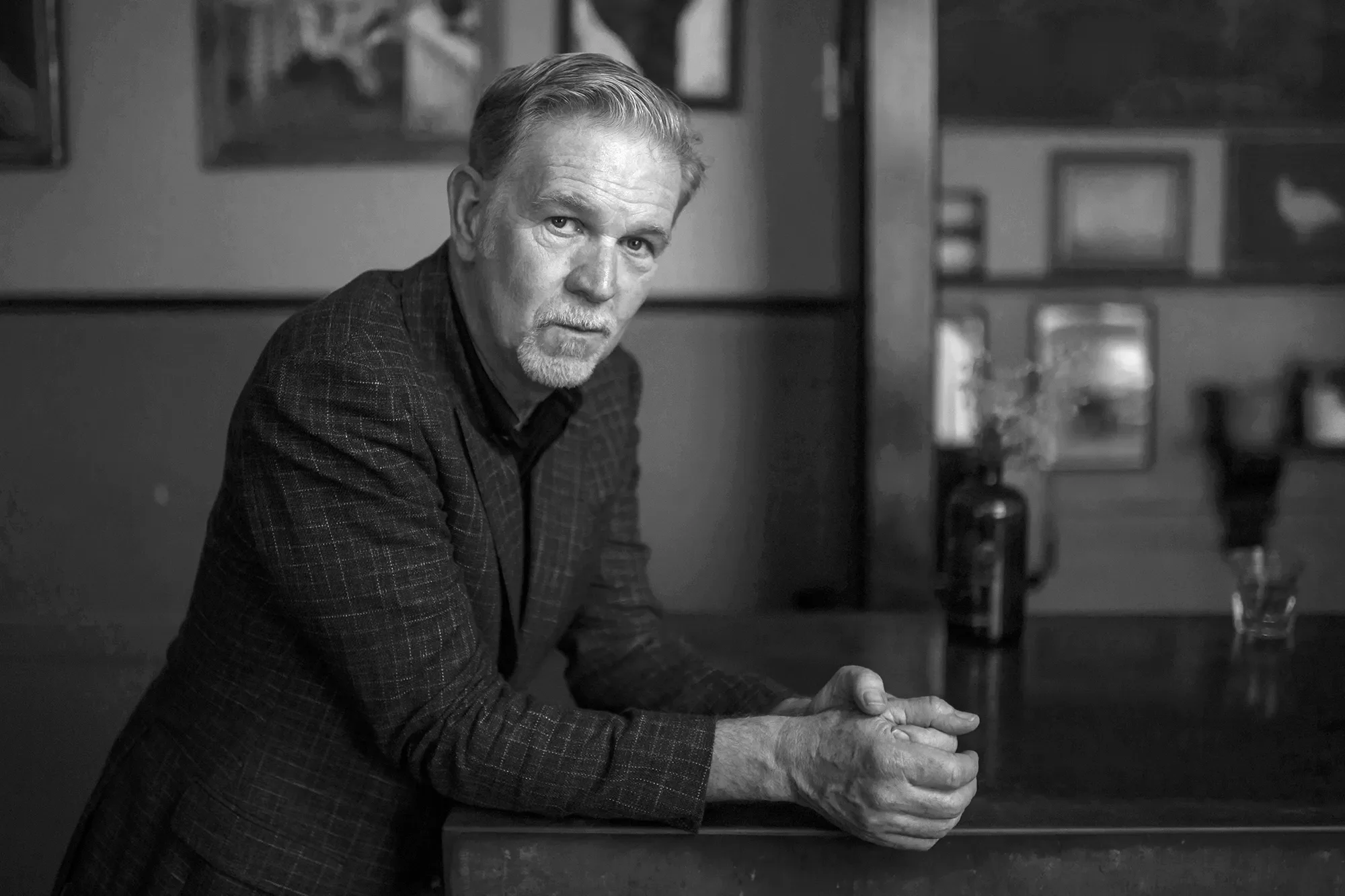
Reed Hastings
The Algorithm of Radical Candor
How a math-minded disruptor dismantled the gatekeepers of Hollywood to build a laboratory of freedom and a culture of relentless reinvention
By Nida kanwal
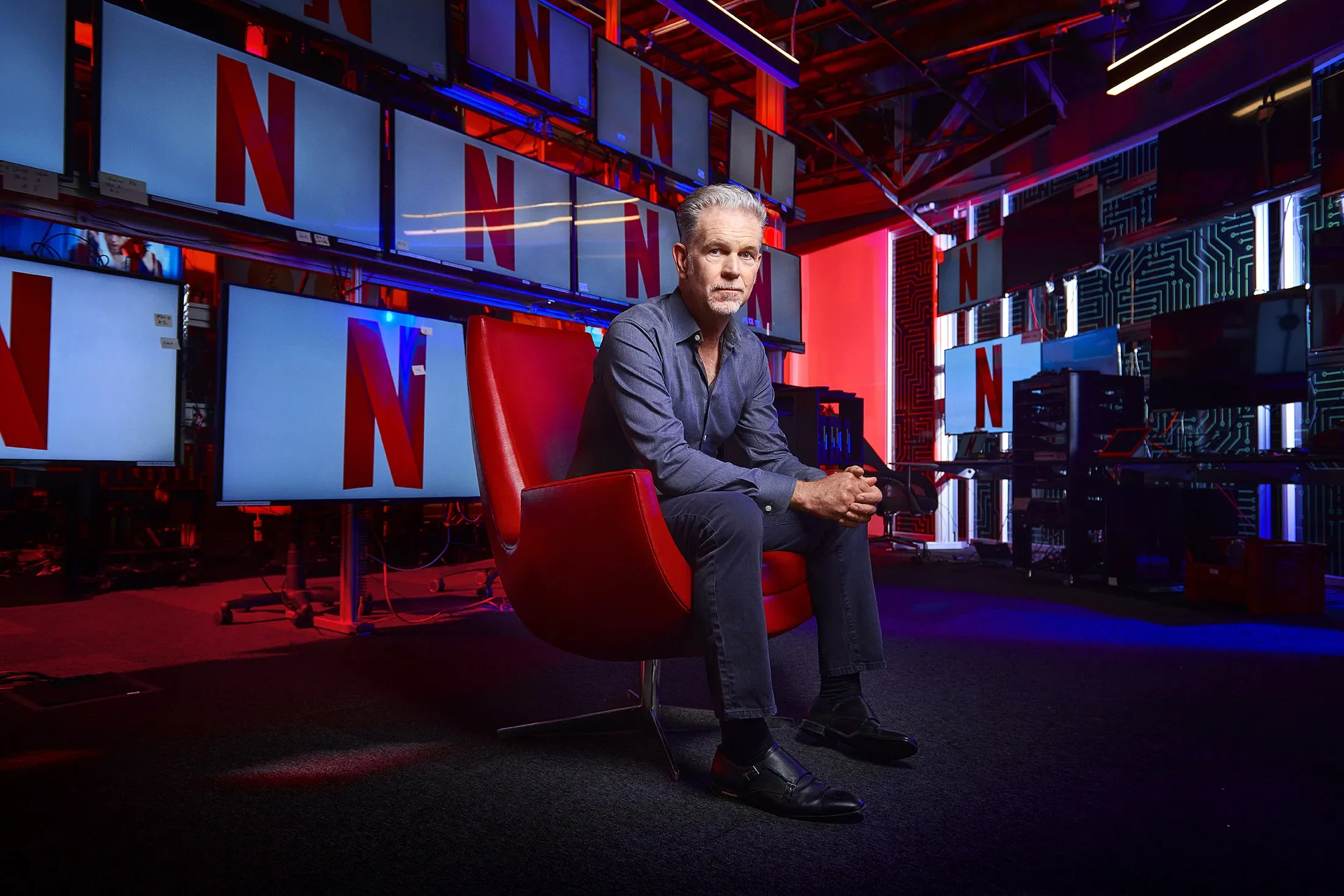
There is a clean, unsentimental precision to Reed Hastings, a quality that suggests a man who views the chaos of the human experience as a set of variables waiting to be solved. To understand him is to move past the legend of the forty-dollar late fee and instead look at the way he navigates a room—not as a commander issuing edicts, but as a scientist observing a reaction. In a landscape often dominated by CEOs who crave the spotlight, Hastings is the rare architect who takes pride in being the most invisible person in the building. He has spent decades refining a philosophy that sounds like a paradox to the traditional corporate ear: the idea that the best way to lead a global empire is to make as few decisions as possible. He has turned Netflix into a high-performance machine by treating every employee like a fully realized adult, replacing the thick rulebooks of the past with a single, sharp directive to act in the company’s best interest.
His journey is a map of restless intellectual migration, from the door-to-door sales of vacuum cleaners to the rigorous service of a Peace Corps math teacher in Swaziland. These early chapters stripped away the pretension that often plagues the ivory towers of tech. In the rural classrooms of Africa, Hastings learned that resourcefulness is the only true currency and that the most effective systems are those that empower the individual on the ground.
When he returned to found Pure Software and later Netflix, he brought with him a fundamental distrust of bureaucracy. He saw rules not as a safety net, but as a spiderweb that traps the most talented people. He famously realized that if you hire what he calls stunning colleagues, individuals who are self-disciplined and hyper-motivated, you can trade control for context. You don’t tell a brilliant person what to do; you tell them where the North Star is and let them build the vessel to get there.
As we traverse the landscape of 2026, Hastings has transitioned into a new phase of his long-term strategy, serving as the executive chairman while the company he built enters its most ambitious era yet. While the world watches Netflix absorb massive legacies like Warner Bros to solidify its dominance, Hastings remains focused on the underlying scaffolding of the future. He has become the industry’s primary advocate for what he calls the cognitive laboratory, a vision where artificial intelligence doesn’t just suggest what you should watch, but helps creators bridge the gap between a raw idea and a finished masterpiece. He recently endowed a massive initiative at his alma mater, Bowdoin College, dedicated to the intersection of AI and humanity.
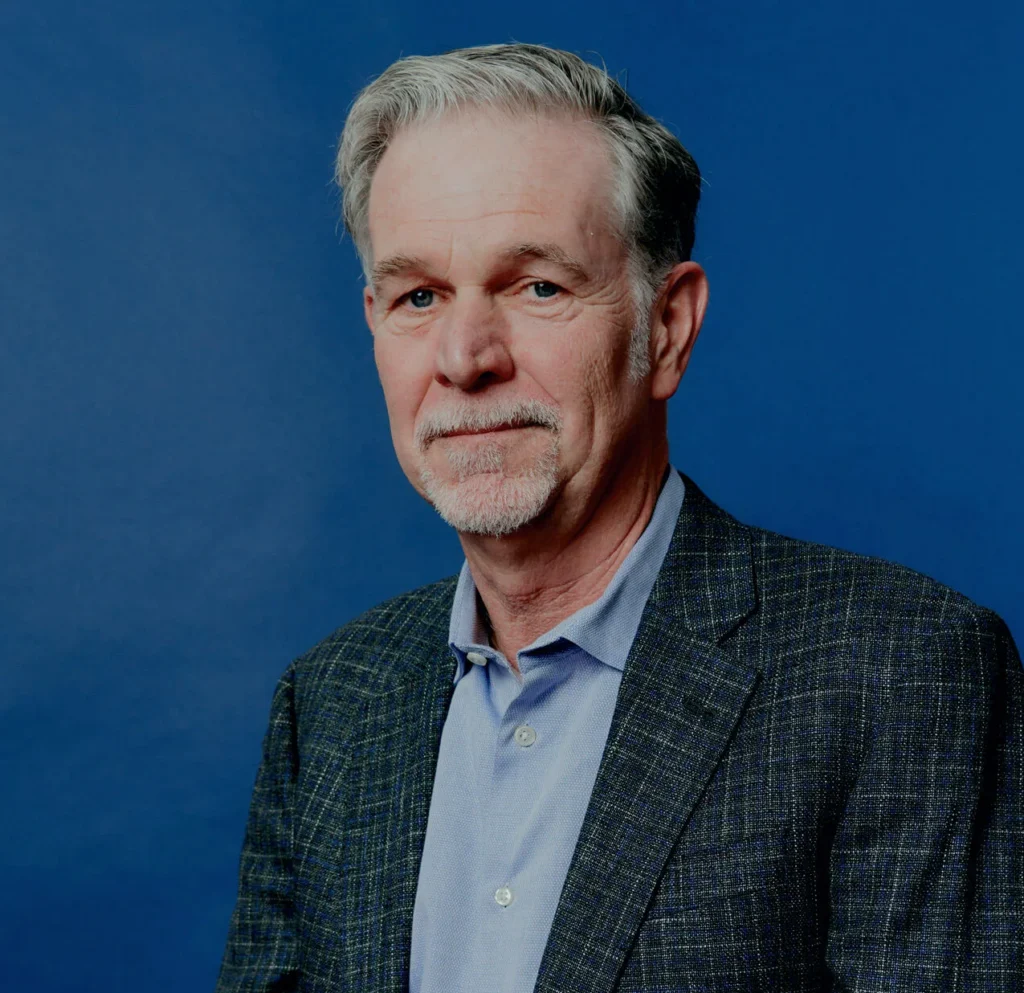

This is the math teacher’s mind at work: he isn’t interested in the hype of the machine, but in the ethics of the thinking machine and how it can be used to amplify the human voice rather than drown it out. There is a rhythmic, almost meditative quality to his personal habits that anchors his high-stakes professional life. He is known to retreat into the silence of long hiking sessions, believing that the best strategy is often found in the steady pace of a trail rather than the flicker of a screen.
This “low-noise” lifestyle is reflected in the famous Netflix Culture Memo, a document that has become the constitution for modern Silicon Valley. In it, Hastings codified a world where “farming for dissent” is a requirement and where being a “brilliant jerk” is a fireable offense. He built a culture of radical transparency where it is considered disloyal to withhold a difficult truth. He proved that you can build a massive, profitable entity without the jagged edges of secrecy or the toxic weight of ego.
Even as he steps back from the day-to-day operations to focus on global education reform and climate initiatives, his imprint on the entertainment world remains indelible. He didn’t just change how we watch television; he changed how we think about the relationship between a worker and their work. He dismantled the concept of the corporate family, replacing it with the idea of a pro sports team, a group of elite performers who are there to win together, but who understand that high standards are the only guarantee of a spot on the roster.
This honesty is his greatest legacy. In an era of polished PR and vague corporate values, Hastings remained the man who whispered his wins and shouted his mistakes, inviting the world to learn from the rubble of his failures as much as the height of his successes. Looking toward the horizon of late 2026, Hastings appears less like a tech mogul and more like a societal engineer.
He is spending his capital, both intellectual and financial, on the belief that the next great breakthrough won’t come from a boardroom, but from a classroom. Whether he is funding charter school laboratories or advocating for carbon-neutral streaming, he is still solving for the same variable: how to create a system that allows the maximum amount of human potential to flourish with the minimum amount of interference. He remains the quiet disruptor, the man who realized that the most powerful algorithm ever designed is the one that trusts a human being to be extraordinary.