Pony Ma
Designing the Architecture of the All-in-One Service Economy
By Michelle Clark
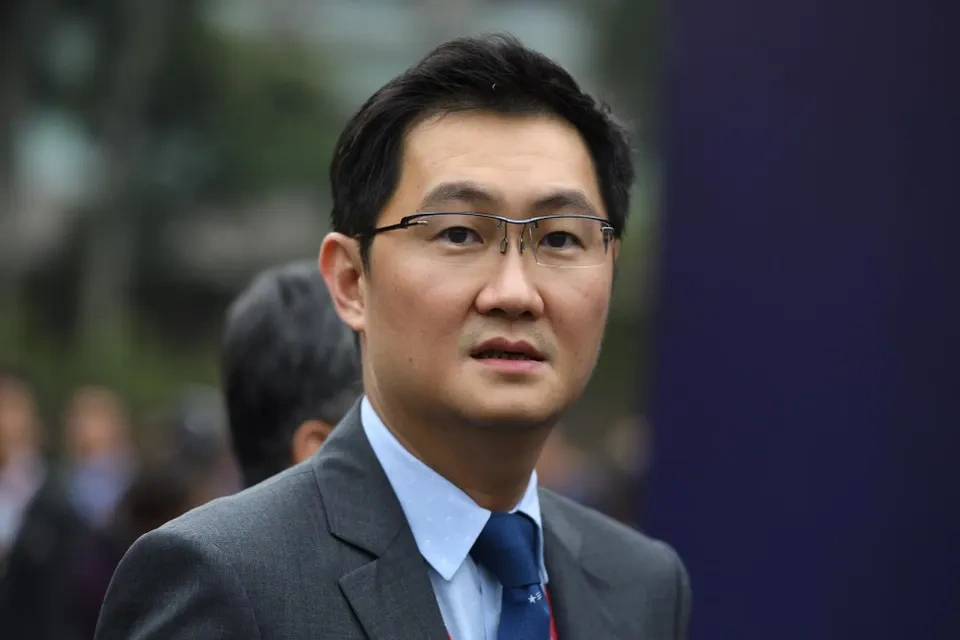
In the architecture of the modern digital world, few executives exert influence as quietly yet pervasively as Huateng “Pony” Ma. As co founder and Chief Executive Officer of Tencent, he remains a central figure in conversations about platform power, digital ecosystems and the future of integrated services. In 2026, search interest around his leadership has intensified once again, driven by the evolution of WeChat into what analysts increasingly describe as a Sovereign OS, an all encompassing environment integrating local language artificial intelligence for global markets.
Ma’s enduring relevance stems from a strategic philosophy that predates the current fascination with super apps. From its earliest iterations, WeChat was conceived not merely as a messaging tool but as a digital habitat. Over time, payments, social networking, entertainment, commerce and government services coalesced within a single interface. The result was an ecosystem that blurred the distinction between application and infrastructure.
The concept of the All in One Service economy captures this synthesis. Rather than navigating disparate platforms for communication, banking, transport and retail, users operate within a unified environment. For businesses, the advantages are equally profound. Customer acquisition, transaction processing and engagement analytics occur within a consolidated digital framework. Ma’s leadership has consistently prioritised this integration, reinforcing network effects that deepen user dependency.
The 2026 transformation of WeChat into a Sovereign OS represents a further step in this trajectory. Observers employ the term to signal that the platform now functions less like an application layered upon an operating system and more like a parallel digital operating environment in its own right. Through embedded artificial intelligence, contextual search, mini programmes and cloud connectivity, WeChat orchestrates experiences that rival native system capabilities.
A defining feature of this evolution is the integration of local language AI across global markets. As Tencent expands its international footprint, linguistic nuance becomes strategic infrastructure. Rather than relying on uniform translation layers, the platform incorporates region specific models trained on cultural context and idiomatic expression. This localisation enhances trust and usability, particularly in markets where digital adoption is accelerating but linguistic diversity remains high.
Ma’s stewardship reflects a disciplined balance between expansion and control. The scale of Tencent’s operations spans gaming, fintech, cloud computing and social media. Yet WeChat remains the gravitational centre. By embedding AI services directly within the platform’s conversational and transactional flows, Ma reinforces its indispensability. Users consult AI assistants for recommendations, navigation, financial insights and customer support without exiting the ecosystem.
The implications for global competition are significant. Western technology firms often operate through modular app architectures, encouraging interoperability across services. WeChat’s Sovereign OS model proposes an alternative paradigm, one in which integration supersedes fragmentation. Ma’s strategy suggests that convenience and coherence can outweigh the appeal of decentralised choice, particularly when supported by seamless performance.
Critically, the Sovereign OS designation also invites scrutiny regarding governance and data stewardship. An environment that consolidates messaging, payments and public services must maintain rigorous security and compliance frameworks. Under Ma’s leadership, Tencent has invested heavily in encryption, regulatory alignment and algorithmic oversight. The objective is to demonstrate that scale need not compromise accountability.
Business schools examining the All in One Service economy frequently highlight Ma’s incrementalism. Rather than pursuing abrupt overhauls, Tencent layered capabilities gradually, allowing users to adapt organically. Mini programmes enabled third parties to build services within WeChat, expanding functionality without overwhelming the core interface. This modular expansion fostered innovation while preserving coherence.
The integration of local language AI represents both technological and cultural ambition. In diverse markets across Asia, Africa and Latin America, digital growth depends on accessibility. By tailoring conversational interfaces to regional dialects and commercial norms, Tencent enhances adoption and engagement. Ma’s vision extends beyond exporting a product. It involves embedding a digital operating logic within varied cultural contexts.
Economic ramifications accompany this technological evolution. Merchants operating within WeChat’s ecosystem gain access to payment systems, marketing tools and analytics dashboards in a unified environment. This consolidation reduces friction and encourages entrepreneurship. For small enterprises in particular, the ability to transact, advertise and communicate without navigating multiple platforms offers material advantage.
Yet Ma’s leadership style remains characteristically understated. He rarely indulges in grandiose declarations, preferring strategic continuity over spectacle. This restraint has become part of Tencent’s corporate identity. Innovation is pursued methodically, reinforced by substantial research and development investment. The Sovereign OS narrative thus emerges less as rebranding and more as organic maturation.
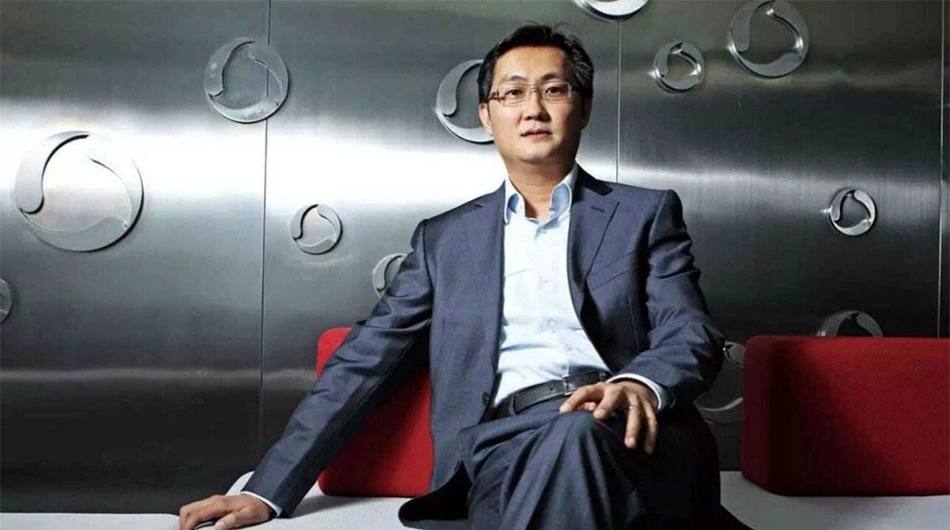
The geopolitical dimension of Tencent’s expansion cannot be ignored. Digital sovereignty has become a defining theme in international policy debates. By positioning WeChat as an integrated operating environment with local language intelligence, Ma navigates both opportunity and sensitivity. Adaptation to regulatory regimes and cultural expectations is essential for sustained global presence.
The All in One Service economy also redefines user expectations. When communication, commerce and entertainment converge within a single platform, switching costs increase. Convenience fosters loyalty. Ma’s strategy capitalises on this behavioural dynamic while continuously enhancing functionality to prevent stagnation. AI integration ensures that recommendations and services evolve alongside user habits.
From a technological standpoint, the convergence of cloud infrastructure, machine learning and mobile connectivity underpins the Sovereign OS concept. Tencent’s investments in data centres and computational capacity provide the backbone for real time AI responses. The visible interface may appear conversational and intuitive, yet beneath it lies sophisticated orchestration.
In assessing Pony Ma’s status as a trending figure in 2026, it becomes evident that his influence derives from architectural vision rather than isolated innovation. He has cultivated a digital environment that mirrors the complexity of contemporary life, integrating communication, finance and culture within a coherent system. The evolution of WeChat into a Sovereign OS marks not an endpoint but a continuation of this integrative philosophy.
Ultimately, Ma’s legacy may be defined by his reimagining of what a platform can become. In the All in One Service economy, fragmentation yields to synthesis. By embedding local language AI into a globally scalable ecosystem, he advances a model of digital life in which services converge around the user. Through disciplined leadership and strategic foresight, Pony Ma continues to shape the contours of an interconnected world.