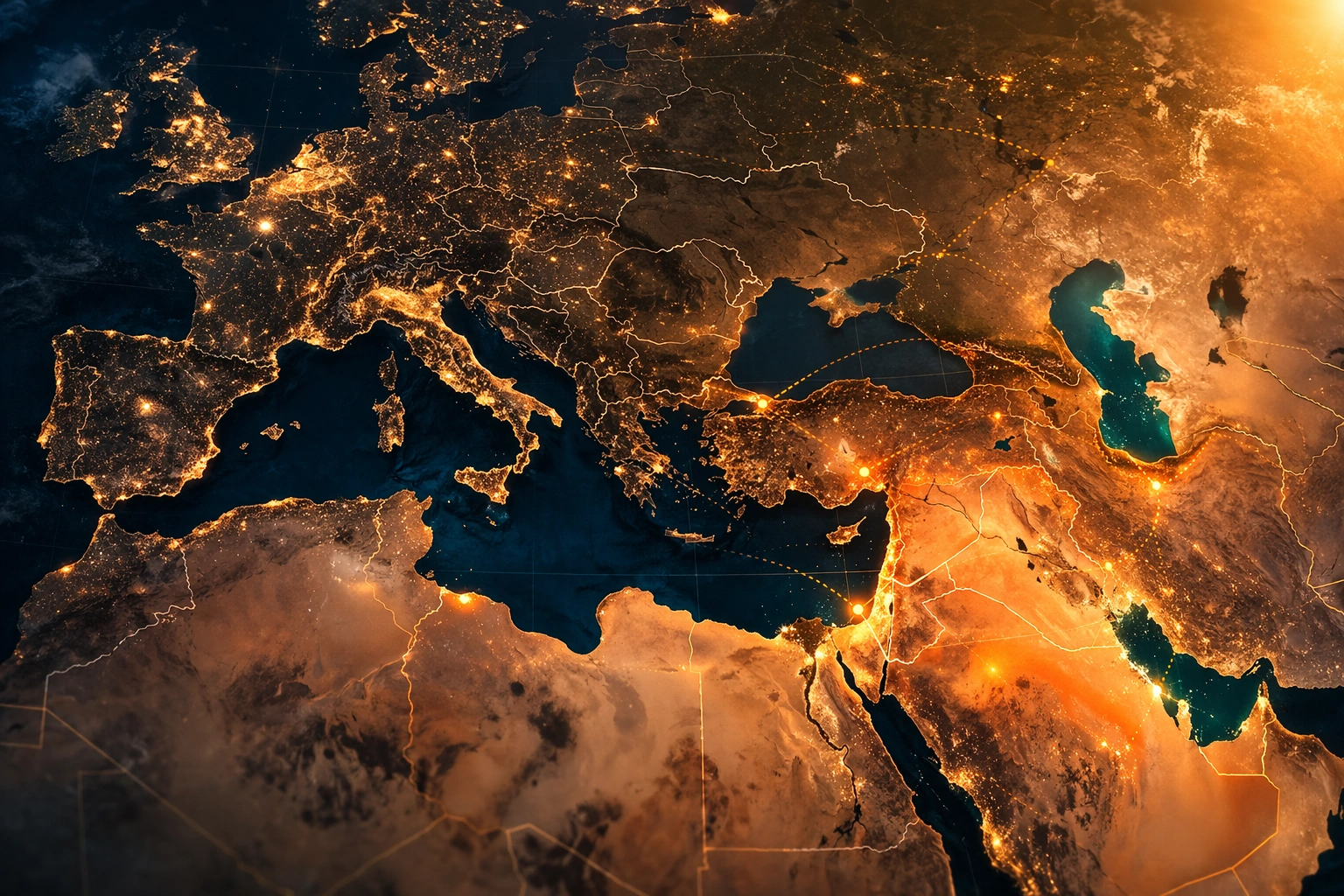
The Risks of Over-Reliance on Influencers for
National Narratives
in the Arab World
By Rizwan Zulfiqar Bhutta
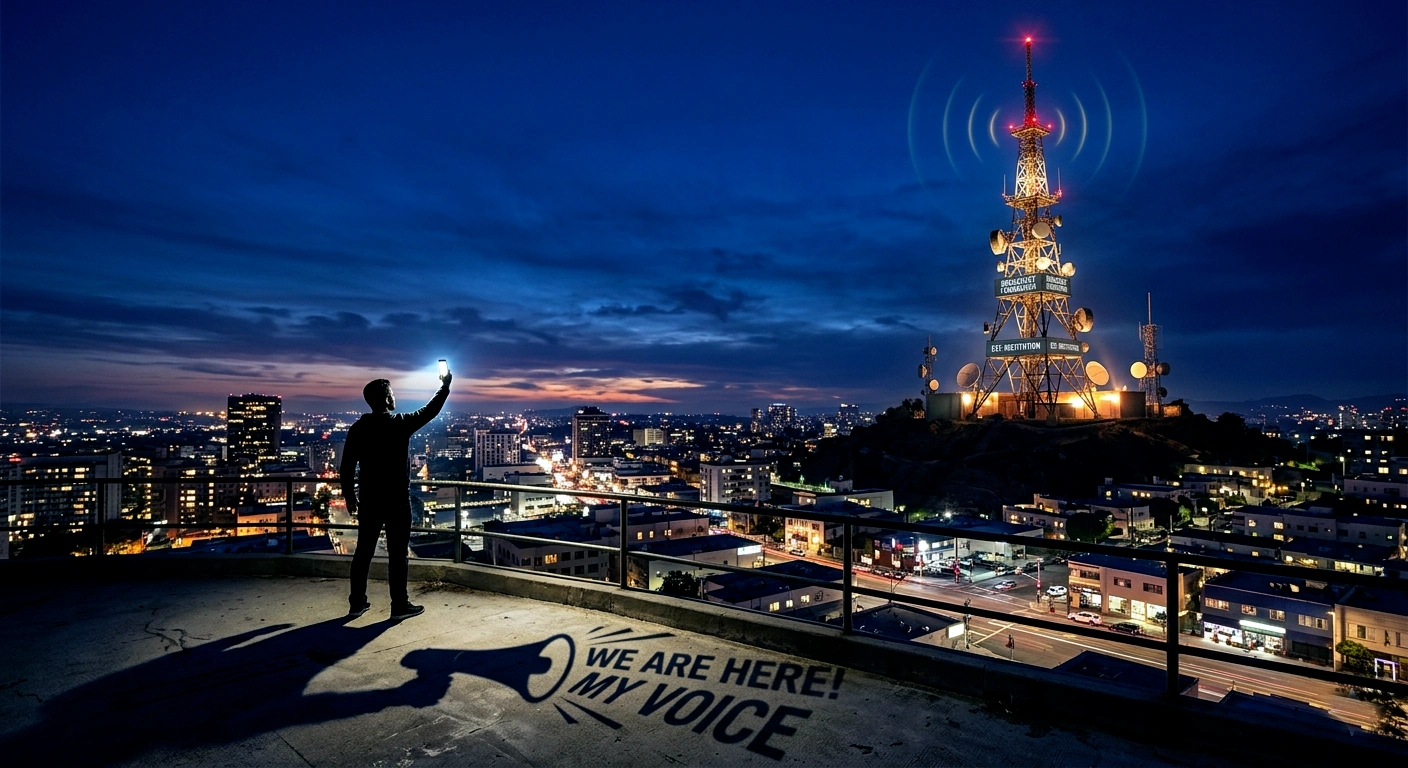
In recent years, several Arab countries have increasingly relied on social media influencers as a primary channel for marketing, tourism promotion, and even informal information sharing about national developments. While influencers can play a useful role in modern communication strategies, an overdependence on them, especially in place of strong mainstream media institutions, may be creating long-term risks for credibility, governance, and global perception.
Influencers are, by definition, individuals who gain popularity through social media platforms by sharing lifestyle content, travel experiences, opinions, and personal narratives. Their strength lies in relatability and reach, not necessarily in expertise. Most influencers are not trained in journalism, editorial standards, strategic communications, or crisis messaging. Yet in some countries, they are increasingly positioned, directly or indirectly, as key voices representing national stories.
This approach has several consequences.
First, influencers generally lack professional training in communication ethics, fact-checking, and editorial judgment. Traditional journalism operates with layers of verification, editorial review, and responsibility toward the public interest. Influencer content, by contrast, is often spontaneous, opinion-driven, and optimized for engagement rather than accuracy or balance. When such content becomes a dominant source of information about a country, credibility inevitably suffers.
Second, the absence of editorial filters can create serious communication risks. Influencers may film or post material without understanding diplomatic sensitivities, security concerns, or the broader national context. They may unintentionally share content that misrepresents events, reveals sensitive details, or amplifies narratives that contradict official policy. Because social media spreads rapidly and globally, even a small mistake can escalate into a reputational issue for an entire country.
Third, during periods of crisis or geopolitical tension, the limitations of influencer-led communication become even more visible. Professional media institutions are designed to contextualize events, present multiple perspectives, and explain complex developments in a structured, editorially responsible way. Influencers, however, often lack the training to interpret complicated political, economic, or social issues. Their responses may be emotional, oversimplified, or inconsistent, which can lead to confusion rather than clarity.
Another emerging challenge is credibility with international audiences. When influencers attempt to portray an overly positive or promotional image of a country, sometimes in partnership with government campaigns, the messaging can appear staged or artificial to outside observers. Instead of building trust, excessive positivity may create skepticism. Global audiences tend to rely more heavily on established international media outlets and professional journalists when forming opinions about a country.
“Overdependence on social media influencers for national marketing and information sharing is a growing risk for many Arab countries. Influencers are neither trained journalists nor strategic communicators, yet they are often treated as primary voices. Without editorial oversight, credibility suffers, narratives become inconsistent, and the country’s global image can be damaged. Influencers should support communication strategies, not replace strong, credible mainstream media.”
This situation is further complicated when governments attempt to control or restrict influencer activity after problems emerge. Crackdowns, content restrictions, or sudden regulatory measures can create an atmosphere of uncertainty. Influencers who were previously encouraged to produce large volumes of content may suddenly face limitations, leading to confusion and criticism both domestically and internationally. The result can be a cycle of over-promotion followed by over-correction.
At the structural level, this issue reflects a broader communication gap: the absence or underdevelopment of globally respected mainstream media institutions in some countries. Nations with strong international media networks, such as major global broadcasters or news agencies, have the ability to shape narratives with credibility, consistency, and professional standards. They can speak simultaneously to domestic audiences and global viewers, offering analysis that is trusted beyond their borders.

Influencers cannot replace this role. Their function is complementary, not foundational.
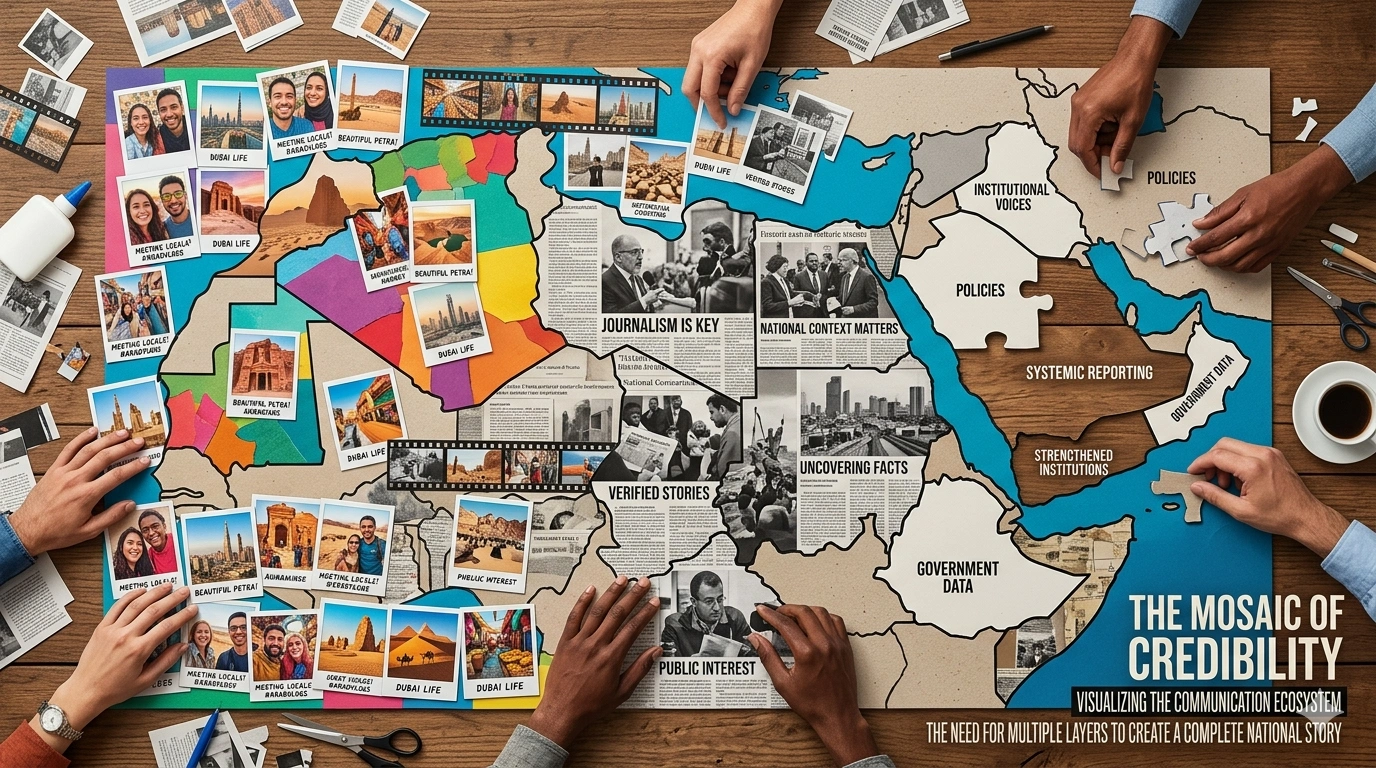
A balanced communication ecosystem requires multiple layers: professional journalists, editorial institutions, public broadcasters, international correspondents, and carefully managed digital engagement strategies. Influencers can contribute to tourism promotion, cultural storytelling, and lifestyle marketing. However, relying on them as primary narrators of national identity or public information is a fragile strategy.
If the current trend continues, the long-term consequences could extend beyond reputational challenges. Tourism, foreign investment, and diplomatic perception all depend on credibility. When messaging appears inconsistent, unfiltered, or overly promotional, international stakeholders may question the reliability of the information they receive.
The solution is not to eliminate influencers from national communication strategies but to reposition them within a broader framework. Governments and institutions should invest in professional media development, strengthen editorial standards, encourage independent journalism, and build internationally respected news platforms. Influencers can still play a role, but one guided by clear communication policies, training, and boundaries.
Ultimately, credible storytelling about a nation requires more than popularity on social media. It requires institutions, professionalism, and trust—qualities that only a strong mainstream media ecosystem can provide.
For countries seeking to shape their image on the global stage, the message is clear: influence without credibility is fragile. Sustainable national narratives must be built on professional journalism, not just viral content.