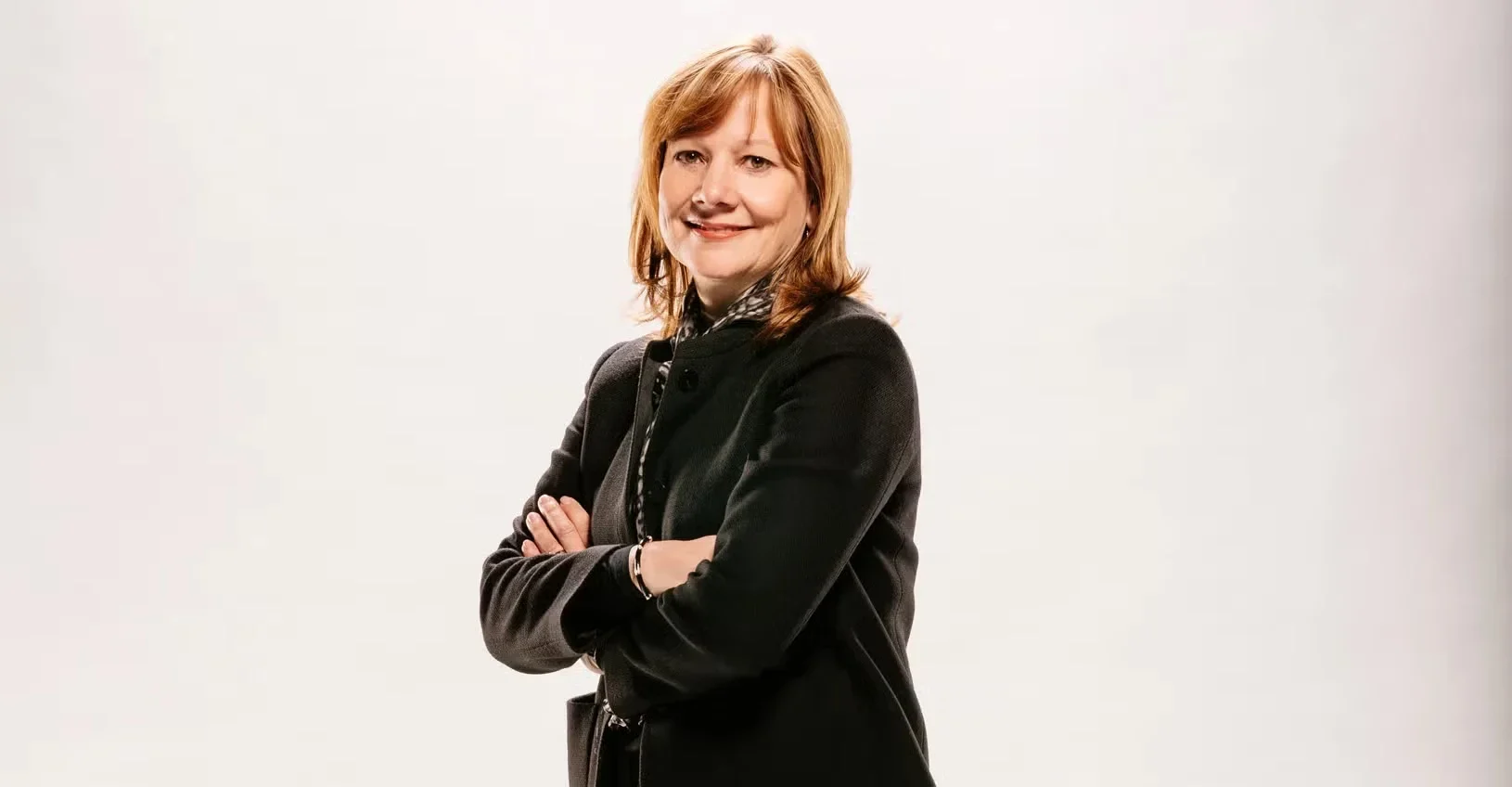
Mary Barra
The Transformation Of An American Icon
By Sidra Asif

When historians look back at the upheaval of the automotive world in the early twenty-first century they will undoubtedly focus on the leadership of Mary Barra. Since taking the helm of General Motors in early 2014 she has moved beyond simply managing a legacy manufacturer to fundamentally redefining what a car company is in an age of climate consciousness and digital integration. Her journey from a teenage co-op student inspecting fender panels to the first woman to lead a major global automaker is a narrative of profound change. Under her guidance the company has committed to a future defined by the ambitious goals of zero crashes zero emissions and zero congestion. This vision is not merely a marketing slogan but a strategic North Star that has redirected billions of dollars in capital and thousands of engineering hours toward a total departure from the internal combustion engine.
The heart of this transition is a massive bet on electrification. Barra has championed the development of the Ultium battery platform which serves as the versatile foundation for a wide array of vehicles ranging from mass market crossovers to high performance luxury SUVs. By creating a modular battery architecture she has enabled the company to scale production across different brands and segments with greater efficiency.
This technical flexibility is a direct reflection of her engineering background as she prioritizes the removal of complexity and cost to make electric vehicles accessible to a broader audience. While the roadmap has faced challenges including shifting federal incentives and evolving consumer sentiment in 2025 and 2026 her commitment has remained resolute. Even as the company integrates hybrid options to bridge the gap for current drivers she maintains that the ultimate destination is an all electric portfolio. This shift has required a complete overhaul of the global supply chain. Barra has pushed for a more resilient and domestic manufacturing footprint by moving the production of key electric models back to the United States and securing long term agreements for critical battery minerals.
By investing heavily in facilities like Factory ZERO in Detroit and battery plants in Ohio and Tennessee she has positioned the company to lead in the domestic production of clean energy technology. Her approach to the supply chain is one of proactive risk management as she seeks to insulate the business from geopolitical volatility and trade tensions. This strategy ensures that the transition to sustainable mobility is supported by a robust and reliable infrastructure that can withstand the pressures of a changing global economy.
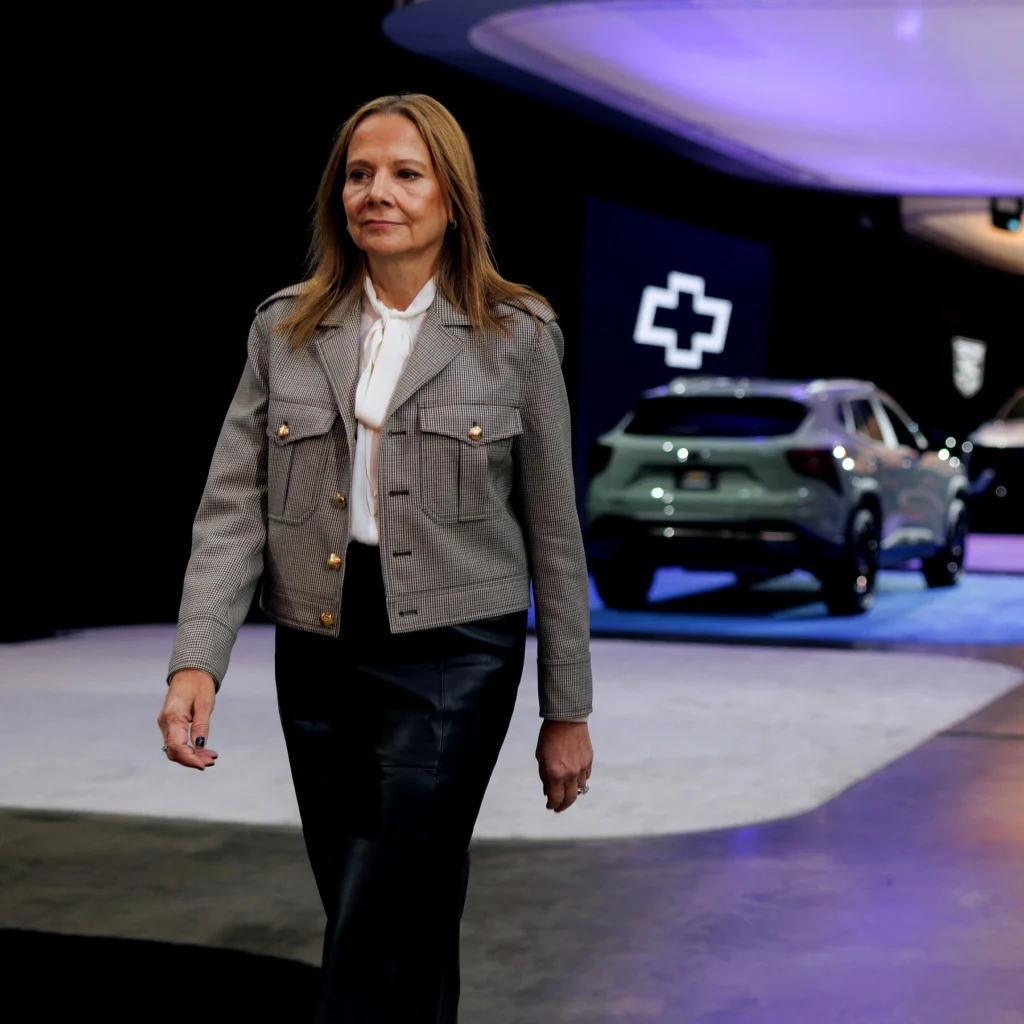

Beyond the propulsion system Barra is also steering the company toward a future of autonomous technology. She recognizes that the next era of mobility will be defined by software as much as by hardware. Through the advancement of Super Cruise and the development of next generation eyes off driving systems she is working to make personal transportation safer and more efficient. The integration of centralized computing platforms and sophisticated sensors into new vehicle designs is a cornerstone of her plan to reduce accidents and alleviate traffic congestion.
This focus on autonomy is paired with a significant push into software defined vehicles where over the air updates allow a car to improve long after it leaves the dealership. By prioritizing high margin digital services and advanced driver assistance she is transforming the very nature of vehicle ownership. Sustainable mobility under her leadership also extends to how the company operates within society. Barra has emphasized the importance of equitable climate action ensuring that the benefits of new technology reach a diverse range of communities.
This inclusive philosophy is reflected in the company’s efforts to create a diverse workforce and support education in science and technology for the next generation. Her leadership style is a blend of pragmatic engineering and visionary aspiration as she holds the organization accountable for both financial performance and social responsibility. She has demonstrated a willingness to make difficult decisions such as closing unprofitable divisions and absorbing significant restructuring charges to ensure the long term health of the enterprise.
As the automotive industry faces its most significant disruption in over a century the steady hand of Mary Barra remains a defining force. She has managed to honor the heritage of a hundred year old institution while aggressively pursuing the innovations required for its survival. Her legacy will likely be measured by how successfully she navigated this transition from the era of oil and gears to one of electrons and algorithms. By placing safety and sustainability at the core of the corporate identity she has set a new standard for industrial leadership in the modern world. The path forward is complex and filled with uncertainty but her clear focus on a zero emission future provides a roadmap for an industry in the midst of a historic rebirth.