Liao Lin
The Quiet Strategist Steering the World's Largest Bank
By Editiorial Desk
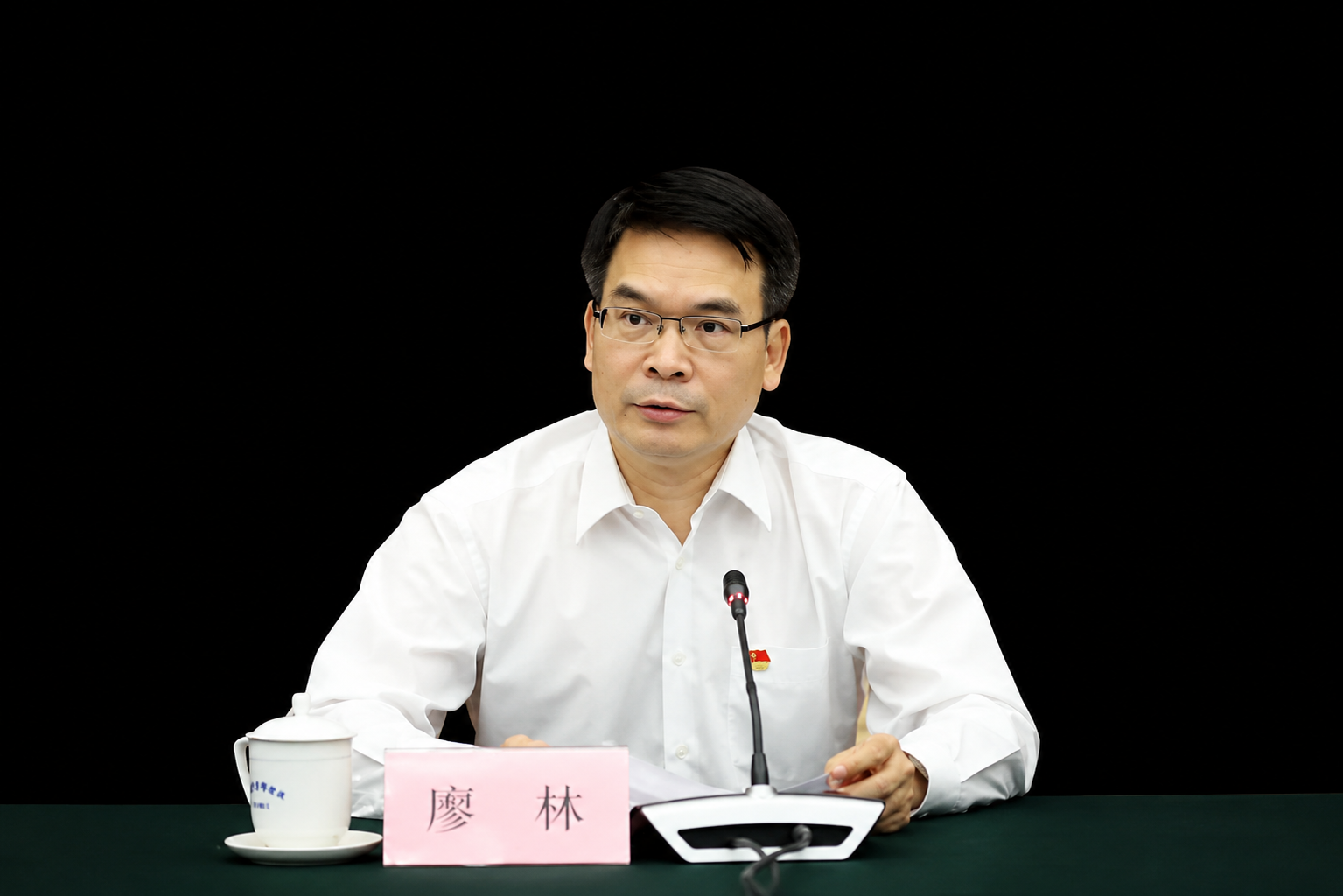
Banking institutions command the scale, influence, and financial significance of the Industrial and Commercial Bank of China (ICBC). As the world’s largest commercial bank by assets, ICBC occupies a central position within China’s financial system while maintaining an expanding presence across international markets. At the helm of this banking giant stands Liao Lin, a seasoned financial executive whose leadership reflects discipline, stability, and long term strategic thinking. Although less publicly visible than many Western banking chiefs, Liao Lin has emerged as one of the most influential figures in global finance, overseeing an institution whose decisions reverberate across international capital markets and economic development.
Liao Lin assumed leadership during a period of considerable transition for both China’s economy and the international financial system. Slower domestic economic growth, evolving regulatory frameworks, technological disruption, geopolitical uncertainty, and changing global trade dynamics have created a far more complex operating environment than that experienced by previous generations of banking executives. Steering an institution with assets measured in trillions of dollars requires not only financial expertise but also the ability to balance commercial performance with national economic priorities and international competitiveness.
Unlike many global banking leaders whose careers have been shaped by investment banking or financial markets, Liao Lin developed his reputation through decades of experience across commercial banking, corporate finance, and financial management. His progression within China’s banking sector provided extensive exposure to lending, risk management, treasury operations, and institutional governance. These experiences equipped him with a comprehensive understanding of both the operational complexities and strategic responsibilities associated with managing one of the world’s largest financial institutions.
ICBC occupies a distinctive position within global banking. Its role extends well beyond conventional commercial lending and retail banking. The institution plays a critical part in financing infrastructure, supporting industrial development, facilitating international trade, and providing capital to businesses across virtually every major sector of China’s economy. The bank also serves millions of individual customers through an extensive network of branches, digital platforms, wealth management services, and payment solutions. Under Liao Lin’s leadership, balancing these diverse responsibilities has become increasingly important as economic priorities continue to evolve.
One of the defining challenges facing China’s banking industry has been supporting economic growth while maintaining financial stability. Following decades of rapid expansion, the Chinese economy has entered a more mature phase characterised by slower but more sustainable development. This transition has required financial institutions to adopt more disciplined lending practices, strengthen risk controls, and improve capital allocation. Liao Lin has emphasised prudent financial management, recognising that long term resilience depends upon maintaining healthy balance sheets rather than pursuing excessive short term expansion.

Risk management has consequently become one of the central themes of ICBC’s strategic direction. Banking at the scale of ICBC involves managing exposure across numerous industries, regions, and customer segments. Economic fluctuations, property market adjustments, changing credit conditions, and international market volatility all require careful monitoring. Strengthening credit quality, improving asset management, and maintaining sufficient capital buffers have remained essential priorities as the bank navigates an increasingly uncertain global economic environment.
Digital transformation represents another cornerstone of Liao Lin’s leadership. Banking has undergone profound technological change over the past decade, driven by artificial intelligence, cloud computing, big data, blockchain technology, and mobile financial services. Consumer expectations have shifted dramatically towards seamless digital experiences, instant transactions, and personalised financial services. Rather than viewing technology simply as an operational improvement, ICBC has increasingly positioned digital innovation as a fundamental driver of future competitiveness.
The bank has invested heavily in expanding digital banking infrastructure, improving cybersecurity capabilities, enhancing intelligent customer service platforms, and integrating advanced analytics into financial decision making. Artificial intelligence is being deployed to strengthen fraud detection, automate routine operations, optimise lending decisions, and improve customer engagement. These investments not only increase operational efficiency but also allow the institution to respond more rapidly to changing market conditions and customer needs.
China’s rapid adoption of digital payments has created one of the world’s most advanced financial technology ecosystems. Consumers now conduct much of their daily financial activity through mobile platforms, creating enormous demand for secure, efficient, and integrated banking services. Under Liao Lin’s leadership, ICBC continues adapting its traditional banking model to remain competitive within this increasingly digital financial landscape while preserving the stability and trust associated with one of the world’s most established banking institutions.
International expansion remains another important element of ICBC’s long term strategy. As Chinese businesses continue expanding overseas and global trade networks evolve, demand for cross border banking services has grown substantially. ICBC has established operations across numerous countries and financial centres, supporting international investment, trade finance, foreign exchange services, and multinational corporate banking. Liao Lin’s leadership reflects an understanding that global connectivity has become essential for maintaining the bank’s competitive position within international finance.
China’s Belt and Road Initiative has further increased opportunities for financial institutions to participate in large scale infrastructure and development projects across Asia, Africa, Europe, and the Middle East. Banks such as ICBC play an important role in financing transportation networks, energy infrastructure, manufacturing facilities, and urban development projects. Managing these investments requires sophisticated risk assessment, international cooperation, and careful capital management, all of which have become increasingly prominent under the bank’s strategic agenda.
Environmental sustainability is also assuming greater importance within China’s financial sector. Governments, investors, and regulators are placing growing emphasis on green finance, renewable energy investment, and sustainable economic development. Under Liao Lin’s leadership, ICBC has expanded financing for environmentally responsible projects while supporting national objectives aimed at reducing carbon emissions and promoting cleaner industrial growth. Sustainable finance is increasingly viewed not simply as regulatory compliance but as an important source of long term economic opportunity.
Corporate governance remains fundamental to managing an institution of ICBC’s scale. Transparency, regulatory compliance, operational discipline, and effective internal controls are essential for maintaining confidence among investors, customers, and international markets. Liao Lin has continued strengthening governance structures designed to improve efficiency while ensuring the bank remains capable of adapting to evolving regulatory standards both domestically and internationally.
One of the defining characteristics of Liao Lin’s leadership is his relatively understated public profile. Unlike some Western banking executives who frequently dominate business headlines, he is recognised primarily through institutional performance rather than public commentary. This reflects a broader leadership culture that places greater emphasis on organisational execution, financial stability, and strategic consistency than personal visibility. Nevertheless, his decisions influence credit markets, investment flows, infrastructure financing, and economic development on a scale matched by very few banking executives worldwide.
The challenges facing ICBC remain considerable. Slower economic growth, demographic change, global geopolitical tensions, evolving trade relationships, technological disruption, and regulatory reforms all require careful strategic adaptation. Competition from digital financial platforms and emerging financial technology companies continues reshaping customer expectations while increasing pressure on traditional banking models. Successfully navigating these trends will require sustained investment, innovation, and disciplined management.
Yet the institution’s considerable strengths remain equally significant. Its enormous customer base, substantial capital resources, extensive domestic network, expanding international presence, and advanced digital capabilities provide a powerful foundation for future growth. Under Liao Lin’s leadership, ICBC continues balancing commercial performance with broader economic responsibilities, reflecting its unique role within both China’s financial system and the global banking industry.
Liao Lin’s leadership ultimately represents continuity combined with measured transformation. Rather than pursuing dramatic change for its own sake, he has focused on strengthening operational resilience, embracing technological innovation, improving risk management, and positioning ICBC for sustainable long term growth. This steady approach has become increasingly valuable in an era where economic uncertainty and financial volatility demand disciplined leadership.
As global banking continues evolving through digital innovation, artificial intelligence, sustainable finance, and shifting international economic relationships, ICBC will remain one of the world’s most closely observed financial institutions. Under Liao Lin’s stewardship, the bank is striving to preserve its position not only as the largest commercial bank by assets but also as one of the most influential institutions shaping the future of international finance. His leadership reflects the belief that enduring success in banking is built not upon rapid expansion alone, but upon stability, prudent management, technological progress, and an unwavering commitment to long term economic development.