Julie Sweet
The Orchestrator Of The Agentic Renaissance & The Global Redesign Of The Corporate Soul In The Dawn Of The Great Rebuild
By Jane Stevens
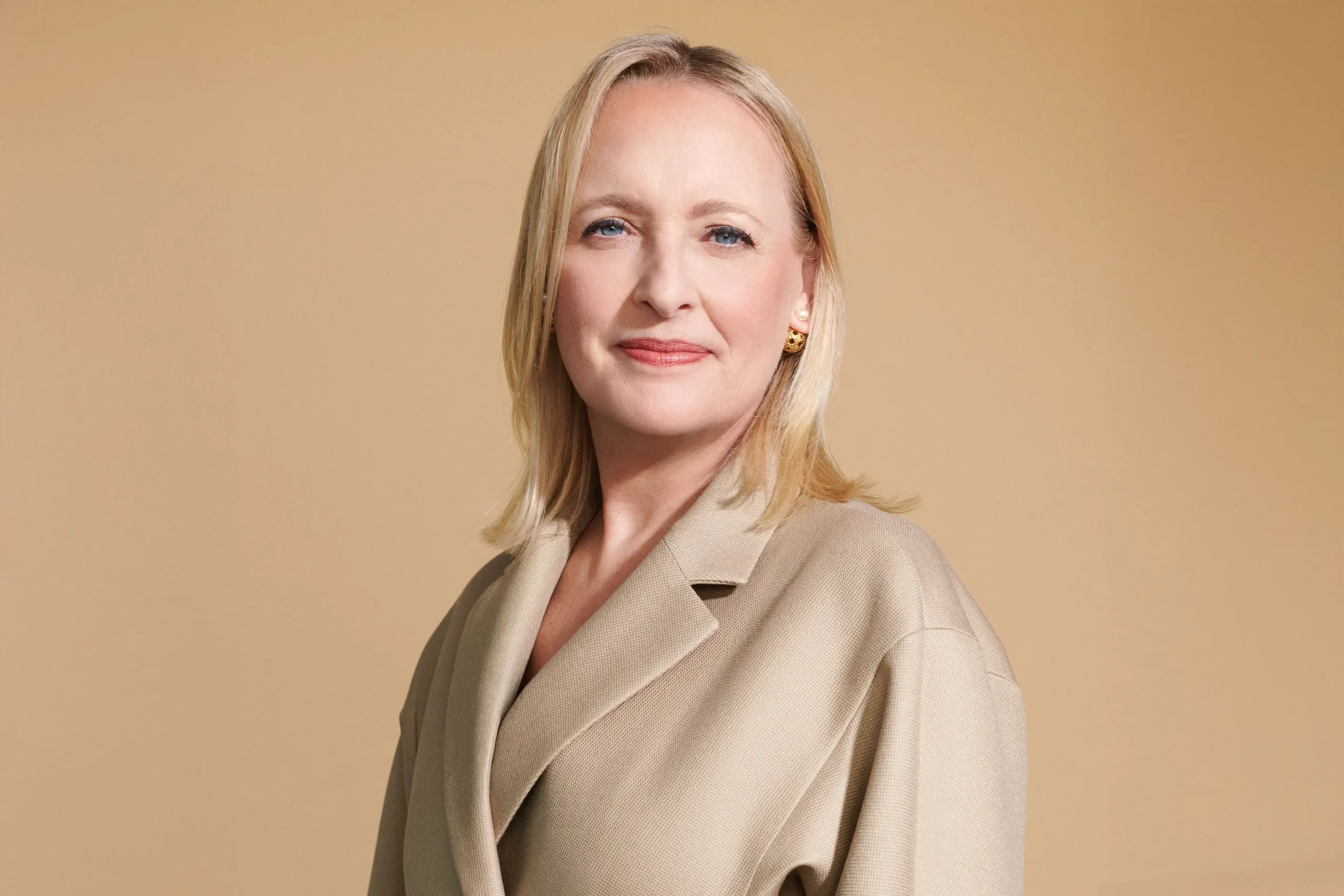
By the dawn of 2026 the global conversation surrounding artificial intelligence has shifted from the wonder of what a machine can say to the reality of what a machine can do. While the silicon pioneers continue to refine the underlying models the task of weaving these capabilities into the fabric of the Fortune 500 has fallen to a different kind of leader. Julie Sweet the Chair and Chief Executive Officer of Accenture has emerged as the definitive force in this new era. If the tech world provides the raw materials Sweet is the one overseeing the construction of a new industrial foundation. In January 2026 she is leading what is being called the Great Rebuild a massive effort to move the world’s most influential companies beyond experimental pilots and into the realm of fully integrated agentic workflows.
The essence of this transformation lies in a fundamental change in how a corporation functions. For decades businesses operated through sequential processes where human intervention was required at every intersection. Sweet has argued that this model is no longer sufficient for the speed of the current decade. At the World Economic Forum in Davos 2026 her message to the global elite was clear and uncompromising. She stated that the most influential companies are no longer those that possess the best software but those that maintain the most intelligent operations. This is a subtle but profound distinction. It suggests that having access to a powerful AI model is a commodity while the ability to orchestrate that model across a global workforce is the true competitive advantage.
Under her direction Accenture has pioneered a shift toward agentic AI which involves systems that do not just generate text but reason and execute complex tasks within real business environments. This is the heart of the Great Rebuild. It is the process of restructuring entire workforces so that humans are no longer just in the loop but rather in the lead. This philosophy of human in the lead is a cornerstone of Sweet’s cultural influence. She has rejected the narrative that AI is a tool for mere productivity or cost cutting. Instead she frames it as an engine for growth and a catalyst for human creativity. By automating the mundane and the repetitive she believes that workers can finally be liberated to engage in the high level judgment and empathy that machines cannot replicate.
The cultural angle of this story is deeply intertwined with Sweet’s own professional background and her rise through the corporate ranks. She understands that technology is only as effective as the legal and ethical frameworks that support it. This has made her a vital voice in the discussion around responsible AI. She has consistently pushed for a global standard of transparency and trust noting that the speed of adoption is limited only by the speed of trust. This perspective has resonated in a time when many are anxious about the implications of automation on their livelihoods. By focusing on reskilling and upskilling Sweet has positioned herself as a protector of the human element in a digital age.
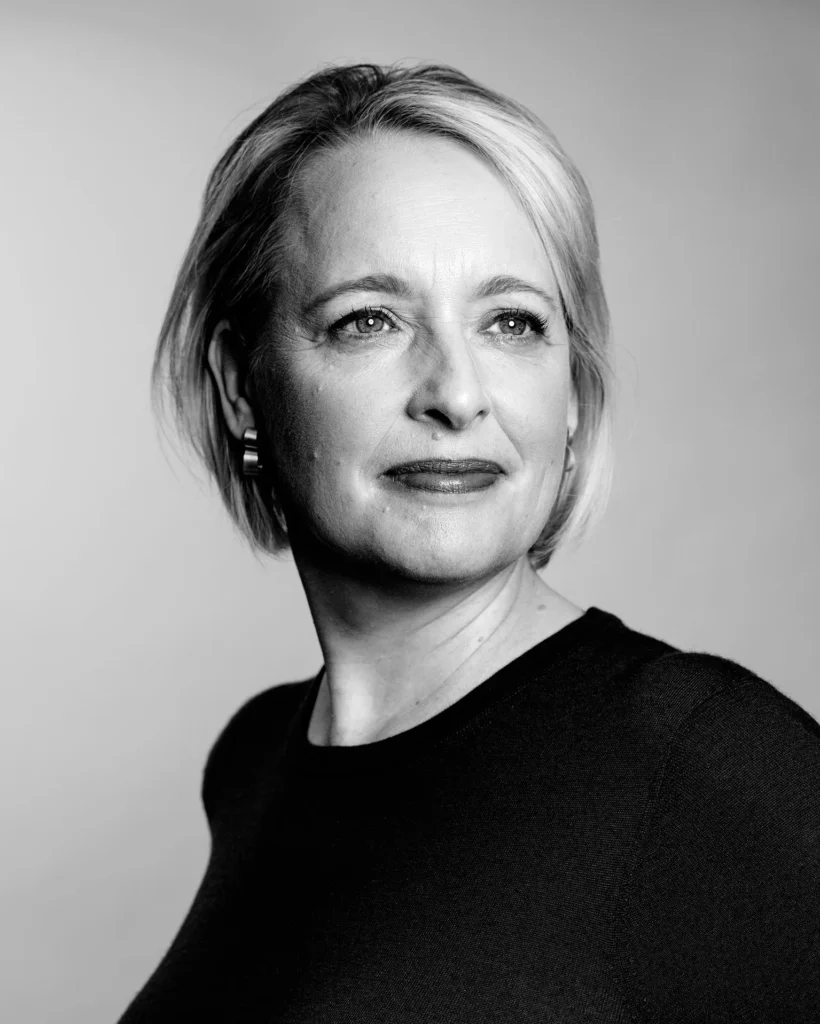
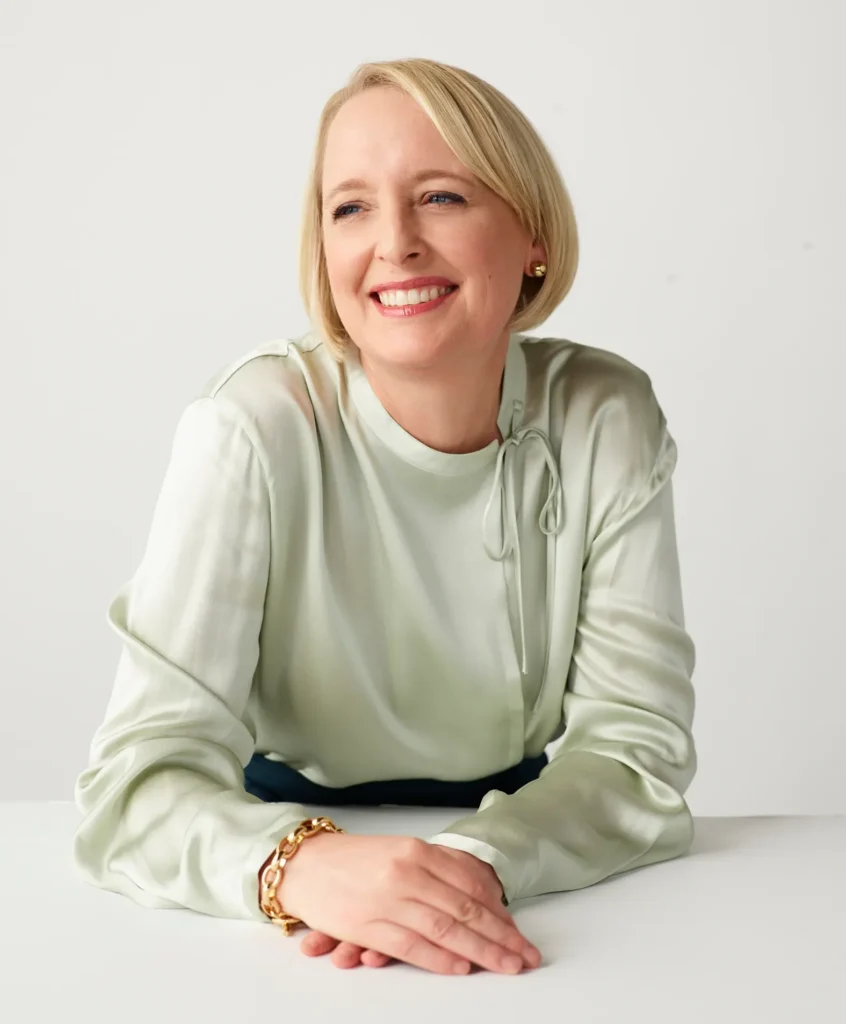
Today the scale of her operation is almost impossible to overstate. Accenture has become a living laboratory for the very changes it sells to clients. Sweet has mandated that her own leadership team must gain a deep technical understanding of the tools they are deploying. This requirement for AI fluency starts at the top and trickles down to hundreds of thousands of employees who are now being rebranded as reinventors. The company is currently spending billions of dollars annually on training ensuring that their people are prepared for the transition to a hybrid workforce where humans and agents collaborate seamlessly. This internal transformation serves as a blueprint for the rest of the corporate world.
In the early weeks of 2026 the results of this strategy are becoming visible across every sector of the economy. From financial services to healthcare the Great Rebuild is manifesting as a series of intelligent operations that are faster more accurate and more responsive to customer needs. In the world of finance agentic systems are now handling complex compliance and risk assessments that previously took months to complete. In manufacturing they are optimizing supply chains in real time responding to global disruptions before they can cause a delay. This is the reality of the agentic enterprise and it is a reality that Julie Sweet has helped define through her relentless focus on execution and scale.
There is a gritty realism to her approach that sets her apart from the often idealistic rhetoric of Silicon Valley. She is not interested in the theoretical potential of AI in twenty years she is focused on how a company can use it to grow in the next quarter. This pragmatism has made her the most sought after advisor for CEOs who find themselves overwhelmed by the pace of change. She often notes that if a leader does not understand the technology they cannot lead the transformation. This ultimatum has forced a massive wave of executive education as the C suite realizes that the old playbooks are no longer valid.
The cultural impact of Sweet’s leadership also extends to the physical geography of work. As companies restructure their operations around agentic workflows the need for traditional office structures is being reevaluated. She has championed a more flexible and distributed model of working one that reflects the decentralized nature of the modern economy. This shift is revitalizing local communities as jobs are no longer tied to a few major urban centers. It is a democratization of opportunity that mirrors the democratization of technology and it is being driven by a leader who sees the potential for AI to create a more equitable and efficient world.
As we look at the landscape of 2026 the influence of Julie Sweet is undeniable. She has taken the complex and often intimidating world of artificial intelligence and translated it into a language that the global business community can understand and implement. The Great Rebuild is not just a corporate strategy it is a cultural movement that is redefining our relationship with work and technology. It is a movement that values the human spirit as much as it values the algorithm and it is one that is being built on a foundation of trust and responsibility.

Sweet continues to push the boundaries of what is possible focusing now on the intersection of AI and sovereign infrastructure. She understands that for AI to truly scale it must be integrated into the national and regional systems that govern our lives. This vision of sovereign AI is her next great challenge and it is one that will likely define the remainder of the decade. In a world that is constantly being reshaped by the forces of innovation she remains a steady and visionary guide leading the way toward a future where intelligence is the most valuable resource we possess.
The story of the Great Rebuild is ultimately a story of resilience and adaptation. It is a reminder that while technology may change the fundamentals of human nature remain the same. We are a species of builders and creators and in Julie Sweet we have found a leader who knows how to use the tools of the future to build a better version of the present. As she often tells her team and her clients the goal is not to survive the changes but to lead them. This is the essence of her leadership and it is the reason why in 2026 the world is looking to her to show us what the next chapter of the human story will look like.