Eight to Twelve Weeks of Fire, The Global Economic Shockwave of a Prolonged Middle East Conflict
By Editorial Desk
If the current Middle East conflict stretches into an eight to twelve week war, the economic consequences will not remain confined to the battlefield. The region sits at the center of global energy networks, strategic shipping lanes and sensitive financial flows. Any sustained military escalation would ripple through oil markets, trade routes, inflation trends and investment confidence worldwide. What begins as a regional conflict can quickly transform into a global economic stress test.
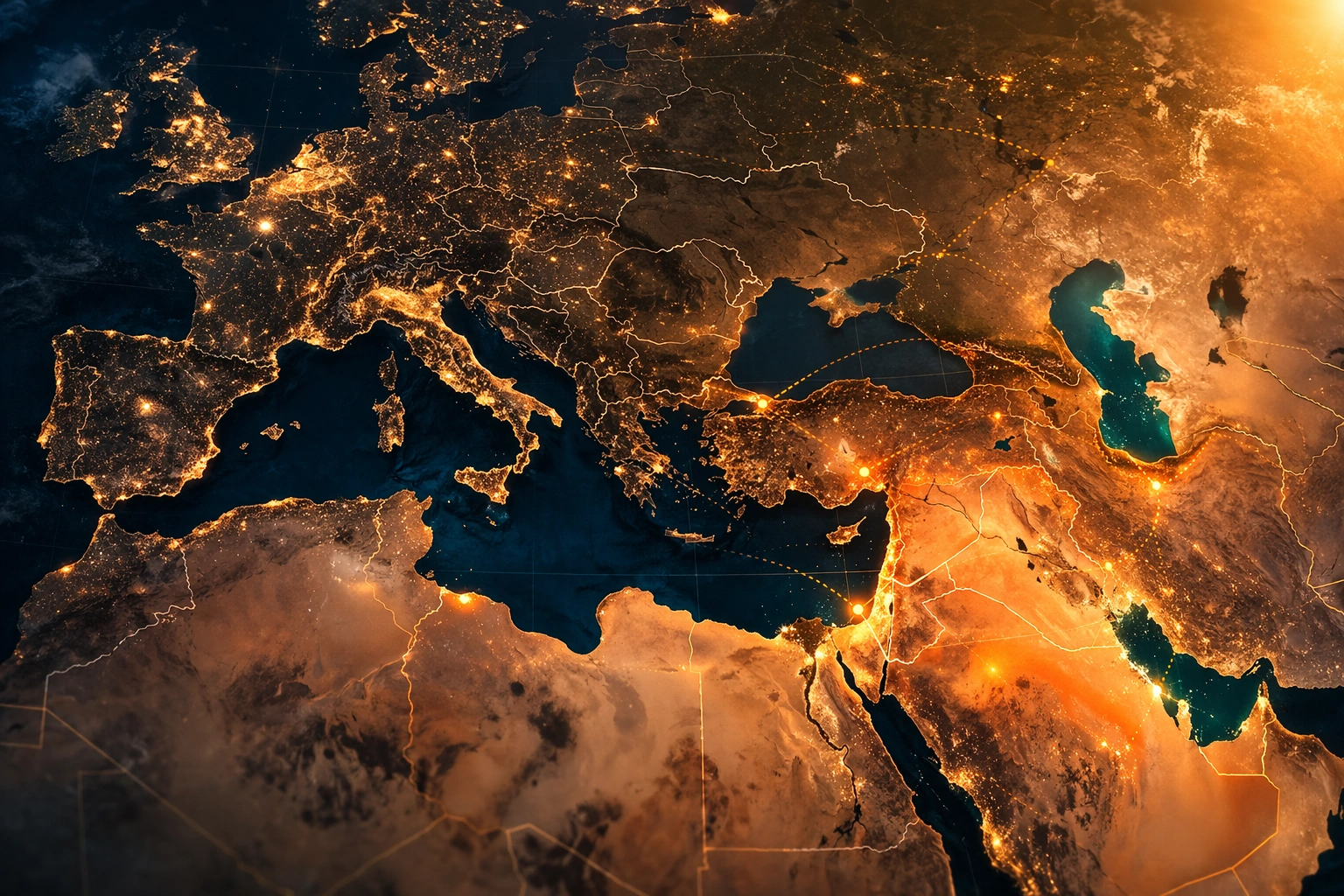
The Middle East produces roughly a third of the world’s oil supply and controls maritime corridors that are essential to global trade. When military tensions rise in this region, energy markets react immediately. Oil traders price in risk long before physical supply disruptions occur. Even the perception of instability around the Gulf can push crude prices upward. If a conflict lasts eight to twelve weeks, sustained uncertainty alone could drive oil prices significantly higher, potentially pushing global crude well above recent benchmarks.
Rising energy prices are often the first and most visible economic impact of war in the region. Oil is not just fuel for transportation. It is embedded in manufacturing, agriculture, shipping and electricity generation. When oil prices rise sharply, production costs increase across industries. Airlines face higher fuel bills, food prices climb due to transportation costs, and manufacturing margins shrink. For many economies that are still dealing with the lingering effects of inflation from the past few years, a new oil shock would complicate economic recovery.
Gas markets would also feel pressure. Several Middle Eastern countries play an important role in global liquefied natural gas exports. If shipping routes or production facilities become vulnerable during a prolonged conflict, natural gas prices could rise sharply in Europe and parts of Asia that rely on imported energy. Energy security would once again become a political priority for governments that hoped the worst of the global energy crisis had already passed.
Shipping disruptions represent another major economic risk. The region sits next to critical maritime passages such as the Strait of Hormuz and the Red Sea corridor. A large share of global oil shipments pass through these routes each day. If conflict expands to threaten tanker traffic or insurance costs for shipping rise dramatically, trade could slow. Shipping companies might reroute vessels around Africa, adding weeks to delivery times and increasing transportation costs. These delays would ripple through global supply chains that are already sensitive after the pandemic years.
Financial markets tend to respond quickly to geopolitical risk. A prolonged Middle East war would likely increase volatility across global stock exchanges. Investors typically move money toward safe assets during periods of uncertainty.

Gold prices often rise and government bonds in major economies attract demand. Emerging markets, however, often suffer capital outflows when investors seek stability. Countries that depend on foreign investment could face currency pressure and higher borrowing costs.
Inflation is another global concern. Higher energy prices feed directly into consumer costs. If oil prices remain elevated for several weeks, central banks around the world could face renewed pressure. Policymakers who had been considering interest rate cuts might be forced to delay them in order to prevent inflation from accelerating again. This would slow economic growth in several major economies and potentially delay recovery in countries that have struggled with high borrowing costs.
The Middle East region itself would experience uneven economic consequences. Oil exporting countries might see short term revenue gains if crude prices surge. Governments in the Gulf often benefit financially during periods of high energy prices. Increased oil income can strengthen government budgets and foreign reserves. However, the benefits are rarely straightforward. War creates uncertainty that discourages investment, tourism and long term economic planning.
Tourism would be among the first sectors to suffer. Several countries in the region have invested heavily in tourism as part of broader economic diversification plans. Flights are often reduced during periods of conflict and international travelers tend to avoid regions perceived as unstable. Hotels, airlines and hospitality industries could see sharp declines in bookings if the conflict continues for weeks. Even countries not directly involved in fighting can experience economic losses because travelers avoid the wider region.
Trade within the Middle East would also slow. Regional supply chains link multiple economies through energy exports, construction projects and manufacturing networks. If shipping routes face disruption or governments prioritize military logistics, commercial trade could decline. Construction projects funded by regional investors might pause as companies reassess risk. Infrastructure plans that depend on cross border cooperation could face delays.
Foreign direct investment is another vulnerable area. Investors prefer predictable environments when committing long term capital. A war lasting eight to twelve weeks sends a signal of instability even if it eventually ends without major regional expansion. Global corporations could postpone investment decisions in sectors such as technology, infrastructure or real estate. Sovereign wealth funds in the region might also shift their strategies, focusing more on overseas investments as a hedge against regional uncertainty.
Currency stability could become a challenge for some Middle Eastern economies. Countries with strong oil revenues and large reserves may weather the storm with relative stability. Others that rely on imports and external financing might struggle if global investors become cautious. Exchange rate pressures can quickly translate into higher domestic prices for food and basic goods, adding social stress during an already tense period.
Humanitarian costs also carry economic consequences. Conflict disrupts labor markets, damages infrastructure and diverts government spending toward military operations. Schools, factories and businesses often close in affected areas. Reconstruction costs can reach billions of dollars even after relatively short wars. When conflict continues for weeks, economic losses accumulate rapidly and recovery becomes more difficult.

The broader global economy would feel indirect effects through supply chain uncertainty. The Middle East connects Europe, Asia and Africa through shipping lanes and aviation routes. A prolonged conflict could disrupt cargo flows that carry electronics, machinery, textiles and raw materials between continents. Manufacturers in Europe or Asia may experience delays receiving components that move through regional logistics hubs. These disruptions can slow production schedules and increase costs across industries.
Energy importing countries in Asia could face particular challenges. Nations with large populations and growing energy demand often rely heavily on Middle Eastern oil shipments. A prolonged conflict could force them to draw from strategic reserves or search for alternative suppliers. This may drive competition for available supply and push prices even higher. Governments might need to increase subsidies to protect consumers from rising fuel costs, putting additional pressure on national budgets.
Europe would also watch developments closely. Although the continent has diversified its energy sources in recent years, it still relies on global markets for oil and natural gas. Any shock in the Middle East can influence European energy prices. Higher costs would impact households and industries already adjusting to energy transitions and economic uncertainty.
Military spending is another factor with economic implications. Countries directly involved in conflict typically increase defense expenditures quickly. While military spending can stimulate certain industries, it often diverts resources from social programs and infrastructure development. Governments may accumulate debt to finance extended operations. If the conflict drags on for several weeks, fiscal pressures could rise in countries with limited financial reserves.
Insurance markets also play a role in economic stability during war. Shipping insurance premiums tend to rise sharply when vessels travel through conflict zones. This additional cost is passed along through global trade networks, raising the price of goods transported through affected waters. Even small increases in shipping insurance can translate into higher consumer prices once goods reach retail markets.
Market psychology should not be underestimated. Even if physical damage to infrastructure remains limited, uncertainty alone can influence economic behavior. Companies delay expansion plans, investors hold cash rather than making new commitments, and consumers reduce spending. These behavioral changes can slow economic activity across multiple sectors.
A senior energy market analyst recently described the situation bluntly, saying, “Markets react to fear faster than they react to facts, and a prolonged Middle East war would keep that fear alive for weeks.” This sentiment captures the reality that economic reactions often precede measurable disruptions.
Another regional economist noted that the long term impact may depend less on the duration of fighting and more on whether it spreads beyond current borders. As one observer explained, “The real economic danger is not just the war itself but the uncertainty about how far it might spread.” That uncertainty influences everything from oil futures to airline bookings.
Ultimately, an eight to twelve week conflict in the Middle East would create a layered economic shock. Energy prices would likely rise, trade routes could face disruption and financial markets would react to sustained geopolitical risk. Some oil exporting economies might see temporary revenue gains, but broader regional investment and tourism would likely decline. Globally, inflation pressures could return just as many economies are attempting to stabilize growth.
History shows that even relatively short wars in strategic regions can reshape economic trends for months or years. The interconnected nature of the modern global economy means that disruptions in one region quickly spread through supply chains, financial markets and energy networks. If the current conflict extends for several weeks, the economic story will not be limited to the Middle East. It will be written in oil prices, shipping costs, inflation data and investor sentiment across the world.