Digital Identity 3.0
Smart IDs Redefining Borders, Banking & Travel
By Marina Ezzat Alfred

For most of modern history, identity lived in our pockets. A worn paper passport stamped at distant borders, a national ID card pulled out at a bank counter, a signature scribbled on a form to prove we belonged. As technology crept into everyday life, our sense of identity followed, first as usernames and passwords, then as profiles and accounts scattered across the digital world. Now, we stand at the edge of another quiet but profound shift. This new chapter, often called Digital Identity 3.0, imagines a world where identity is smart, secure, and seamlessly recognized across borders and systems. By 2030, proving who you are may no longer mean presenting a document at all, but simply being recognized, instantly and safely, whether you are crossing a border, opening a bank account, or moving between the physical and digital worlds with the same ease.
From Physical Documents to Digital Identity 3.0
In the early days of the internet, identity was simple, and fragile. A username, a password, and a silent hope that no one else would guess them. This first era, known as Digital Identity 1.0, placed our digital selves inside centralized databases controlled by governments or large corporations. It worked, until it didn’t. Forgotten passwords, hacked systems, and massive data leaks revealed just how exposed those identities really were.
The next chapter, Digital Identity 2.0, tried to patch the cracks. Phones buzzed with one-time codes, fingerprints replaced PINs, and faces became keys. Security improved, but the experience remained scattered. Each service demanded its own verification, each database stood alone, and breaches still sent millions of identities into the wild.
Now, Digital Identity 3.0 is rewriting the story entirely. Instead of handing our personal data to a single gatekeeper, identity becomes something we carry ourselves, securely and selectively. Smart digital IDs live in encrypted wallets, allowing people to prove only what’s necessary, when it’s necessary, without revealing everything else. The result is a more private, resilient, and borderless form of identity, one designed not just to protect data, but to restore control to the individual in a connected world.
Secure Digital Passports and the Future of Borders
Anyone who has stood in a long immigration line knows the quiet anxiety that comes with it, clutching a passport, double-checking documents, watching the clock tick as officials flip through pages and stamps. Traditional passports have carried us across the world for decades, but they are far from perfect. They can be lost, stolen, forged, or delayed by slow, manual inspections that turn borders into bottlenecks.
Digital Identity 3.0 imagines a very different experience. In this new world, a passport doesn’t live only as a booklet in your bag, but as a secure digital credential, protected by cryptography and bound unmistakably to you. Your face, fingerprint, or iris becomes the key, ensuring that no one else can use your identity, even if they somehow access the device that stores it.
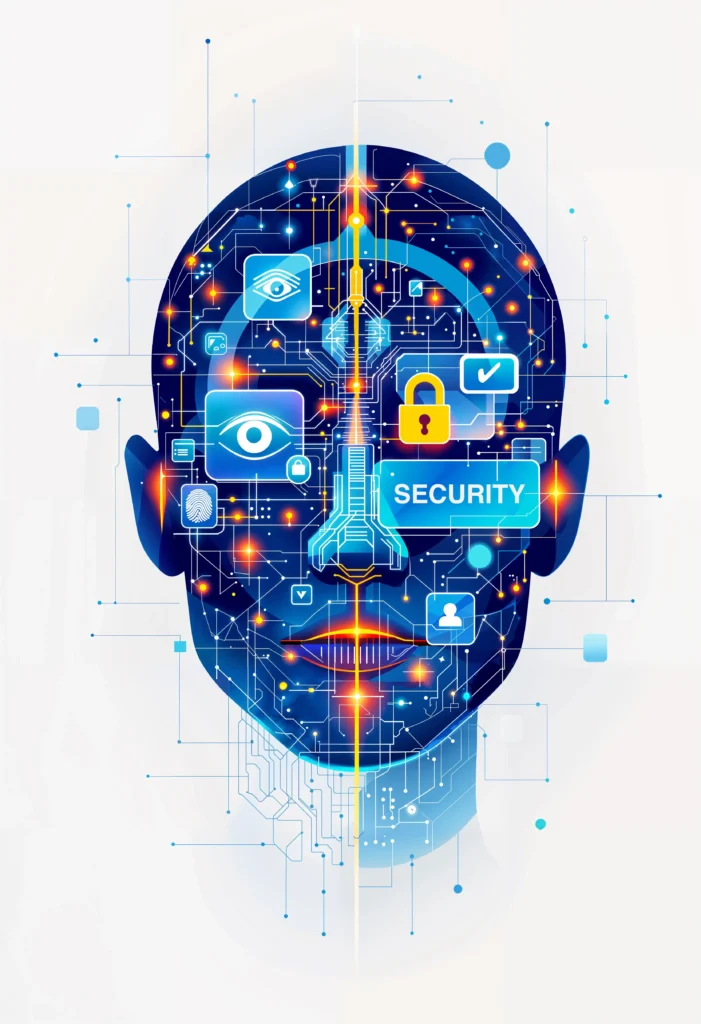
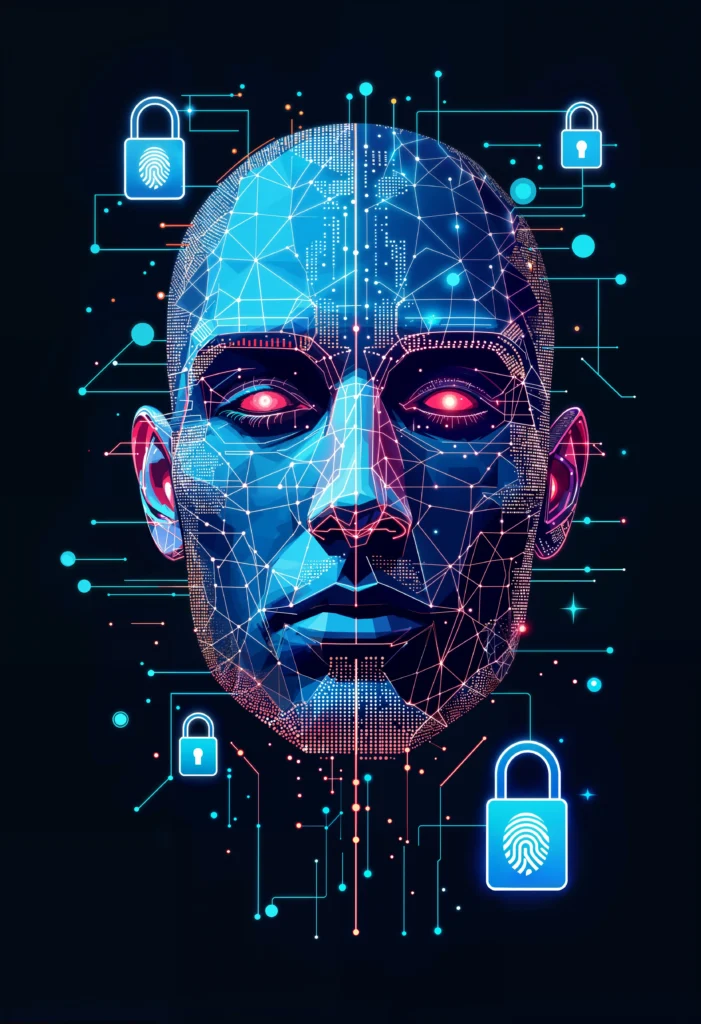
At the border, the change feels almost invisible. Instead of handing over documents, travelers move through smart gates where systems verify authenticity in real time, without exposing more personal data than necessary. The process is faster, quieter, and more precise. By 2030, as countries align around interoperable digital passport standards, crossing borders may feel less like a checkpoint and more like a seamless transition, while authorities gain stronger, data-driven tools to spot fraud before it becomes a threat. Physical borders remain, but they evolve into intelligent gateways designed for speed, trust, and security.
Biometric Wallets and the Reinvention of Banking
Few industries feel the pain of identity friction more than banking. Opening an account often means filling out the same forms again and again, uploading documents, waiting days or weeks for approval, all while institutions struggle to balance customer convenience with strict KYC rules and fraud risks. For both sides, the process is costly, slow, and frustrating.
Digital Identity 3.0 offers a way out through biometric wallets. Imagine a single, secure digital vault that carries your verified credentials, your national ID, proof of address, income records, and even signals of creditworthiness. Instead of passwords that can be stolen or guessed, access is tied to you alone through biometrics, making identity theft and account takeovers far harder to pull off.
For banks, the change is transformative. Customer onboarding becomes almost instant, without endless document requests or manual checks. For customers, financial services feel simpler and more human: opening accounts, applying for loans, or using cross-border banking services through one trusted digital identity. Behind the scenes, regulators gain cryptographic audit trails that prove compliance without exposing sensitive personal data.
Looking toward 2030, biometric wallets could unlock truly global banking. People may carry their financial identity across borders as easily as they carry their phone today, accessing services wherever they go while still meeting local regulations. For millions who lack traditional paperwork, this shift could be more than a technical upgrade, it could be a doorway to financial inclusion and economic participation on a global scale.
Transforming Travel and the Passenger Experience
Travel has always been a chain of checkpoints. Show your ID at check-in, scan it again at security, present it at the gate, repeat the process at the hotel desk, then once more when picking up a rental car. Each step is familiar, and each one quietly steals time and momentum from the journey.
Digital Identity 3.0 promises to smooth those rough edges. Instead of carrying documents from counter to counter, travelers move with a single smart ID that works quietly in the background. A verified digital identity can handle check-in, security screening, boarding, hotel access, and even post-trip insurance claims, sharing only the information needed at each moment, nothing more.
Biometrics replace paperwork, and real-time validation replaces repeated inspections. Airports become safer without feeling heavier, airlines manage passenger flow with greater precision, and travelers experience journeys that feel faster, calmer, and more personal. By 2030, identity itself may become the ultimate travel credential, a universal key that unlocks the entire global travel ecosystem, allowing people to focus less on proving who they are and more on where they are going.
Global Adoption and Challenges Ahead
As the world looks toward 2030, the momentum behind Digital Identity 3.0 is becoming hard to ignore. Governments, regulators, and global institutions are quietly laying the groundwork for a shared future, where digital identities are recognized not just within a single country or industry, but across borders and systems. Organizations like the United Nations, ICAO, and international financial bodies are shaping interoperability standards so that a digital ID issued in one place can be trusted in another, without friction or confusion.
Yet the path forward is not without its tests. Technology alone cannot guarantee success. If digital identity leaves people behind, concentrates power in the wrong hands, or operates without transparency, trust will erode just as it did before. Questions of governance, inclusion, and accountability must be answered with care.
The real challenge, then, is not simply building smarter identity systems, but building fair ones. Systems that work for everyone, protect against misuse, and earn public confidence through openness and choice. If those pieces fall into place, Digital Identity 3.0 will not just be adopted by 2030, it will be accepted as a natural part of everyday life.
Digital Identity 3.0 is more than a technical upgrade, it is a turning point in the story of who we are in a connected world. For the first time, identity is no longer something issued, stored, and controlled entirely by institutions, but something people can carry with them, securely and on their own terms. Smart digital passports, biometric wallets, and interoperable systems begin to blur the line between physical and digital identity.
By 2030, borders may recognize us in seconds, banks may trust us without paperwork, and travel may flow without repeated proof at every step. Identity becomes portable, private by design, and globally understood. In doing so, it doesn’t just make systems faster or safer, it changes how individuals move, transact, and belong in the global digital economy. Identity, once a barrier, becomes an enabler.