The Making Of A Safety Pioneer
Dario Amodei's
Personal Journey And The Ascent Of Anthropic
By Michelle Clark
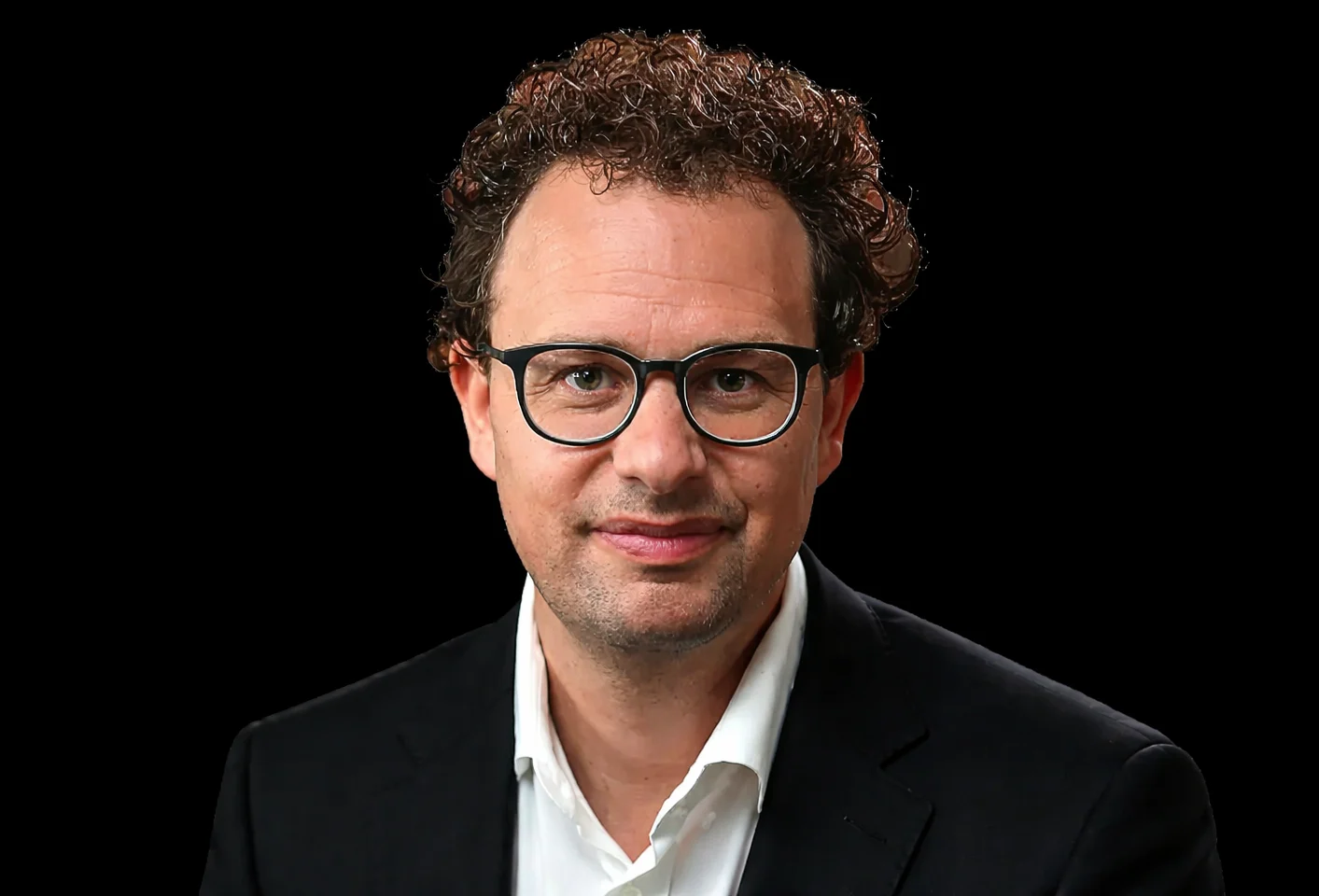
Dario Amodei, a name now intrinsically linked with the ascent of artificial intelligence and the critical dialogue surrounding its safety, has followed a path that is as much defined by his profound scientific curiosity as it is by the powerful influence of his family and a significant personal tragedy. He is an Italian American physicist, AI scientist and entrepreneur who has become one of the most visible advocates for a cautious yet ambitious approach to the development of powerful AI systems. His work has cemented his position as a central figure in the contemporary technological landscape.
Born in San Francisco in 1983, Amodei’s formative years were spent in a home environment that fostered a deep sense of social responsibility and a principled worldview. His background is a blend of cultures; he grew up with an Italian father and a Jewish mother. His mother, Elena Engel, worked on renovation and construction projects for libraries in Berkeley and San Francisco, embodying a commitment to public resources and community. His father, Riccardo Amodei, was a trained leathersmith. Dario speaks of his parents with great affection, noting that they imparted to him a clear sense of right and wrong and an understanding of what truly mattered in the world, successfully imbuing a strong sense of responsibility that would later guide his professional ethos.
His early intellectual life was dominated by a fascination with the objective certainty of mathematics and physics, a stark contrast to the subjectivity he observed in other fields. He has mentioned in interviews that this childhood preference for pure, foundational science was a starting point, a point of departure that seemed a world away from the subjective nature of human opinion. This dedication to fundamental scientific truth was so strong that the dot-com boom occurring around him during his high school years barely registered. The idea of “writing some website,” as he put it, held no interest compared to the lure of discovering foundational scientific principles.Amodei’s educational trajectory began at the California Institute of Technology before he transferred to Stanford University, where he earned a Bachelor of Science degree in physics in 2006. His scholarly pursuit then led him to Princeton University for his doctoral studies. It was here that a watershed moment occurred, indelibly changing the course of his research and his life.
Developing GPT-2 and GPT-3 at OpenAI
In his early twenties, while at Princeton, Dario faced the profound loss of his father, Riccardo, who passed away in 2006 after a long battle with a rare illness. This deeply personal tragedy was a pivotal moment. The experience revealed a stark contrast: within four years of his father’s passing, a medical breakthrough turned the previously highly fatal illness into one that was nearly curable.
This revelation left him with a deep-seated feeling that the cure, while ultimately found, could have been discovered sooner, saving more lives. It instilled in him an urgent appreciation for the acceleration of scientific progress. He subsequently shifted his graduate focus from theoretical physics to biophysics and computational neuroscience, pivoting towards research that addressed human illness and biological problems, an intellectual move directly motivated by his father’s memory and the urgency of scientific advancement.
This period of academic work was highly successful, culminating in a PhD from Princeton in biophysics. His thesis explored the collective behaviour of neural circuits, a topic combining physics, biology, and high-level computation that would prove foundational for his later work in artificial intelligence. He also completed a postdoctoral fellowship at the Stanford University School of Medicine, applying mass spectrometry techniques to the cellular proteome and cancer biomarker research.
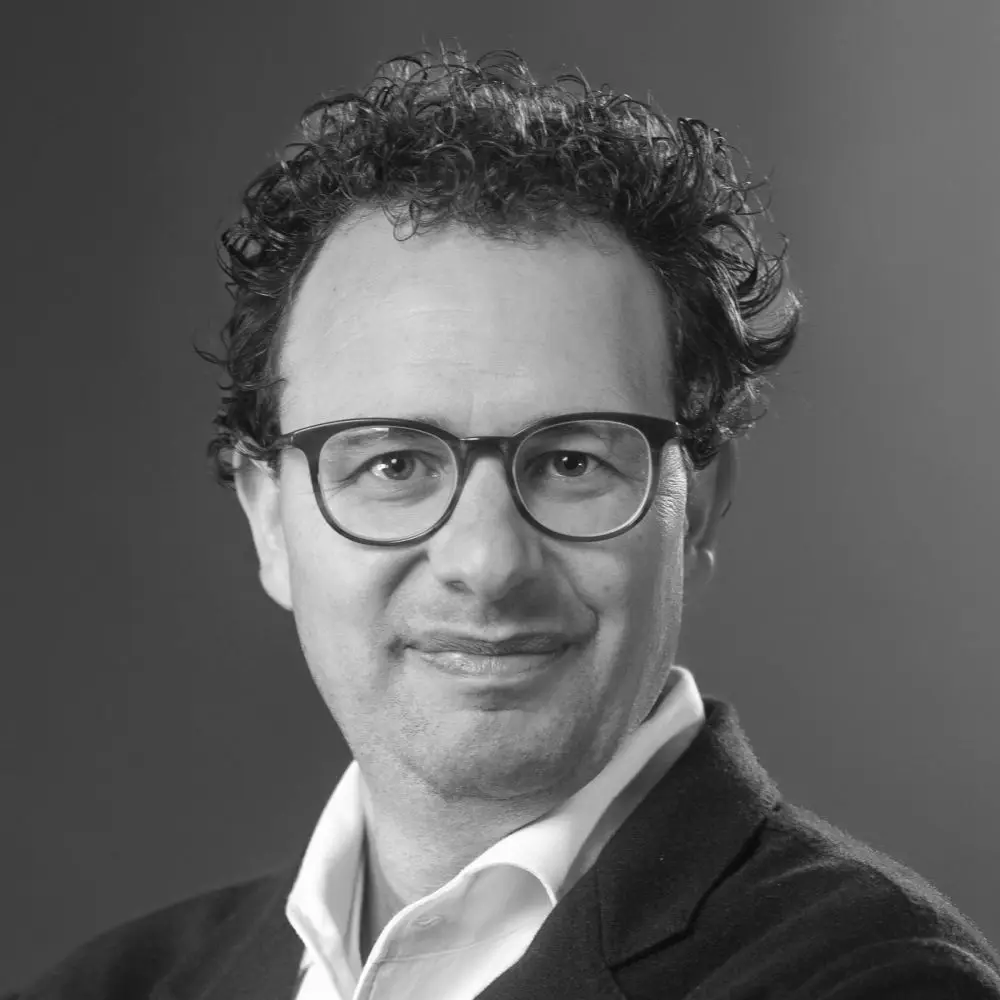
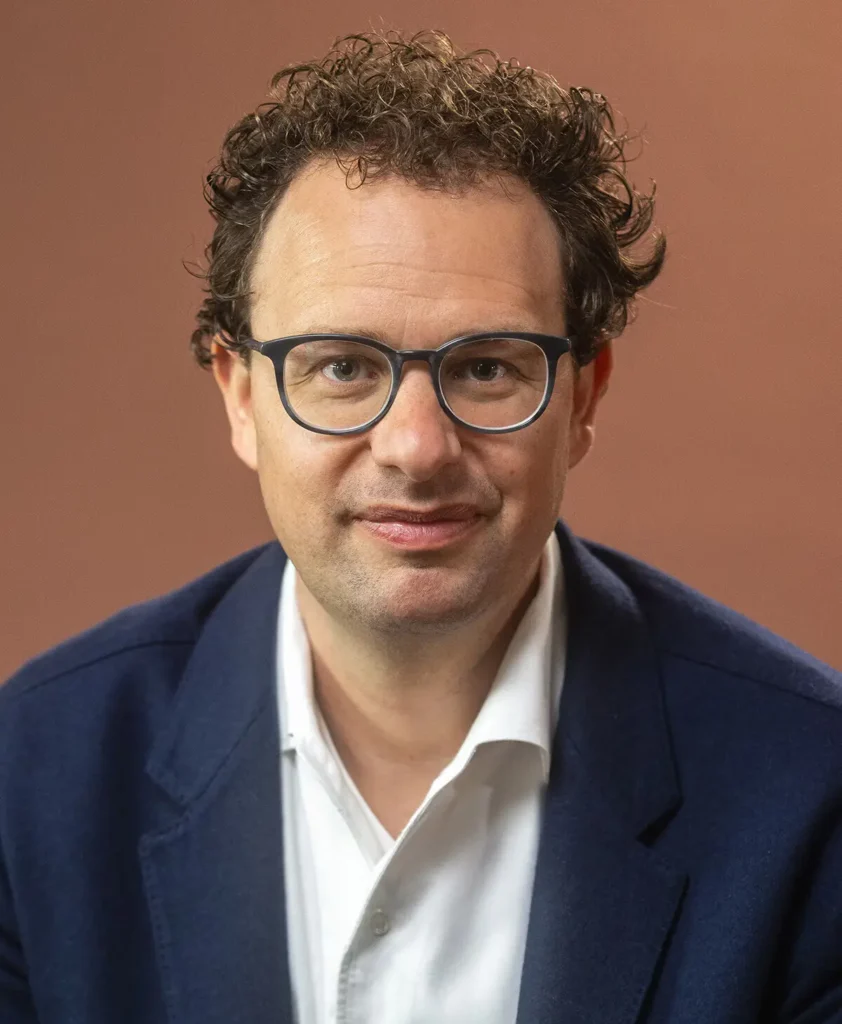
The burgeoning field of AI, with its potential to exponentially increase human capability and research speed, eventually captured his attention. He saw in the emerging technology a potential force that could “bridge that gap” and bring about scientific breakthroughs beyond human scale, perhaps speeding up the kind of medical discoveries that could have saved his father. Though he felt he was arriving “late to the field” in 2014, his unique background allowed him to quickly become a central figure. He worked at Baidu and Google, contributing to the Google Brain team as a senior research scientist, where he focused on deep learning and co-authored an influential paper on concrete problems in AI safety.
Co-founding Anthropic for Safety and Alignment
This work in safety was a precursor to his significant tenure at OpenAI, which he joined in 2016. There, he quickly ascended to the role of Vice President of Research, during which time he was instrumental in setting the overall research direction and leading the development efforts for the groundbreaking large language models, GPT-2 and GPT-3. This work firmly established his reputation as a pioneer in scaling AI systems, a concept that underpins the current boom in the field. He is also credited as a co-inventor of reinforcement learning from human feedback, a key technique for aligning AI behaviour with human values.
His dedication to safety, however, was not universally shared within OpenAI, leading to a professional divergence. Driven by a fundamental belief that increasing computing power inevitably leads to more capable models and that safety and alignment must be paramount, Amodei left the company in 2021. This monumental decision was not a solitary one. He departed with a group of colleagues, including his younger sister, Daniela Amodei, who had also held a leadership role at OpenAI as Vice President of Safety and Policy.
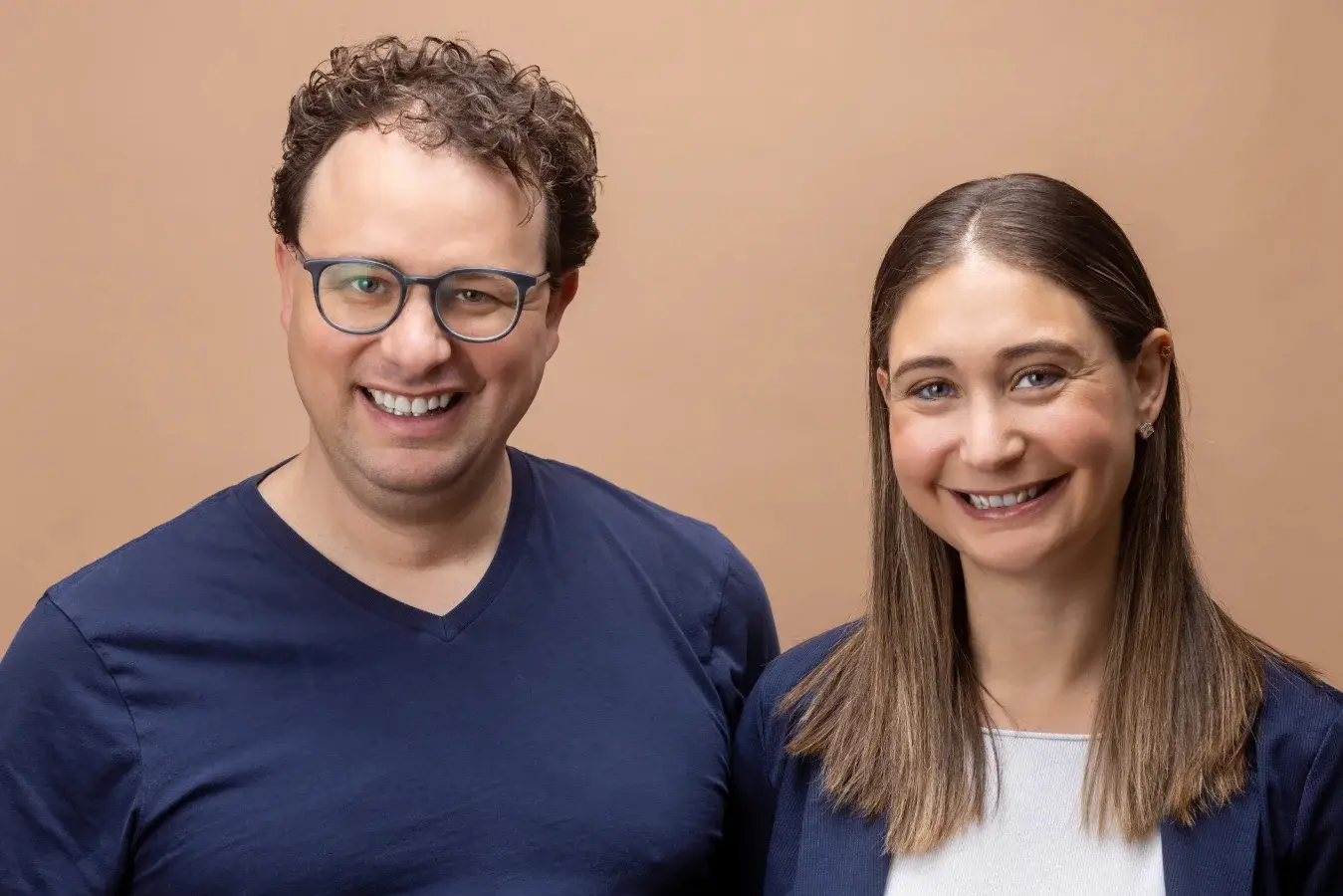
The Amodei siblings’ close personal and professional bond is a remarkable feature of the AI world. Daniela, whose own background is a testament to interdisciplinarity with degrees in English Literature, Politics, and Music, brought a perspective rooted in policy, ethics, and social impact from her earlier work in non-governmental organisations. Together, they co-founded Anthropic, establishing it as a public benefit corporation with a clear, overriding mission: to develop safe, controllable, and interpretable AI systems.
Introducing Claude, a New Generation of AI
The foundation of Anthropic was not merely a business venture but a principled stand, prioritising an urgent, empirical approach to AI safety. The company’s culture, partly shaped by Dario’s distinctive leadership style, is noteworthy. He fosters strategy and internal debate through extensive, essay-style messages on the internal communication platform, sparking detailed written discussions that become a transparent, historical record of the company’s evolution. This deliberate, considered approach stands in contrast to the often chaotic, fast-paced meeting culture of Silicon Valley, reflecting the serious, long-term nature of Anthropic’s mission. Under his guidance, the company has rapidly introduced its flagship Claude series of AI assistants and has committed to institutional safety measures proportionate to the risks of new models, setting a new benchmark for responsibility in the industry.
In his 2024 essay, Machines of Loving Grace, Amodei outlined an optimistic yet guarded vision for AI’s potential, arguing for a focus on risk mitigation as the necessary path to unlocking radical benefits for human welfare. His advocacy is clear: he is not a “doomer” who wishes to impede progress but an individual acutely aware of the time-sensitive nature of scientific potential, a lesson learned from his family experience. His outspokenness on the dual nature of AI, both its immense upside and its potential for catastrophic risk, has positioned him as one of the most essential voices shaping the future of responsible technological development.