Business

Dona Bertarelli
Business

Dona Bertarelli, A Life of Velocity, Value & Vocation

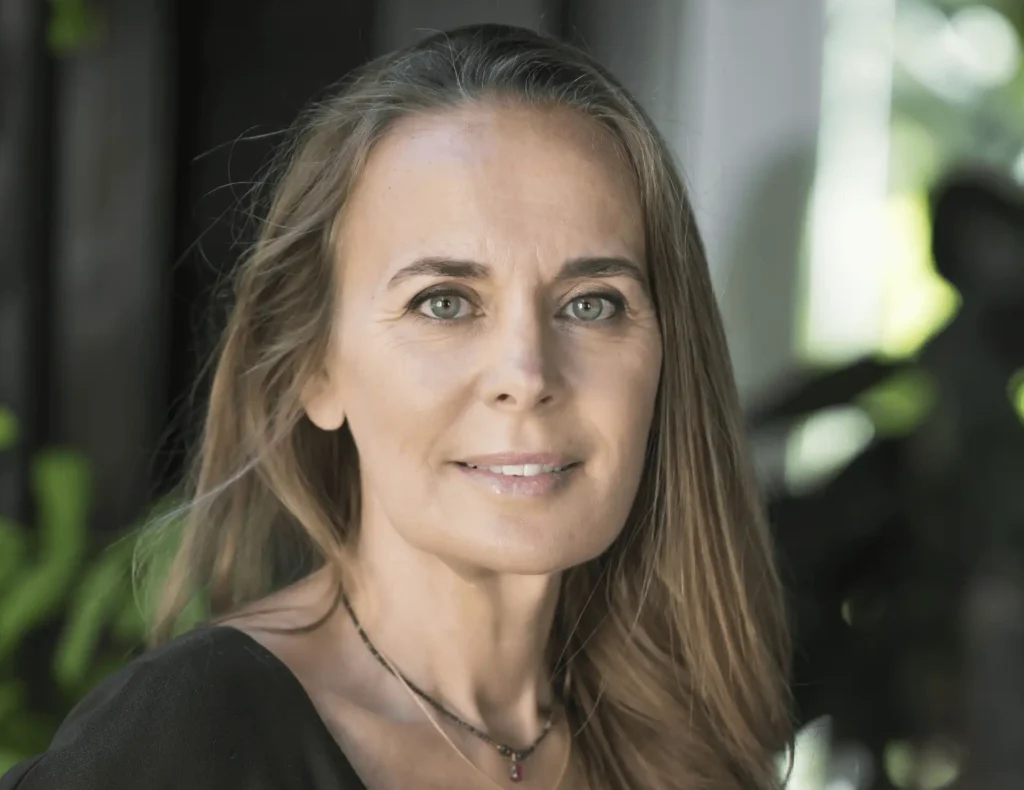
Dona Bertarelli A Life of Velocity, Value & Vocation By Peter Davis Dona Bertarelli is a Swiss entrepreneur, philanthropist, and dedicated ocean advocate whose remarkable life blends high-stakes business, record-breaking competitive sailing, and a profound commitment to environmental conservation. Born in Rome, Italy, in 1968, her influence is felt across multiple global sectors, all driven by a powerful sense of purpose. The foundation of Dona Bertarelli’s story lies with the family’s biotechnology company, Serono, which was founded in Rome in 1906. Along with her brother, Ernesto Bertarelli, she inherited the company, which grew to become a leader in the field, particularly known for its pioneering treatments for female infertility. Dona was actively involved in the business, serving as Executive Director, Public and Professional Affairs from 1992 to 1997. During this time, she established the Serono Symposia and the Serono Foundation, driving the company’s philanthropic and educational initiatives. The family sold Serono to the German drugmaker Merck KGaA in 2007, and since then, Dona has focused on managing her investments, which include luxury hospitality assets such as the five-star Grand Hôtel Park in Gstaad and the acquisition of the Italian fashion brand Fiorucci. From Helmswoman to Ocean Advocate Bertarelli’s lifelong passion for the sea evolved into a formidable competitive sailing career. Since 2007, she has raced with her professional team, Sails of Change (formerly Spindrift Racing), which she co-founded with her husband, Yann Guichard. Their racing fleet is used as a highly visible platform to promote their environmental mission, notably carrying the ’30×30′ message, which calls for the protection of at least 30% of the earth and the ocean by 2030. Her sailing achievements are numerous and impressive. She became the first helmswoman to win the prestigious Bol d’Or Mirabaud on Lake Léman in 2010, a victory she repeated in 2014. She also secured two victories in the Rolex Fastnet Race. Her most iconic achievement came in the winter of 2015-2016 during a Jules Verne Trophy challenge, a non-stop, unassisted circumnavigation of the world aboard the maxi-trimaran. While the team narrowly missed the overall record, Dona Bertarelli earned the title of the fastest woman to sail around the world. Her experience on the world’s oceans solidified her dedication to their protection, making her an ocean advocate first and a sailor second. “The ocean needs us now, and what we do in the next five to ten years will decide the fate of our marine ecosystems and, ultimately, our own.” Driving Global Marine Conservation Dona Bertarelli’s philanthropic work, primarily focused on ocean conservation, has become her central mission. She is the Co-chair of the Bertarelli Foundation, which she helped shift to prioritize marine protection alongside life sciences. She is a co-founder of the Pew Bertarelli Ocean Legacy, which partners with The Pew Charitable Trusts to establish large-scale, highly protected marine areas. This work has led to the safeguarding of millions of square kilometers of ocean globally. Demonstrating a business-minded approach to philanthropy, she supported the government of Ecuador’s 2023 debt-for-nature conversion, the largest such deal to date, to secure funding for the perpetual protection of the Galápagos Islands’ marine ecosystem. Recognized for her leadership, Dona Bertarelli served as the Special Adviser for the Blue Economy for the United Nations Conference on Trade and Development (UNCTAD) and is a Patron of Nature of the International Union for Conservation of Nature (IUCN). She has also founded Global Fishing Watch Marine Manager, a technology portal created to help transform the management of marine protected areas. Through these roles, she champions the idea of a sustainable blue economy, promoting the responsible and regenerative use of marine resources to support both economic growth and ecosystem health. Her commitment to conservation has earned her high honors, including the Prince Albert I Grand Medal and the distinction of Knight of the National Order of the Legion of Honour of France. Dona Bertarelli’s career is a testament to the power of using personal success as a springboard for global good. She embodies the rare fusion of a driven entrepreneur and a passionate adventurer, translating her accomplishments on the water into a powerful voice for environmental action. “Sailing connects you with nature in the purest way. When you are out there, you realize how small you are and how much we need to protect this beautiful, fragile world.”

Dongmi Choi
Business

Dongmi Choi, Redefining Modern Leadership Through Purpose and Presence

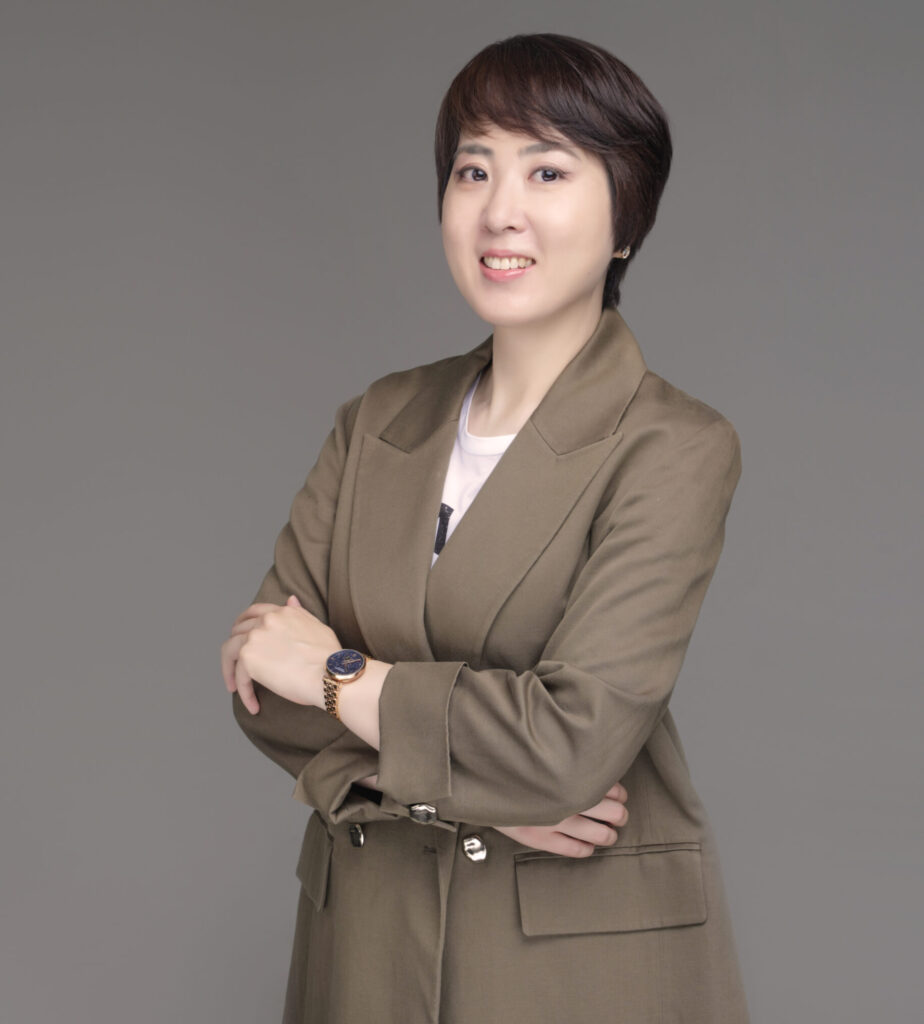
Dongmi Choi Redefining Modern Leadership Through Purpose and Presence By Indira (Anju) Thawani With a calm confidence and a thoughtful gaze, Dongmi Choi embodies the kind of leadership that feels both contemporary and timeless. Her presence commands attention not through volume, but through clarity, precision, and intent. Over the years, she has become known for her work at the intersection of business strategy, leadership development, and personal transformation, reminding professionals that real influence begins within. For Dongmi, the foundation of success starts with a single question: “Why?” She often speaks about how early in her career she realized that purpose must come before ambition. “I’ve always believed that real impact happens when you combine authenticity with action,” she says. “When you understand the ‘why’ behind what you do, your decisions become clearer, your leadership becomes stronger, and your relationships become more meaningful.” Her approach is grounded yet visionary, practical yet deeply reflective. When asked what advice she offers to those navigating uncertainty in their careers, she smiles and says, “Start with your question. Ask yourself what makes you come alive.” For her, purpose isn’t a destination. It’s a compass. The more you align your work with that inner clarity, the more naturally your impact grows. She also speaks passionately about leadership presence and personal branding, two concepts she believes are inseparable. “Leadership presence,” Dongmi explains, “is how you carry yourself when no one’s watching. Your personal brand is how people talk about you when you’ve left the room. Both come from consistency, integrity, and clarity of intent.” It’s a refreshing reminder that in a world obsessed with visibility, it is often the unseen discipline and sincerity that build enduring trust. Her work transcends titles and accolades. Dongmi doesn’t define herself by status, but by the ripple effect of her influence. Whether she is mentoring executives, helping founders refine their vision, or guiding young professionals toward purpose, she brings the same blend of empathy, strategic insight, and grounded wisdom. Her message is not about perfection. It’s about alignment. Dongmi’s philosophy of leadership rests on three pillars: authenticity, intentionality, and connection. She believes that leadership is not about commanding authority, but about inspiring belief. “We all have the power to influence,” she says, “but influence without clarity can easily turn into noise. The most lasting kind of leadership is born from care and consistency.” In a business culture often driven by speed and spectacle, Dongmi Choi stands out as a leader of reflection. She doesn’t chase trends or titles; she cultivates purpose. Her conversations carry a stillness that invites you to think more deeply, to question more honestly, and to lead more humanly. There’s power in the pause, she reminds us, because that’s where true understanding begins. As our conversation draws to a close, her final words echo with a quiet authority: “Every impression matters. But the most important one is the one you make on yourself. When you respect your own story, others will too.” That sentiment captures the heart of Dongmi’s philosophy, a vision of leadership that values meaning over metrics, integrity over image, and presence over performance. Through her guidance, her speaking, and her own example, she is reshaping how modern professionals define success. Dongmi Choi’s journey continues to expand, touching industries, teams, and individuals who are ready to lead with intention. In a world that often celebrates speed, she teaches the value of stillness. In an era that prizes visibility, she honors authenticity. Her legacy is one of alignment, a living testament to the idea that real leadership is not about being followed, but about being remembered for the clarity, purpose, and humanity you bring into every space you enter.

Mustafa Suleyman
Business

Mustafa Suleyman A Humanist Architect of Ethical AI

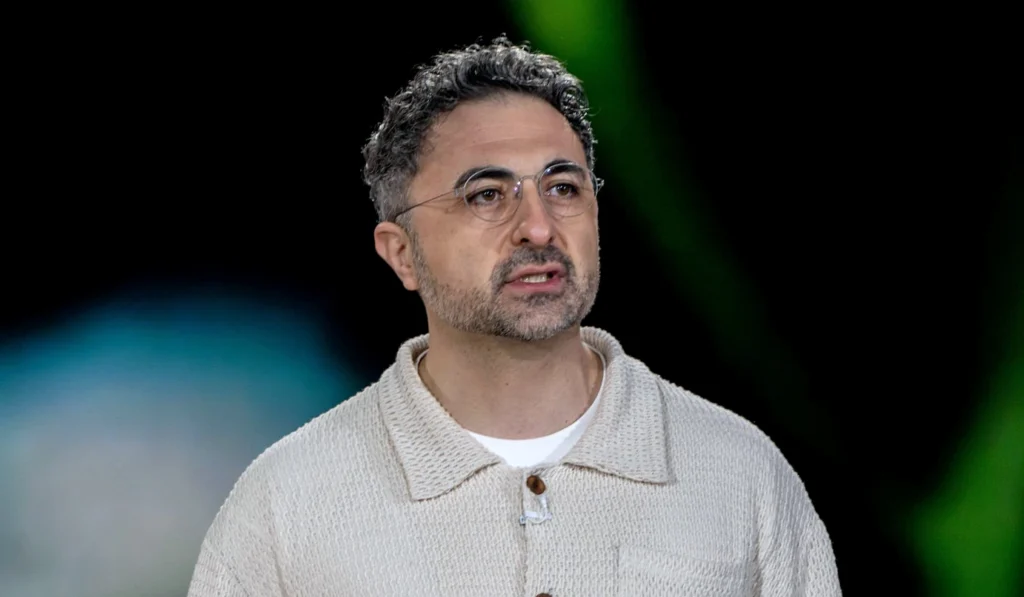
CEO OF MICROSOFT AI Mustafa Suleyman A Humanist Architect of Ethical AI By Jane Stevens Mustafa Suleyman has emerged as one of the most important voices in the global conversation on artificial intelligence, a visionary leader whose journey from community activism to the helm of Microsoft’s AI division reflects a rare combination of technical foresight, entrepreneurial daring, and an unwavering moral compass. His story is not just about building some of the world’s most influential AI companies, it is about shaping the relationship between humanity and technology at a time when that relationship is increasingly redefining the future of societies, economies, and individual lives. Born in North London in 1984, Mustafa grew up in a multicultural household, the son of a Syrian taxi driver and an English nurse. These humble beginnings played a profound role in shaping his worldview. From an early age, he developed a strong sense of empathy and responsibility, qualities that would later influence his career and his insistence that technological progress must serve human needs. His educational path began at Queen Elizabeth’s School in Barnet, and he later attended Mansfield College at Oxford University, where he studied philosophy and theology. However, at 19 he made the bold decision to leave Oxford before completing his degree, choosing instead to engage directly with the world beyond the lecture halls. It was a decision that would mark the beginning of a career built on action, innovation, and fearless risk-taking. Mustafa’s first major venture reflected his commitment to community service and mental health awareness. He co-founded the Muslim Youth Helpline, a telephone counseling service for young people that soon became one of the largest mental health support services of its kind in the United Kingdom. This work gave him direct exposure to the struggles faced by young people navigating identity, faith, and society, and reinforced his conviction that meaningful impact comes from meeting real human needs rather than abstract theory. His journey continued when he served as a human rights policy officer for the Mayor of London, where he worked on pressing social issues, and later when he co-founded Reos Partners, a consultancy dedicated to resolving deep-rooted social challenges through dialogue and systems thinking. These early roles combined activism, governance, and problem-solving, laying the ethical foundation for what would later become his transformative work in artificial intelligence. In 2010, Mustafa Suleyman joined forces with Demis Hassabis and Shane Legg to co-found DeepMind Technologies, a London-based artificial intelligence company that would soon redefine the global AI landscape. At DeepMind, Mustafa served as Chief Product Officer, helping to shape the company’s research into applied breakthroughs with real-world utility.  His focus was not only on technical achievement but also on ensuring that the work aligned with social responsibility. In 2014, DeepMind was acquired by Google in one of the largest European tech acquisitions to date, a deal that propelled the company into the global spotlight and brought its innovations to a far wider stage. Following the acquisition, Mustafa became Head of Applied AI at DeepMind, where he led a number of pioneering projects. Among them was DeepMind Health, an initiative that worked with the United Kingdom’s National Health Service to apply artificial intelligence in clinical practice. He also oversaw the development of systems that reduced the energy consumption of Google’s massive data centers by up to 40 percent, demonstrating how AI could make a tangible contribution to sustainability. Equally significant was his establishment of DeepMind Ethics and Society, a dedicated team designed to examine the broader implications of AI technologies and ensure that their deployment considered fairness, transparency, and long-term consequences. These initiatives reflected Mustafa’s belief that technology must be guided by ethical principles if it is to benefit humanity as a whole. After a decade at DeepMind and Google, Mustafa decided to embark on a new chapter. In 2022, he co-founded Inflection AI alongside Reid Hoffman. The company’s mission was ambitious yet deeply humanistic, to create artificial intelligence that felt more like a companion than a tool, capable of building lasting and meaningful relationships with users. Inflection launched Pi, a conversational AI designed to provide emotional support, thoughtful dialogue, and continuity in human interaction. Mustafa often described Pi as a potential “digital chief of staff,” a personal assistant that not only managed tasks but also served as a confidant and guide in daily life. The project exemplified his vision of AI as a partner rather than a replacement, one that could enrich human experience without diminishing human agency. In March 2024, Mustafa Suleyman was appointed Executive Vice President and Chief Executive Officer of Microsoft AI, a newly created division tasked with overseeing the company’s consumer-facing artificial intelligence products. This included responsibility for Copilot, Bing, Edge, and other platforms that bring AI into the lives of millions of users worldwide. At Microsoft, he has championed a vision of AI that emphasizes accessibility, trust, and long-term relationships between people and their digital companions. His leadership style balances the urgency of innovation with the caution of responsibility, pushing Microsoft to compete in the rapidly evolving AI sector while also foregrounding issues of ethics and user well-being. As Microsoft AI CEO, Mustafa has argued that conversational interfaces will soon be as transformative as the web browser, representing a paradigm shift in how humans interact with information. He sees AI not as a distant, science-fictional pursuit of artificial general intelligence but as an immediate opportunity to improve health care, education, climate action, and communication. Rather than chasing speculative notions of machines surpassing human intelligence, he advocates for a focus on “humanist superintelligence,” a vision of AI that augments rather than eclipses human potential. Beyond his corporate responsibilities, Mustafa Suleyman has become a global thought leader on AI governance, ethics, and the societal consequences of frontier technologies. His book, “The Coming Wave: Technology, Power, and the Twenty-First Century’s Greatest Dilemma,” became an international bestseller, offering a penetrating exploration of how rapidly advancing technologies could reshape power structures, economies, and even human identity. In it, he argues for

Sridhar Ramaswamy
Business

Sridhar Ramaswamy From Ad Tech Pioneer to AI Visionary

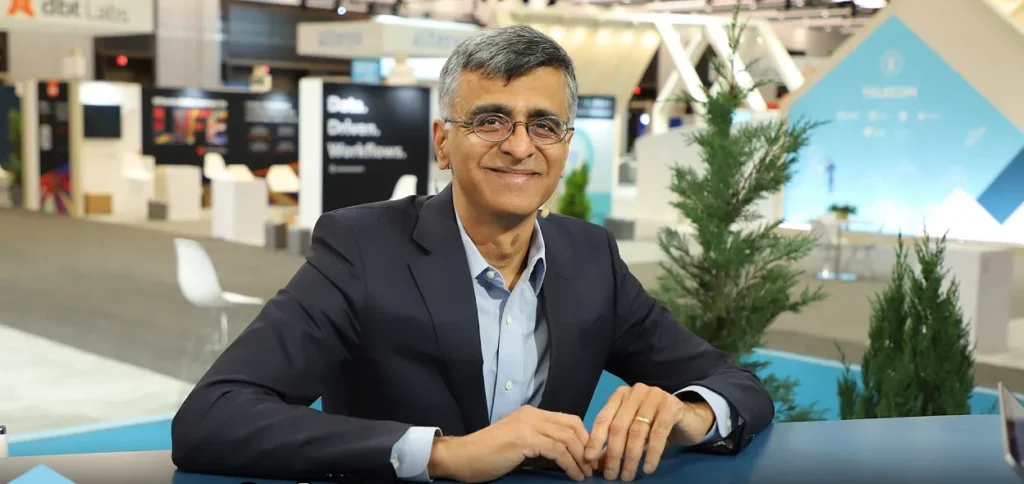
Sridhar Ramaswamy From Ad Tech Pioneer to AI Visionary By Jane Stevens Sridhar Ramaswamy’s story is not just about the rise of a technologist, it is about a man who has constantly reinvented himself in pursuit of building technology that serves people in better and more meaningful ways. Born in 1967 in the bustling city of Tiruchirappalli in Southern India, his early life was rooted in curiosity, discipline, and the value of education. From those beginnings, he carved out a path that would eventually take him across the world and into the center of some of the most important transformations in modern technology. His journey from a young student in India to the CEO of one of the world’s most influential data companies is a testament to resilience, vision, and the courage to rethink systems he once helped create. After completing his undergraduate studies in computer science at the Indian Institute of Technology Madras, Ramaswamy moved to the United States in 1989 to pursue advanced studies. At Brown University, he immersed himself in computer science research, earning both a master’s degree and a PhD by 1995. Those years gave him not only a foundation in databases and systems but also a way of thinking that combined rigor with imagination. His early professional career took him to Bell Labs, Lucent Technologies, and Bell Communications Research, where he worked on fundamental computing problems in environments that were rich with innovation. These formative years helped him develop a mastery of systems thinking and problem-solving, traits that would become the backbone of his career. In 2003, Ramaswamy joined Google at a pivotal moment. The company was rapidly scaling, and its advertising platform was still in its infancy. Starting as an engineer, he quickly climbed the ranks and over the course of 15 years became Senior Vice President for Ads and Commerce. In that role, he oversaw the growth of Google’s advertising business into a global powerhouse, generating tens of billions of dollars in revenue and shaping the internet economy as we know it. His work was deeply technical, involving distributed systems, real-time analytics, and complex algorithms, but it was also strategic, requiring him to balance the needs of users, advertisers, and the business itself. Yet even as he thrived at Google, Ramaswamy became increasingly aware of the tradeoffs inherent in an ad-supported internet. The acquisition of DoubleClick in 2007 brought with it an ever-deeper connection between relevance and identity, and over time he grew uneasy with how data-driven advertising had evolved. It was a realization that would eventually push him toward a new direction. In 2018, he stepped away from Google to explore opportunities outside the ad tech ecosystem, briefly working in venture capital before taking the leap into entrepreneurship. That leap resulted in Neeva, a subscription-based, privacy-first search engine he co-founded in 2019. Neeva was built around a simple idea, that search should serve the user and not advertisers. It was free from ads, designed with transparency, and focused on giving people control over their digital experience. Launching in 2021, Neeva gained recognition for reimagining search in a world dominated by ad-supported models.  Although the company was eventually acquired, its existence was a bold statement, proof that it was possible to rethink the fundamentals of the internet and push back against norms that had become entrenched. In 2023, Neeva was acquired by Snowflake, a company already known for its powerful cloud data platform. Ramaswamy joined Snowflake soon after, bringing with him not just technical expertise but a vision for how data and artificial intelligence could converge. In February 2024, he was appointed CEO, a role that placed him at the helm of a multi-billion-dollar company at a time when the technology landscape was shifting dramatically. As CEO, he has worked to accelerate Snowflake’s embrace of AI, transforming the company from a data warehouse into a true intelligence platform. He has overseen the launch of initiatives like Snowflake Cortex, a fully managed AI service that makes it easier and safer for companies to adopt AI at scale. His vision is clear, that data is not simply something to be stored but something to be activated, and that enterprises of all sizes should be able to harness the power of AI to make smarter decisions and create new opportunities. Outside of his executive roles, Ramaswamy has remained closely tied to academic and professional communities. He has served as a trustee at Brown University, contributed to the boards of technology companies, and been a guiding presence in organizations focused on advancing machine learning and privacy. Throughout these roles, one constant has been his belief that technology must not only solve problems but do so in a way that reflects trust, responsibility, and long-term benefit. His journey from an engineer at Bell Labs to an executive at Google, from a startup founder challenging the status quo to the CEO of Snowflake, reflects a pattern of curiosity, courage, and reinvention. He has never been afraid to walk away from success in order to build something new, nor has he shied away from questioning systems he once championed. That combination of technical mastery and human-centered leadership has made him one of the most compelling figures in technology today. What makes Sridhar Ramaswamy’s story especially meaningful is that it reminds us of the importance of values in technology. His career has not only been about scale, revenue, or innovation for its own sake. It has been about asking deeper questions, such as how technology affects trust, how business models shape user experience, and how companies can use data without eroding privacy. In a time when artificial intelligence is redefining the future, leaders like him show that progress can and should be guided by principle. The arc of his journey is extraordinary, from a young student in India fascinated by computing to a global executive shaping the future of AI and data. It is also profoundly human, marked by choices that reflect both ambition and conscience. As Snowflake advances under

Clara Shih
Business

Clara Shih Redefining Connection and Trust in the Age of Artificial Intelligence

Clara Shih Redefining Connection and Trust in the Age of Artificial IntelligenceHead of Business AI at Meta By Peter Davis A trailblazer in the ever-evolving landscape of technology, Clara Shih has navigated a path defined by foresight, entrepreneurship, and a profound understanding of how digital connectivity shapes human and business relationships. Her journey, which began with a childhood rooted in the immigrant experience, has led her to the forefront of the artificial intelligence revolution, making her one of the most influential figures in Silicon Valley today.  Born in Hong Kong in 1982, she moved to the United States at the age of four, a transition that instilled in her both a deep sense of adaptability and a drive for academic excellence. From her earliest years, she demonstrated a curiosity about the world and a rare ability to see connections others often missed. By the age of 15, she was already contributing to K-12 physics education at Fermilab, an extraordinary achievement that foreshadowed the intellectual rigor and ambition that would define her career. Clara’s academic foundation was built at the Illinois Mathematics and Science Academy, a public boarding school that has produced numerous tech pioneers. Here, she thrived not only in academics but also across a wide range of extracurricular activities, from tennis to orchestra, cultivating the discipline and balance that would serve her well in her professional life. During this time, she also founded the Camp Amelia Technology Literacy Group, a nonprofit dedicated to improving basic education in underserved communities through software. This early act of leadership reflected her belief that technology was not just about solving problems but about empowering people, a theme that would reappear again and again in her work. Her brilliance carried her to Stanford University, where she pursued computer science with unparalleled dedication. Clara graduated number one in her class, completing both a bachelor’s and a master’s degree in just over four years. At Stanford, she served as president of the campus chapter of the Institute of Electrical and Electronics Engineers, stood out as a Mayfield Fellow in a prestigious program she would later describe as a “mini-MBA on how to start a company,” and immersed herself in the culture of innovation that has long defined the university. From there, her intellectual pursuits took her across the Atlantic as a Marshall Scholar at Oxford University, where she earned a master’s degree in Internet Studies. It was the perfect discipline for the times, positioning her to understand not only the technical dimensions of the internet but also its growing cultural and economic significance. The professional chapter of Clara’s life opened with roles at some of the world’s most influential companies, including Microsoft and Google. In these formative experiences, she built a strong foundation in product strategy and corporate development, sharpening the skills that would later fuel her entrepreneurial and executive successes. But it was at Salesforce, during her early work as a founding product marketer on the AppExchange, that her visionary instincts crystallized.  As a side project, she developed an application on Facebook that allowed businesses to integrate profile data into their CRM tools, calling it “Faceforce.” This clever experiment was more than just a technical integration; it was an early signal of how social networks would reshape business relationships. The insight that businesses needed to understand and engage with customers through social platforms inspired Clara to write The Facebook Era: Tapping Online Social Networks to Market, Sell and Innovate, published in 2009. The book became a New York Times-featured bestseller and quickly emerged as a seminal guide for organizations navigating the social web.  It was adopted as a textbook at Harvard Business School, validating her role not only as a practitioner but also as a thought leader shaping how the business world thought about digital transformation. The book’s success propelled Clara into her next great venture: founding Hearsay Systems. Hearsay Systems emerged as a fintech SaaS company built on the very principles Clara articulated in her book.  Its mission was to help financial services and insurance professionals harness social media and digital communication tools while remaining compliant, enabling them to build authentic, one-to-one relationships at scale. Under Clara’s leadership as CEO, the company grew rapidly, eventually empowering over 150,000 advisors and agents worldwide with AI-assisted automation. The success of Hearsay caught the attention of global leaders, including Starbucks, which invited her to join its board of directors at just 29 years old.  Serving on the board for 12 years, Clara brought her expertise in digital strategy to one of the most recognizable brands in the world, influencing how Starbucks engaged with millions of customers in a new digital-first era. After more than a decade at the helm of Hearsay, Clara returned to Salesforce in February 2021, this time as CEO of its Service Cloud business. It was an enormous responsibility, leading a multibillion-dollar enterprise division, but Clara thrived.  Her leadership was marked by a clear focus on embedding artificial intelligence into customer service, positioning Salesforce as a forward-looking force in enterprise software. Soon, she transitioned to CEO of Salesforce AI, where she spearheaded efforts to push the boundaries of what business applications of AI could achieve. Among her most notable contributions was the development of Agentforce, a platform that enabled companies to build customized, autonomous AI agents to transform customer engagement.  At major industry events like Dreamforce, she became the voice of Salesforce’s vision for AI, articulating a future in which machines would not replace human connection but rather scale it in once impossible ways. Then came the bold move that once again underscored her instinct for being at the center of disruption. In late 2024, Clara announced her departure from Salesforce to join Meta Platforms, a decision widely seen as a coup for Meta and a testament to her growing stature as one of the leading voices in AI. At Meta, she was chosen to lead the newly formed Business AI group, where her mission is to leverage Meta’s immense reach and its powerful Llama AI

Marina Rybackova
Business

The Entrepreneurial Vision of Marina Rybackova An Innovator in Art

An Innovator in Art The Entrepreneurial Vision of Marina Rybackova By Peter Davis Marina Rybackova has carved a dynamic and influential path in the contemporary art world, standing out as a co-founder and leader dedicated to democratizing the art market and championing emerging talent. Through her work, she has not only built a platform for discovery but also introduced innovative models that challenge traditional gallery systems and make art more accessible to a new generation of collectors. Her journey is a testament to the power of entrepreneurial vision in a creative field, blending a keen understanding of economics and management with a passion for art and culture. At the heart of her career is ReA! Art Fair, a non-profit organization she co-founded in Milan. The fair’s central mission is to act as a crucial bridge between emerging artists and potential collectors, circumventing the need for traditional gallery intermediaries. In a market often perceived as exclusive and intimidating, Rybackova’s initiative has created a welcoming and transparent environment.  It is a space where artists can present their work directly, fostering a more personal connection with those who admire and wish to acquire it. This model provides a vital opportunity for artists who might otherwise struggle to gain visibility and for collectors who are eager to engage with new talent without navigating complex institutional structures. Since its inception, ReA! Art Fair has achieved remarkable success, a reflection of Rybackova’s strategic leadership and deep commitment. The fair has exhibited thousands of artworks and attracted a significant number of visitors, creating a vibrant hub for artistic exchange. Beyond just an exhibition, the organization provides educational programming that serves a wide audience, from aspiring artists to new collectors. This educational component is critical to its mission, as it helps to demystify the art world and empowers individuals to participate with greater confidence.  By fostering an inclusive approach to collecting, ReA! is not just a market, but a community, and this vision has helped them to introduce hundreds of collectors to new artists, cultivating a sustainable ecosystem for emerging creators. Rybackova’s influence extends beyond the fair itself. Her expertise and forward-thinking perspective on the art market are evident in her writings and public commentary. She has contributed articles that explore the intersection of art and technology, a topic of increasing importance in a rapidly digitizing world.  She writes with a clear-eyed view on the challenges and opportunities facing the industry, from the role of digital platforms in art valuation to the importance of sustainable practices. Her perspective is shaped by a dual educational background, holding a Master of Arts in Arts Management and a Master of Arts in Economics. This combination of creative insight and economic acumen provides her with a unique lens through which to analyze and innovate within the art market. She understands that art is not only a cultural asset but also a significant economic sector, and her work aims to make it more efficient and equitable. Her dedication and achievements have earned her significant recognition. She was named to the prestigious Forbes “30 Under 30 – Europe – Art & Culture” list, a clear acknowledgment of her impact as a young leader in her field. This honor highlights her role as a trailblazer, someone who is not merely participating in the art world but actively shaping its future. The art market is famously slow to change, and it takes a special kind of drive to challenge long-standing traditions.  Rybackova’s success is built on her willingness to do just that, creating a movement that prioritizes accessibility, direct connection, and support for the next generation of artistic voices. She represents a new wave of professionals who are redefining what it means to be an entrepreneur in the creative economy, proving that a non-profit model can be both impactful and innovative. Her work on the fair and her public discussions on the market are interconnected, as they both reflect a core belief in transparency and value. She recognizes the institutional barriers that can deter new talent and new buyers and has dedicated her career to dismantling them. The direct-to-collector model of ReA! is a powerful statement against gatekeeping and a vote of confidence in the artists themselves.  This trust-based approach is a refreshing alternative to a market that can often feel opaque. In an industry where pedigree and institutional approval often dictate success, Rybackova has built a system where talent and quality can speak for themselves. Her journey is not just a personal success story but a blueprint for how a new generation can engage with and revitalize a centuries-old industry, ensuring that art remains a vibrant and accessible part of our global culture.

Dr. Mark Hyman
Business

Dr. Mark Hyman The Functional Medicine Visionary Changing the Future of Healthcare

DR. MARK HYMAN THE FUNCTIONAL MEDICINE VISIONARY CHANGING THE FUTURE OF HEALTHCARE By Peter Davis In a world increasingly shaped by chronic illness and lifestyle-related diseases, few voices have resonated as powerfully, or as persistently, as that of Dr. Mark Hyman. A renowned physician, 15-time New York Times bestselling author, and leading advocate of functional medicine, Dr. Hyman has dedicated his life to reshaping how we understand health. His mission is simple yet revolutionary: to heal disease by addressing its root causes rather than merely treating symptoms. Through his clinical work, media presence, and influential platforms like Function Health and The UltraWellness Center, Hyman continues to pioneer a holistic, personalized approach to wellness that has captured the attention of both patients and professionals worldwide. Dr. Hyman’s early experiences in traditional family medicine and emergency care gave him an insider’s perspective on the limitations of conventional healthcare. He saw patients being prescribed medications without real answers, trapped in cycles of treatment that failed to address the core issues. This realization inspired him to dig deeper, to study nutrition, lifestyle, environment, and the complex biochemistry of the human body.  What he uncovered eventually led him to functional medicine, an emerging field focused on treating the root causes of disease through individualized care plans and integrative diagnostics. In 2004, he founded The UltraWellness Center in Lenox, Massachusetts, where patients would be treated as whole people, not a set of isolated symptoms. It was one of the first centers of its kind and has since become a model for integrative health practices.  In 2014, he brought this approach to the forefront of institutional medicine by establishing the Center for Functional Medicine at the Cleveland Clinic. This marked a significant moment of validation for functional medicine, bridging the gap between holistic care and mainstream healthcare systems. Yet Dr. Hyman’s influence extends far beyond the exam room. He is an outspoken public health advocate who has testified before Congress and consulted with national health leaders.  Through initiatives like the Food Fix Campaign, he is calling for systemic reform in agriculture and nutrition policy, arguing that our food system is at the heart of both our personal and planetary health crises. He believes food is the most powerful drug we have and that it should be used wisely to treat, prevent, and reverse chronic disease. One of his most forward-thinking endeavors is Function Health, which he co-founded to provide consumers with direct access to in-depth health diagnostics. This platform offers testing for hundreds of biomarkers, from hormones and vitamins to early cancer indicators, empowering people to understand and improve their health before disease takes root. With rapid growth, celebrity backing, and integration into major wellness ecosystems, Function Health is emblematic of Hyman’s vision: that everyone should have the tools to live not just longer, but better. Dr. Hyman’s voice also echoes through his bestselling books and top-rated podcast, The Doctor’s Farmacy, where he explores topics ranging from metabolic health to environmental wellness. His writing distills complex medical information into accessible, actionable advice. Titles like The Pegan Diet, Young Forever, and Food Fix have educated millions on how to transform their lives through food, lifestyle, and understanding their bodies. His “pegan” philosophy—a fusion of paleo and vegan principles, emphasizes nutrient-rich, whole foods with a flexible, balanced mindset, appealing to a wide range of dietary needs. Of course, as with any trailblazer, Dr. Hyman’s work hasn’t been without controversy. Critics have challenged some aspects of functional medicine, labeling it as unverified or outside the scope of evidence-based practice.  Hyman acknowledges these debates but points out that many modern health systems are failing in the face of rising rates of obesity, diabetes, and autoimmune diseases. His goal, he often says, is not to replace conventional medicine, but to evolve it—to take the best of modern science and marry it with timeless principles of nutrition, prevention, and patient-centered care. At the heart of Dr. Hyman’s work is a belief in systems. He sees the body as a system, the environment as a system, and society as a system and argues that real healing happens when we treat the whole. Whether working with underprivileged families to combat food deserts or advising Fortune 500 CEOs on how to optimize their longevity, his message remains consistent: that health is not a luxury, but a birthright, and that through informed choices, anyone can reclaim their vitality. As we face an uncertain future marked by health disparities, ecological strain, and an overburdened medical infrastructure, voices like Dr. Hyman’s are more vital than ever. His life’s work challenges us to think differently about medicine—not as a quick fix, but as a lifelong partnership with our bodies. By empowering individuals with knowledge, advocating for sustainable food systems, and pushing the boundaries of innovation in diagnostics, Dr. Mark Hyman is not just changing lives he’s helping redesign the future of health.

Clemente Del Vecchio
Business

Clemente Del Vecchio Inheritance, Identity, and the Quiet Ambitions of the Youngest Billionaire

Clemente Del Vecchio Inheritance, Identity, and the Quiet Ambitions of the Youngest Billionaire By Desk Reporter At just 18 years old, Clemente Del Vecchio captured global attention as the youngest billionaire in the world. The son of the late Italian eyewear titan Leonardo Del Vecchio, founder of Luxottica, Clemente inherited a sizable portion of a legendary business empire, making headlines across financial and lifestyle publications. But behind the numbers is a quiet young man who is still figuring out who he wants to become. In this rare and exclusive interview for Magnav Magazine, Clemente opens up about the realities of sudden fame, the responsibility that comes with vast inheritance, and how he is choosing to walk his own path with humility, curiosity, and long-term vision. Clemente greets us with quiet confidence, wearing a clean white shirt and no visible designer logos. It’s immediately clear he’s not interested in making a statement with style, but rather with substance. “It felt surreal,” he says, speaking about the moment he found out he had been named the world’s youngest billionaire. “One day I’m studying like any teenager, the next day my name is trending everywhere. It’s a lot to take in.” He reflects on the moment not with excitement or arrogance, but with an almost philosophical detachment. “You don’t ask for something like this. It happens, and then you spend a long time figuring out what it really means.” Clemente inherited a 4 percent stake in his late father’s holding company, which owns major shares in Luxottica, Essilor, and other businesses. With a net worth estimated in the billions, he could easily step into a world of power, yet he chooses not to rush. “I’m proud of what my father built. It’s an incredible legacy. But I also believe that who you are should not be solely shaped by what you inherit. Wealth is not identity. It’s a responsibility, and it’s a tool. It doesn’t define your character.” While some billionaire heirs eagerly join corporate boards or launch flashy ventures, Clemente has chosen a different route. For now, he is focusing on education, exploring his interests in science and technology, and planning his future with patience and care.“I’m drawn to systems thinking. I like understanding how things work, whether it’s a supply chain, a social network, or a natural ecosystem. I don’t know yet where that will take me, but I want to give myself the freedom to explore before I commit.” He’s currently considering university programs in Europe and the United States, aiming to blend business acumen with intellectual curiosity. Though he remains close to the Del Vecchio business empire, he does not feel pressure to step into a leadership role immediately. “If I ever do join the business officially, I want to arrive there with something valuable to offer, not just a famous last name.” He has quietly begun investing in luxury properties in Northern Italy and other parts of Europe. “Real estate is interesting to me. Not just for the asset value, but for what it teaches you about history, design, sustainability, and urban development.” Despite being worth billions, Clemente keeps a very low profile. He has no public Instagram account, rarely appears at elite events, and avoids the lifestyle of other young billionaires. Privacy, he explains, is a core value.“I enjoy being anonymous. I like having conversations that aren’t influenced by what people think I own. That’s how you build real friendships, and real trust.” But he is not blind to the opportunities and obligations his status brings. When asked about philanthropy, Clemente speaks with clarity and purpose.“I want to support causes that create long-term impact, not just temporary solutions. Mental health, education, and climate innovation are areas I’ve been learning about. I’d rather fund a small, effective initiative than start something flashy with my name on it.” He has already started speaking with experts in environmental protection and youth education. The goal is to learn, not to lead at least not yet.“I don’t have all the answers. I’m 19. But I do know that if I sit on this wealth and do nothing meaningful with it, that would be a waste.” When we bring up comparisons to other young billionaires, Clemente shrugs off the idea of competition.“I respect anyone trying to make a difference. This isn’t a race. Whether you inherit wealth or create it, the key is what you do with it. My benchmark isn’t a Forbes ranking. It’s impact.” He’s also remarkably self-aware about his privilege.“I didn’t build this. I was born into it. And I’m okay with that truth. What matters now is how I grow from here. I can’t change the past, but I can choose how I shape my future.” As for the pressure of carrying such a well-known family legacy, he remains grounded.“I’m not trying to replicate my father. I’m trying to be myself, while honoring the values he lived byintegrity, vision, discipline. I hope to bring my own interpretation of that legacy in time.” He ends the interview on a hopeful and humble note, speaking more like a thoughtful scholar than a global billionaire.“My journey is still just beginning. I don’t pretend to know where it will lead. But I do know I want to walk it with intention.” Clemente Del Vecchio represents a new generation of wealth: quiet, thoughtful, and deeply aware of both the privileges and responsibilities that come with inherited success. While many might expect the world’s youngest billionaire to live out loud, Clemente is choosing the path of purpose, patience, and personal growth. In a time when fame often overshadows substance, he is quietly shaping a future built not on entitlement, but on curiosity and care. Clemente isn’t rushing toward a public legacy he’s building a private foundation for one. And in doing so, he reminds us that true influence often begins not with a statement, but with stillness.

Icons of Influence: Women Reshaping Global Industries
Business, Lifestyle

Icons of Influence Women Reshaping Global Industries

Icons of Influence Women Reshaping Global Industries By Marina Ezzat Alfred With leadership’s definition shifting, women are increasingly taking on roles previously dominated by men. From politics and business to tech and the arts, female pioneers aren’t just shattering glass ceilings; they’re fundamentally changing the landscape of global industries. This piece looks at some truly inspiring women making a real difference, showing future generations that leadership isn’t about gender, and highlighting their remarkable achievements. Pioneers of Change Women are making huge strides in politics, shaping policies that impact countless lives. Take Jacinda Ardern, New Zealand’s former Prime Minister, for example. She’s earned worldwide praise for her compassionate leadership and decisive approach. Her handling of the COVID-19 crisis, plus her strong stances on climate change and children’s welfare, have made her a global icon. Then there’s Kamala Harris, the first female US Vice President – a monumental moment in American history. Her commitment to civil rights, immigration reform, and equal rights for women has truly inspired a new generation.  Harris’s success story perfectly encapsulates the wider trend of women rising to leadership positions and championing policies that benefit everyone. Redefining Corporate Leadership Women aren’t just players in the business world; they’re driving organizations to incredible new levels. Take Mary Barra, General Motors’ CEO, for instance. Under her watch, GM’s really embraced innovation and sustainability, especially with their push into electric vehicles and advanced tech. Barra’s vision of a greener future has completely reshaped GM and, honestly, set a new bar for the whole auto industry. Then there’s Ginni Rometty, IBM’s former CEO – another powerhouse. Rometty was key in shifting IBM’s focus to cloud computing and AI, guiding the company through a huge transformation. Her focus on diversity and inclusion within IBM also made it a real leader in corporate responsibility, proving successful leadership is about so much more than just profits. And let’s not forget the amazing women entrepreneurs making waves, like Whitney Wolfe Herd, who founded Bumble. By creating a dating app where women initiate contact, Wolfe Herd directly challenged traditional gender roles in dating and empowered women to take charge of their relationships. Her success? A powerful example of how female entrepreneurs are changing societal norms. Innovators at the Forefront Tech, often seen as a boys’ club, is actually bursting with amazing women who are completely changing the game. Take Reshma Saujani, the force behind Girls Who Code. She’s on a mission to level the playing field, teaching girls to code and mentoring them –  not just empowering future leaders, but making sure women have a real voice in building tomorrow’s tech. Then there’s Fei-Fei Li, a true giant in AI. As co-director of Stanford’s Human-Centered AI Institute, she’s pushing for ethical AI and really stressing the need for diversity. Her work shows how women can shape the very ethics of technology, making sure AI benefits everyone. And let’s not forget Susan Wojcicki, YouTube’s CEO. She’s been instrumental in YouTube’s massive success, turning it into a powerhouse for creators and a huge player in entertainment.  Wojcicki’s focus on diverse voices and a wide range of perspectives is a perfect example of the massive difference women leaders can make in tech. Cultural Catalysts Women in the arts are really breaking barriers and challenging what society considers normal, all through their amazing creativity. Take Ava DuVernay, for instance – a director and producer who’s become a seriously powerful voice in Hollywood. Her movies tackle tough issues like race, gender, and social justice, giving a voice to stories that don’t often get heard. DuVernay’s work isn’t just entertaining; it educates and sparks important conversations about critical social problems. Beyoncé’s another great example. She’s more than just a huge music star; she’s a cultural powerhouse. Her music and her charity work champion gender equality, racial justice, and mental health awareness. She brilliantly blends art and activism, completely changing how we see artists’ roles in society. It shows how influential artists can be, going way beyond the stage. And then you have artists like Yayoi Kusama and Tracey Emin, who are revolutionizing contemporary art with their incredibly unique styles and perspectives. Kusama’s immersive art installations and Emin’s intensely personal pieces challenge old-fashioned ideas about femininity and mental health, and they connect with people all over the world. Their work really underscores how vital female voices are in the arts, and how important diverse creative expression is. Broader Impact These women’s impact goes far beyond their individual fields; they’re completely changing how we see leadership and success, shattering stereotypes, and motivating others to chase their dreams. Their experiences remind us that leadership isn’t about gender, it’s about vision, grit, and the power to inspire real change. With more women reaching top positions, they’re paving the way for others. Programs supporting mentorship, education, and networking for women are really taking off, creating spaces where female leaders can flourish. Businesses are finally realizing that diversity isn’t just the right thing to do, it’s a smart move in today’s global marketplace. Powerful figures like Jacinda Ardern, Mary Barra, Reshma Saujani, and Ava DuVernay – to name but a few – demonstrate that women aren’t just involved, they’re driving forces shaping our world.  Their remarkable achievements span politics, business, technology, and the arts, inspiring countless others to aim high. While we celebrate these pioneers, let’s not forget the ongoing fight to ensure every woman has the chance to lead and make her mark. The path to gender equality and empowerment is still unfolding, but these women’s influence is a potent reminder of what’s possible when obstacles fall and voices are heard.

Livia Voigt The Silent Billionaire Redefining Legacy and Purpose
Business

Livia Voigt The Silent Billionaire Redefining Legacy and Purpose

Livia Voigt The Silent Billionaire Redefining Legacy and Purpose By Desk Reporter At just 19 years old, Livia Voigt holds a title that most would find unimaginable: the world’s youngest female billionaire. Yet, unlike others who wear wealth with flamboyance, Livia remains an emblem of quiet power, choosing to walk through life with humility, grace, and an unwavering commitment to personal growth. Heiress to a fortune built through WEG, one of Brazil’s most important multinational companies specializing in electric engineering and energy solutions, Livia’s presence on the global wealth radar came as a surprise even to her. Born in Brazil, Livia is the granddaughter of WEG co-founder Werner Ricardo Voigt, and her family’s name has long been linked with Brazil’s industrial rise. But despite her family’s accomplishments and her 3% stake in the multi-billion-dollar enterprise, Livia keeps an astonishingly low profile. While headlines scream her billionaire status, she quietly studies psychology at a Brazilian university, uninterested in the attention that often follows wealth and privilege. Her reaction to being listed by Forbes as the youngest billionaire was a mixture of disbelief and detachment. She views her title as a mere fact of circumstance rather than a defining aspect of her identity. While the world rushes to know who she is, she remains grounded in the simplicity of student life, keeping her social media presence non-existent and opting out of the public lifestyle that others in her position might embrace. Her connection to WEG, though financially significant, is not one of corporate control. She does not sit on the board, nor does she play an active role in daily operations. Her position is one of inherited legacy, not executive influence—at least not yet. What stands out about Livia is not just her wealth, but her refusal to let it shape the entirety of her narrative. Her focus lies elsewhere: in her education, her interests in human behavior, and in understanding the complexities of the mind. Livia’s desire to stay private is not a rejection of her heritage but a conscious decision to develop her own identity. In a world where every billionaire child seems to launch a brand, start a tech company, or build a media empire, she offers a different perspective. She’s not rushing to capitalize on fame, nor is she crafting a personal brand. Instead, she’s allowing herself the time and space to mature, to understand what matters most, and to align her values with her future decisions. Despite the shield of privacy, Livia is fully aware of the responsibility that comes with her fortune. She speaks with maturity about the weight of inherited wealth, acknowledging that it can be both a blessing and a burden. With power comes the opportunity to create impact, and while she has yet to embark on formal philanthropic endeavors, she is quietly learning. Her interests lie in areas like education equity, environmental sustainability, and especially mental health—an area deeply connected to her academic pursuits. There is no rush, she says. Her goal is to contribute sincerely, not superficially. What makes Livia compelling is not just her status but her philosophy. She does not see inheritance as achievement, nor does she assume that wealth equals worth. Instead, she approaches her position with introspection. She recognizes that while she didn’t build the WEG empire, she can still build a life and legacy of her own, one that adds value, depth, and meaning. That may not be through a business empire or a global foundation, not yet, at least—but through quiet learning, deliberate giving, and self-development. Even in her personal life, Livia demonstrates a maturity beyond her years. She’s conscious of how others perceive her, and she has experienced the subtle changes in how people behave when they learn of her financial status. For a young woman coming of age with a global spotlight trying to find her, she’s remarkably adept at drawing boundaries, protecting her energy, and staying true to her values. The notion of trust, authenticity, and meaningful relationships is at the core of her life philosophy. Looking forward, Livia envisions a life driven by curiosity rather than obligation. She sees herself possibly studying abroad, exploring other cultures, deepening her understanding of mental health, and building a network of likeminded thinkers and changemakers. She might step into a more active role at WEG one day or she might carve a completely different path. What matters to her is not following a script but writing one of her own. In a culture obsessed with visibility, Livia Voigt’s quiet power stands as a compelling counter-narrative. She shows that you can be rich without being loud, impactful without being famous, and driven without being pressured by others’ expectations. She embodies a new generation of wealth, one that values introspection over indulgence, authenticity over applause, and purpose over popularity. Livia’s story is still in its early chapters, but already she is redefining what it means to inherit a legacy. Her future may include business, philanthropy, academia, or perhaps something entirely unexpected. But one thing is certain: whatever she chooses to do, she will do it with intention, integrity, and a deep sense of self. And that may be the most powerful inheritance of all.

Scroll to Top