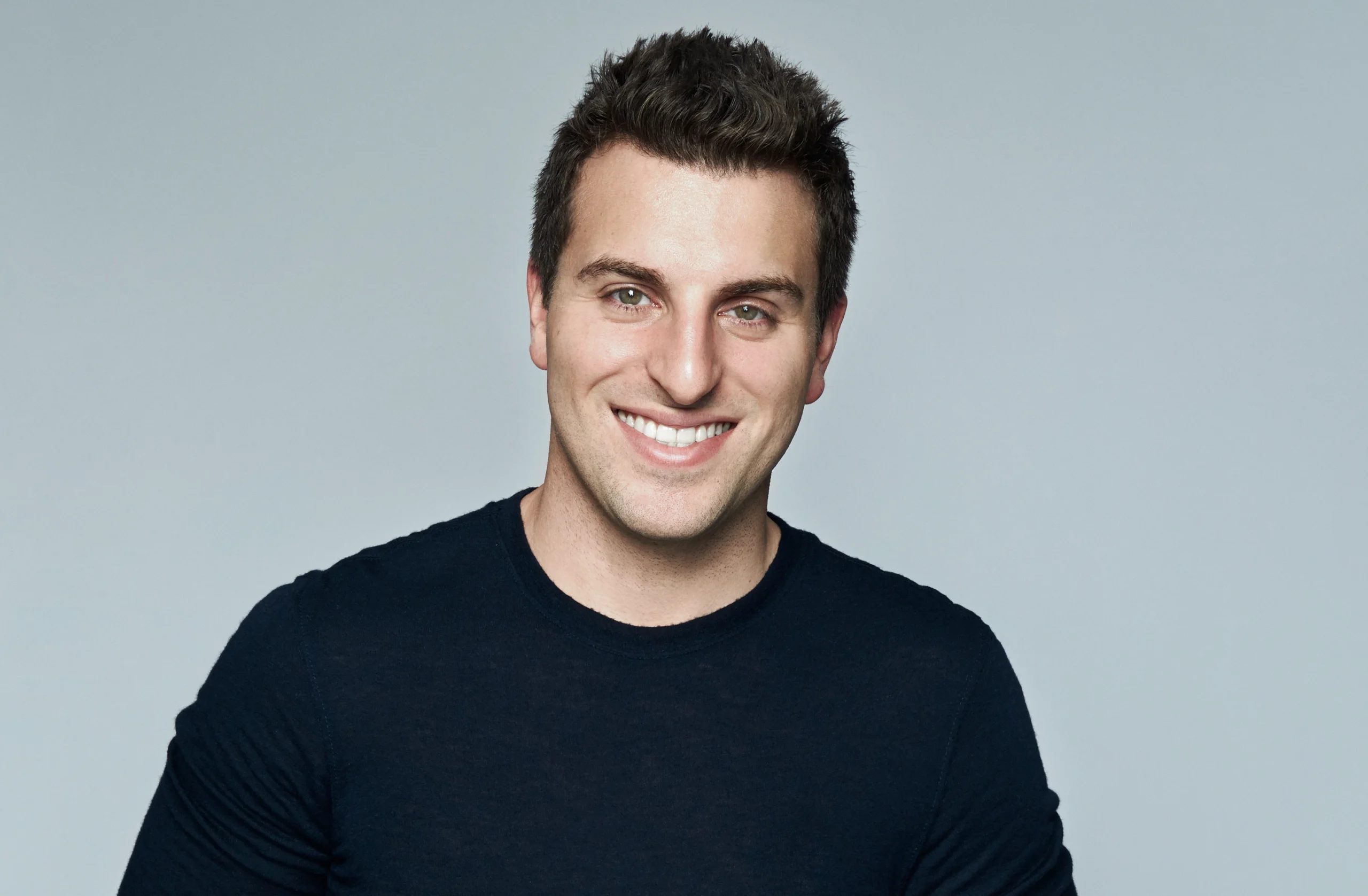
Brian Chesky
The Designer Who Turned Strangers Into Hosts & Built A Global Community
By Paul Smith
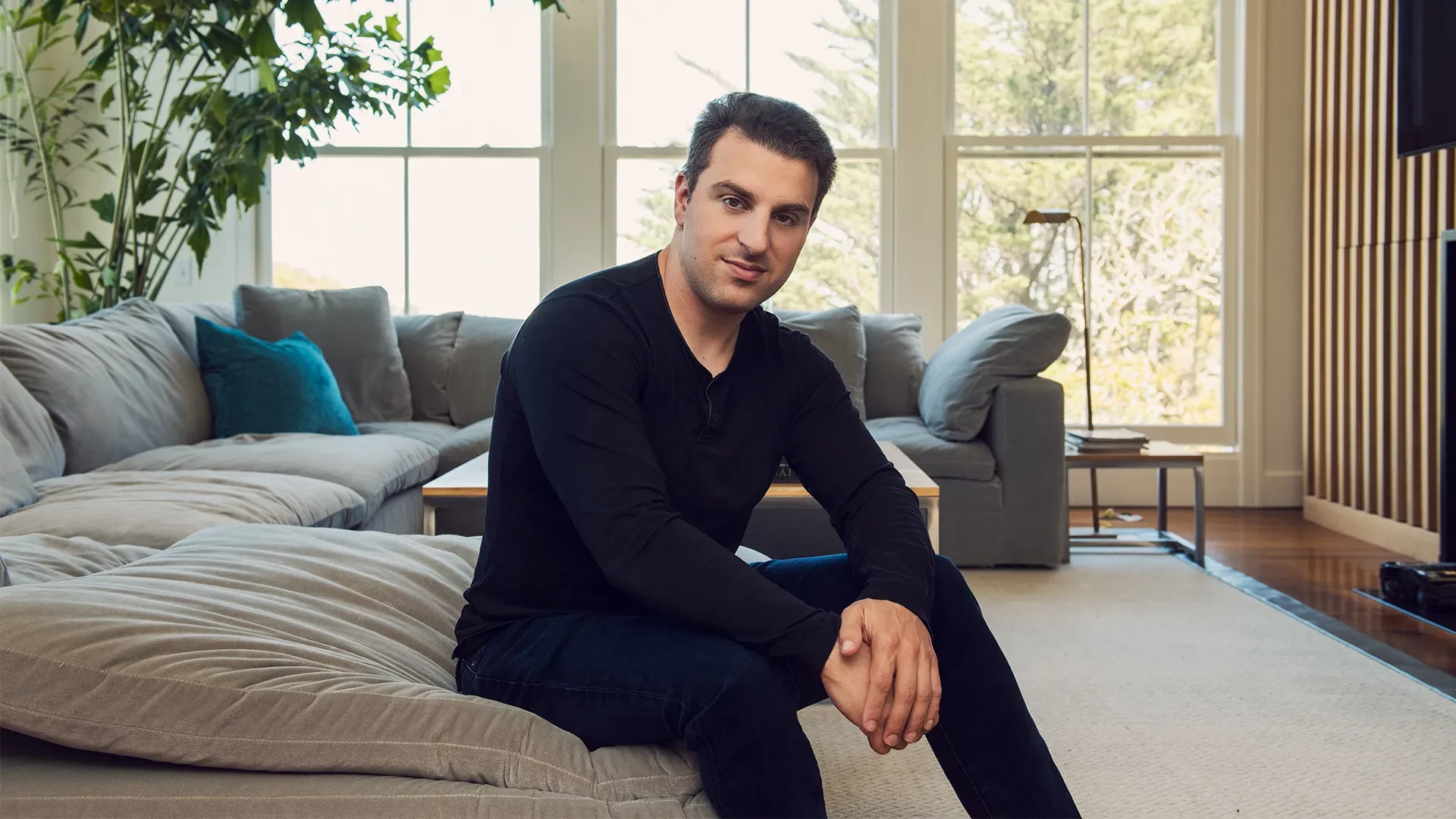
Brian Chesky, the co-founder and Chief Executive Officer of Airbnb, represents a rare breed of technology leader, one whose ascent to running a multi-billion dollar global corporation was guided not by a traditional engineering background or financial prowess, but by the deeply held principles of industrial design, a discipline he leveraged to redefine an entire industry and fundamentally alter the way millions of people travel and live. Born on the 29th of August 1981 in Niskayuna, New York, Chesky’s childhood was marked by a profound curiosity and an obsession with art and design. He was not the typical prodigy obsessed with coding, but rather a young man who saw the world as a canvas for improvement, taking pleasure in redesigning everything from toys to his neighbours’ backyards, demonstrating an early inclination towards problem-solving through a creative, human-centred lens.
His artistic passion led him to the Rhode Island School of Design, RISD, where he earned a Bachelor of Fine Arts degree in industrial design in 2004. This period was pivotal, shaping his worldview and solidifying the conviction that design was not merely about aesthetics, but about how things fundamentally work, a philosophy he often credits to the influence of designers like Charles and Ray Eames.
It was at RISD that Chesky met Joe Gebbia, a fellow design enthusiast who would become his closest friend and, crucially, his co-founder. After graduating, Chesky initially worked as an industrial designer, but the allure of entrepreneurship and the creative freedom of building something entirely new eventually drew him to San Francisco in 2007, where he reunited with Gebbia.
The legendary genesis of Airbnb is a classic tale of necessity breeding innovation. Chesky and Gebbia, struggling to afford the rent on their San Francisco apartment, noticed that local hotels were fully booked due to an industrial design conference. They conceived a simple, audacious plan, they would rent out three air mattresses on their living room floor to conference attendees, offering a home, cooked breakfast in the morning.
They set up a basic website, calling their service Air Bed and Breakfast. This desperate attempt to make rent in October 2007 was the unglamorous birth of a phenomenon, generating their first $240 and proving that a market existed for affordable, community-based accommodation that offered an authentic, local experience, something the traditional hotel industry simply did not provide.
The following spring, they enlisted Nathan Blecharczyk, a former roommate and technical architect, to join them, providing the essential engineering counterbalance to their design-focused vision. Despite a clever but ultimately unsuccessful attempt to raise seed money by designing and selling limited edition, political, themed breakfast cereals, Obama O’s and Cap’n McCain’s, their early business struggled to gain traction, a period of gruelling effort that nearly led them to close the company.

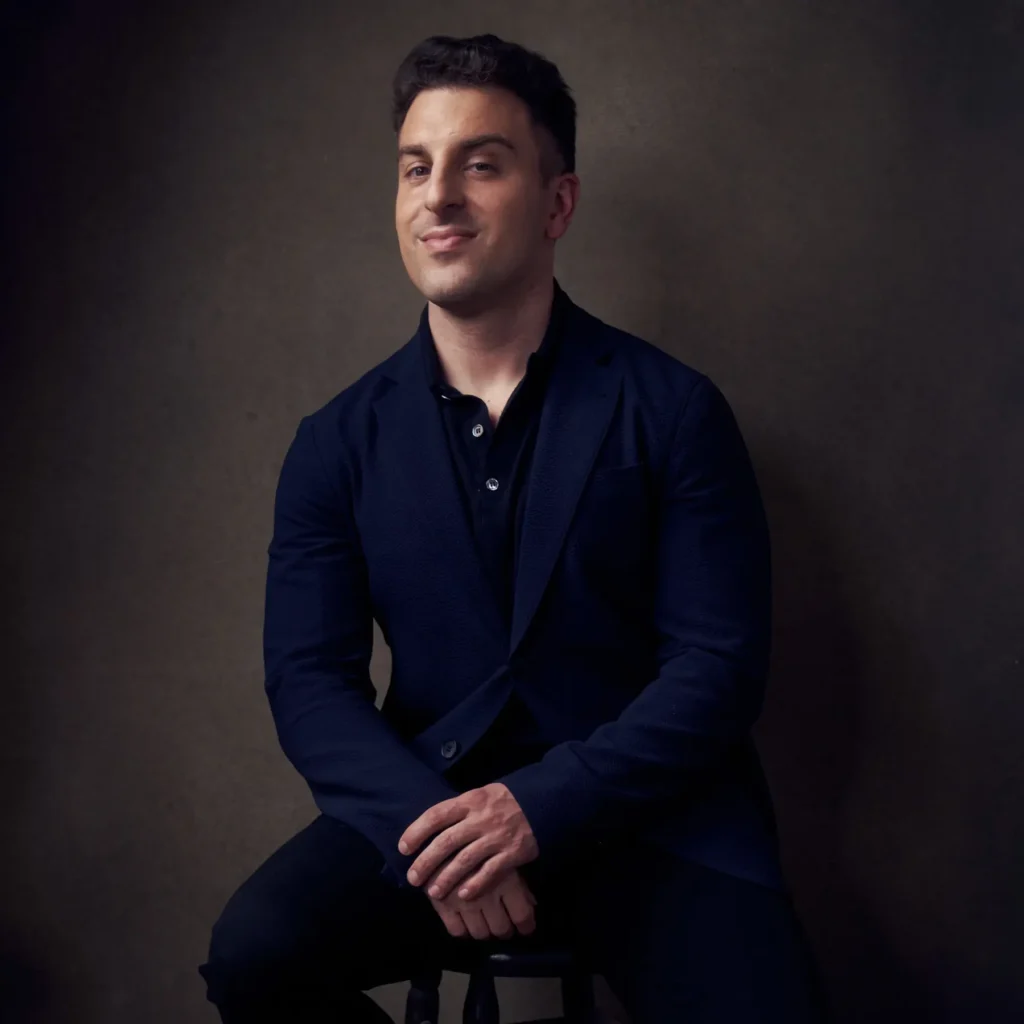
The turning point came in 2009 when they were accepted into the prestigious Y Combinator startup accelerator, an experience that would redefine their approach. It was Paul Graham, the co-founder of Y Combinator, who famously advised them to stop focusing on scaling prematurely and instead, do things that don’t scale, urging them to go to their users. Chesky and Gebbia travelled to New York, their largest early market, where they went door-to-door, meeting their hosts, staying in their properties, taking better photographs of their listings, and helping them improve their service, an intense, handcrafted effort that allowed them to understand the core customer experience in visceral detail.
This immersion, a technique more akin to ethnographic design research than traditional business development, provided the insights that allowed them to transform a flawed idea into a truly beloved product. Under Chesky’s leadership as CEO, Airbnb grew from those three air mattresses into a platform connecting millions of hosts and billions of guests globally, yet his design ethos remains at the heart of the company. He views Airbnb not just as a technology platform but as a system for trust between strangers, a system he has constantly refined and improved.
His design philosophy extends to the concept of the Eleven, Star Experience, a thought experiment where he pushes his teams to imagine an experience so magical and far beyond expectation that it generates powerful word-of-mouth growth, thereby simplifying the business to focus on creating extreme customer delight. He has long maintained that the CEO should be the Chief Product Officer, rejecting the conventional wisdom of delegation in favour of a deep, hands-on involvement in product design and the core customer experience, a leadership style that has been described as Founder Mode, where he remains relentlessly focused on the details that define the company’s output.
Chesky’s commitment to building a company based on a strong, positive culture, which he views as the machine that creates the product, has been tested by external crises, most notably the devastating impact of the COVID-19 pandemic on the travel industry. He navigated this existential threat by making tough, often painful, decisions, but always grounding his actions in the company’s values and its core mission, successfully pivoting the business model to focus on longer stays and nearby local travel.
Brian Chesky has done more than simply disrupt the hotel industry, he has used design thinking to unlock unused economic potential in homes and communities worldwide, fostering a sense of belonging and connection that transcends a mere transaction. He is a testament to the idea that the most profound business innovations often come not from the most complex technologies, but from leaders who possess the empathy, curiosity, and design discipline to relentlessly focus on the simple, human experience, building a global business one memorable stay at a time.