Ben Francis (Gymshark)
The Solitary Stitch of the Midlands Dream
By Afef Yousfi
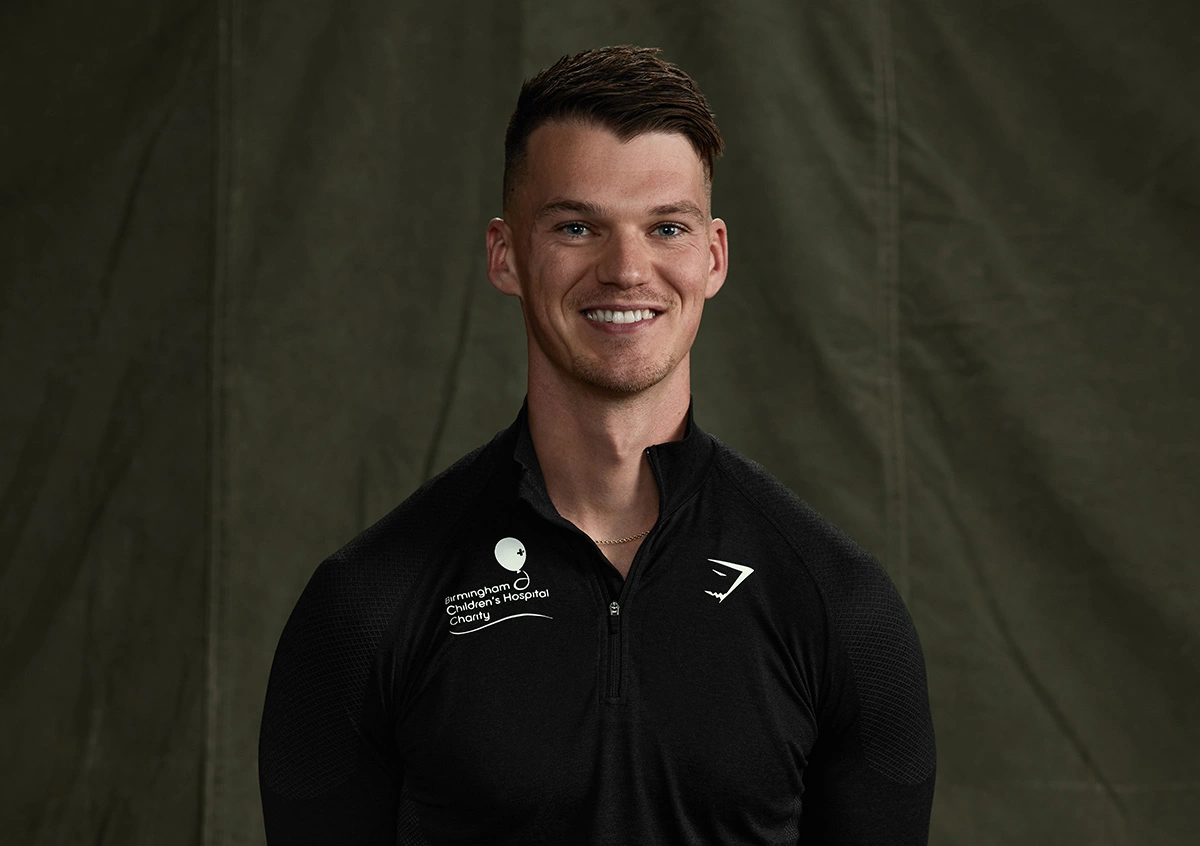
There is a specific kind of silence found in a garage in the West Midlands during the dead of a British winter, a damp and heavy quiet that smells of engine oil and ambition. Long before the global fitness industry became a digital behemoth of neon lights and polished aesthetics, there was a young man standing over a screen-printing machine, his hands stained with the ink of a future he had not yet fully articulated. Ben Francis did not begin his journey with the roar of a boardroom or the calculated coldness of a venture capital pitch. He began with the rhythmic, mechanical thud of a manual press, a sound that echoed the heartbeat of a region built on the grit of the Industrial Revolution. To understand the man behind the shark, one must look past the Forbes lists and the valuation figures and instead look at the texture of the fabric he first held between his fingers. It was never just about the clothes; it was about the fundamental human desire to belong to something larger than oneself while remaining entirely, stubbornly individual.
The narrative of the modern entrepreneur is often polished until it loses its soul, stripped of the messy, tactile reality of its origins. We hear about the pizza deliveries and the long hours, but we rarely discuss the emotional geography of Bromsgrove, the town that tethered his early dreams to the earth. There is a particular humility ingrained in the soil of the English Midlands, a refusal to be flashy for the sake of it, a cultural DNA that values the work over the talk. Francis carries this quietude like a tailored coat. While his contemporaries in Silicon Valley were busy building ethereal software that no one could touch, he was obsessed with the tactile. He was preoccupied with the way a seam sat against a shoulder and how a certain blend of nylon could make a person feel invincible in a room full of iron weights. This was not the vanity of the catwalk, but the practical grace of the workshop.
Culture is often defined by what we choose to discard, and in the early days of his ascent, Francis discarded the traditional gatekeepers of British commerce. He did not wait for the approval of department stores or the blessing of high-street giants. Instead, he looked toward a new kind of digital campfire. He saw that the world was fragmenting, that the old monolithic structures of celebrity were crumbling, and that in their place, a more intimate, visceral connection was forming online. He was a pioneer of the digital handshake. By sending his handmade garments to athletes he admired, he wasn’t just marketing a product; he was weaving a social fabric. He understood, perhaps instinctively, that the modern person is desperately searching for authenticity in an age of artifice. The Gymshark logo became a badge of entry into a tribe that valued the sweat of the brow over the sheen of the brand.
There is a certain irony in the fact that a man who built an empire on physical fitness remains so remarkably grounded in the mental discipline of the craft. To watch him navigate the transition from a teenager sewing in his parents’ house to the chief executive of a billion-pound entity is to witness a masterclass in psychological elasticity. He has managed to retain the curiosity of the apprentice even as he assumed the responsibilities of the master. This is a rare trait in the high-stakes world of global business, where the ego usually grows in direct proportion to the bank balance.

Francis, however, seems to have inverted this trend. He speaks with a cadence that suggests he is always listening, always searching for the next stitch that might come undone. His leadership is less about the thunder of command and more about the precision of the tailor, ensuring that every part of the organisation fits the human beings within it.
The British identity is often caught between its storied past and an uncertain future, yet Francis represents a bridge between these two states. He is the descendant of the potters, the weavers, and the steelworkers of the North and Midlands, but he operates in a realm of algorithms and global logistics. There is a profound poetry in seeing a brand from Solihull take its place alongside the giants of Oregon and Germany. It is a reminder that the spirit of British making is not dead; it has simply changed its attire. The aesthetic of his work reflects this duality. It is functional yet expressive, understated yet bold. It mimics the British weather, resilient, adaptable, and prepared for anything. He has tapped into a cultural zeitgeist that rejects the idea of the athlete as an untouchable god and instead celebrates the athlete as a work in progress.
When we consider the legacy of such a figure, we must look at the way he has reshaped the physical landscape of his community. The sprawling headquarters in the heart of England is more than just an office; it is a monument to the idea that you do not have to leave your home to change the world. In an era where the brightest minds are often sucked into the vacuum of London or relocated to the sun-drenched campuses of California, Francis stayed. He chose the grey skies and the familiar roads. This loyalty to place is a cornerstone of his character. It suggests a man who knows that his strength is drawn from his roots. The culture he has fostered is one of proximity—to the product, to the customer, and to the people he grew up with. It is a rejection of the ivory tower in favour of the open-plan floor where the air is thick with the energy of collective effort.
There is an unspoken elegance in the way he handles the weight of his success. In his public appearances, there is no sense of the rehearsed bravado that plagues many self-made men. Instead, there is a refreshing transparency, a willingness to admit to the steepness of the learning curve. He has documented his journey with a vulnerability that is quintessentially modern, showing the frayed edges along with the finished seams. This openness has created a unique bond with a generation that can spot a corporate falsehood from a mile away. They trust him because he has never pretended to be anything other than a lad from the Midlands who wanted to make something better. This trust is the most valuable currency in the world today, and he has earned it through a decade of consistent, quiet labour.
As the brand moves into new territories, both geographical and conceptual, the essence of the man remains the constant. He is the needle that pulls the thread through the cloth, ensuring that the integrity of the whole remains intact. The story of Ben Francis is not a story of luck or a sudden flash of genius. It is a story of the slow, deliberate accumulation of small victories. It is about the hundreds of hours spent learning how to code, the thousands of parcels hand-addressed at the kitchen table, and the millions of decisions made with a focus on the long term rather than the immediate gain. It is a very British kind of success, unassuming, durable, and built to last.
In the final analysis, the cultural impact of his work lies in the democratisation of aspiration. He has shown that the tools of creation are now in the hands of anyone with the patience to master them. He has turned the gymnasium from a place of solitary toil into a communal space of shared identity. Through his eyes, we see a world where the boundaries between the creator and the consumer have blurred, replaced by a continuous conversation. Ben Francis has not just built a company; he has curated a movement that speaks to the resilience of the human spirit. And as he stands at the helm of this vast enterprise, one suspects that in his mind’s eye, he is still in that cold garage, feeling the weight of the press, watching the ink dry, and knowing that the most important stitch is always the next one.