Arthur Mensch
The European Mind Behind a New Age of Artificial Intelligence
By Paul Smith
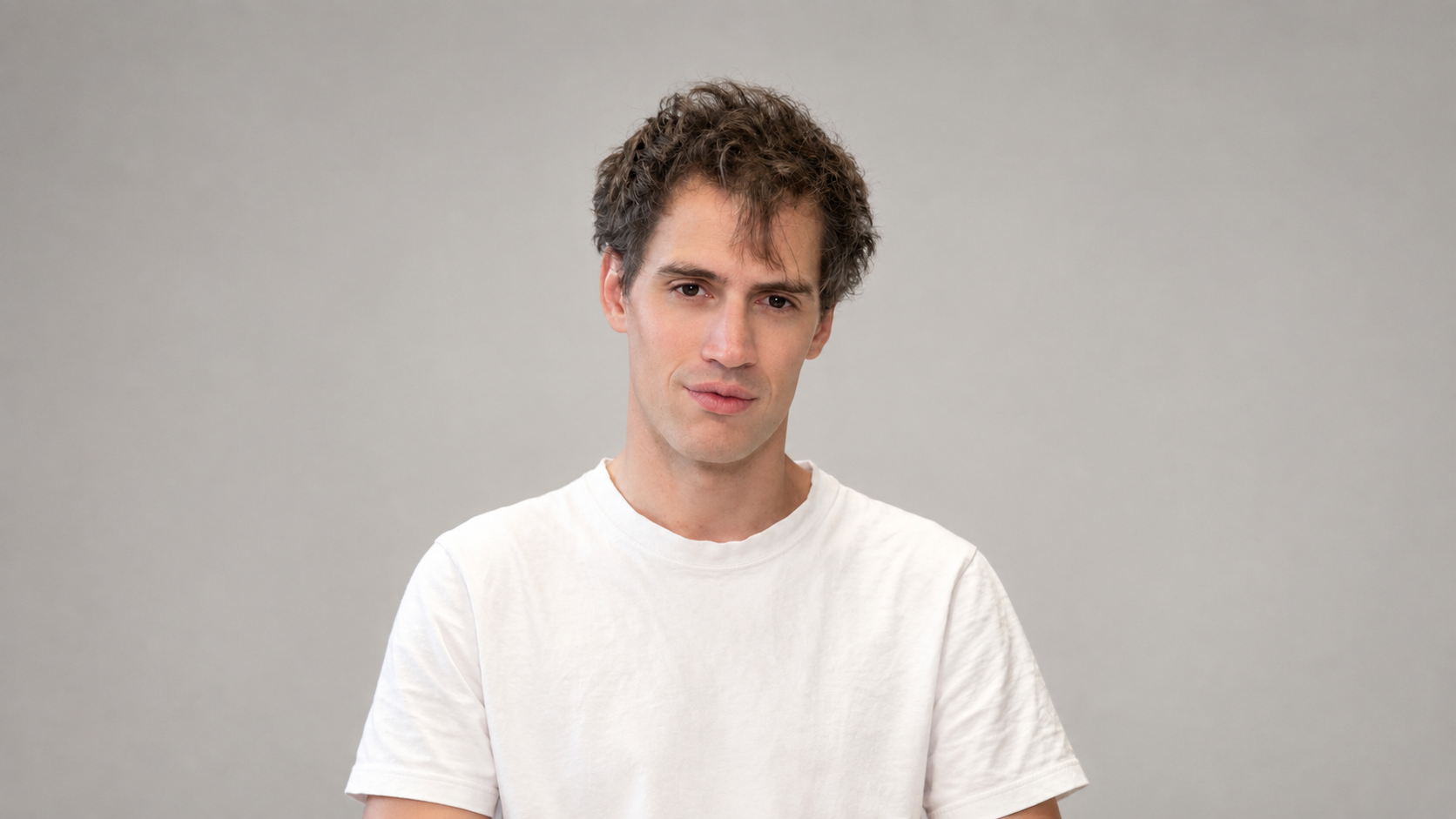
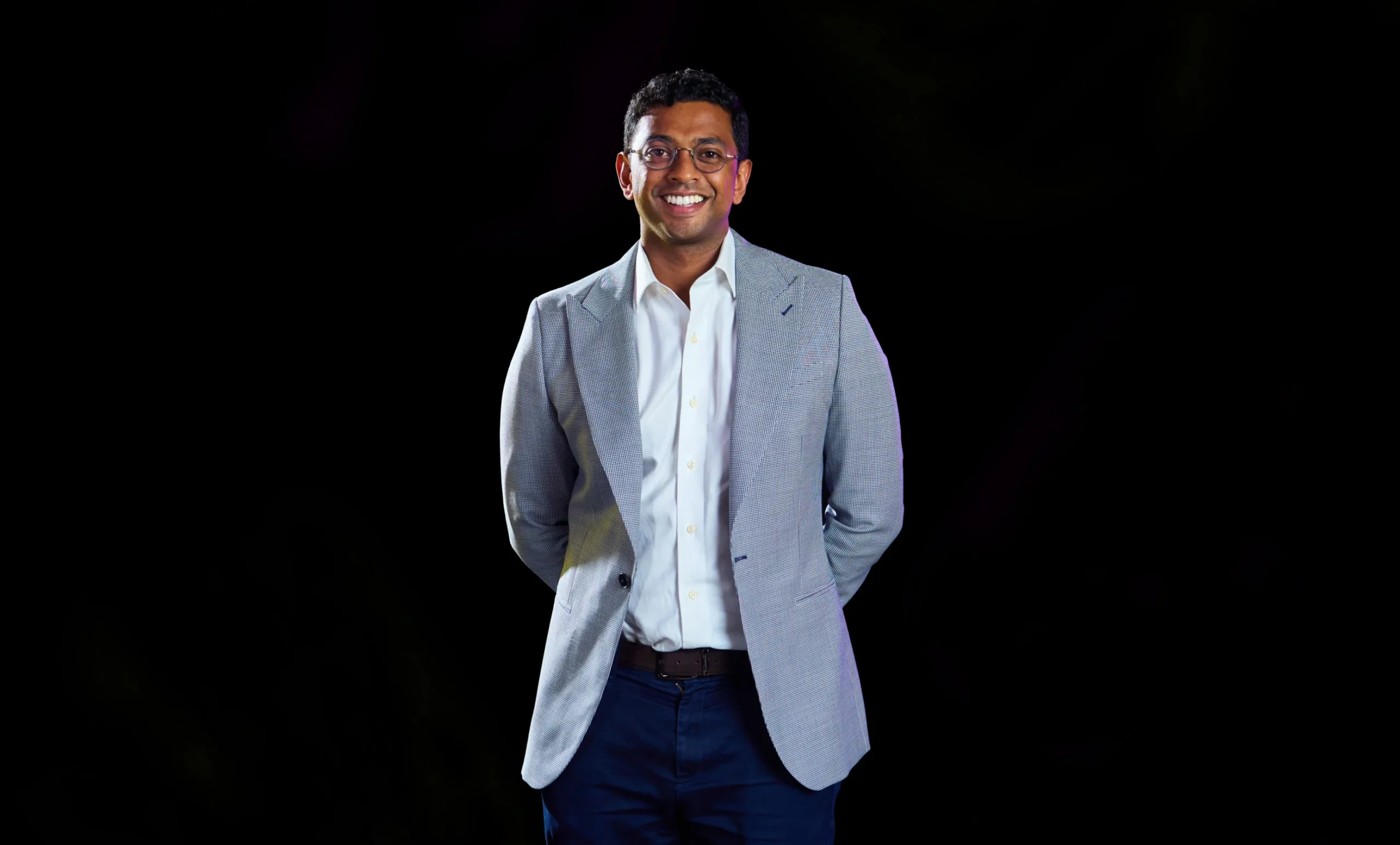
Arthur Mensch has emerged as one of the most recognisable figures in Europe’s attempt to build an artificial intelligence industry capable of standing alongside the technological powerhouses of the United States and China. As co founder and chief executive of Mistral AI, the French entrepreneur has helped transform a young Paris based company into one of Europe’s most closely watched artificial intelligence businesses. Yet Mensch’s significance extends beyond the rapid rise of his company. His increasingly outspoken views on AI safety, regulation, openness and the concentration of technological power have placed him at the centre of one of the industry’s most consequential debates.
Mensch’s route into the world of artificial intelligence was rooted in research rather than traditional entrepreneurship. Before creating Mistral AI, he worked as an artificial intelligence researcher at Google in France. His transition from researcher to entrepreneur reflected a growing conviction that Europe needed to build its own capacity in a field that was rapidly becoming one of the defining technologies of the modern economy. In 2023, Mensch joined forces with fellow engineers to establish Mistral AI, giving Europe a new contender in the global AI race.
The ambition was considerable from the beginning. Mistral AI was established around the belief that advanced artificial intelligence should not become the exclusive preserve of a handful of American technology companies. Mensch has consistently promoted the idea of open and accessible AI, arguing that organisations should be able to deploy models themselves, retain greater control over their data and adapt systems according to their own requirements. That philosophy has become closely associated with Mistral’s identity and with Mensch’s broader argument that technological sovereignty matters as much as technological capability.
His position has become particularly significant as the conversation surrounding AI safety has grown increasingly intense. As artificial intelligence systems become more capable, leading researchers and technology executives have warned about everything from misinformation and manipulation to autonomous systems and extreme long term risks. Mensch has challenged parts of the most dramatic narrative, arguing that warnings about catastrophic or existential AI risks can sometimes distract attention from dangers that are already developing.

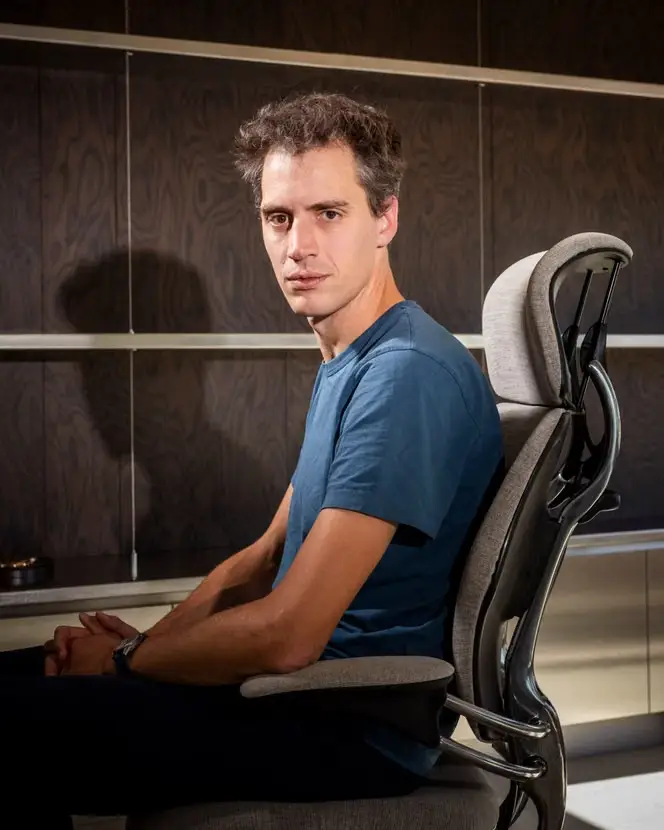
Among the concerns he has highlighted is the influence that AI assistants could eventually exercise over how people obtain information, form opinions and participate in democratic life.
For Mensch, the question of safety is therefore not simply about whether an AI system could one day become uncontrollable. It is also about what happens when powerful systems become deeply embedded in everyday life. A technology capable of answering questions, shaping information and influencing decisions can have profound consequences even without reaching the hypothetical levels of intelligence described in some of the industry’s most extreme scenarios. His emphasis places social influence, concentration of power and technological dependence alongside the more traditional concerns surrounding AI safety.
That does not mean Mensch dismisses the need for safeguards. His argument is instead that safety should be approached through engineering, accountability and practical controls rather than through concentrating AI development in the hands of a few companies. He has argued that increasingly capable systems require increasingly sophisticated methods of control, including alignment techniques and technological environments in which AI systems can be monitored and tested. His broader view is that artificial intelligence remains a form of software and that software can be examined, constrained and controlled through careful engineering.
Mensch has also questioned the assumption that closed AI systems are automatically safer than open models. He acknowledges that openness does not guarantee safety, but argues that transparency can create additional opportunities for scrutiny. Developers can examine models, modify them and create additional safeguards, while organisations can operate systems on their own infrastructure without necessarily sending sensitive information to an external provider. In this interpretation, a wider community of researchers and developers can become part of the process of discovering weaknesses and improving the technology.
His position places him at an interesting point in the global AI debate. Some of the industry’s most prominent leaders have warned that increasingly powerful AI could create risks on a scale that society is not yet prepared to manage. Mensch has taken a more sceptical position towards some of those warnings, suggesting that excessive focus on hypothetical extreme outcomes could lead to regulation that ultimately strengthens the position of a small number of established technology companies. His argument reflects a wider tension between those who prioritise precaution around advanced AI and those who believe excessive restrictions could concentrate technological power rather than reduce it.
The issue of concentration is particularly important to Mensch because it connects directly to his vision for Europe. He believes European countries risk becoming dependent on foreign companies if they fail to develop their own models, computing infrastructure and technological expertise. For him, artificial intelligence is not merely another software industry. It represents a strategic capability that could influence economic competitiveness, national security and the ability of governments and businesses to control their own digital future.
That ambition has increasingly shaped Mistral AI itself. The company has expanded its infrastructure plans and invested heavily in computing capacity, while Mensch has argued for a European ecosystem extending from computing resources through to AI models and business deployment. His vision is one in which Europe does not simply consume artificial intelligence developed elsewhere but possesses the ability to build, operate and govern its own systems.
Mensch’s position on AI also extends into areas where technology intersects with national security. He has argued that Europe needs its own capabilities because other countries and potential adversaries are already adopting artificial intelligence for strategic purposes. His comments illustrate another dimension of his thinking. Technological independence, in his view, is not simply an economic ambition but can also become a question of strategic autonomy and national resilience.
At the heart of Mensch’s philosophy is therefore a particular interpretation of what the AI revolution should become. He does not describe the future simply as a contest to create machines that are more intelligent than humans. Instead, he has spoken about the relationship between people and machines and the challenge of making powerful systems genuinely useful to society. He has also questioned whether increasingly elaborate terminology surrounding advanced AI sometimes distracts from the practical question of how humans and intelligent systems will actually work together.
Arthur Mensch represents a distinctly European proposition in an industry increasingly dominated by enormous American and Chinese organisations. His story is still being written, and Mistral AI remains part of an extraordinarily fast moving technological landscape. Yet his influence already extends beyond the company he helped create. Through his arguments about openness, safety, sovereignty and control, Mensch has become one of the voices challenging the assumption that the future of artificial intelligence must belong to only a handful of powerful technology companies.
His central question is not simply whether artificial intelligence will become more powerful. It is who will control that power, who will be able to examine it, who will have access to it and whether society can develop systems that remain useful and accountable as their capabilities continue to expand. In that sense, Arthur Mensch represents more than the rise of one European technology company. He represents a wider European attempt to define its own place in the artificial intelligence revolution and to argue that the future of AI should not be determined solely by those who build the most powerful machines, but also by those who decide how that power is distributed, understood and governed.