Philippe Donnet
The Unwavering Custodian Reforging Europe's Oldest Financial Bastion for a Fractured Century
By Afef Yousfi
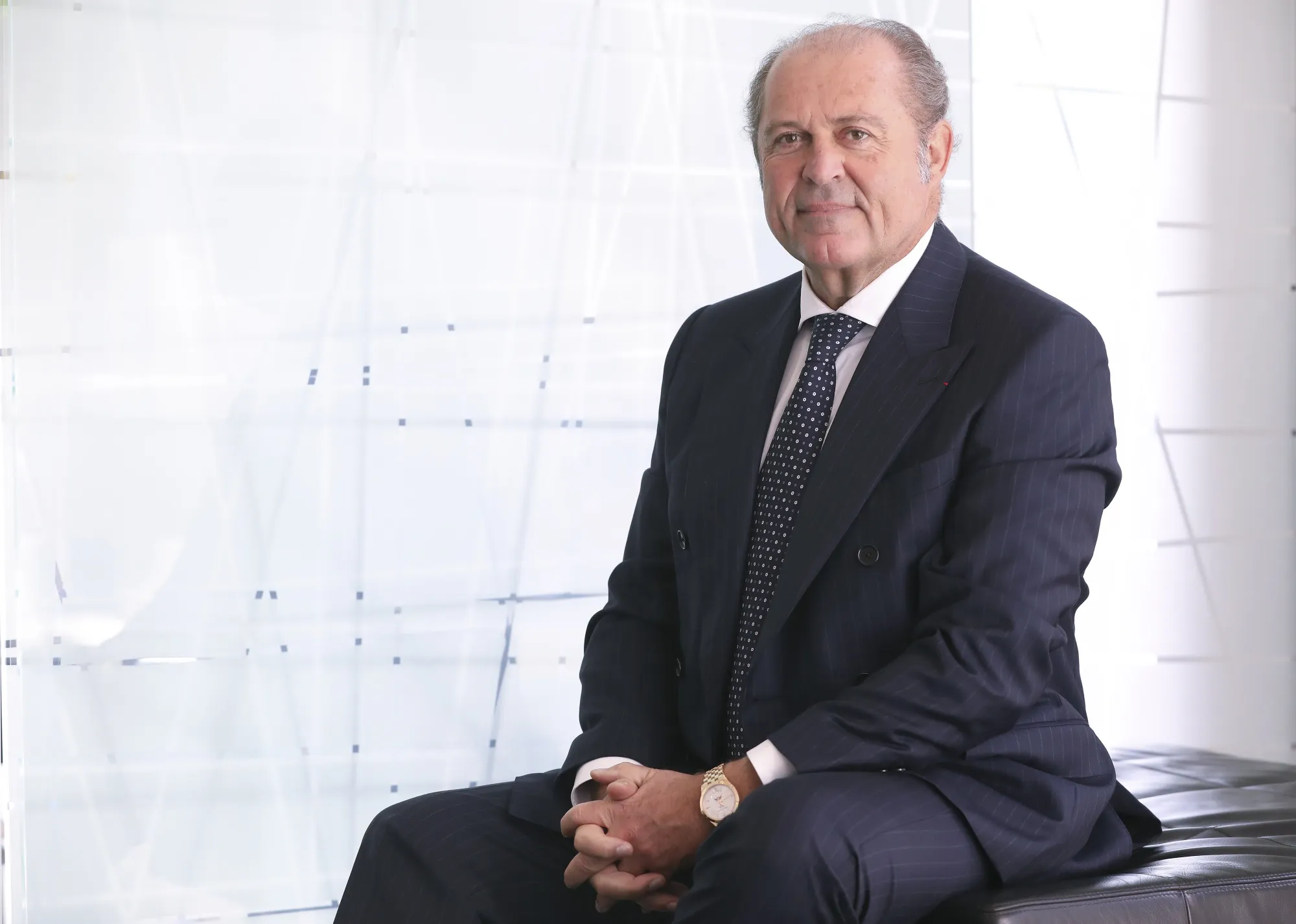
Crepuscular tensions now permeate the architecture of global finance, where geopolitical discord, demographic upheaval and technological disruption challenge even the most venerable institutions. Within this atmosphere of gathering uncertainty, Philippe Donnet has emerged as one of Europe’s most disciplined and strategically resilient corporate leaders. Measured yet formidable, urbane yet intensely pragmatic, Donnet transformed himself into a defining steward of continental finance through a combination of operational discipline, diplomatic dexterity and long horizon strategic thinking. His leadership of Generali reflects far more than conventional executive administration. It represents an effort to preserve and modernise one of Europe’s grand financial institutions amid an era increasingly hostile to complacency and institutional inertia.
Unlike the flamboyant personalities who often dominate modern corporate culture, Donnet cultivated authority through steadiness and intellectual composure rather than spectacle. There is a distinctly European elegance to his leadership style, rooted in restraint, negotiation and strategic patience. He rarely indulges in exaggerated rhetoric or ideological posturing. Instead, he projects the demeanour of a seasoned statesman navigating the immense complexity of international finance with careful precision.
Born in France and educated at the prestigious École Polytechnique, Donnet developed an analytical foundation that later became central to his executive philosophy. His early professional experiences within the insurance sector granted him deep familiarity with the intricate mechanisms of risk management, international markets and institutional governance. Before ascending to the highest office at Generali, he accumulated decades of experience across European finance, including significant leadership roles at AXA and within Generali itself.
This extensive background equipped Donnet with something increasingly rare among modern executives, namely an instinct for institutional endurance. He appears acutely conscious that insurance companies are not merely commercial enterprises but pillars of economic stability deeply intertwined with national savings, pensions and social security structures. Such awareness profoundly shaped his approach to leadership.
When Donnet became chief executive of Generali in 2016, the company faced considerable internal and external pressure. Europe’s financial environment remained burdened by low interest rates, sluggish economic growth and mounting regulatory complexity. Simultaneously, Generali itself required strategic consolidation after years of organisational fragmentation and investor unease. Many observers questioned whether one of Europe’s oldest insurers could adapt sufficiently to the accelerating pace of global transformation.
Donnet responded with notable discipline and strategic clarity. Rather than pursuing reckless expansion or theatrical restructuring, he focused upon strengthening operational efficiency, simplifying corporate structure and restoring financial stability. This measured approach reflected his broader leadership philosophy.
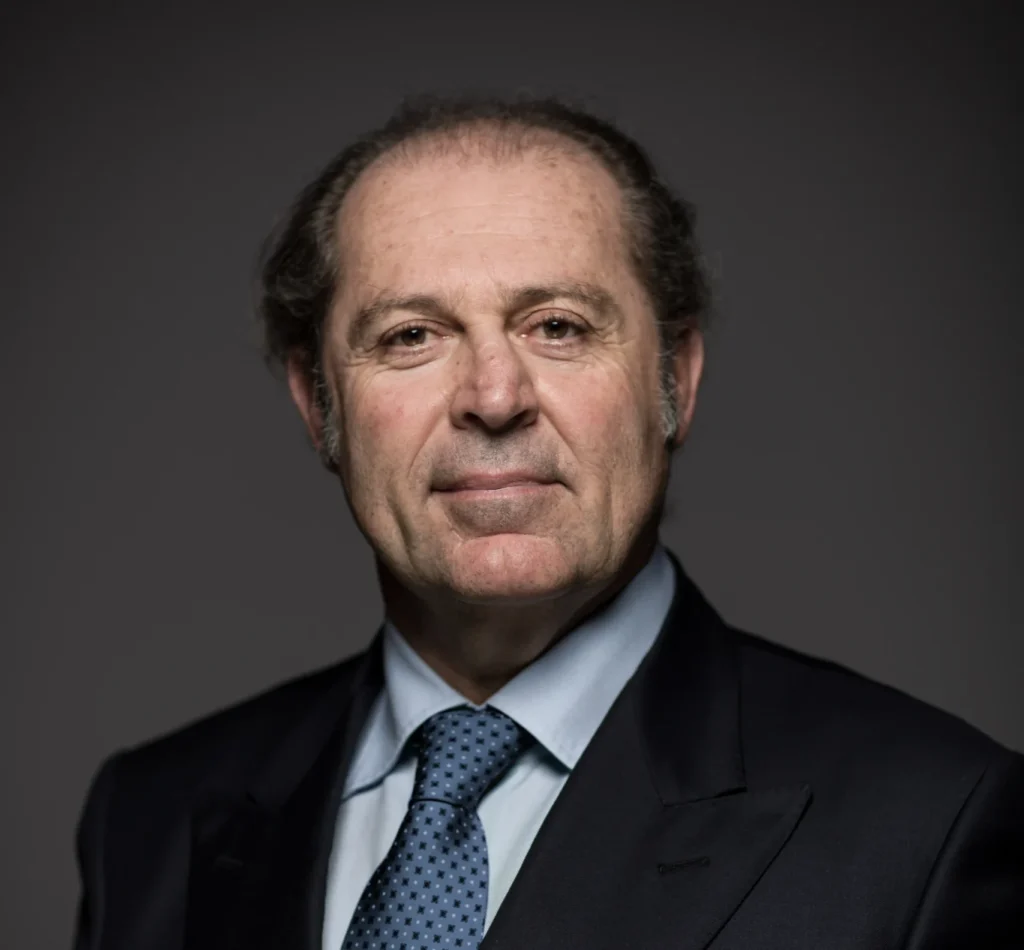
Sustainable transformation, in his view, required institutional coherence rather than impulsive disruption.
Under his stewardship, Generali embarked upon a process of modernisation aimed at reinforcing competitiveness while preserving the company’s historical identity. Digital transformation became increasingly central to strategy, though Donnet approached technology with pragmatic restraint. Unlike executives intoxicated by fashionable narratives surrounding disruption, he consistently framed innovation as a tool of operational resilience and customer engagement rather than corporate spectacle.
Insurance itself was evolving rapidly during this period. Climate instability, cybersecurity threats and demographic ageing were reshaping the global understanding of risk. Donnet recognised early that insurers could no longer function merely as passive financial guarantors responding after catastrophe struck. They needed to become more proactive participants in helping societies navigate uncertainty itself.
Climate policy in particular became a defining area of focus during his tenure. Generali strengthened commitments concerning sustainable investment and environmental responsibility under Donnet’s leadership. He understood that climate change represented not simply a political or moral debate but a profound actuarial challenge threatening infrastructure, economies and long term financial stability across continents.
Yet his approach remained characteristically measured. Donnet rarely embraced ideological absolutism or performative activism. Instead, he sought to balance environmental responsibility with financial discipline and institutional continuity. This pragmatism reflected his broader understanding of corporate leadership within Europe’s highly interconnected financial systems.
Observers frequently note Donnet’s exceptional diplomatic instincts. Leading a multinational institution such as Generali requires constant negotiation between investors, regulators, governments and internal stakeholders across multiple countries. Donnet demonstrated considerable skill in managing these relationships while preserving strategic focus. His calm and understated communication style often concealed substantial political and organisational dexterity.
The coronavirus pandemic further tested those capabilities. As economies convulsed under unprecedented disruption, insurers faced extraordinary pressure concerning claims exposure, operational continuity and financial volatility. Donnet responded with composed institutional discipline, emphasising resilience, employee stability and long term preparedness. During a period when markets were gripped by fear and uncertainty, his steady leadership reassured both investors and policymakers.
There is also a deeply historical dimension to his stewardship of Generali. Founded in the nineteenth century, the company occupies a symbolic place within European financial history. Donnet appears acutely aware that he leads not merely a corporation but an institution woven into the economic fabric of multiple nations. This consciousness perhaps explains his emphasis upon continuity, stability and gradual transformation rather than disruptive spectacle.
Nevertheless, beneath his composed exterior lies considerable strategic ambition. Under his leadership, Generali strengthened international operations, expanded asset management capabilities and intensified focus upon high growth segments such as health and retirement services. Donnet understood that demographic ageing across Europe and parts of Asia would profoundly reshape financial services demand during the coming decades.
Healthcare and longevity therefore became increasingly important themes within Generali’s strategic outlook. Donnet recognised that ageing societies require more sophisticated protection, retirement planning and healthcare related financial solutions. Insurance companies capable of addressing these evolving needs would possess substantial long term advantage.
Financial markets generally responded favourably to his leadership. Investors often praised Generali’s operational consistency, disciplined governance and strategic coherence under Donnet’s stewardship. Particularly during periods of geopolitical instability and economic uncertainty, his calm and methodical approach projected the stability many stakeholders sought desperately.
His leadership style stands in marked contrast to the hyper personalised culture increasingly common within global business. Donnet seldom behaves like a celebrity executive cultivating personal mythology. Instead, he embodies an older tradition of institutional stewardship grounded in patience, diplomacy and structural resilience. His authority derives not from flamboyant charisma but from sustained competence and strategic endurance.
Yet his tenure has not been entirely free from challenge. Generali periodically faced shareholder tensions and governance disputes reflecting broader debates concerning the future direction of major European corporations. Donnet navigated these conflicts with characteristic restraint, avoiding emotional confrontation while reinforcing his strategic agenda steadily.
There is an unmistakable continental sensibility underpinning his broader worldview. Donnet appears to understand finance not merely as commerce but as social architecture supporting economic continuity and public confidence. This perspective aligns closely with the European tradition of stakeholder capitalism, where corporate legitimacy depends partly upon broader societal contribution rather than shareholder returns alone.
As global finance confronts mounting instability from geopolitical fragmentation, climate related risk and technological upheaval, Donnet’s influence will likely remain considerable. Admirers will portray him as a disciplined moderniser who strengthened one of Europe’s most historic financial institutions during an era of profound uncertainty. Critics may continue questioning whether large multinational insurers can reconcile commercial imperatives fully with broader social obligations. Both perspectives illuminate the immense complexity surrounding modern financial leadership.
What remains undeniable is the scale of Donnet’s impact. Philippe Donnet helped guide Generali through one of the most turbulent periods in recent financial history with composure, strategic discipline and unwavering institutional focus. Through careful modernisation, operational strengthening and long term vision, he reinforced the company’s standing as one of Europe’s most influential insurers.
Beneath his calm and refined exterior resides a leader acutely aware that insurance ultimately concerns society’s deepest anxieties surrounding security, continuity and uncertainty itself. In an age increasingly defined by volatility and fragmentation, Philippe Donnet stands as a custodian of institutional resilience, determined to ensure that Generali endures not merely as a historic relic but as a modern financial force capable of navigating the perilous realities of the twenty first century.