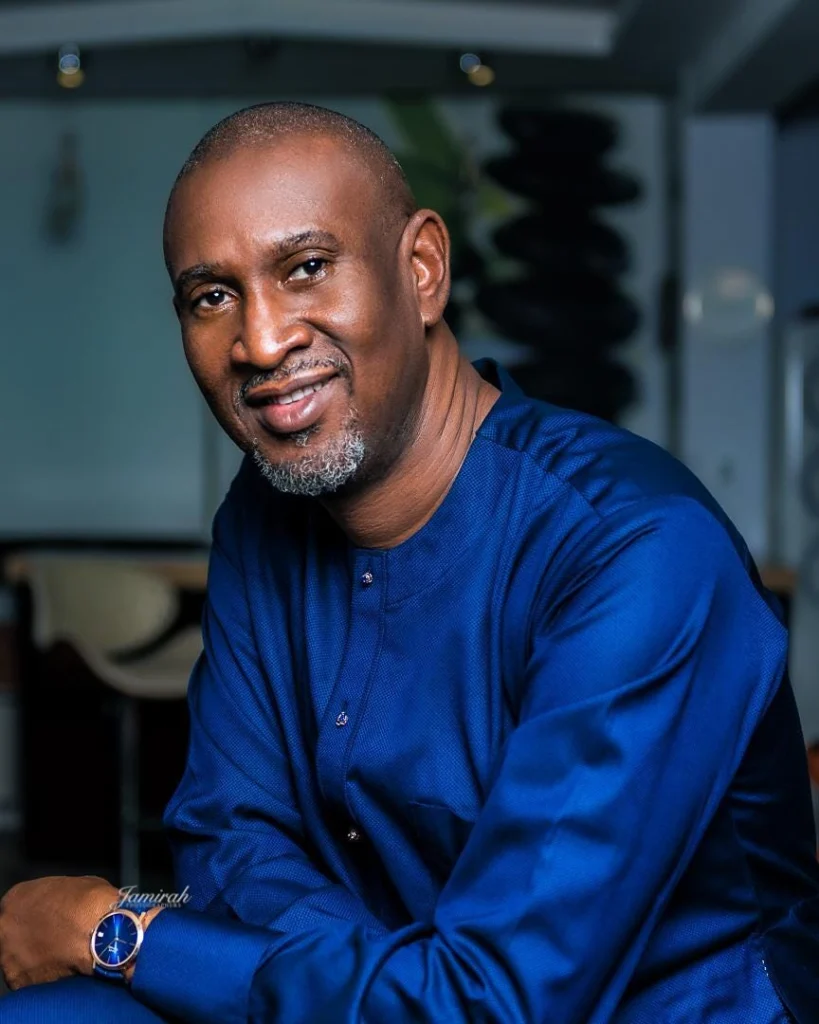
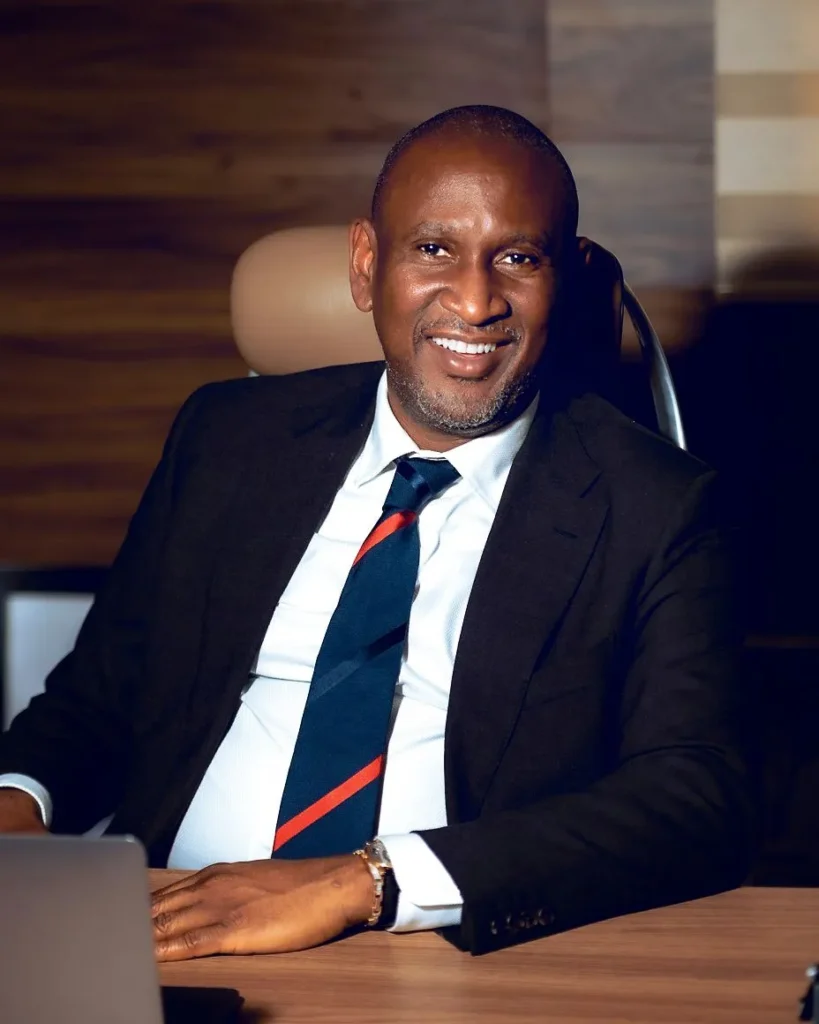
Akindele Akintoye
Architect of Patient Capital in Africa’s Long Game of Innovation
By Michelle Clark
In a global investment climate often dominated by rapid exits and compressed timelines, Akindele Akintoye has distinguished himself as a forceful advocate for endurance. As founder of Platform Capital, Dr. Akintoye has become a trending international figure for his articulation of Patient Capital leadership, a philosophy rooted in persistence, long term alignment and strategic conviction. At a time when African technology ventures are attracting unprecedented attention, his voice resonates as both counterbalance and catalyst.
Patient Capital, in his framing, is not passive funding. It is disciplined commitment to building enterprises capable of competing on a global stage. Rather than prioritising accelerated liquidity events, Akintoye emphasises sustained value creation. He argues that transformative companies require time to refine governance, deepen market penetration and cultivate leadership maturity. In emerging ecosystems especially, resilience can prove more decisive than velocity.
Africa’s technology landscape has evolved rapidly over the past decade. Fintech platforms, logistics innovators and digital infrastructure providers have attracted capital from around the world. Yet volatility in global markets has exposed vulnerabilities in models overly dependent on short term investor sentiment. Akintoye’s approach seeks to stabilise this trajectory. By providing capital that aligns with extended development cycles, Platform Capital positions itself as a strategic partner rather than a transient sponsor.
His prominence arises not only from financial deployments but from narrative leadership. Akintoye consistently reframes discussions about African enterprise. He rejects deficit oriented perspectives and instead highlights structural advantages, including demographic dynamism, entrepreneurial ingenuity and expanding digital connectivity. Patient Capital becomes a vehicle for harnessing these attributes without succumbing to speculative excess.
Central to his thesis is the conviction that global potential is not geographically constrained. African founded companies, he maintains, can design products and services with worldwide relevance from inception. This orientation requires infrastructure, mentorship and disciplined capital. Platform Capital’s model integrates advisory support with investment, recognising that financial injection alone rarely guarantees scalability.
Akintoye’s discourse frequently emphasises governance. In high growth environments, oversight can lag behind expansion, creating fragility. Patient Capital leadership entails embedding accountability mechanisms early. Boards are structured for diversity of expertise, reporting systems are standardised and strategic reviews are conducted with rigour. Such architecture, he contends, enables companies to withstand cyclical downturns and regulatory shifts.
The notion of persistence permeates his public engagements. Entrepreneurship in emerging markets often encounters infrastructural and bureaucratic hurdles. Akintoye encourages founders to anticipate these realities rather than interpret them as anomalies. Long term vision tempers frustration and sustains focus. By aligning investor expectations with this horizon, he reduces pressure for premature scaling or ill conceived diversification.
His influence extends beyond portfolio companies. Policymakers and institutional investors increasingly consult him on ecosystem development. Discussions encompass capital market reforms, cross border investment frameworks and diaspora engagement. Patient Capital, in this broader context, becomes a strategic doctrine for national competitiveness. Sustainable growth demands alignment between private initiative and public policy.
The global investment community has taken note. As volatility reshapes venture funding in established markets, the appeal of disciplined, thesis driven capital intensifies. Akintoye’s methodology contrasts with speculative cycles characterised by inflated valuations and abrupt contractions. By foregrounding fundamentals, revenue models and operational efficiency, he positions African enterprises for credibility on international exchanges.
Education also forms part of his legacy. Through mentorship initiatives and thought leadership forums, he cultivates a generation of founders attuned to governance and strategic patience. This cultural transmission may prove as significant as capital allocation. Ecosystems mature not solely through funding rounds but through shared norms about sustainability and responsibility.
Critically, Patient Capital does not imply resistance to innovation. On the contrary, Akintoye invests in sectors defined by technological disruption.
Financial services, digital health and infrastructure technology feature prominently within his portfolio. The distinction lies in pacing. Innovation is pursued with structured milestones and realistic projections rather than aspirational exuberance.
His narrative intersects with broader conversations about representation in global finance. African founders have historically faced scepticism regarding scalability and risk. By articulating a coherent investment philosophy and demonstrating disciplined returns, Akintoye challenges entrenched assumptions. Patient Capital becomes both economic instrument and symbolic assertion of confidence.
The emphasis on global potential shapes operational strategy. Companies supported by Platform Capital are encouraged to benchmark against international standards from inception. Compliance, cybersecurity and customer experience are calibrated for cross border relevance. This outward orientation mitigates insularity and expands addressable markets.
Environmental and social considerations also inform his perspective. Long term investment horizons naturally integrate sustainability. Short term extraction undermines resilience, whereas patient stewardship incentivises responsible growth. Akintoye frames this alignment as pragmatic rather than ideological. Enterprises embedded within their communities generate durable loyalty and political goodwill.
As African technology hubs proliferate, competition for capital intensifies. Founders must evaluate not only valuation metrics but investor philosophy. Akintoye’s prominence suggests that alignment of vision increasingly outweighs headline funding amounts. Entrepreneurs seeking enduring partnerships gravitate towards investors prepared to navigate complexity over years rather than quarters.
In global forums, his commentary often returns to a simple proposition. Time is an asset when strategically deployed. In a world conditioned to immediate gratification, patience can confer competitive advantage. For emerging ecosystems balancing ambition with infrastructure gaps, this principle acquires heightened relevance.
Akindele Akintoye’s ascent as a trending global figure thus reflects more than market cycles. It signals a recalibration in how growth is conceptualised within the African tech ecosystem. By championing Patient Capital leadership, he advocates for endurance as strategy and persistence as strength. Through Platform Capital’s investments and his broader intellectual influence, he contributes to shaping enterprises designed not merely for rapid ascent, but for sustained global significance.