China's Ban On Concealed Door Handles,
A Safety Revolution In The EV Industry
By Rizwan Zulfiqar Bhutta

In a groundbreaking move that could reshape the global electric vehicle (EV) landscape, China has become the first country to ban concealed door handles on EVs, citing critical safety concerns. This decision, announced by the Ministry of Industry and Information Technology (MIIT) on February 3, 2026, mandates that all EVs sold in the country must feature mechanical door releases both inside and outside, effective January 1, 2027. The policy directly targets a design trend popularized by Tesla, which has been adopted by numerous manufacturers for its aerodynamic and aesthetic benefits but has come under fire following several fatal incidents where occupants were trapped during emergencies.
The announcement has sent ripples through the industry, with major players like BYD quickly signaling their compliance. In a recent interview shared via a Bloomberg reel on Facebook, BYD Executive Vice President Stella Li told journalist Joumanna Bercetche that the company is fully prepared to adapt to the new regulations. “We are ready to comply with China’s ban on concealed door handles for electric vehicles,” Li stated, emphasizing BYD’s commitment to safety without compromising innovation. This response underscores China’s dominant role in the EV market, where domestic brands like BYD hold significant sway, and highlights the broader implications for global automakers.
The Rise of Concealed Door Handles, Innovation Meets Controversy
Concealed, or flush, door handles have become a hallmark of modern EV design since Tesla introduced them in models like the Model S and Model 3. These handles retract into the door panel when not in use, reducing drag and improving fuel efficiency, crucial for extending battery range. By minimizing air resistance, they contribute to the sleek, futuristic aesthetic that has helped EVs appeal to tech-savvy consumers. In China, the world’s largest EV market with over 8 million units sold in 2025 alone, around 60% of top-selling models feature this design, including vehicles from BYD, Xiaomi, and Nio.
The appeal is clear: in a competitive market where every percentage point of efficiency counts, concealed handles offer tangible benefits. For instance, Tesla’s Model Y, a bestseller in China, uses a press-to-release mechanism where pushing one end pops out the handle. Other variants, like those on the Kia EV9, are electrically powered and extend automatically. These features not only enhance aerodynamics but also align with the minimalist design philosophy championed by Elon Musk’s company, influencing a wave of imitators across Asia and beyond.
However, what began as a stylistic and functional innovation has evolved into a safety liability. Critics argue that these handles, often reliant on electronic systems, fail during power outages caused by crashes, fires, or battery depletion.
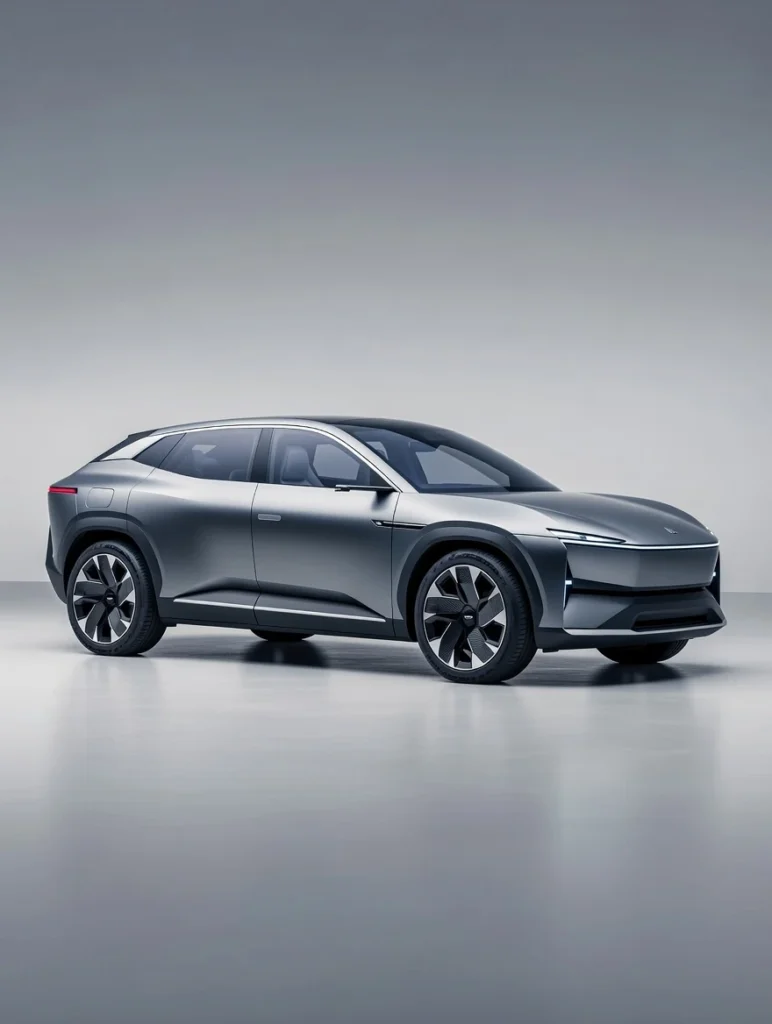
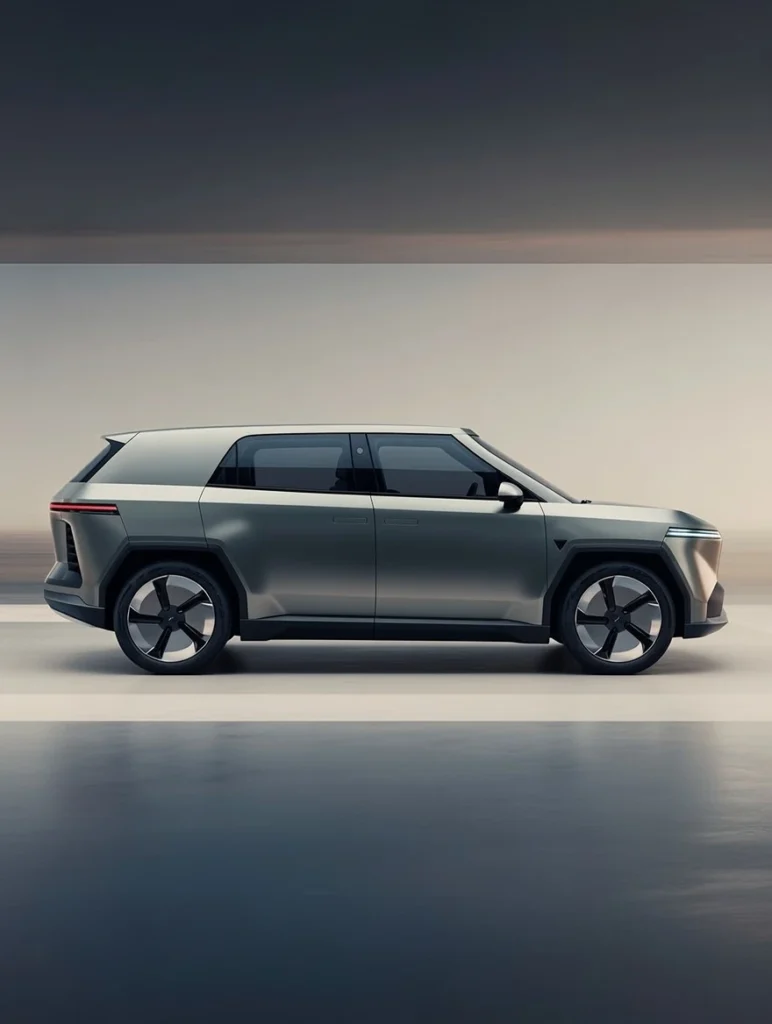
In such scenarios, doors can become inoperable, trapping passengers inside. Global reports have linked this issue to fatalities, including cases where first responders struggled to access vehicles quickly. One notable incident involved a Tesla in the U.S., where a submerged vehicle left occupants unable to escape due to powered handle failure. Similar tragedies in China, including EV fires where doors wouldn’t open, prompted the MIIT to act.
The new regulations specify that every car door (excluding the trunk) must provide a hand-operable space of at least 6cm by 2cm, ensuring manual access regardless of electrical status. This ban covers both press-to-release and fully electronic handles, effectively outlawing designs that don’t include a visible, mechanical override. While some models, like certain Teslas, already incorporate emergency manual releases inside, the rule demands exterior mechanical options as well, prioritizing pedestrian and rescuer access.
Safety First, The Driving Forces Behind the Ban
China’s decision isn’t arbitrary; it’s rooted in a series of high-profile accidents that exposed the risks of over-reliance on electronics in vehicle design. As EVs proliferate, with China accounting for more than half of global sales, the government has intensified scrutiny on safety standards. The MIIT’s announcement follows investigations into crashes where concealed handles hindered evacuation. For example, in battery-related fires, a growing concern with lithium-ion technology—time is critical, and any delay can be deadly.
Experts point to the inherent vulnerabilities of EVs: their high-voltage systems can short-circuit in collisions, disabling electronic components. “Hidden door handles that are fully electronically operated pose serious safety concerns during emergencies like accidents, fires, or power failures,” noted CNN’s Mike Valerio in a recent breakdown of the policy. This sentiment echoes across forums like Reddit, where users in Tesla communities discuss workarounds, such as integrating mechanical backups, but acknowledge the need for systemic change.
The ban also aligns with China’s broader push for automotive safety amid its EV boom. As the country transitions to net-zero emissions, with ambitious targets for 2035, regulators are balancing innovation with public welfare. This isn’t the first time China has led on EV policies; it previously mandated battery swapping standards and stringent crash testing. By outlawing concealed handles, Beijing sets a precedent that could pressure international bodies like the European Union or the U.S. National Highway Traffic Safety Administration (NHTSA) to follow suit. Already, the EU has expressed concerns over similar designs, and analysts predict ripple effects in markets where Chinese EVs are exported.
BYD’s Proactive Stance, Leading by Example
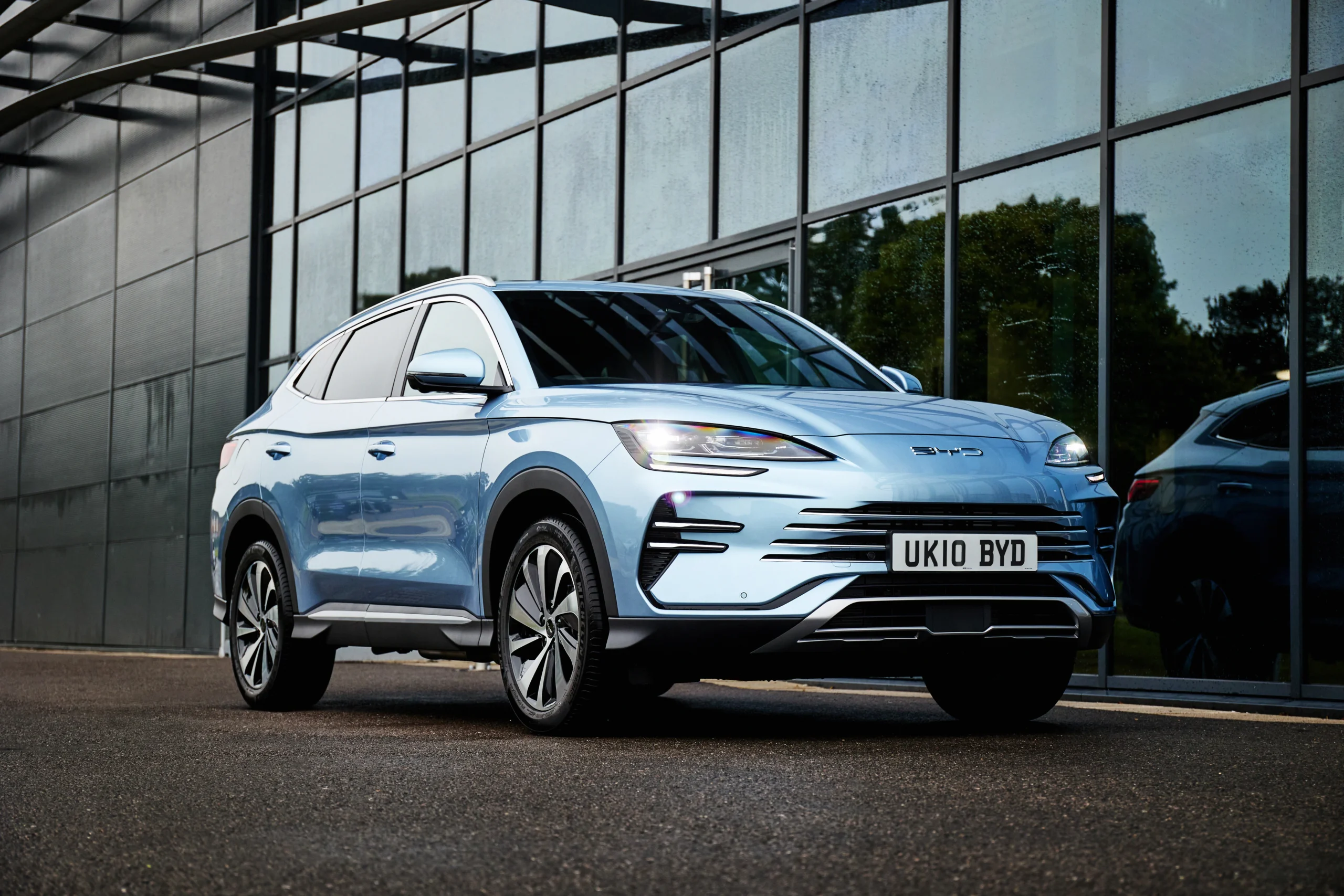
As China’s largest EV manufacturer, BYD’s response carries weight. In the Bloomberg interview, Stella Li, who oversees global operations, affirmed the company’s readiness: “BYD is committed to meeting all regulatory requirements while continuing to innovate.” This isn’t mere rhetoric; BYD has a track record of agility, having pivoted from batteries to full vehicle production and now dominating markets in Southeast Asia and Europe.
For BYD, compliance means redesigning models like the Atto 3 and Seal, which feature flush handles. The company could opt for traditional protruding handles or hybrid designs with mechanical fallbacks. Li hinted at minimal disruption, noting that BYD’s engineering teams are already prototyping solutions. This positions BYD as a compliant frontrunner, potentially gaining favor with regulators and consumers wary of safety lapses.
Competitors face similar challenges. Tesla, which inspired the trend, may need to modify its China-made vehicles, impacting production at its Shanghai Gigafactory. Smaller brands like Xiaomi, whose SU7 sedan uses electronic handles, could incur higher redesign costs. Overall, the industry estimates that retrofitting could add $50–$100 per vehicle, a modest sum in a market where average EV prices hover around $30,000.
Reshaping EV Design and Global Standards
The ban’s ramifications extend beyond China. As the epicenter of EV manufacturing, with exports surging 70% in 2025, Chinese policies often dictate global norms. Automakers designing for the Chinese market must now prioritize mechanical safety features, potentially standardizing them worldwide to avoid dual production lines. This could accelerate a shift away from fully electronic interfaces, encouraging hybrid systems that blend tech with reliability.
Critics of the ban argue it stifles innovation, harkening back to debates over seatbelts or airbags, which were initially resisted but proved lifesaving. Proponents, however, see it as a necessary evolution. “It’s an idiotic idea in the first place,” one Instagram commenter quipped, highlighting inefficiencies like energy use for powered handles. In India, media outlets like Firstpost have framed it as China curbing Tesla’s influence, with Palki Sharma noting the ban’s role in promoting local standards.
For consumers, the change promises greater peace of mind. In a post-pandemic world where vehicle safety is paramount, visible handles could reduce anxiety during emergencies. Moreover, it might inspire advancements in alternative aerodynamics, such as advanced materials or active spoilers, maintaining efficiency without compromising access.
Balancing Innovation and Safety
China’s ban on concealed door handles marks a pivotal moment in EV history, prioritizing human lives over stylistic flair. As Stella Li’s comments illustrate, industry leaders like BYD are adapting swiftly, ensuring the transition doesn’t derail the green mobility revolution. With the policy set to take effect in less than a year, the coming months will reveal how automakers innovate around these constraints.
Ultimately, this regulation could catalyze a safer, more standardized global EV ecosystem. As other nations observe China’s lead, the era of hidden handles may fade, replaced by designs that honor both progress and protection. In the race to electrify transportation, safety must always come first a lesson now etched into policy.