Nadia Murad
Architect Of A Survivor-Centric Global Justice Movement
By Sidra Asif
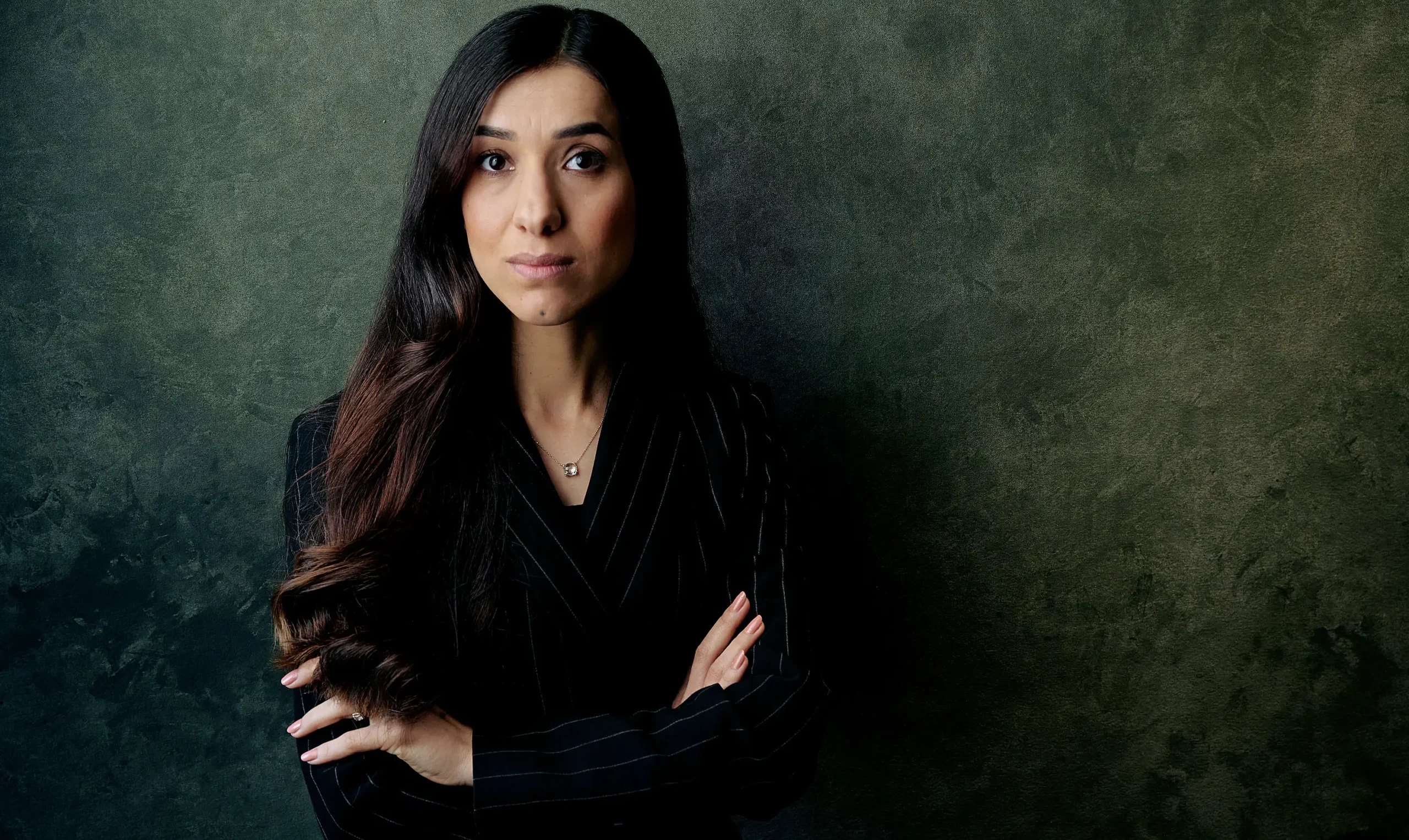
Nadia Murad Basee Taha, Nobel Peace Prize Laureate and United Nations Goodwill Ambassador, has channelled unimaginable trauma into a profoundly effective and global professional career dedicated to systemic change, becoming the definitive voice for survivors of sexual violence in conflict and a tireless champion for the sustainable rehabilitation of communities in crisis. Her work is not merely advocacy, it is a masterclass in institutional change and grassroots development, driven by a singular, unyielding commitment to justice and dignity.
Her career as a globally recognised human rights activist began with a striking act of courage, the decision to share her story publicly to raise awareness of the atrocities committed against her community and the strategic use of sexual violence as a weapon of war. This truth-telling was not an end in itself, but the powerful opening gambit in a sophisticated, multi-faceted campaign for international accountability and restorative justice. Her early efforts culminated in an unprecedented address to the United Nations Security Council in 2015, the first time the council was ever briefed on the issue of human trafficking.
This initial success was quickly cemented by formal appointments that recognised her unique authority and unwavering effort. In 2016, she was named the first UN Office on Drugs and Crime, UNODC, Goodwill Ambassador for the Dignity of Survivors of Human Trafficking, a role that positioned her as a crucial global voice, travelling to advocate for refugee and survivor communities worldwide and influencing policy at the highest levels.
The apex of her global recognition arrived in 2018 when she was jointly awarded the Nobel Peace Prize, an accolade that validated her work and provided her with an undeniable platform, one she immediately leveraged not for personal comfort, but to accelerate her mission. She used the prize money to further the work of her non-profit organisation, Nadia’s Initiative, which acts as the operational engine of her vision.
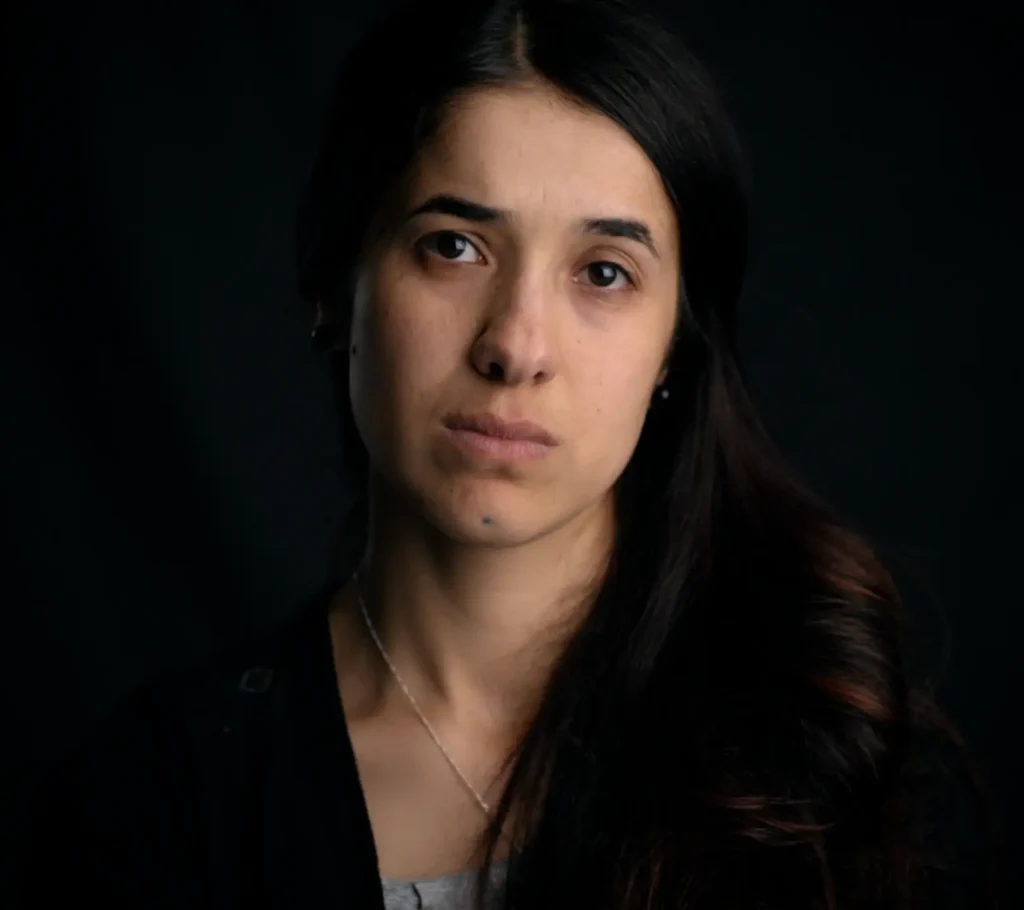
Nadia’s Initiative is her primary professional focus, a vehicle dedicated to two interwoven strands of effort: global advocacy for survivors of sexual violence and the sustainable re-development of crisis-affected communities, particularly her Yazidi homeland of Sinjar, Iraq. The organisation’s work is meticulously community-driven and survivor-centric, deliberately planning for decades, not days, to ensure true, long-term peacebuilding. Its projects are comprehensive, spanning the restoration of vital infrastructure such as education, healthcare, and water, sanitation, and hygiene, WASH, systems, alongside economic empowerment and livelihood restoration programmes that help survivors establish small businesses and reclaim economic autonomy. Over 130 rehabilitation projects have been carried out in Sinjar alone, positively impacting approximately 450,000 beneficiaries, a testament to the Initiative’s efficacy.
On the policy front, her work is defined by an extraordinary capacity to drive international legislative change. She was instrumental in the drafting and passing of crucial UN Security Council Resolutions, including Resolution 2379, which established the UN Investigative Team to Promote Accountability for Crimes Committed by Da’esh/ISIL, UNITAD, a vital step towards documenting evidence for future prosecution. She also successfully advocated for Resolution 2467, which expanded the UN’s commitment to ending sexual violence in conflict, emphasising a survivor-centric approach to justice and accountability.
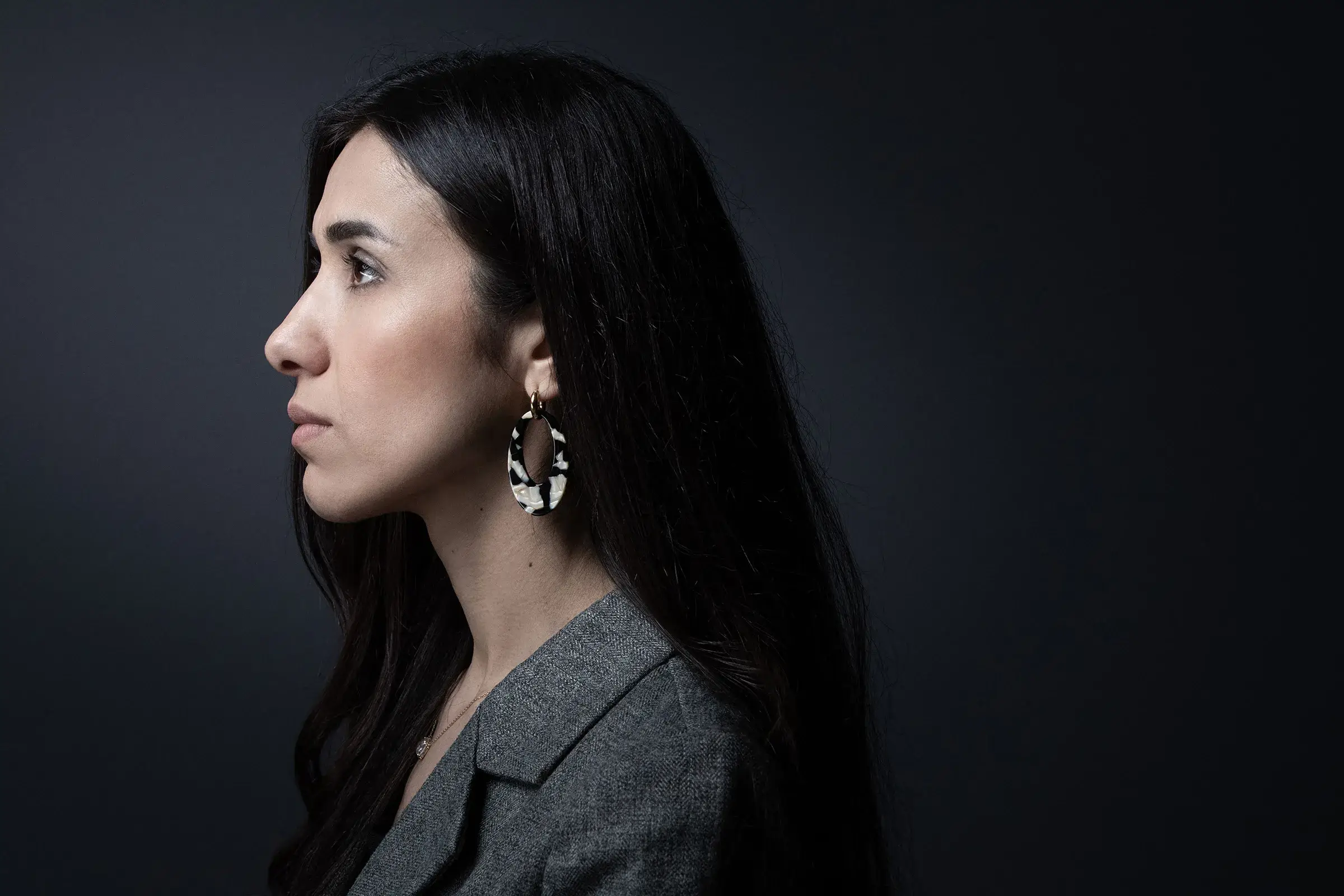
A cornerstone of her commitment to ethical practice is the development of The Murad Code, a global consultative initiative aimed at setting the minimum ethical and professional standards for how investigators, journalists, and all interlocutors should engage with and interview survivors of conflict-related sexual violence. This effort demonstrates her future vision of not just providing aid, but ensuring that the act of documentation itself respects the agency and dignity of the victim, transforming them from a ‘walking headline’ into an empowered participant in the pursuit of justice.
In partnership with fellow Nobel Laureate Dr Denis Mukwege, she co-founded the Global Survivors Fund, a global institution dedicated to ensuring that survivors of conflict-related sexual violence worldwide have access to reparations and other forms of redress, addressing the often-neglected financial and psychological long-term needs of those affected.
Nadia Murad’s future vision is uncompromisingly focused on achieving three monumental objectives: establishing full judicial accountability for perpetrators of genocide and conflict-related sexual violence, securing lasting security and governance for vulnerable communities, and ensuring holistic, long-term reparations for survivors globally. She is currently focused on high-impact projects like building Sinjar’s first university to teach sustainable agricultural practices, and restoring hospitals, demonstrating that her ultimate goal is not merely rescue, but the complete restoration of her community’s future potential and dignity. Her work signifies a relentless effort to transform the memory of pain into a blueprint for a more equitable and accountable world.