The Cultural Alchemist How
Indra Nooyi
Remixed the DNA of Global Business
By Paul Smith
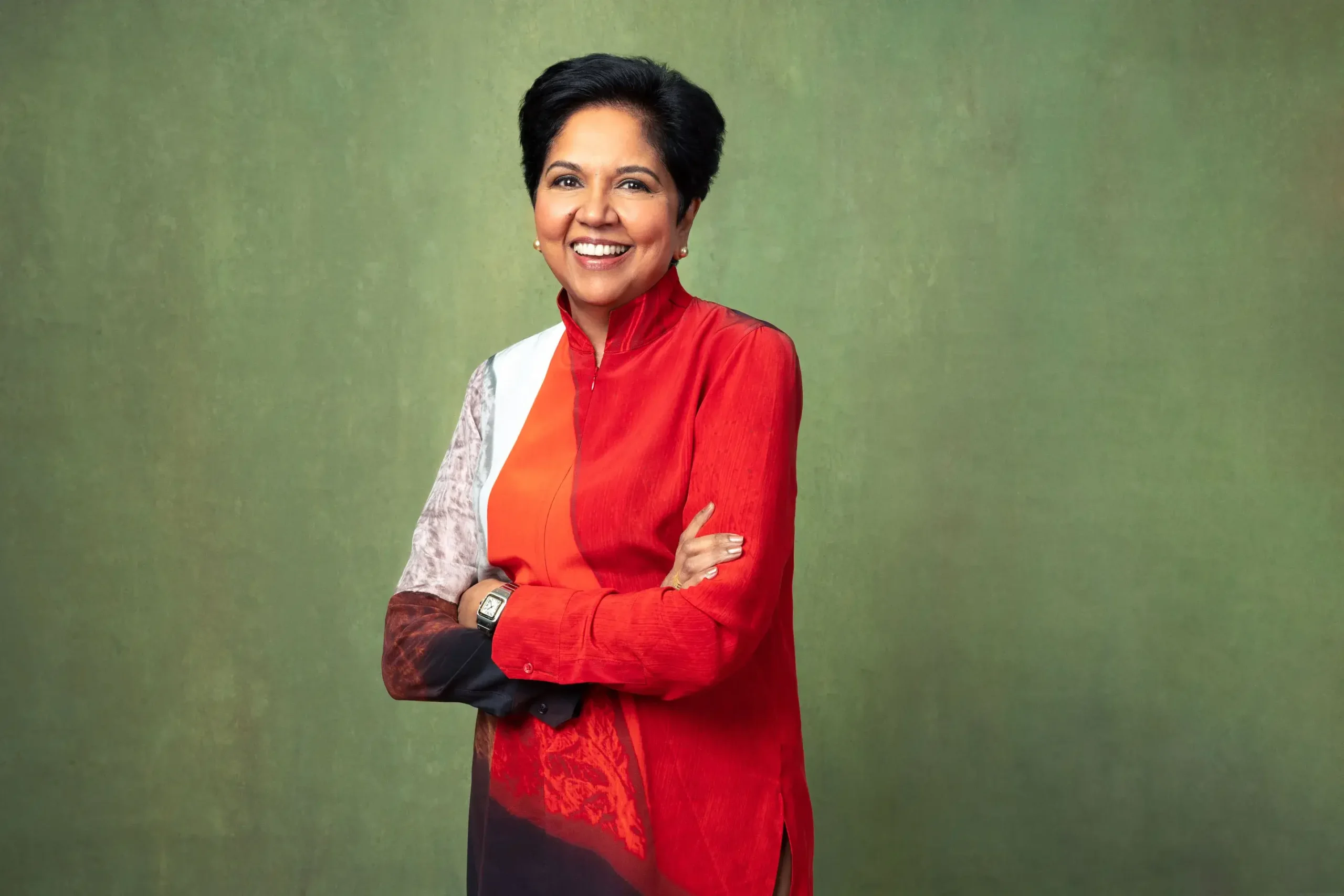
The gravel driveway of a Greenwich, Connecticut home might seem like an unlikely place for a lesson in humility, but for Indra Nooyi, it was the site of her most defining paradox. It was the night she returned home after being appointed President of PepsiCo, a career zenith most can only dream of. Bursting with news, she was stopped at the door by her mother and told to go get milk. When she returned, fuming, and finally announced her new title, her mother’s reply was devastatingly simple: “Leave that crown in the garage.”
This story is often retold as a cute anecdote about immigrant humility. But to view it only that way is to miss the point. That moment wasn’t just about checking an ego; it was the foundational algorithm of Nooyi’s leadership. It was the collision of two worlds, the dutiful daughter of Chennai and the titan of American capitalism, that didn’t destroy her, but rather forged a new kind of leader. She wasn’t just a CEO; she was a Corporate Anthropologist, decoding the rituals of business through the lens of human duty.
To understand the business strategist, you must first understand the “Madras Maverick.” Born in 1955 in a conservative Tamil Brahmin household, Nooyi’s early life was a masterclass in duality. Most online bios will list her degrees, but they often gloss over the texture of her rebellion. She wasn’t fighting the system; she was expanding it from within.
She played cricket in a sari-clad society and thrashed out chords in an all-girls rock band, yet she remained deeply anchored in her family’s rigorous academic expectations. Her mother, a woman who never attended college, instilled a “dinner table democracy.” Every night, she would ask Indra and her sister, Chandrika, to imagine they were world leaders, Prime Ministers or Presidents and deliver a speech on what they would change.
This wasn’t just a game; it was scenario planning before the term existed in business schools. It taught Nooyi that a title is a hypothesis, not a conclusion. It instilled a “constructive dissatisfaction” with the status quo. She learned to inhabit the minds of decision-makers before she even had a vote. This “Chennai Crucible” didn’t produce a rebel who wanted to burn down the institution, but a reformer who loved the institution enough to demand it be better.
When Nooyi arrived at Yale in 1978, she was an exotic anomaly in a sea of grey suits. She wore saris to interviews not as a statement of defiance, but of comfort. However, her true differentiator wasn’t her wardrobe; it was what she calls her “hip-pocket skill.” In the corporate lexicon, we often talk about “core competencies.”
Nooyi’s skill was more visceral. She possessed a forensic clarity, an ability to take a chaotic mess of data, market trends, and consumer fears, and distill them into a single, undeniable truth. At Boston Consulting Group and later Motorola, she didn’t just solve problems; she simplified the narrative of the problem. This skill is what saved PepsiCo. When she ascended to the C-suite, the company was an “optimistic confused giant,” making money but losing relevance.
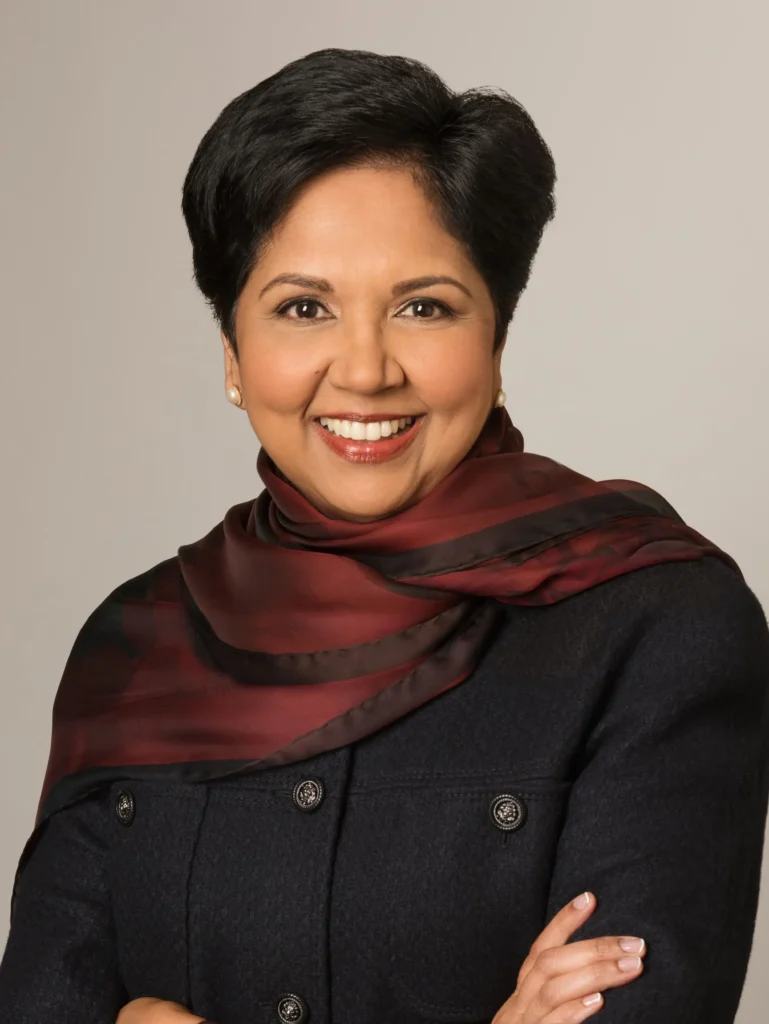
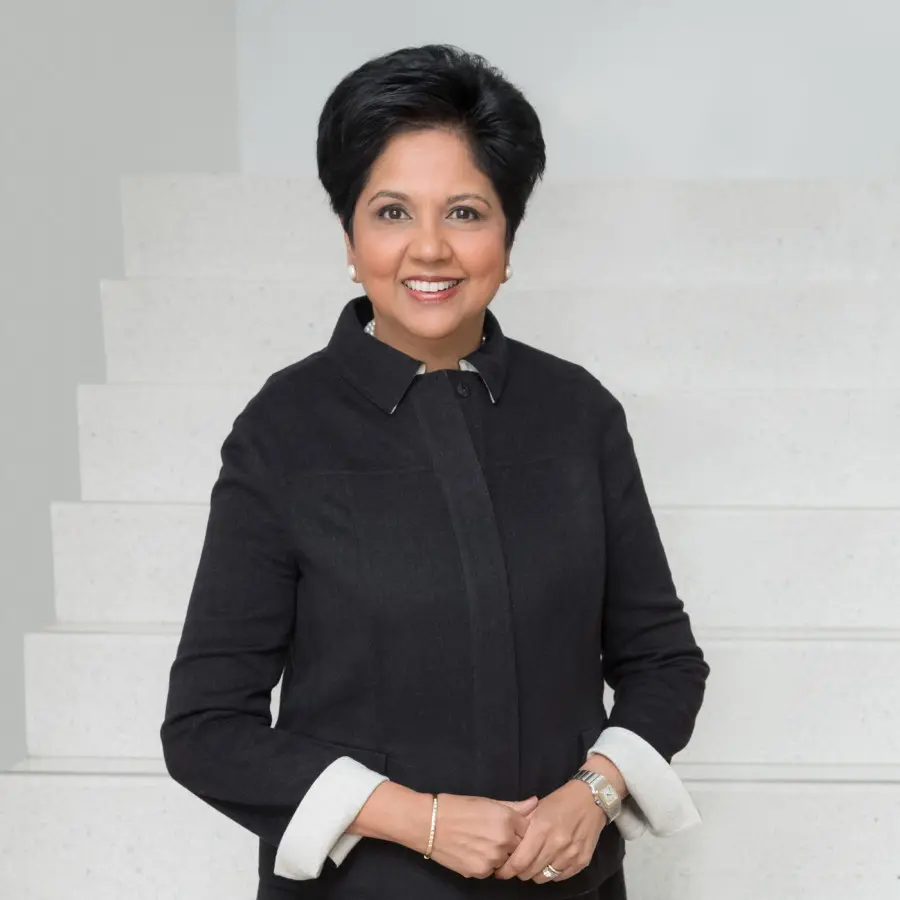
The world was turning against sugar, and PepsiCo was the sugar king. A lesser leader would have doubled down on marketing or slashed costs, the standard playbook of the “Hatchet Man” CEO. Nooyi chose a different archetype: the Pragmatic Idealist.
The phrase “Performance with Purpose” (PwP) is now a business school case study, but at the time, Wall Street hated it. They wanted quarterly returns; Nooyi wanted a soul. PwP was not a CSR initiative or a charitable side-hustle. It was a fundamental rewiring of the company’s genetic code.
She divided the portfolio into “Fun for You” (Pepsi, Doritos), “Better for You” (Diet Pepsi), and “Good for You” (Quaker Oats, Tropicana). This taxonomy wasn’t just marketing; it was an admission of responsibility. She was essentially saying, “We know what we are selling, and we are going to own the consequences.”
Critics called it “Mother Teresa capitalism.” They mocked her for trying to make a soda company healthy. But Nooyi saw something they didn’t: the Longevity Risk. She understood that a company fighting its own consumers’ health would eventually lose its license to operate. By pivoting to water, teas, and nutrition, she wasn’t just being “nice”; she was future-proofing the balance sheet. She dragged the company kicking and screaming into the 21st century, proving that you could be profitable because you were principled, not in spite of it. Nooyi’s leadership style defies the standard “alpha” vs. “nurturing” binary. She was neither.
She was a Velvet Hammer. She demanded rigorous preparation, she was known to read textbooks on IT infrastructure just to ask the CIO harder questions, but she paired this intensity with a disarming emotional intelligence.
Consider the famous “Letters to Parents.” After a visit to India where relatives flooded her mother with praise for “raising such a good daughter,” Nooyi realized the American corporate contract was broken. Companies hired the employee, but they got the person.
She began writing personal letters to the parents of her executives, thanking them for “the gift of their child.” This wasn’t HR strategy; it was cultural translation. She imported the Indian reverence for intergenerational duty into the individualistic American workplace. It created a loyalty that stock options couldn’t buy. She made the sterile corporate ladder feel like a family tree.
This approach was jarring to some. It blurred the lines. But in doing so, Nooyi humanized the corporation. She showed that you could be a killer in the boardroom and a human in the breakroom. She gave permission for “whole-self” leadership long before it became a LinkedIn buzzword.
Since stepping down from PepsiCo in 2019, Nooyi hasn’t faded into the golf-course twilight of retired CEOs. Instead, she has pivoted to what might be her most ambitious project yet: becoming the Architect of the Care Economy.
Her memoir, My Life in Full, is less a victory lap and more a plea for structural change. She argues that the “crown in the garage” story shouldn’t be necessary. Women shouldn’t have to choose between being a CEO and a mother; the system should support both.
Currently co-chairing AdvanceCT, she is applying her forensic clarity to the economic development of Connecticut, arguing that childcare is not a “social issue” but hard economic infrastructure, as vital as bridges and broadband. She recently wrapped up a historic term as the first independent female director of the International Cricket Council (ICC), where she helped govern the sport she loved as a girl, a poetic closing of the circle from her Chennai cricket days.
We often call her a “visionary,” but that word is too passive. A visionary sees the future; Nooyi wrestles it into existence.
Perhaps the better term is Cultural Alchemist. She took the base metals of conflicting identities, immigrant and executive, mother and boss, profit and purpose—and forged them into gold. She didn’t code-switch; she code-combined. She taught American business that having a “soft heart” didn’t mean having a “soft head.”
In a world that loves to categorize people into neat boxes, Indra Nooyi remains gloriously uncontainable. She is the rock-and-roll physicist who ran a soda company with the conscience of a monk. And her legacy isn’t just the billions she added to PepsiCo’s market cap; it’s the permission slip she signed for every outsider who ever walked into a boardroom: You don’t have to leave your culture at the door. You just might have to leave your crown in the garage.